Why Do Dogs Pull on Their Leash? 3 Vet-Reviewed Reasons & How to Stop It

In this article
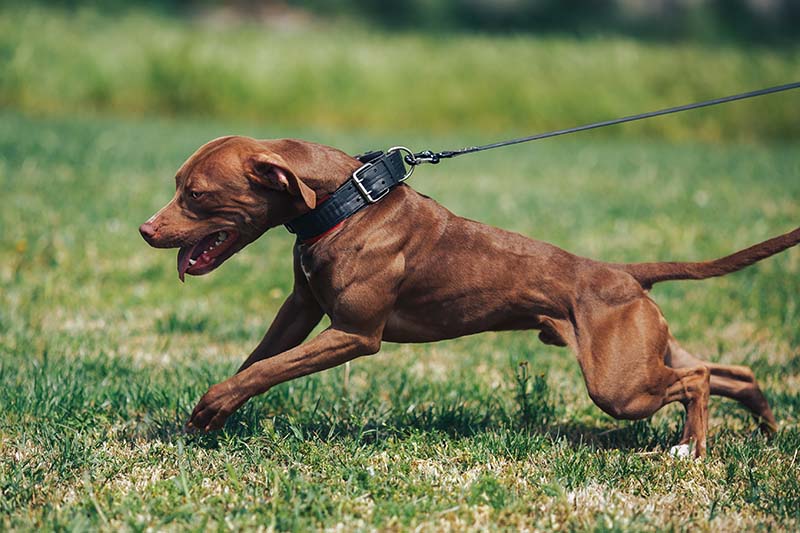
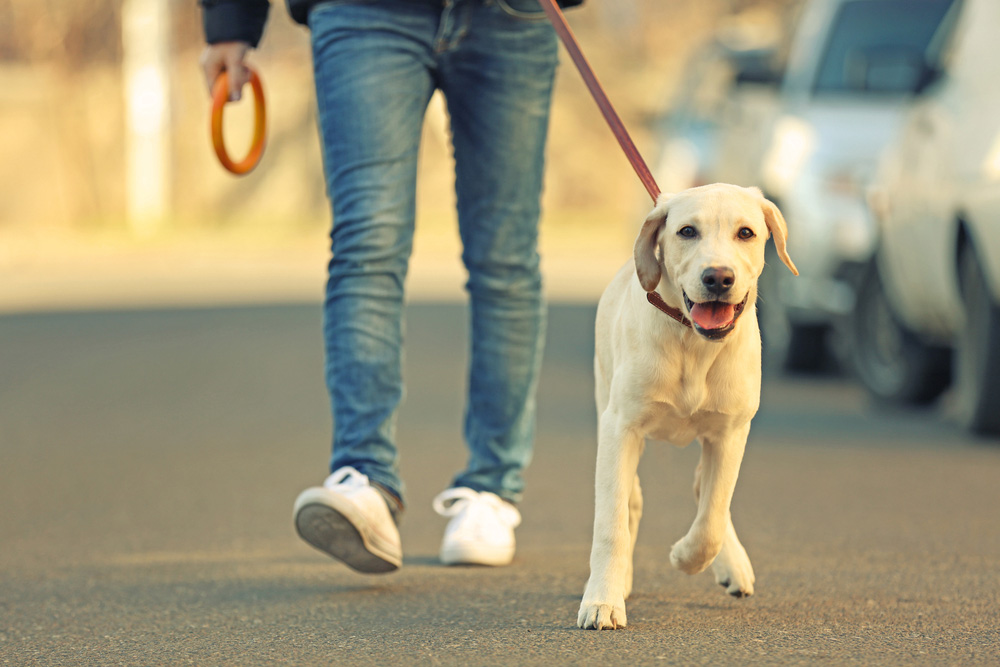
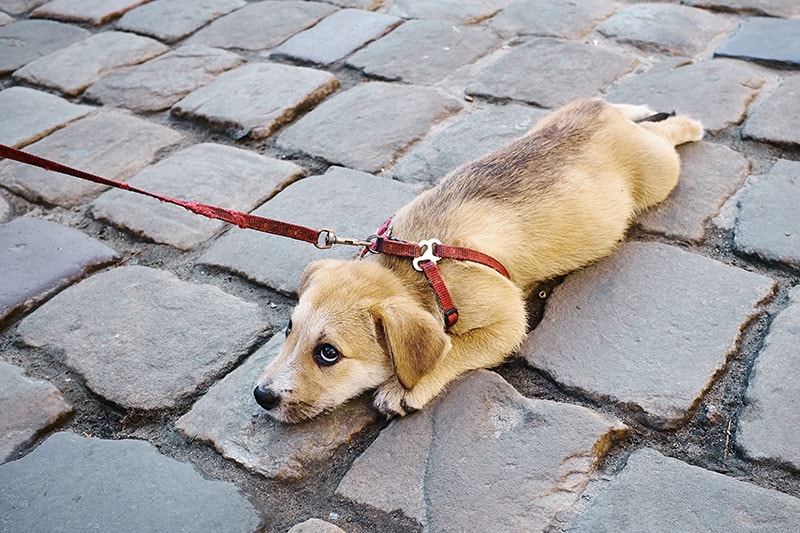
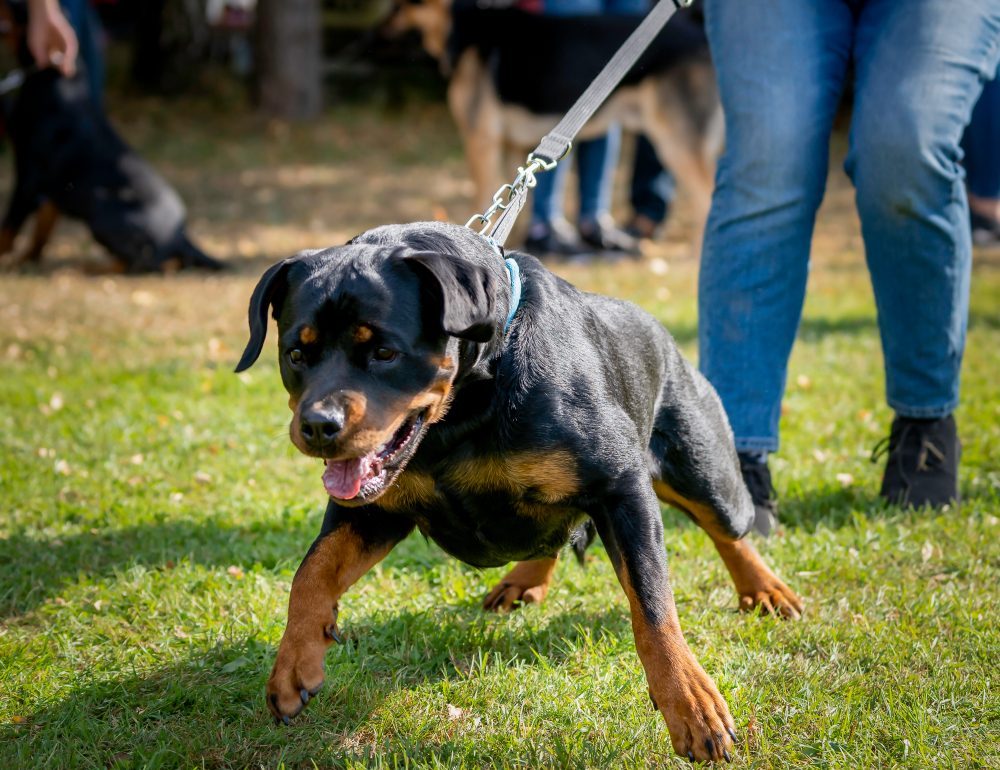
If you’re on this page, you might have found yourself in a situation where your dog is anxious to go on their daily walk, yet it ends up being a tug-of-war between the two of you. You want to go on a leisurely stroll, but your pet wants to race to the end of the corner or at least to their canine best friend down the street. Teaching your pooch leash manners is essential, and it’s not just about making the walks more enjoyable; it’s also a matter of proper training.
Your dog must obey you while walking to prevent jumping on people or rushing into a meeting with a new canine friend. Pulling shouldn’t be part of the mix, and understanding this unwanted behavior can provide valuable insights into curtailing it. So, why exactly does your dog pull on their leash? There are actually a few potential reasons.

The 3 Common Reasons for the Pulling
Being on a leash isn’t instinctive for dogs, and their inclination is to run. After all, they share a common ancestry with wolves that were predatory hunters. Your pup’s pulling on their leash is seemingly normal from their perspective. One reason your pet may act this way is because they don’t know otherwise and they weren’t trained to avoid pulling. In other words, they’re dogs and they want to get going! However, there are some other factors that contribute to this.
1. Different Walking and Running Speeds
Canines are fast animals and can far outrun humans. The Greyhound is the top dog, reaching speeds up to 45 mph. It’s not just because they are long-legged, either. Even a Jack Russel Terrier can kick up their heels at 25 mph. That’s quicker than the highest speed recorded for a person by Jamaican sprinter Usain Bolt, coming in at 23.35 mph.
Think of how you feel walking behind someone going slow or driving behind someone going below the speed limit. You’re probably feeling antsy and looking for a way to get around the slowpoke. It’s not much different for your pup. The chances are that going outside is a treat for them, and the first thing your pet wants to do is stretch their legs and get a move on!

2. Learned Behavior
Dogs are intelligent animals, so it won’t take long for them to figure out that pulling gets them to something interesting faster. They repeat the unwanted behavior because it works. Someone may pick up their speed in response to the pup pulling, or they may let go of the leash so the dog can reach whatever attracted their attention in the first place. However, we don’t encourage either of these, as it’s really best to get the leash pulling under control.
3. They Can’t Contain Their Excitement
Going outside offers many mental health benefits for your dog. It’s something new and provides enrichment. Why wouldn’t they want to hurry up and explore? Remember that canines have the emotional capacity of a 2.5-year-old child 1. They feel excitement and joy while going for a walk. The trick is to make staying at your side more enticing. An excellent motivator is treats.
We recommend reserving treats as training aids. Most dogs are food-motivated, and saving them for walks or other lessons gives them a potent reason to pay attention to you and not the distractions around them. That means less pulling and doing a better job at heeling. Your praise also works. Our pets are eager to please, so a few words from you can make a greater impression and keep your pup at your side.

How to Stop the Pulling
Stopping the unwanted behavior isn’t just about making walks more enjoyable; it’s also for your pet’s benefit. Tugging on your dog’s leash can hurt a small pup, especially if the lead is attached to a collar. Pulling puts a lot of stress on the animal’s neck and could potentially injure them. The other concern rests with another association your dog may make with this scenario.
Jerking back on the leash can hurt if done forcefully. Your pooch may learn to make an unpleasant association between the act and other people or dogs you’re trying to separate. That can make walks not as much fun for them if they begin to relate it to pain and harsh words as you reprimand them. It should always be something good since it’s bonding time for you both.
No-Pull Harnesses
One way to curb the pulling is to swap out the collar for a no-pull harness. These products go around your dog’s front and snap at the center of their chest in a D-ring for the leash. This setup forces your pooch to walk alongside you. Otherwise, the position of the attachment leads the dog to the side instead of forward, making it challenging for your pet to move forward.
The other advantage of a no-pull harness is that it takes the pressure off your pup’s neck and distributes it across the front of their body. Some products have padding to make them even more comfortable for your pet.

A Clicker and Treats
An excellent way to teach your dog to heel involves using treats and a clicker. The goal is for your pup to associate the sound and your command with a treat. Have your pet come to your side by saying, “Heel,” and pointing to your side. Reinforce the action with the clicker and a reward as you walk forward. Repeat the lesson, eventually dropping the verbal command.
Once your dog responds appropriately, challenge your pet by walking faster. Rinse and repeat often to make the association between the command, clicker, and treat stick.
Final Thoughts
Pulling on the leash makes walks unpleasant for you and your pet. It’s a distraction to enjoying the time outside and having new experiences. Heeling doesn’t come naturally to dogs, and you have to teach them that it’s the expected behavior when on the lead. Luckily, food-motivated pups make it easy so that you can help them make a positive association with the act.
Sources
Featured Image Credit: Ziga13, Shutterstock
Expert dog care, straight to your inbox
Vet-reviewed advice, training tips, and the best of Dogster. Free, and you can unsubscribe anytime.
By signing up, you agree to our Terms & Conditions and Privacy & Cookies Policy.
Since 2009, Chris has written on a variety of topics. Her motto with all of her writing is “science-based writing nurtured by education and critical thinking.” She specializes in scientific topics, with a special love for health and environmental topics, and of course, pets of all shapes and sizes.
Chris lives happily with her husband and three cats in the land of 10,000 lakes, writing, wining, and boating as much as she can. She and her husband, Norm, were awarded the State of Kentucky Colonel Honor for their restoration work at Mammoth Cave National Park.
Join the conversation
Ask a question, share your story, or send private feedback.