How to Stop Your Dog from Biting the Leash: 9 Vet-Verified Tips


In this article
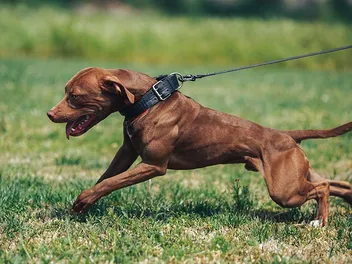
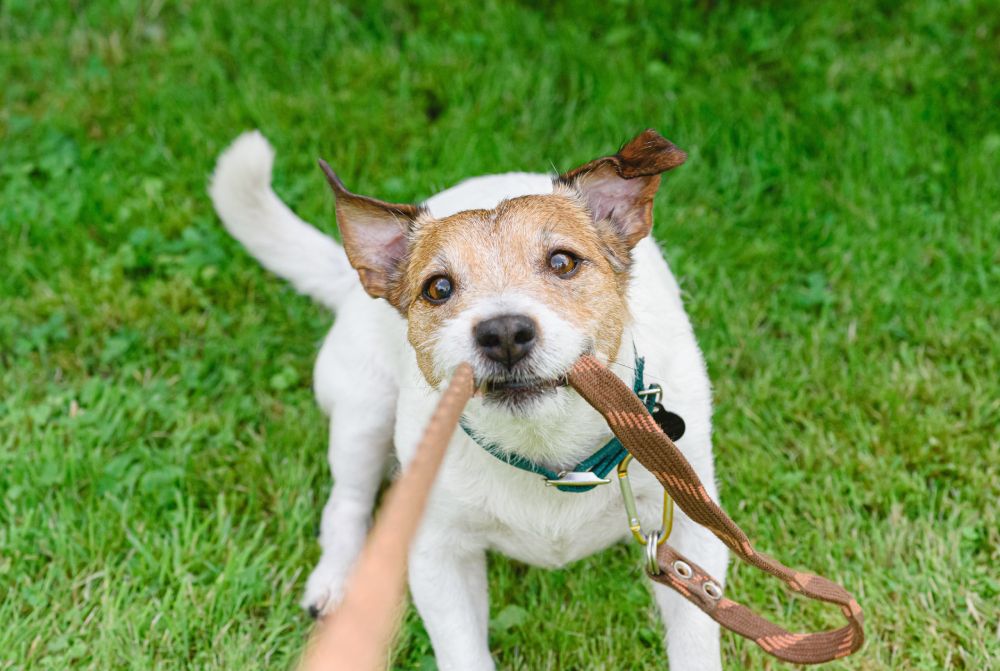
Of all the undesirable behaviors our dogs can present, leash-biting can put one of the worst dampers on the daily routine. Walks become an annoying hazard when dogs attack the leash, not to mention the embracement and possibility of having to replace the leash.
Leash-biting isn’t uncommon, but it’s always frustrating. With so much value in daily walks, it’s also not a habit we can ignore. Dogs can bite the leash for numerous reasons, all of which owners can exert some control over through patient training. Here’s how you can make your walks a joy for you and your dog by getting them to stop biting the leash.

Why Do Dogs Bite Their Leash?
Chewing on a leash can seem like an apparent escape behavior, which is sometimes the case. In a stimulating environment, the leash is restricting and frustrating. Dogs can become upset over being unable to approach or retreat as they desire, causing them to try to solve the problem by biting through it.
However, dogs may also gnaw to address another emotional need. The leash isn’t always the specific target but rather the most convenient object to satisfy their desire to chew. Your dog might be bored and trying to find mental enrichment by biting the leash and engaging in tug of war, or they may be stressed and use chewing to comfort themselves.
When you recognize the context and your dog’s body language when they are likely to chew, you’ll have a better chance of addressing the root cause. Generally, leash training using positive reinforcement will instill the confidence, impulse control, and understanding needed to correct the behavior for good.

The 9 Tips to Stop Your Dog From Biting the Leash
1. Hold The Leash Short
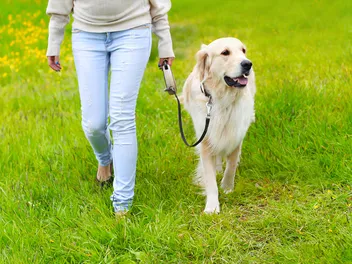
It might sound basic, but one of the best ways to prevent leash biting is by making it almost physically impossible for your pup to reach it. This does not mean you need to create tension in the leash but rather that you will hold the leash short enough that your dog can not turn around and grab it. As your dog learns to walk forward without attempting to turn and bite the leash you can then work on gradually releasing the leash while also letting your dog know what is expected from them by using positive reinforcement. Of course, using common sense is required here, if you think your dog can hurt you, you need to prevent it, using thick protection gloves might be a good idea with some dogs.

2. Reward Good Behaviors
Focus on rewarding your dog’s calm behaviors and ignoring or issuing negative punishment when they bite the leash. Keep high-value treats and a chew toy on hand when you take your dog out on the leash. When they perform positive behaviors like checking in or maintaining a loose leash, say their name and offer a treat.
You can also use your dog’s environment to supply rewards. Dogs love to sniff, and the mental enrichment it provides can fulfill them, making them more docile during the day. When your dog isn’t pulling or biting on the leash, let them take their time to nose around, mark areas, and safely explore.
3. Divert Attention When Your Dog Bites the Leash
Try using a toy or high-value treat to distract your dog and stop them from chewing the leash. Importantly, you don’t want to give the reward immediately after they stop chewing. Otherwise, they’ll learn that biting the leash will earn a reward, making them more likely to do it.
After distracting your dog, have them perform a basic command like a sit or handshake. There must be at least a few seconds and movements between your dog biting the leash and earning a reward to keep them from making the mental cause-effect connection between the two actions.

4. Bring a Toy for Your Dog to Mouth Instead
Sometimes, dogs simply like to mouth, and the leash is the easiest option while walking. Other dogs may become bored and bite the leash to engage you in a type of tug of war for fun and stimulation.
For these dogs, keeping a rope toy or ball on hand provides a better outlet. Some dogs will want to carry it around during the entire walk, which is fine if it keeps their mouth away from the leash.
In other instances, you may have to stop occasionally when you notice your dog about to get mouthy so you can engage them before they get their attention to the leash. By preventing them from practicing leash-biting, you’ll have a better chance of making the habit go extinct.
5. Be Neutral When They Bite the Leash
Dogs chewing on a leash for stimulation should learn that the leash is not a source of enjoyment. If they bite the leash and yank it around aggressively for fun, creating tension and trying to wrestle it away will only motivate your dog to do it more.
If you feel your dog is trying to engage you by biting their leash, try ignoring them. Look away, and don’t tug back on the leash. Be as neutral and boring as possible so they don’t make it into a game. When they finally release the leash and let it loosen, give them positive attention and continue your walk.

6. Use Two Leashes or a Handled Harness to Stop the Leash Tug of War
A handy trick to make leash-biting less enjoyable for your dog is to hook them to two leashes. When they bite and yank on one leash, drop it and pick up the other. If they switch to this leash, drop it and pick up the first one. Chewing and tugging on the loose leash is no fun, making any distraction with a tug toy or treat far more rewarding.
Alternatively, you can upgrade the collar to a harness. Harnesses are an excellent way to prevent dogs from injuring themselves or slipping the lead if they pull on the collar. Getting one with a handle on the back will also help you address playful leash biting.
When your dog starts biting and tugging on the leash, you can drop it and grab the handle, effectively ending the game.
7. Offer Enough Indoor Enrichment
When walks are the only engagement and stimulation dogs receive, they’ll be more likely to be extra excited and challenging on the leash. You can fix this by giving your dog ample enrichment and exercise inside and off-leash throughout the day.
Feed your dog treats and kibble in snuffle mats, offer puzzle feeders, or set up obstacle courses to avoid boredom that causes overzealousness when they finally go on a walk. Playing tug of war inside is an excellent way to provide mental and physical enrichment while teaching appropriate contexts for this kind of behavior. Exhausting your dog and keeping them content will significantly impact their on-leash obedience.

8. Make Walks Short and Fun
Some dogs become bored with long or understimulating walks, causing them to bite and pull on the leash. If the leash-biting stems from building boredom, consider splitting one long walk into a few shorter ones.
As you walk, look for ways to make it fun to keep your dog from biting the leash. The aforementioned options of stopping occasionally to let your dog sniff around or giving them a toy, ball, or stick to bite can help. You can also scatter treats for them to grab or stop periodically to have them perform a trick.
If you have nothing else, switch from a walk to a run. Most dogs like picking up the pace and will gladly chase after you. Running is also an excellent way to get your dog to focus on you and hustle past stimuli that might make them bite the leash, pull, or bark.
9. Play Before and After the Walk
Bookending each walk or potty break with a short play session can help resolve a few reasons dogs may bite their leash. By playing a game of fetch before you put them on the leash, they’ll burn off some energy, which can make them more relaxed during their walk.
Meanwhile, playing when you return home can keep them from protesting the end of the walk. If the walk is fun but feels too short, your dog may lash out and bite the leash to let you know they don’t want to go back inside. Making a habit of giving them a treat-filled toy or tossing a few toys to them to continue the fun indoors will provide something to look forward to and make them less likely to bite the leash toward the end of the walk.

Final Thoughts
A dog’s leash-biting behavior is frustrating for owners and dangerous for dogs and those around them. Alongside proper leash training, understanding where, when, and why they bite will help you decide on the best strategies for stopping it. Through positive reinforcement and employing a few essential tools, you can slowly but surely halt the behavior and make every outing an enjoyable experience.
Also see:
Featured Image Credit: alexei_tm, Shutterstock
Expert dog care, straight to your inbox
News, insights, expert advice, and everything dog.

No spam — unsubscribe anytime.
By signing up, you agree to our Terms & Conditions and Privacy & Cookies Policy.
How useful was this post?
Click a star to rate. You can leave written feedback afterwards. (We read all feedback.)
Nicole has loved animals of all sizes her whole life so it's no wonder she has dedicated her career to helping them through what she loves best: learning, writing, and sharing knowledge with others. She’s the proud mom of two dogs, a cat, and a human. With a degree in Education and 15+ years of writing experience, Nicole wants to help pet parents and pets around the planet to live happy, safe, and healthy lives.