How to Stop a Dog From Getting Distracted on Walks: 8 Vet-Approved Tips


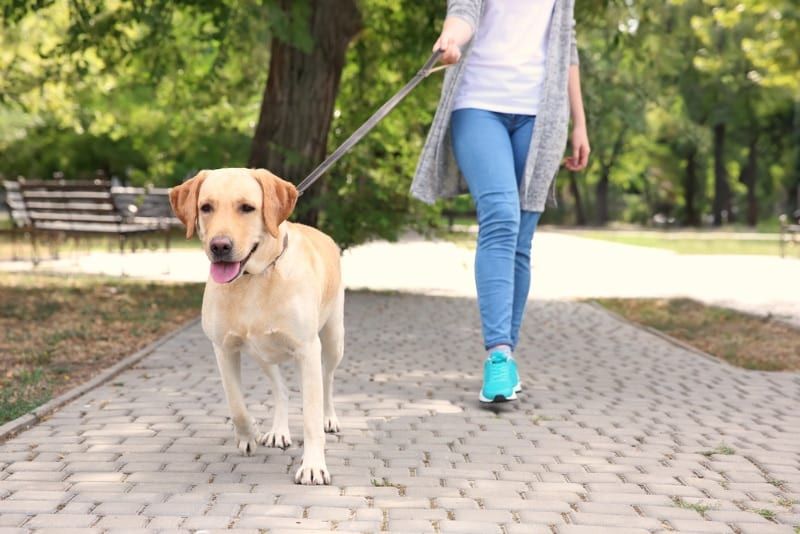
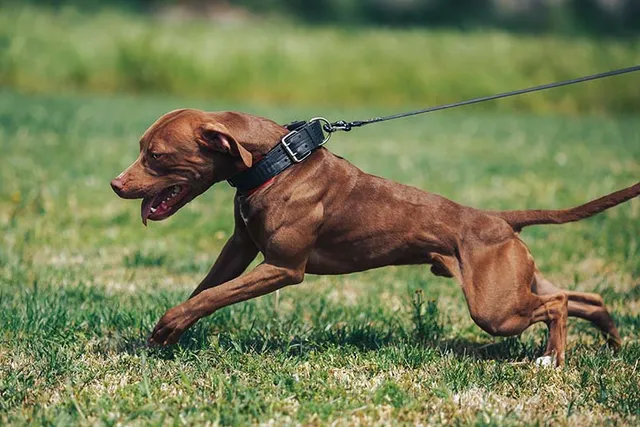
Dogs need to go on regular walks for their exercise and health. Walks allow your dog to get out of the house, engage with the outside world, and relieve themselves. However, some people dread taking their dogs on walks. Some dogs are easily distracted and pull constantly on the leash, making walking an even bigger chore than it has to be. When an owner hates taking their dog for walks, the quality of the walks degrades, which can only cause your dog to act even more poorly on walks. It can become a negative cycle that affects both you and the dog. The good news is that there are ample ways to help your dog focus better on walks, which will make everyone’s life better.
Here are eight tips to help get your dog to focus better on walks, including expert advice, what to expect, and noninvasive methods to try.

Preparation
What You Will Need:
In order to help your dog stay focused on walks, you need to take your dog on walks. Some people start to avoid walking their dogs or shorten the walks to decrease their frustration. But this is the wrong tactic to take. If you want to help train your dog to be better on the leash or walk better, you need to take them on frequent walks.
| Time: | 1 – 3 weeks |
| Complexity: | Basic–Intermediate |
You should be prepared to be consistent, patient, and understanding. Don’t get frustrated with your dog, and don’t yank on their leash when they are behaving undesirably. You should be in a calm mindset that understands that your dog is craving mental stimulation and excitement when they go outside for their walks.


The 8 Ways to Stop a Dog From Getting Distracted on Walks
1. Teach Your Dog Voice Commands
The basis for nearly all dog training is a stable of voice commands. If your dog does not know or cannot follow voice commands, then keeping them in line on walks is going to be a challenge, as they do not understand what is expected of them. There are four voice commands that your dog should be familiar with when they go on walks in order to have the best results. Your dog should know the commands for:
- Sit
- Leave It
- Stay
- Come (or Come On)
These commands are invaluable for your dog on walks and in everyday situations. Commands are a great way to ensure consistency when talking to your dog and to help break distractions. A well-trained dog may be able to follow most commands even when distractions are present, though this depends on the dog's training level and the environment. Getting your dog to sit, stay, or leave something is important for breaking their focus and getting them to refocus on your words and intentions rather than the latest distraction.
If you are struggling to keep your dog focused while on walks, you might want to brush up on or reinforce your voice command training. Without consistent voice commands, walks will become very difficult, and doing any of the other tips on this list is going to be difficult.
2. Increase the Distance of Your Walks
It might seem counterintuitive to increase the length of your walks while your dog is distracted, but getting them out more has a variety of benefits. Longer periods of time outside will give your dog more mental stimulation, which can help them stay focused. Longer distances will also help to wear your dog out. When a dog receives the proper amount of exercise, they are less likely to be overly energetic and less likely to be as easily distracted. Longer distances also give you more time to reinforce your expectations and work on training. Short walks do not give you ample time to get your dog focused and to set and meet expectations. Repetition is a cornerstone of all training, and long walks help you give your dogs more reps.
The other thing that long walks help with is desensitizing your dog to certain distractions. If your dog is always distracted by birds or squirrels, spending more time outside can help make these things seem less interesting than they are when they only go on short walks, especially when combined with consistent training. Short walks may help make some distractions more novel, while long walks may make mundane things feel mundane again.

3. Increase the Speed of Your Walks
Picking up the pace can also help reduce distractions on walks. If you are moving briskly, it gives your dog less time to get distracted. Moving past distractions at a fast pace will put them quickly in the rearview mirror. Meandering, walking while looking at your phone, or taking frequent stops only gives your dog more opportunity to find something they will find distracting.
If you are struggling with distractions on walks, you may need to limit some of the sniffing at certain times and focus on keeping your dog engaged with you. However, completely preventing them from sniffing is generally not recommended as it may reduce the mental benefits of walks. Keep them moving rather than becoming overly fixated on distractions around them. Still, allow them to interact with their environment as it’s fine for them not to ignore it, as long as there is a balance between exploring the world around them and keeping focus on you.
4. Recognize Different Distractions and Be Proactive
One way that you can help your dog stay the course is to recognize common distractions and avoid them. Constantly bringing your dog past a place that distracts them is setting your dog up to fail. For example, if your neighbor’s dogs are always in the yard and pose a big distraction to your pup, avoid that yard. Change your regular walking route to something calmer. You can also spot potential distractions ahead on the road and turn around before your dog gets a chance to become distracted.
Avoiding distractions proactively will allow your dog to settle into a calmer mindset and give them more opportunities to listen and be good, which gives you more opportunities to reward them. Constantly walking through highly distracting areas and then trying to punish or yank on your dog is unlikely to help your dog succeed in the long run. Long, calm walks with lots of positive reinforcement will be much more successful overall.

5. Offer More Mental Stimulation at Home
If your dog has little to no mental stimulation at home, they will seek it when they go out for walks. Dogs need mental stimulation and engagement to keep them focused and alert. Dogs that lay around all day with little excitement will seek excitement on their walks. Offering your dogs toys, treats, games, and attention when they are home will help keep them more focused on walks. Dogs can get bored if they are not given ample opportunities to use their brains and engage in natural or instinctive behaviors. If you want your walks to just be walks, you need to give your dog a different outlet for their curiosity.
For example, trips to the dog park can provide mental stimulation for some dogs if they are comfortable in that environment. Giving your dog time and space to meander and sniff to their heart’s content while not on a walk may help with overall enrichment, which can support better focus during leash walks in some dogs.
6. Reward Good Behavior
Instead of punishing your dog’s bad behavior, you should reward good behavior. This is why voice commands are so important. They give you something to build on. Reward your dog when they listen and reward your dog when they are behaving well on the leash. Some people expect their dogs to behave while on a walk and, therefore, won’t reward what they see as expected behavior. This is the wrong way to think about it.
You should consistently and constantly reward good behavior while on walks. This can be as simple as verbal affirmations (Good boy! You’re doing so good. Nice work, Fido.). You can also stop and give your dog pats or pets when they are behaving. This will make your dog feel like they are doing a good job, and it can help reinforce the idea that staying close and focused on you leads to positive outcomes, which may reduce distraction over time.

7. Turn Your Dog Around
If your dog gets distracted on walks, don’t be afraid to turn them around. If you see a distraction coming up, turn around before you get there. Physically turning your dog or changing direction can create distance between you and the distraction. This will break the line of sight and reset your dog’s focus. This might not fit into the plan for your overall walk, but turning around or switching direction is an effective way to break your dog’s focus on distractions.
Some people also say that you should body block your dog or break their line of sight by getting in front of them. This action works on the same principle. Break your dog’s line of sight, refocus them on something else, and then change direction.
8. Use Treats
Don’t be afraid to use treats while on your walks. There is a shockingly low number of people who bring treats with them when they take their dogs out. It is easy to get a fanny pack or throw some treats in your jacket pocket before you go out with your dog. Treats are a powerful motivator, a powerful reward, and a powerful way to break your dog’s focus on something else.
When your dog stops, sits, stays, or listens, give them a treat. If your dog properly ignores a distraction and keeps walking by something, give them a treat. If you are struggling to get your dog to engage with these types of tips and you haven’t tried treats, bring some along next time you go out and use them to reward your dog and see if your results improve.


Conclusion
The purpose of these tips is to try to make you the biggest focus for your dog on walks. By using voice commands, treats, positive reinforcement, and proactive walking, you will ensure that your dog is focused on you and the journey rather than the squirrels climbing the nearby trees. Taking consistent walks with consistent expectations is key to long-term success. Over time, your dog should become less distracted and more focused on walking. But this process can take a while to kick in. You won’t see results right away, and this kind of training can take weeks or months to pull off. If you are struggling, speak to your veterinarian or a professional canine behaviorist.
See Also:
Sources
Featured Image Credit: Africa Studio, Shutterstock
Expert dog care, straight to your inbox
News, insights, expert advice, and everything dog.

No spam — unsubscribe anytime.
By signing up, you agree to our Terms & Conditions and Privacy & Cookies Policy.
How useful was this post?
Click a star to rate. You can leave written feedback afterwards. (We read all feedback.)