Oh My Gourd – Understanding the Risks and Benefits of the Highly Underrated Pumpkin
It’s that time of year again. Before Bublé comes out of his cave and Mariah’s bank balance gets its annual influx, we find ourselves surrounded by candy, costumes, and a plethora of giant orange cucurbits.
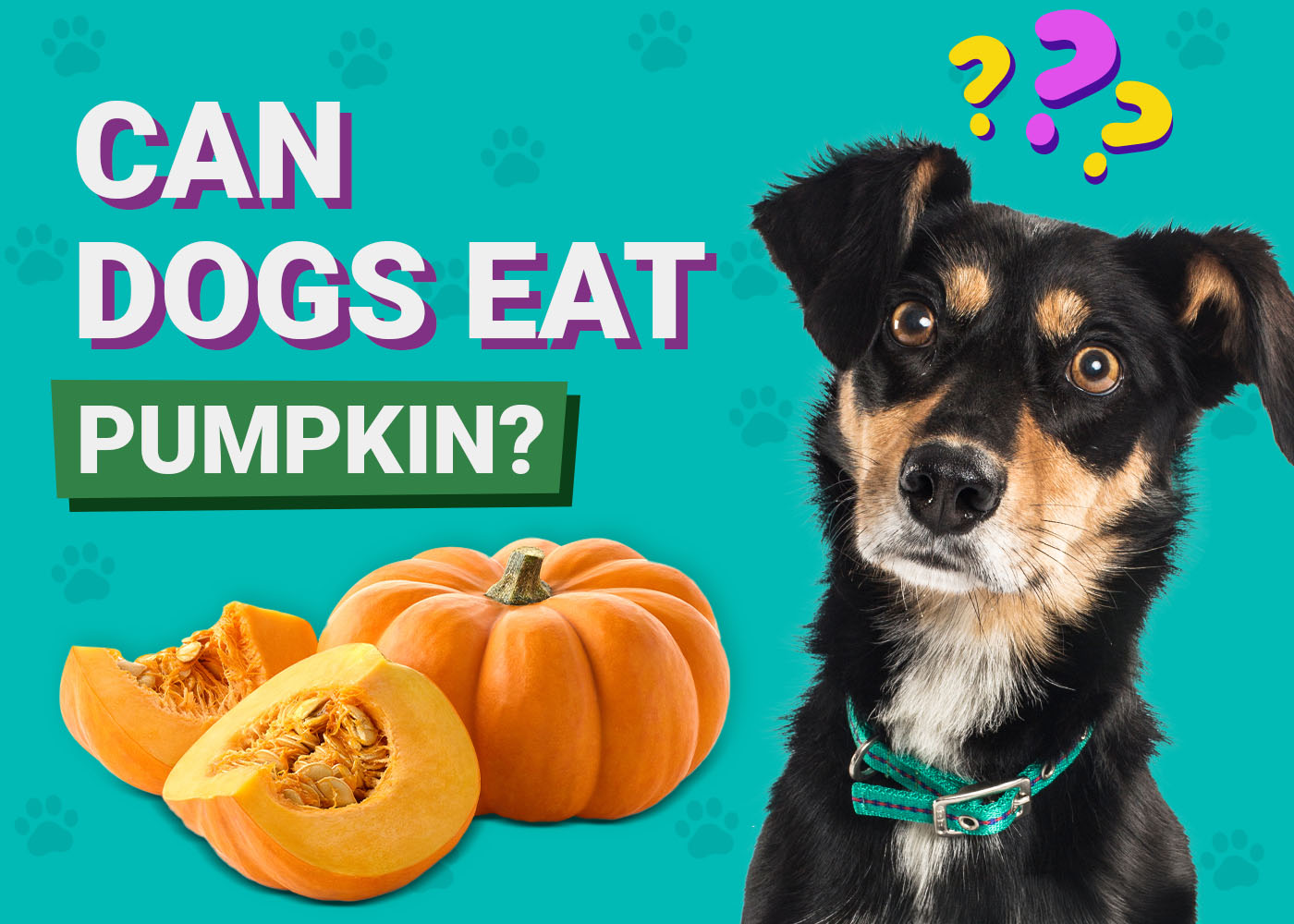
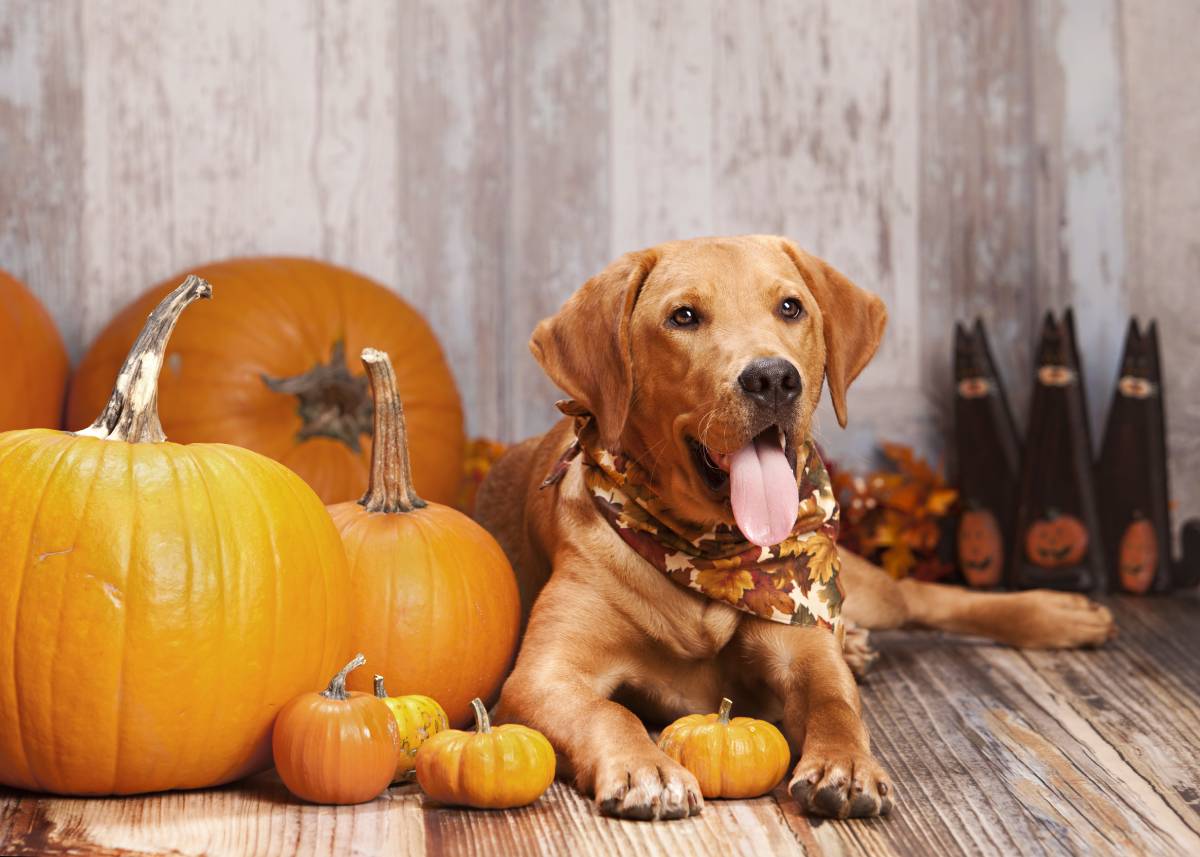
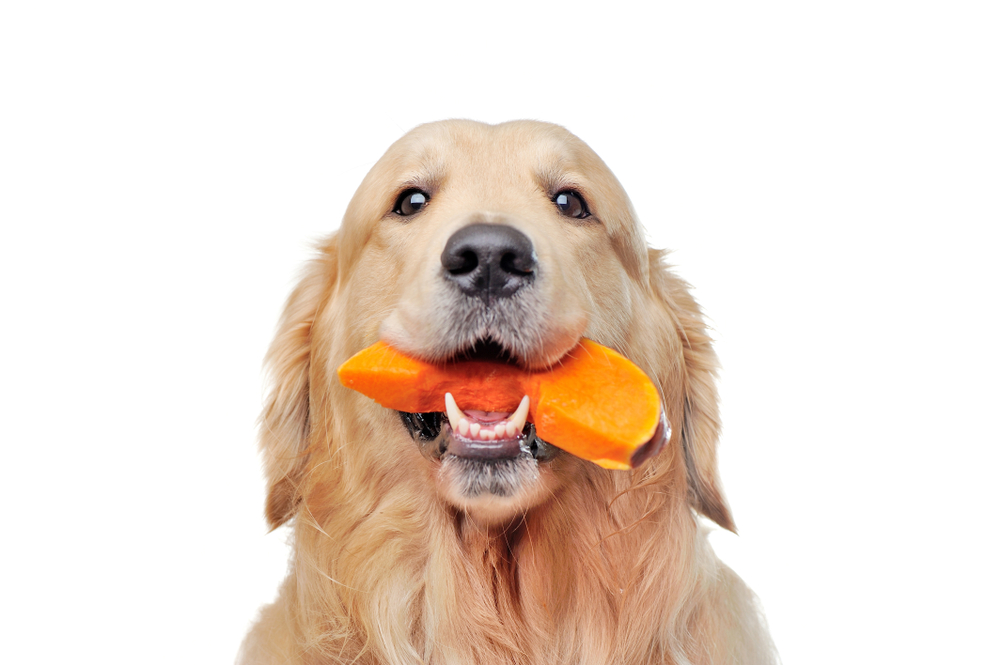
Carved into ghoulish jack-o’-lanterns for Halloween or baked into a delicious Thanksgiving pie, pumpkins have myriad uses, both decorative and delicious, and unlike many festive foods, they’re also something our dogs can enjoy.
Pumpkins Deserve More Recognition
A member of the gourd family (Cucurbitaceae), the pumpkin is a cultivated squash, technically a fruit, with both savory and sweet culinary applications. While some countries wouldn’t dare serve a roast dinner without a generous helping beside their potatoes, in the US, the nutritious pumpkin is usually relegated to seasonal decorations or the key ingredient in the eponymous pie.

There are more than 100 varieties of pumpkin with slightly different textures, flavors, and recipe applications. What they all have in common is that they are low in calories, high in antioxidants, rich in vitamins & minerals, and, when prepared correctly, safe for dogs to eat.
Not just safe, but beneficial.
The Power of Pumpkin
Compared with the potato, a vegetable commonly used in both human and canine recipes, the pumpkin is higher in fiber, much lower in carbohydrates, and is far more digestible. It is often included in diets for cats and dogs with digestive problems due to its beneficial impact on intestinal health and function.
Even the seeds of certain pumpkin varieties, when properly prepared, have been found to help eliminate intestinal parasites.1
And the cherry atop this pumpkin pie? Most dogs find the taste of pumpkin irresistible.

Dogs Are Not Dustbins
Though there are certainly some dogs that challenge this notion, we shouldn’t use our dogs as an eco-friendly alternative waste disposal unit. While the occasional table scrap – provided the food is safe for dogs – is unlikely to cause any major catastrophes, offloading ex-display jack-o’-lanterns and leftover pie is not a good idea.
Yes, pumpkin is a safe and healthy food we can share with dogs, but there are some dos, don’ts, and precautions to be aware of.
- Feed pumpkin in moderation – it’s a healthy addition, not a complete meal.
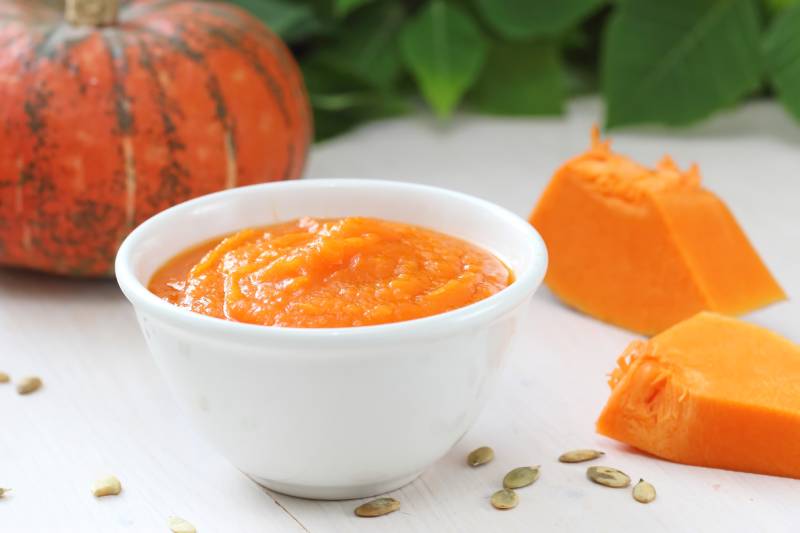
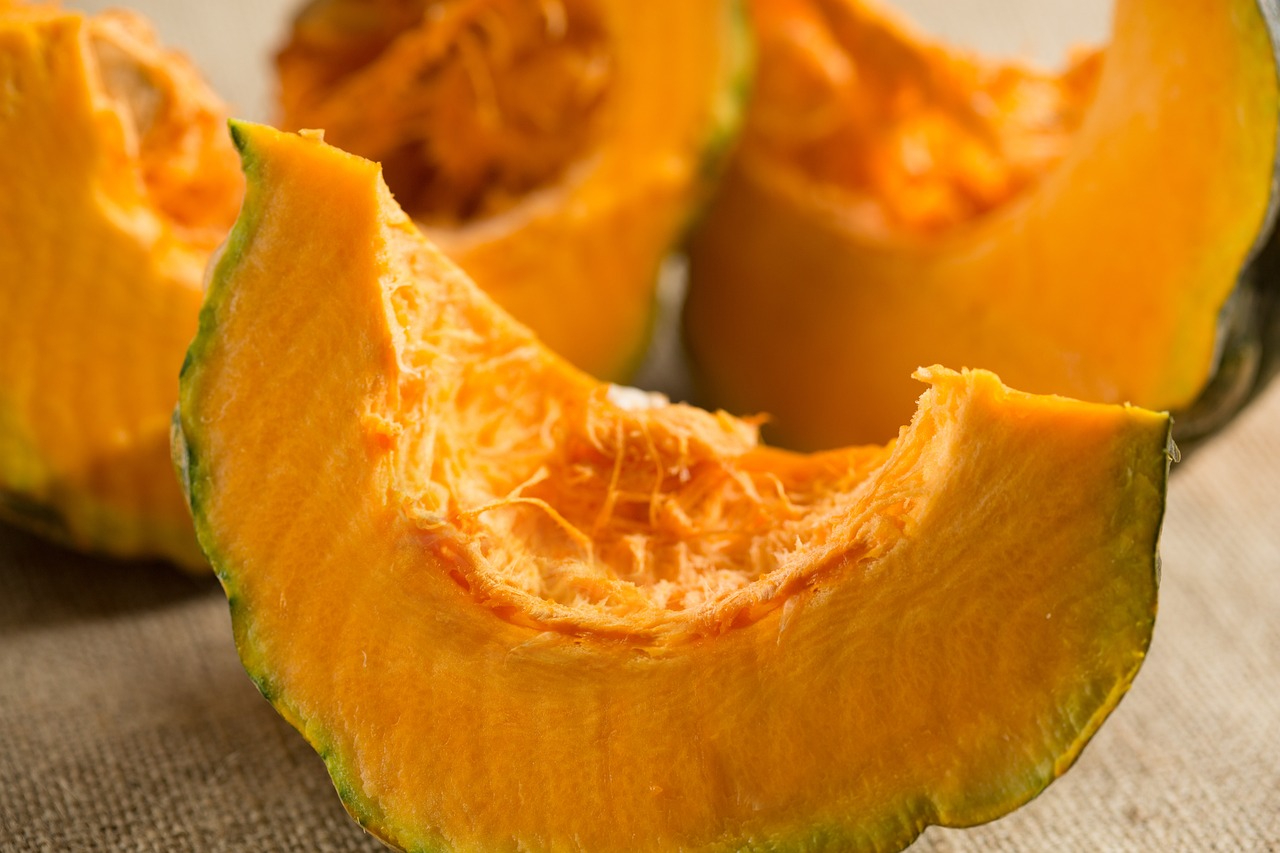
- Offer bite-sized pieces of plain, gently cooked/boiled pumpkin.
- Raw pumpkin is not toxic, but it could cause choking, stomach pain, or intestinal obstruction.
- Pumpkin seeds are high in fat, so only offer a small amount – treat them like a treat.
- Pumpkin skin is tough and difficult to digest, so remove it before feeding the flesh to dogs.
- Fresh pumpkin is best; canned pumpkin is fine provided there are no additives.
- Pumpkin pie is packed with sugar, spices, pastry, and cream – this is NOT a safe or healthy way to add pumpkin to a dog’s diet.
- Don’t offer mouldy old pumpkin that’s been sitting out on display for months. If you wouldn’t eat it, don’t feed it to the dog.
Normalize Pumpkin
Pumpkin is a delicious, healthy, and nutritious food that deserves to be seen as more than just a Halloween decoration or pie ingredient. Dogs love the taste, and their digestive systems will thank you.
Featured Image Credit: Kasefoto, Shutterstock
Did You Know?
- Our brand-new posts are rounded up and included in our weekly emails. Don't miss out on the latest - sign up for our newsletter below!
Expert dog care, straight to your inbox
Vet-reviewed advice, training tips, and the best of Dogster. Free, and you can unsubscribe anytime.
By signing up, you agree to our Terms & Conditions and Privacy & Cookies Policy.
Dr. Karyn Kanowski, BVSc MRCVS (Vet)
Dr. Karyn is originally from Queensland, Australia, and has resided in the UK for the past 10 years. She graduated from The University of Queensland School of Veterinary Science in 2010, and also holds a Bachelor’s degree in Zoology. Karyn is passionate about using experience, evidence, and working with pet owners to provide the best solutions for pets. She also believes in making reliable information about animal health accessible to everyone. 5 cats and 4 dogs let her share their home with her and her husband, and when she is not practising as a veterinary surgeon, she spends her time writing, gardening, and cleaning up pet hair!
Join the conversation
Ask a question, share your story, or send private feedback.