How to Train Your Dog to Ignore Other Dogs: 15 Vet-Approved Tips


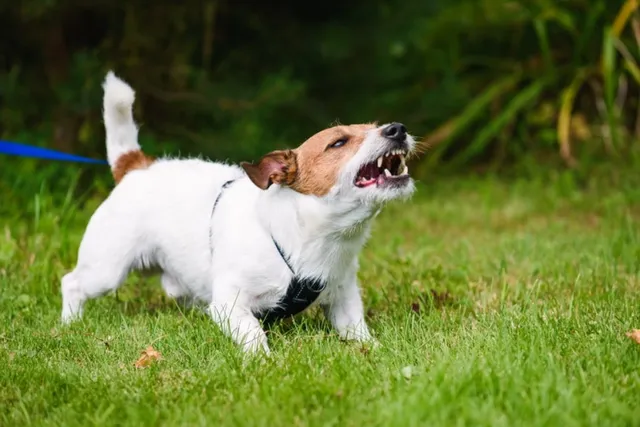
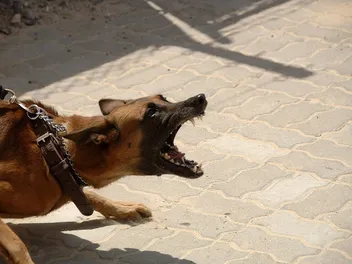
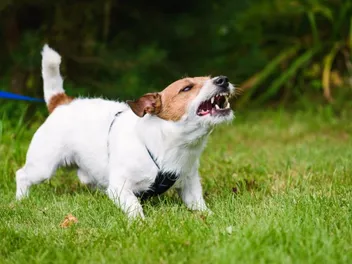
Dogs are naturally social creatures, and in many cases, they love to meet, greet, and make friends with fellow canines, but this isn’t always the case. Many dogs are anxious, nervous, or reactive when they encounter other dogs, which can turn your daily walk into a nightmare. Whilst it’s great when dogs can safely socialize, it’s even more important that you be able to control their reactions and interactions, and one of the most important things you can do to keep your dog safe is to train them to ignore other dogs.
There are a few different ways to do this, so you should be able to find a method that works for you and your dog. The most important thing is to be consistent with your training and always provide positive reinforcement. Training your dog to ignore other dogs can be a valuable skill if you live in an area where there are a lot of other dogs.
When you have control over your dog’s reactions, you can reduce the risk of conflict. Here are some tips and tricks to help your dog be calm and safe.


The 15 Tips to Train Your Dog to Ignore Other Dogs
Preparation is key when it comes to training, so make sure you have everything you’ll need, including treats, a clicker (or similar), and a leash. Make sure to choose a quiet, distraction-free area in which to train. Although the aim is to teach your dog to ignore other dogs, we need to start without any other dogs present. The ultimate goal is to have a predictable, strong, and consistent command or cue in place that your dog understands and follows without hesitation.
1. Redirect and Reward With Treats
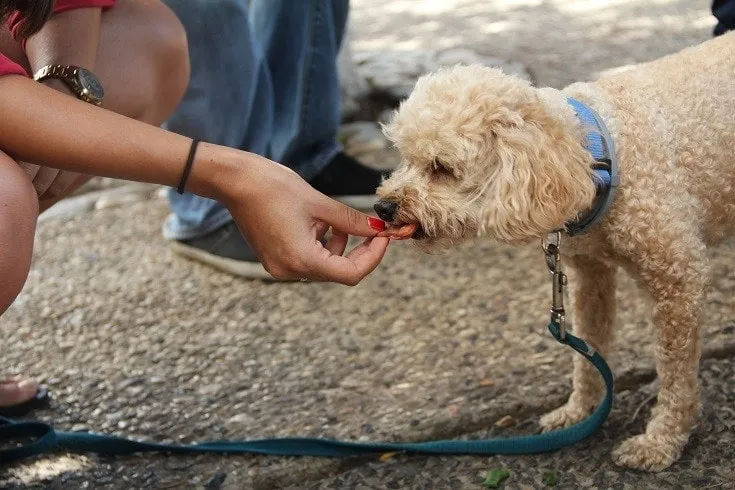
One way to train your dog to ignore other dogs is to redirect their attention using treats.
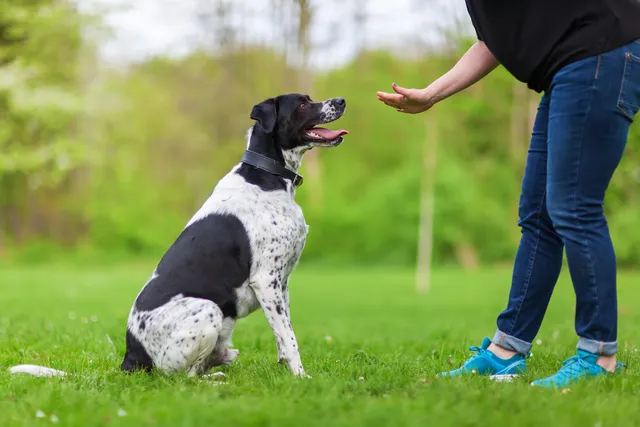
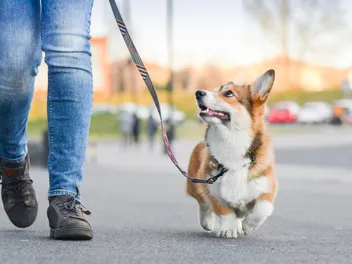
This is simply an extension of teaching your dog to respond to their name, by rewarding your dog with something tasty when they give you their full attention. It creates a strong, positive association with their name and teaches them to come to you when they hear it. Start by giving them a treat when they look at you, then alternating the treats with petting or praise so they don’t expect food every time. Build their focus by waiting longer and longer to reward them. You may also want to add a second command, such as ‘wait,’ so they understand that you expect them to keep their attention locked on you, then release them with a hand gesture or the word ‘okay.
HOT TIP:

2. Remove Distractions
If your dog is reactive or aggressive around other dogs, the best place to start is indoors or well away from distractions and other dogs so they can focus on you and their training. Once you are confident that they respond to commands without hesitation, 100% of the time, you can begin to slowly test them.
3. Phone a Friend
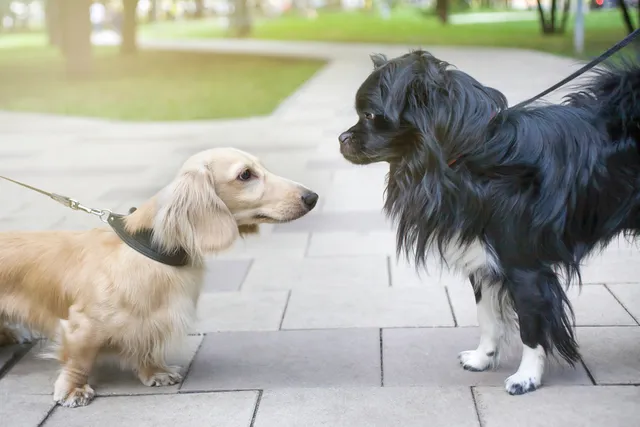
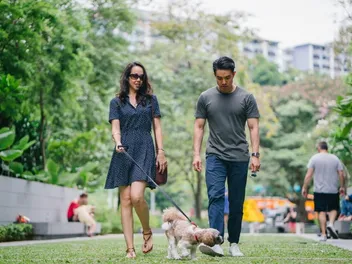
Call in some favors with friends or family, preferably someone with a calm dog of their own. With your dog on a leash, get their focus with their name and reward, and have the other person calmly walk past with their dog. If your dog reacts, maintain good control with the leash, but otherwise ignore them.
Repeat until your dog keeps their focus on you the whole time, and reward them enthusiastically when this happens.
Eventually, the aim is to have the other dog move slower and slower, and eventually stop; however, this may take multiple attempts and lots of patience.

4. Have Patience
When you are trying to deprogram an instinctive reaction from your dog, it will not happen quickly. If you feel frustrated, angry, or impatient, it’s best to stop what you’re doing and try again another day. This will often be a lengthy process, so patience and persistence are essential for success.
5. Make Your First Outing a Calm One
When you take your dog out for the first time, it is important to have a calm outing. This means that you should avoid exciting activities like playing fetch or going to a busy park. Instead, try to keep things low-key by walking around your neighborhood or taking a leisurely stroll through a park. As your dog becomes more comfortable with other dogs, you can slowly increase the level of excitement.

6. Don’t Worry About Everyone Else
Something that owners of reactive dogs sometimes find difficult is the embarrassment they feel when trying to train their dogs in public. Eventually, you will need to take your training out on the road, and you can’t let your fear of judgment from others put you off. Pop on some dark sunglasses if it helps you feel less visible, and just get on with what you need to do. After all, it’s about you and your dog, and that’s no one else’s business.
7. Turn Around
Although the eventual aim is to be able to walk past other dogs without a reaction, you must first teach your dog that seeing another dog does not mean there will be an interaction. When you spot another dog, change course immediately so your dog never gets a chance to react. Over time, this teaches them that dogs are boring, not exciting.
8. React Immediately
When training your dog to ignore other dogs, it is important to respond early and react quickly while the strange dog is still at a distance. This allows you to take control before your dog becomes excited. Wait for your dog to see another dog at a distance, but don't wait for them to react. As soon as your dog lifts their head and looks at the other dog, call their name, move in the opposite direction, and reward them with treats until the other dog has gone.
9. Visit Slightly Busier Areas
To train your dog to ignore other dogs, you will gradually need to take them to slightly busier areas. This will help them become used to other dogs' sights and sounds without becoming too excited. Once your dog is comfortable in these areas, you can begin to work on training them to ignore other dogs. You will need to provide a lot of positive reinforcement when they successfully ignore another dog and continue to take them to busier areas until they are completely comfortable.

10. Repetition Is Key
In order to train your dog to ignore other dogs, you will need to remember that repetition is key. You will need to keep repeating the scenario until your dog consistently responds with the desired behavior. In order to achieve this, you will also need to show your dog that there are no exceptions, as dogs are smarter than we often give them credit for. Dogs learn best when they are able to practice new behaviors consistently.
You will need to be patient and consistent as you work with your dog to get them to ignore other dogs. It may take some time, but eventually, your dog will learn that looking at or interacting with other dogs is not something that is rewarded, and will begin to ignore them.
11. Keep It Simple
In order to train your dog to ignore other dogs, you should avoid challenging your dog with too many changes. Dogs are creatures of habit and thrive on routine, and if you try introducing too many new rules or experiences at once, you are likely to cause stress, overstimulation, and this will inevitably lead to failure. Until you can comfortably take your dog out without them reacting to other dogs, you should keep their environment as stable and consistent as possible.

12. Don’t Anticipate the Worst
It's important not to tense up or show your dog that you're anxious, as this will only increase their anxiety and make them more likely to react. Instead, try to stay relaxed and positive, even if another dog comes close. If your dog does start to react, calmly correct them without shouting or getting angry, and then resume walking as if nothing happened.
13. Try Muzzle Training
If you are worried that your dog could possibly bite another dog, your dog will pick up on this feeling, resulting in heightened anxiety and reactivity. Ignore the negative connotations of using a muzzle, and find one that is comfortable for your dog and teach them to love wearing it around the home. That way, you can pop it on when you’re going out for a walk, and they won’t think anything of it.
By physically removing the possibility of a bite, you will feel more relaxed and confident, and so will your dog.

14. Gradually Wean Them Off Treats
The gradual weaning off of treats is an important process when training a dog. It allows them to focus on the commands being given rather than the expectation of a treat. This can be done by slowly reducing the number of treats given for each task and eventually only providing a treat as a reward for the perfect execution of the command.
This helps the dog to understand that good behavior is its own reward and that it does not need a tangible incentive to obey.
15. Don’t Force It
Obviously, we would all like to be able to take our dogs to different places without it becoming a source of stress, and successfully teaching them to ignore other dogs is going to be key to that outcome. However, there will be certain dogs that struggle to master this, with their reactive instincts too powerful to overcome.
While patience, persistence, repetition, consistency, and positive reinforcement are successful in most cases, if the road is too stressful for you and your dog, you may need to reconsider the destination. Not every dog is built for socialization, and not every dog wants canine companions. If you are really struggling with this journey, don’t hesitate to reach out to a professional dog trainer or behaviorist, or you can always talk things out with your vet.
Conclusion
Training your dog to ignore other dogs on walks is a process that takes patience and time, but it is well worth the effort. Dogs that are properly trained will be able to walk calmly around other dogs without getting too excited or agitated, making your outdoor adventures much more enjoyable for both you and your dog.
Featured Image Credit: Rolf Klebsattel, Shutterstock
Expert dog care, straight to your inbox
News, insights, expert advice, and everything dog.

No spam — unsubscribe anytime.
By signing up, you agree to our Terms & Conditions and Privacy & Cookies Policy.
How useful was this post?
Click a star to rate. You can leave written feedback afterwards. (We read all feedback.)
Nicole has loved animals of all sizes her whole life so it's no wonder she has dedicated her career to helping them through what she loves best: learning, writing, and sharing knowledge with others. She’s the proud mom of two dogs, a cat, and a human. With a degree in Education and 15+ years of writing experience, Nicole wants to help pet parents and pets around the planet to live happy, safe, and healthy lives.