How to Stop Redirected Aggression in Dogs: Vet-Verified Tips & FAQ

In this article
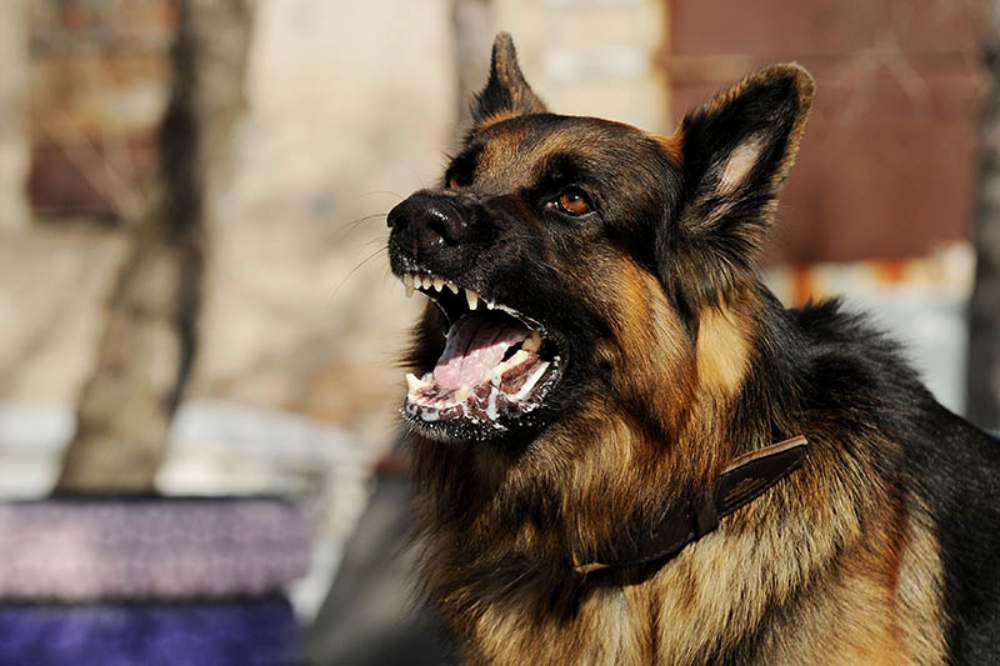
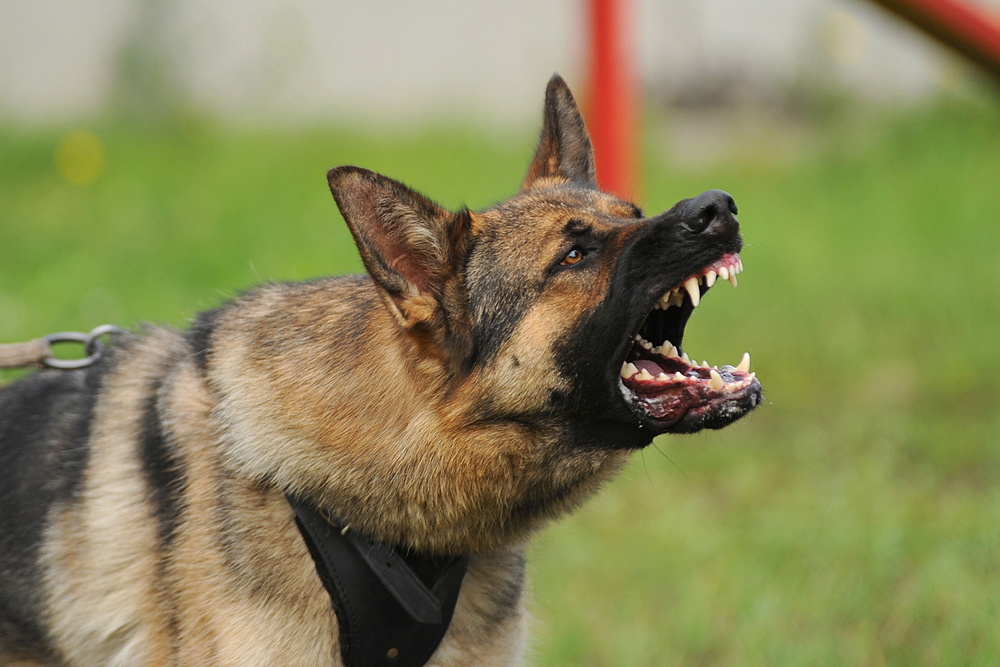
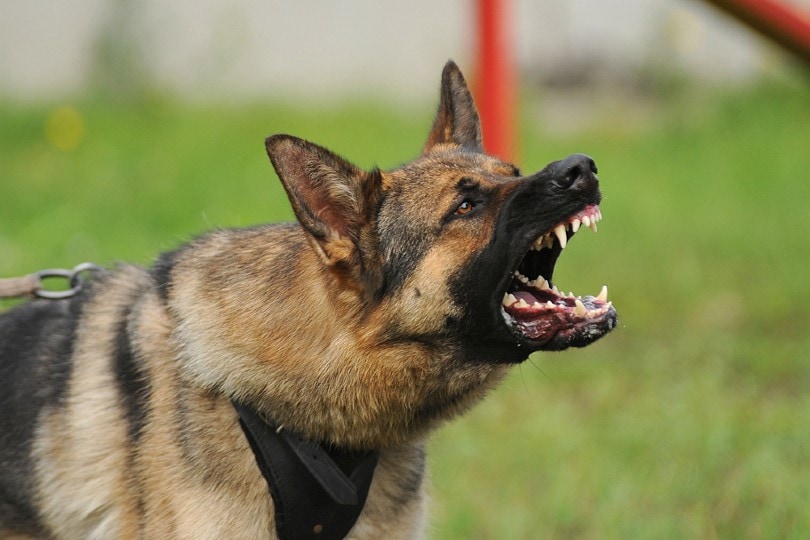
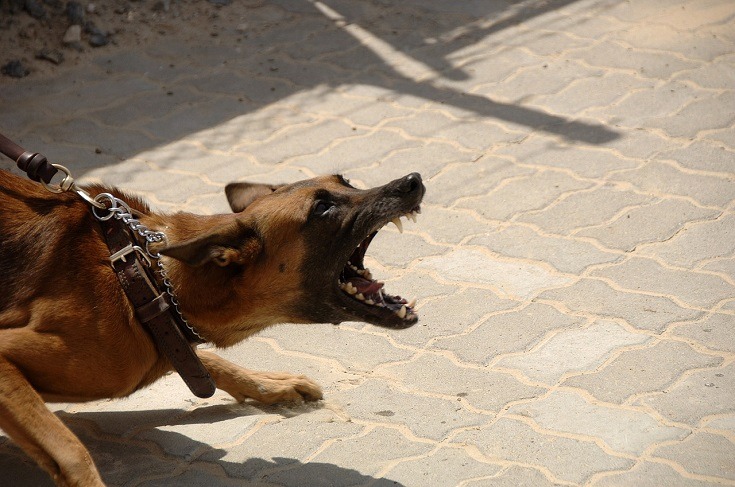
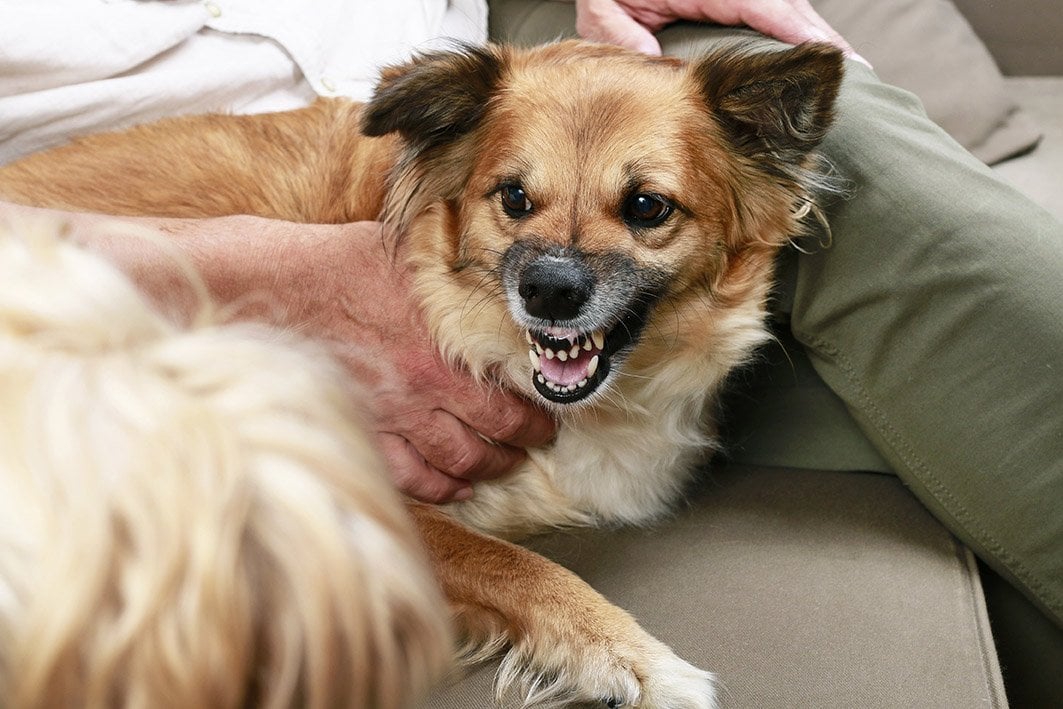
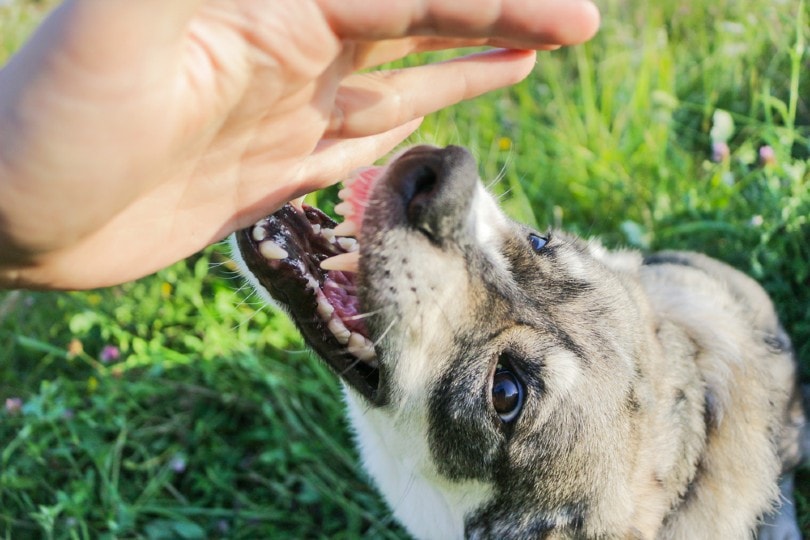
Any form of aggression in your dog can be terrifying. In just a few seconds, your lovable, cuddly pup can turn into a blinding flash of teeth. If you don’t know how or why it happened, you’ll be powerless to stop it from happening again in the future.
One of the most common forms of aggression is actually called “redirected aggression,” and like any other form of aggression, it's undesired and potentially dangerous. Redirected aggression is the most common cause of owners getting injured by their own dogs, as opposed to being attacked by a strange animal, so it’s incredibly important that you familiarize yourself with it.
To find out what redirected aggression actually is—and how to stop it—read on.

What Is Redirected Aggression?
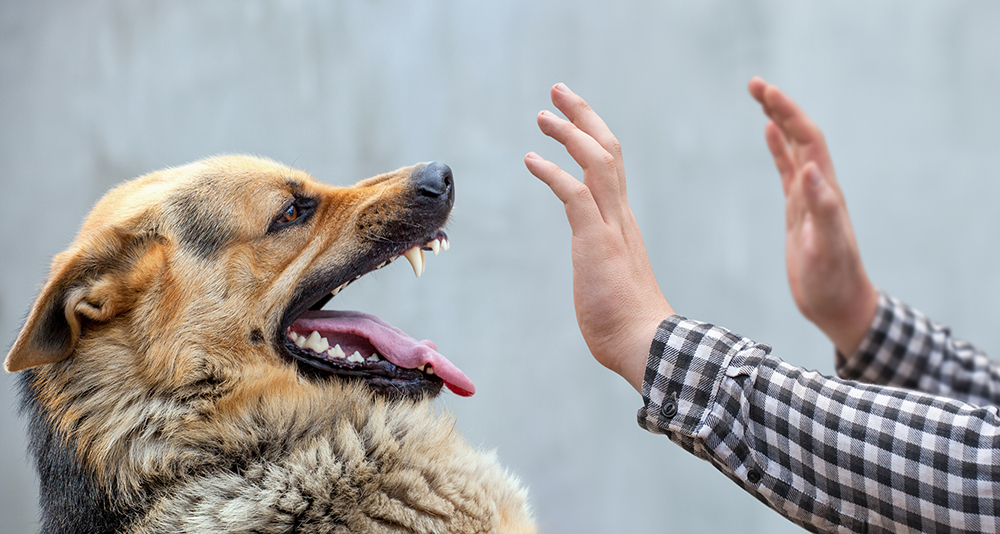
Redirected aggression occurs when a dog is acting aggressively or violently toward something (such as another dog) and a third party intervenes. This usually ends poorly for the third party, who is often just trying to play the role of peacemaker.
A common example is a person trying to break up a dogfight. While trying to pull the two dogs apart, the person could be bitten by one or both of them.
The dogs aren’t necessarily intending to attack the person, and this may not make them untrustworthy around people. However, in their frenzy and fury, they’ll chomp on anything that gets in their way, including your arm, leg, or any other body part.

What Causes Redirected Aggression?
Redirected aggression really isn’t a separate form of aggression. Aggression is named and categorized according to its triggers, and the characteristic of redirected aggression is that it doesn’t get focused on its intended target. At its most basic level, it’s caused by arousal (not always that kind of arousal). It can occur if something interferes with a dog while they’re being aggressive, but that’s not the only thing that can cause it.
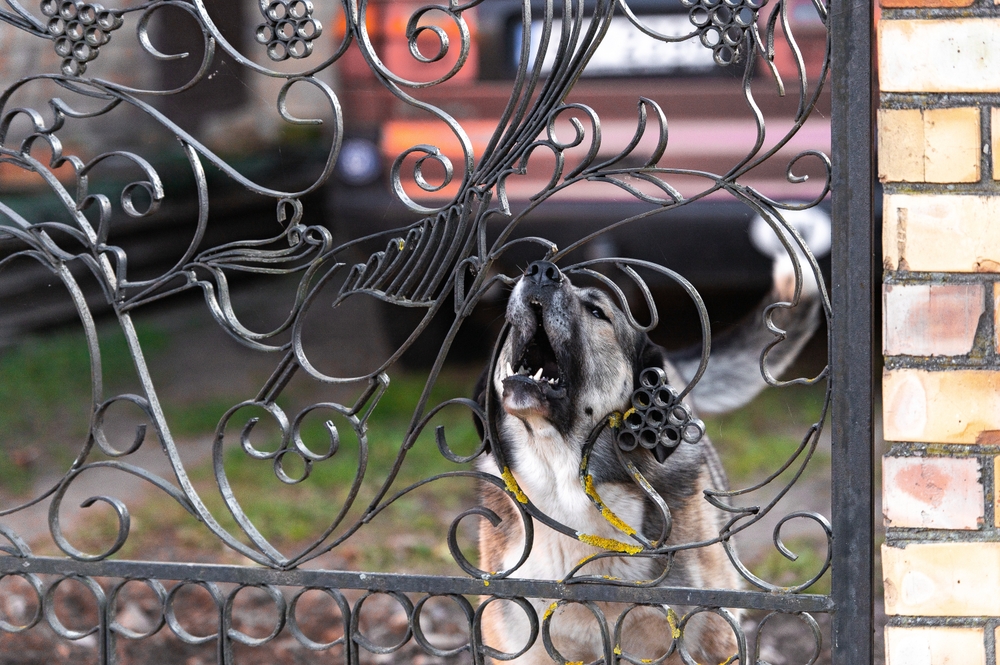
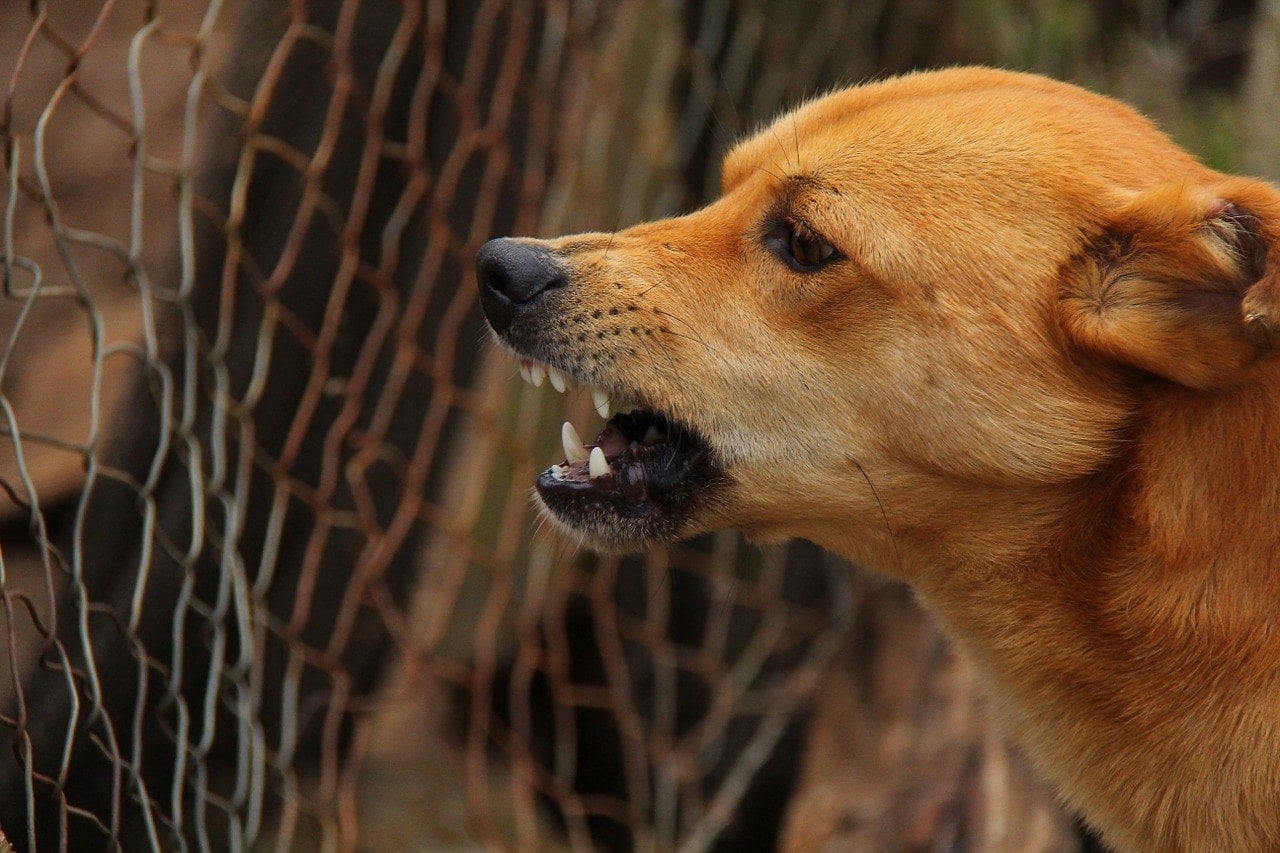
Redirected aggression can happen when the dog is physically incapable of attacking their intended target. For example, if two dogs are behind a fence and both want to attack a cat on the other side, one dog may turn that aggression on the other.
They’re not mad at the other dog, but since they don’t have another outlet for their rage, their canine companion will have to suffer. These attacks could just be hard nips or they could be full-on violent assaults—or the dog could cycle between both options with little predictability.
Since redirected aggression is just thwarted aggression, you’ll need to treat it the same way that you’d deal with regular aggression. It doesn’t require any specialized training or treatment, however, it is always best to consult a veterinarian if you need advice.
What Dogs Are Most Likely to Experience Redirected Aggression?
Redirected aggression is an inclusive condition, as it can affect all breeds, sexes, and ages of dogs. No dog is necessarily safe from it, although not every pup will be as likely to lash out.
Some individual dogs are more likely to experience redirected aggression than others, though. These dogs are considered to be “reactive.” It’s not just limited to dogs, either; cats are also notorious for their bouts of redirected aggression.
This reactivity isn’t just limited to violent aggression, though. Reactive dogs are much more likely to bark or want to chase things like cars or cats. By description, reactive dogs have exaggerated and out-of-proportion responses to common everyday situations. In other words, their emotions get easily disturbed.
While reactivity could result in redirected aggression, it is not the only possible cause. Redirected aggression can also be triggered by other causes of direct aggression; for example, fear or anxiety. To treat the reactivity, you’ll need to first understand and address the underlying causes.
Many owners reject the possibility that their dog could be afraid or anxious, as they view their dogs as intrinsically happy. But even happy dogs can experience disturbed emotions if placed in uncomfortable situations, so don’t assume their agreeableness will ward off danger.

How to Handle Redirected Aggression
Redirected aggression isn’t necessarily something that you need to worry about—you should worry about any aggression, period. The only way to stop aggression from being redirected to you is to avoid your dog while they’re being aggressive or to allow them to attack whatever it is they’re angry with (we don’t recommend this option).
That said, here are a few effective ways to nip aggression in the bud. After all, if you take away your dog’s aggression, there will be nothing to redirect.
An Ounce of Prevention
The best way to stop aggression is to never let it happen in the first place. There are several ways to do this.
The quickest way is to avoid any objects or situations that trigger arousal in your dog. If they don’t like the sight of other dogs, you might want to walk them at night or early in the morning, when you’re less likely to run into other pooches.
Aggression can be caused by an abundance of pent-up energy as well, so you may have success by sabotaging their fuel supply. An exhausted dog is less likely to want to attack something, so make sure your pup has plenty of vigorous exercise every day.
You can only avoid problematic situations for so long, however. Eventually, you’ll need to solve the problem, and the best long-term solution is to teach your dog new ways to react to triggering stimuli.
Many dogs benefit from learning and practicing the engagement-disengagement technique, which teaches them to take a moment before mindlessly reacting to triggering stimuli.
Teaching Your Dog New Behaviors
At its root, your dog’s problem is that they’ve learned to react to a certain stimulus in a certain way. That could mean that they’ve learned to run to the door when the bell rings and bark their heads off, for example, or even that they’ve learned to lunge at the end of their leash in an attempt to attack any dog they see.
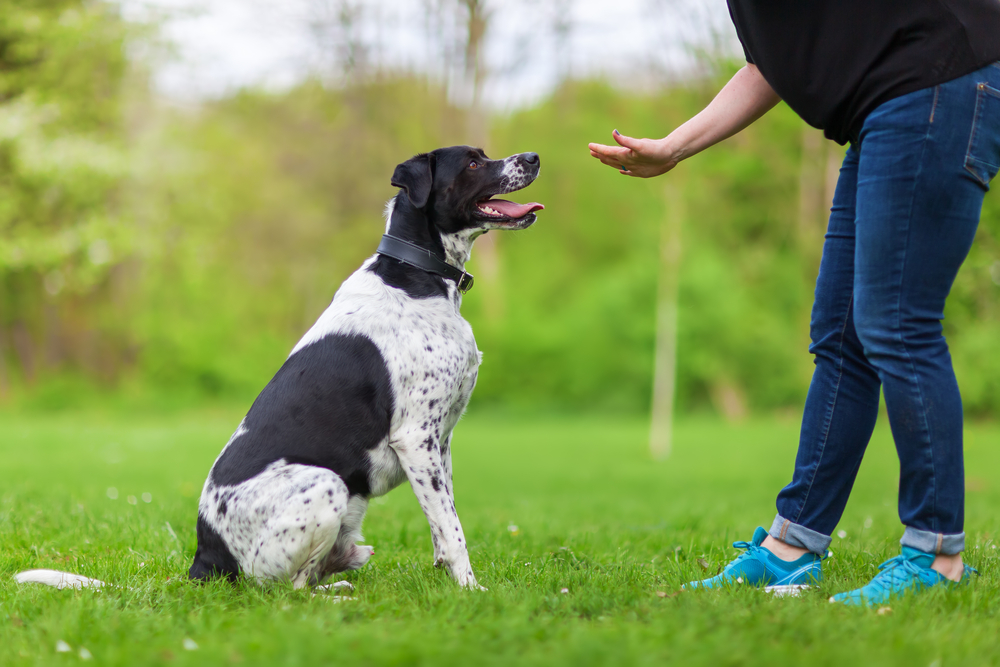
Your job, then, is to teach them new ways to respond to these situations. In the doorbell example, you could teach them to run to a different room and wait calmly for a treat.
This will take time and a great deal of effort on your part, and you may want to hire a professional trainer to help. With hard work and dedication, though, you may eventually be able to teach your dog not to react to the thing that triggers them.
However, even if you make a ton of headway with this technique, you’ll still want to avoid putting your dog in difficult situations. You may be able to stop them from trying to go after every dog that you encounter on a walk, but you should still try to avoid other dogs as much as you can, while simultaneously teaching your dog some social skills in a controlled environment and with the help of professionals.
There’s no sense in testing your pup’s patience, especially when you can not predict how the other dogs will react. Trainers choose calm and friendly dogs to teach other dogs that it is safe to socialize with other pups and that other dogs will not hurt them.

Medication
If your dog is extremely fearful or anxious or if you’re not having much success with behavior modification techniques, then it may be time to talk to your vet about putting your dog on anti-anxiety medication.
These medications work in much the same way that they do in people. You’ll have to give them to your dog every day, and over time, they can help deal with the brain chemicals that can cause anxious behavior.
You should understand, however, that if you start your dog off on certain anti-anxiety medication, you can never take them off of it cold turkey. Instead, you’ll have to ask your vet the best way to do it because stopping the medication too suddenly could cause even more aggression.

See Also: How Do Dogs Communicate With Each Other?
Deal With Redirected Aggression as Soon as Possible
Redirected aggression can be incredibly dangerous and unpredictable, so you should take swift, decisive action the first time that you encounter it. It can put your entire family (including your dog) in danger, so take it as seriously as you can. In the case of aggression, we do recommend consulting experienced professionals since they can teach you how to analyze and properly react to each situation so you can help your dog and prevent any accidents.
It may not be easy, but it is possible to solve the problem and have your lovable, trustworthy pooch back again, once and for all.
See also:
Featured Image Credit: Sergey Granev, Shutterstock
Expert dog care, straight to your inbox
Vet-reviewed advice, training tips, and the best of Dogster. Free, and you can unsubscribe anytime.
By signing up, you agree to our Terms & Conditions and Privacy & Cookies Policy.
Nicole has loved animals of all sizes her whole life so it's no wonder she has dedicated her career to helping them through what she loves best: learning, writing, and sharing knowledge with others. She’s the proud mom of two dogs, a cat, and a human. With a degree in Education and 15+ years of writing experience, Nicole wants to help pet parents and pets around the planet to live happy, safe, and healthy lives.
Join the conversation
Ask a question, share your story, or send private feedback.