How to Calm an Aggressive Dog: 8 Vet-Approved Tips & Considerations


In this article
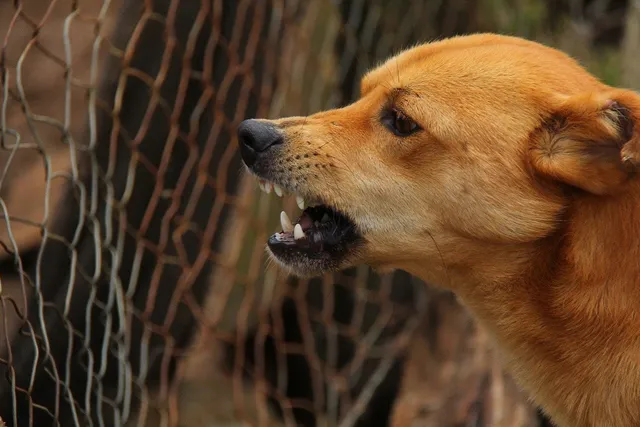
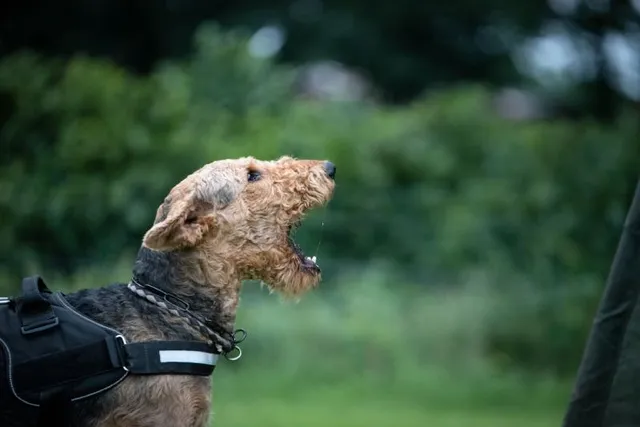
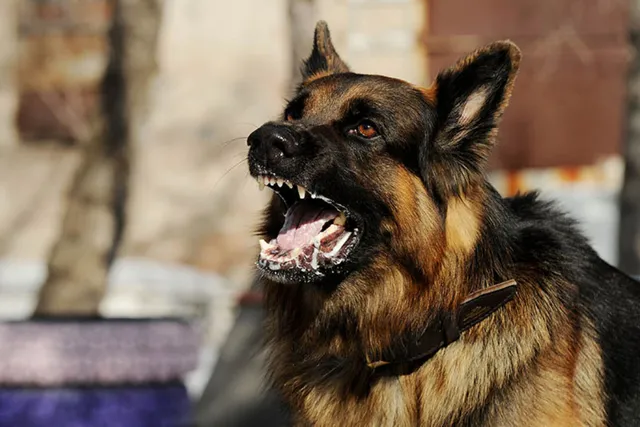
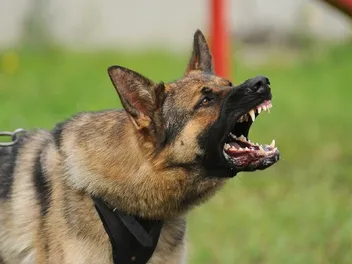
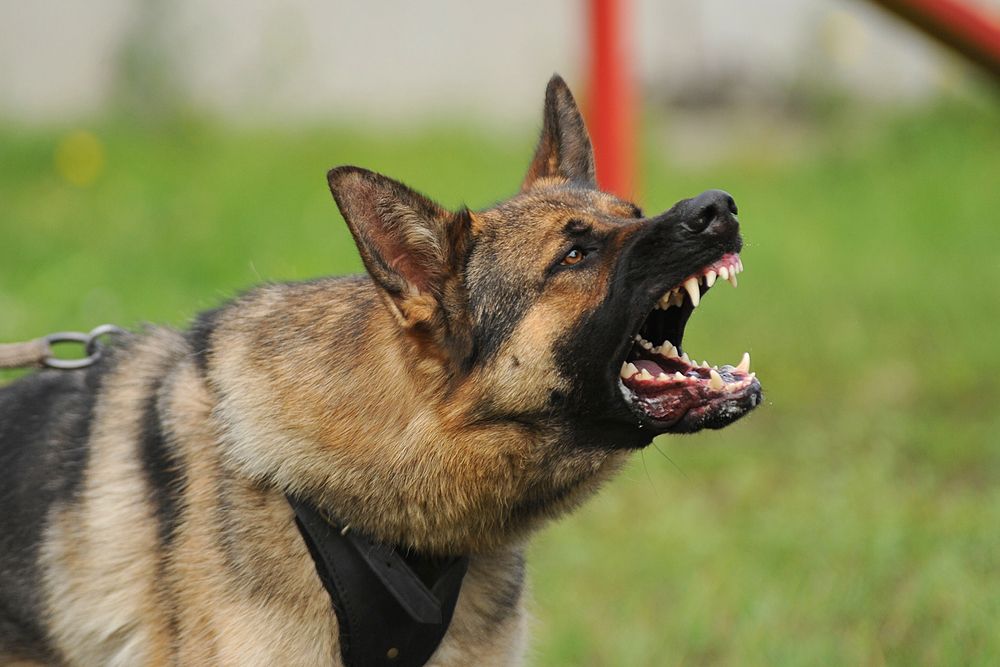
When it comes to our cherished pets, aggressive behavior can be disconcerting and, in some cases, dangerous. When our dog’s behavior changes, it’s usually caused by an underlying issue. Aggressive behavior must be taken seriously from the start, and action must be taken immediately to prevent it from worsening and potentially becoming dangerous.
In this article, we'll share eight tips on how to calm an aggressive dog and a list of the potential underlying issues that can cause aggressive behavior in canines.

Safety First
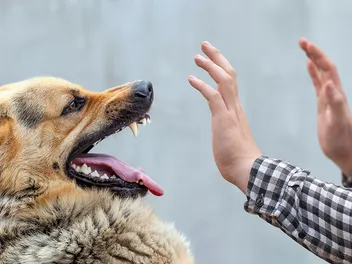
If your dog is displaying aggressive behavior and you are in an unsafe situation, you must move yourself and others out of harm's way. It is your responsibility to ensure that your dog is under control and safe at all times.
The 8 Tips on How to Calm an Aggressive Dog
1. Do a Vet Consultation
Whether your dog has suddenly begun displaying aggressive behavior or it’s been going on for a while, it’s a good idea to consult a veterinarian. They can perform a complete examination to rule out pain and discomfort caused by wounds or injuries. A vet will also look to rule out pain due to illness, such as joint disease or neurological disorders, which can cause aggression in dogs.
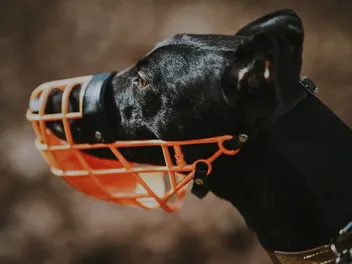
A vet should be able to provide your dog with the medication and treatment that they need, but they may have to put a muzzle on or even sedate your dog and perform further testing to make a diagnosis.
2. Get Professional Help
Training a dog can be hard work—if it weren’t, professional dog trainers wouldn’t exist! Aggression can quickly escalate, so it is recommended that after visiting your veterinarian, you should consider hiring an experienced dog behaviorist.
A professional can help you understand the underlying cause of your dog’s aggression and recognize the triggers and precursors to develop a successful plan to modify the behavior. In the meantime, your dog should be muzzled in public, and extra care should be taken to ensure everyone's safety. Be prepared to commit time, energy, and resources to helping your dog.
3. Be Prepared
Preparing for your dog's aggression can help you handle it. Take the time to devise a plan for how you will manage the situation the next time your dog behaves aggressively. Losing your temper, panicking, tensing, or raising your voice will have a negative impact.
If you display signs of fear, your dog will, too, which may prompt them to become more aggressive. Plan to have the dog wear a muzzle in public, avoid triggers, and have a safe area your dog can retreat to if they are feeling distressed, such as a crate or room.
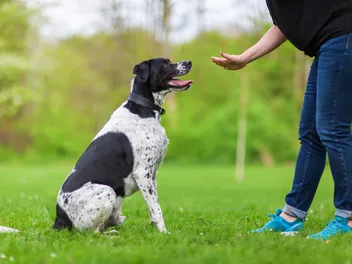
Remember to remain calm. Take a deep breath if necessary, and remind yourself and your dog that you are taking control of the situation. Use a firm but quiet and calm voice. If possible, remove them from the situation. Keep your body language relaxed to reassure your pet that all is fine and that there’s no need to feel threatened.

4. Provide Positive Reinforcement
As a part of your preparation plan, reinforce positive behavior by rewarding your dog in situations where they usually become aggressive. For example, if your dog becomes aggressive around strangers and one begins to approach you, stop at a distance (this should be far away enough from the stranger that your dog hasn’t started growling or displaying aggression) and reward them with treats and praise before calmly moving away.
If you continue with this conditioning, your dog will eventually associate strangers with treats and praise rather than seeing them as a threat. You can then work on reducing the distance or increasing the time.
5. Avoid Threatening Body Language

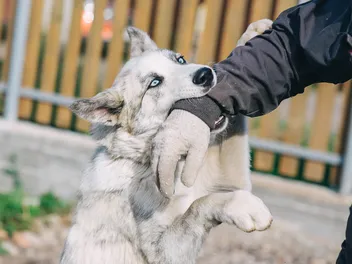
Our dogs pick up on our body language. If they begin to display aggressive behavior, it’s essential to use your body language positively to reinforce that you are calm and in control. Here’s a simple list of “do’s” and “don’ts” to help you.
6. Avoid Triggers and Less-Than-Ideal Circumstances
By watching your dog’s behavior closely, you should be able to identify triggers and circumstances that cause them to become aggressive. Avoiding those triggers can prevent your dog from displaying aggressive behavior. For example, if your dog becomes aggressive in loud or busy places, avoid putting them in those environments.
Sometimes, it’s a matter of evaluating whether your dog is suited to the environment. For example, if you have kids and your dog becomes aggressive around children and they’re still displaying aggressive behavior after professional help, it may be best for your dog’s well-being (and your family’s) to have them rehomed to someone without children.
7. Try Calming Supplements
There are several dog-calming bites and supplements are available. These treats are designed to lower your pet’s anxiety levels, and it usually takes 30 minutes or so for them to feel calmer.
So, timing is crucial for calming treats to work as part of your strategy to stop your dog’s aggressive behavior. You should give these supplements to your dog at least 30 minutes before meeting a trigger or environment that may cause aggression—for example, before going on a walk. Some supplements take a week or so to work, so check the packet for instructions.

8. Socialize Your Dog
Dog socialization is the process of getting your dog comfortable with (or desensitizing them to) people, other animals, unfamiliar surroundings, and circumstances. The idea is that helping your dog learn more about the world will help them gain confidence because they will have less to fear.
It’s best to socialize dogs when they are still puppies. There is a crucial socialization window between 3 and 20 weeks, but older dogs can learn, too. The main thing to remember is that, like any process, socializing takes time. Don’t expect too much from your dog at once, and make sure you give them lots of praise and treats! Also, be careful not to cross your dog's threshold level of comfort. If they can only tolerate strangers at a distance of 50 yards initially, stick to that and don’t get up close and personal.
Causes of Aggression in Dogs
Dogs aren’t normally aggressive, so if they are behaving aggressively, it could be due to one of these underlying issues:
- Fear — Your dog fears something, someone, or unfamiliar circumstances.
- Medical/pain — Your dog is suffering from pain or a medical condition that needs investigation, care, and treatment.
- Protective — Your dog is protecting a family member against what they perceive as a possible threat.
- Possessive — Possessive aggression is when your dog guards food, toys, or other objects; this behavior is also known as resource guarding.
- Social — Due to a lack of socialization, a dog will become aggressive upon meeting other animals or humans.
Warning Signs Leading Up to Aggression

If you watch your pet closely, you’ll be able to recognize some of their precursors, or the body language that they exhibit just before they become outwardly aggressive. It’s important to be able to identify these because it will help you intervene and diffuse the situation quickly before it escalates.
Bear in mind that the following signals could indicate anxiety in your dog, so it’s important to consider the context.
Body Language Signals in Ascending Order of Threat:
Final Thoughts
Several issues could be causing your dog to behave aggressively, but whatever the reason, you must take action immediately. Knowing what to do with an aggressive dog is vital, as they can quickly become dangerous without the proper care, handling, and help.
Aggression is a serious problem, so you should consult your vet to rule out any medical issues and look for an experienced behaviorist to help you determine the root cause of your dog’s aggression. You will need to log the circumstances of each aggressive outburst, learn to recognize triggers and precursors, and make a plan to improve your dog’s behavior and prevent incidents.
See Also:
Featured Image Credit: Victoria Antonova, Shutterstock
Expert dog care, straight to your inbox
News, insights, expert advice, and everything dog.

No spam — unsubscribe anytime.
By signing up, you agree to our Terms & Conditions and Privacy & Cookies Policy.
How useful was this post?
Click a star to rate. You can leave written feedback afterwards. (We read all feedback.)
Cheryl is a freelance content and copywriter from the United Kingdom. Her interests include hiking and amateur astronomy, and she enjoys the finer aspects of life, such as drinking coffee and snuggling with her cat.
Cheryl has a background in both gardening and photography and now is happy spending her free time writing for pet blogs like Dogster!