How Long Can a Dog Go Without Food? Vet-Verified Facts & FAQ


In this article
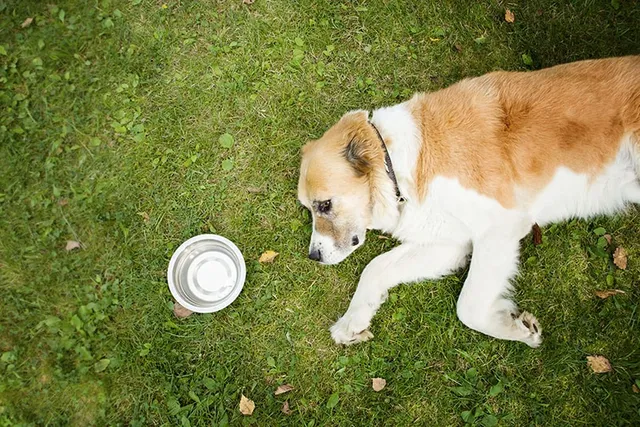
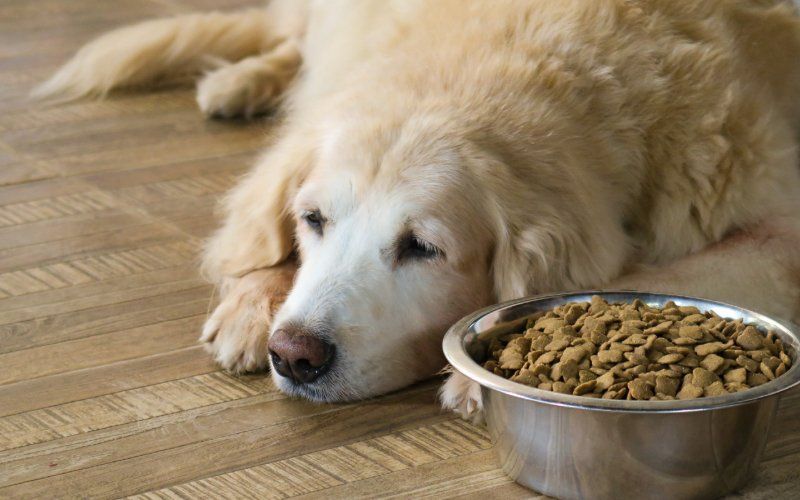
If your dog hasn't been eating well, it's normal to be concerned, and if it's been a while since your companion seemed interested in food, you might be worried about how long it's safe for a dog to go without eating. While your canine buddy won't die of starvation immediately if they skip a few meals, it's best to take your dog to the veterinarian for a check-up if more than 48 hours pass without them eating a solid meal.
While there's no hard and fast rule when it comes to precisely how long dogs can go without food, it's possible for some (in extreme circumstances) to survive without eating for up to 5 days or so. Cats are different from dogs in this respect, and it's an absolute medical emergency if your cat doesn't eat for 24–36 hours. Check in with your veterinarian if your feline buddy hasn't taken a bite in 24 hours.)

Why Is My Dog Not Eating?
There are several possible explanations for why your dog is either not eating or consuming less than normal. Some of the most common issues causing appetite loss include dental problems and an upset stomach. Tummy issues are most often caused by eating something that doesn't agree with your pup. Highly processed, sugary, or very oily human food is a common culprit. So, restricting your dog's access to unhealthy human foods will keep your four-footed friend healthy and limit the chances your pet will have stomach issues. Dogs suffering from an upset stomach often have other symptoms of gastrointestinal distress, such as vomiting and diarrhea.
An infection can also reduce your dog's desire to eat.. Lack of appetite is often an early indication of an underlying health issue. So keep an eye on your pup's eating habits and get in touch with your veterinarian if your dog doesn't eat for a couple days.
If your pet is otherwise healthy, they might be refusing to eat because of stress or anxiety. Common triggers for stress-related eating issues include environmental changes such as moving. Other common stressors include storms, loud noises, boredom, and a lack of healthy stimulation. Homes with multiple pets sometimes have issues with "food bullying," where one animal actively blocks other pets from access to food.
Dogs are extremely sensitive creatures, so don't be surprised if your pup would rather not eat when suffering from stress caused by loud noises. Your pup's appetite should improve within a day of the stressor being removed. While aging dogs don't require as many calories to thrive as younger animals, refusal to eat often signifies a medical issue in older pets.
Food changes are another common culprit. If you decide to switch dog food, you might encounter reluctance on the part of your canine friend to eat the new kibble or wet food. Many pets, even those that aren't finicky eaters, will shy away from or even refuse to eat new food. Switching from one flavor to another within one brand tends to cause less trouble, but plan to slowly introduce new options if you're transitioning from one brand to another.
Does Dog Food Expire?
Yes. Dog food has a use-by date, just like perishable human products. Manufacturers usually print the use by or on the package. But just because the food's expiration date hasn't been reached doesn't mean that the food is still fresh enough to entice your pup to eat. Both dry and wet food have limited shelf lives. Store dry food in an airtight container to extend its freshness. Look for wet food serving sizes that will allow your pet to consume everything in the package in one or two meals.
What Can I Do to Get My Dog to Eat?
It depends on the cause! If your dog isn't eating because they ate something that didn't agree with their tummy, there's probably nothing you need to do. Your pup will start eating again once they feel better. You can always try getting their appetite jump-started by offering a dog-safe bone broth made without salt or spices and letting them eat bland foods such as plain boiled chicken with a little bit of white rice. But don't get in the habit of bribing your otherwise healthy dog to eat if they don't seem immediately interested in what you give them for breakfast or dinner. Dogs are smart, and before you know it, your pup will have you trained to "encourage" it to eat with multiple treats.
If a serious medical issue is causing the problem, there's not much you do until the cause is identified, which is why it's important to get your pet examined by a medical professional if they go more than a couple of days without eating.
If the issue appears to have been caused by a quick transition from one brand of dog food to another, you should be able to get your dog to start eating again by giving them something they actually want to eat. The best way to prevent this problem is to mix the new food with the kibble or wet food your dog currently eats and slowly reduce the amount of the old food while increasing the new food.

A Quick Note About Water
While many dogs can go for a few days without eating, not drinking is an entirely different story. Most dogs can go for around 24 hours without consuming water before becoming clinically dehydrated. Older animals and those feeling unwell will often begin showing signs of dehydration sooner than 24 hours. All creatures require access to clean, fresh, water, and there's no circumstance under which any pet should be left without something nice and thirst-quenching for more than 6 hours.
Sources
Featured Image Credit: Phuttharak, Shutterstock
Expert dog care, straight to your inbox
Vet-reviewed advice, training tips, and the best of Dogster. Free, and you can unsubscribe anytime.
By signing up, you agree to our Terms & Conditions and Privacy & Cookies Policy.
Lorre Luther is a writer from Rotterdam. A former lawyer from the United States, she moved to the Netherlands to follow her dreams and become a writer. Lorre enjoys traveling and reveling in the astonishing beauty of our world. She has a soft spot for animals and is firmly convinced that cats are smarter than humans.
Join the conversation
Ask a question, share your story, or send private feedback.