Dogster is reader-supported. When you buy via links on our site, we may earn a commission at no cost to you. Learn more.

Dog Nutrition

What to Do When Your Dog Won’t Eat: Possible Causes & Solutions (Vet Reviewed)

Brooke Billingsley
By Brooke Billingsley · Reviewed & fact-checked by Dr. Amanda CharlesVet Approved
Dr. Amanda Charles
Reviewed & Fact-Checked byDr. Amanda CharlesBVSc MRCVS (Veterinarian)
Dr. Amanda Charles, a 2002 graduate from Liverpool University, has built a prolific career in small animal medicine. She is passionate about providing pet owners with reliable and current information, enjoying the varied aspects of veterinary work. Outside the clinic, Amanda's life is filled with the energy of her two young sons, her spirited Cocker Spaniel, along with a spunky Ragdoll cat.View authorThe information is current and up-to-date in accordance with the latest veterinarian research. Learn more
Updated on July 10, 2026
Share
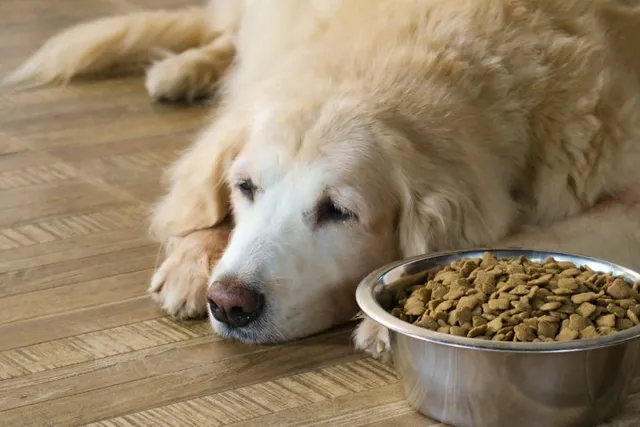
white dog refuses to eat his food in the bowl

It can be stressful if your dog suddenly stops eating, especially if they’re typically a big eater. There are a few reasons that some dogs stop eating, and sometimes, it can be difficult to identify the cause, so it’s always a good idea to take your dog to the vet if they stop eating. However, you should work to identify what might be the cause of their inappetence to start working toward a course of action to get your pup eating again.

divider dog paws 4 oct 2024

The 5 Potential Reasons Your Dog Won’t Eat

1. Illness

Image Credit: SeventyFour, Shutterstock

Illnesses are a very common reason that dogs may stop eating. There are many illnesses that may lead to poor appetite and anorexia, and these conditions range in severity. Illnesses can lead to pain, nausea, and general malaise, making food seem unappealing to your dog.

What to Do:

Since the types of illnesses that can lead to inappetence in dogs vary widely, it’s important to have your dog evaluated by a veterinarian. This will allow them to identify the cause of your dog’s inappetence and start a treatment plan. Appetite stimulants, anti-nausea medications, steroids, and other medications can be used to treat illnesses and increase appetite in sick dogs.


2. Oral Pain

Dental disease is a condition that impacts many dogs from all different breeds. Even with excellent dental care, some dogs are prone to developing dental disease. If your dog is experiencing dental disease, they may have receding and tender gums, loose, painful teeth, or tooth root abscesses.

Pain in the mouth from the signs of dental disease can lead to your dog refusing to eat, simply because eating is painful for them. Other types of oral pain, like tumors and injuries, can also cause your dog to not want to eat.

What to Do:

Your dog should be evaluated by their vet to determine the cause of their oral pain. In some cases, a dental cleaning or removal of painful teeth may fix the issue, but more complex issues, like abscesses and tumors, may require surgical interventions and medications. Make sure to talk to your vet about the best foods to offer to your dog during this time. Some types of oral pain can take days or weeks to heal, which may cause your dog to not eat for many days.


3. Nausea

Imge Credit: Roger costa morera, Shutterstock

Nausea can be a side effect of illnesses, but it can also be caused by things like car sickness, heat stress, and having an empty stomach. Anti-nausea medications from your veterinarian can help to manage nausea if needed while your dog recovers from the cause. In some cases, nausea may be a brief issue that goes away quickly. If your dog is refusing to eat and drink, though, then they need to be seen by a vet.

What to Do:

Bland, easy to digest foods can be used to help encourage a nauseated dog to eat. If your dog’s nausea seems to occur regularly, especially between meals, they may be nauseated from having an empty stomach. If this occurs, sometimes splitting their food into additional meals throughout the day may help manage this issue. However, if the nausea persists for more than a day, you need to get them checked out by a vet.


4. Stress

Dogs can experience stress when there are notable changes in their environment, like bringing home a new baby, moving to a new house, or introducing a new pet. They can also experience stress related to illness, boredom, and inappropriate training methods. If you suspect your dog is experiencing inappetence because of stress, the first step will be to start working to identify the cause of their stress.

What to Do:

The best thing to do is to identify the trigger and eliminate it if possible. If that doesn’t work, you may need to gradually introduce your dog to the said stressor and associate it with something positive or provide your dog with a feeling of safety and maintain a sense of routine during the adjustment period. It may be necessary to seek help from a veterinary behaviorist for advice on the best techniques for your dog.

However, like people, some dogs experience ongoing anxiety and may need prescription medications to manage it. If this is the case, you should speak to your vet about your options.

Get Free Dog Food Recall Alerts!

Stay on top of dog food recalls


5. Pickiness

Image Credit: Varvara Serebrova, Shutterstock

Many of us like to add tasty toppers to our dogs’ food, and in some cases, this may unintentionally cause your dog to be picky. Some dogs may even refuse to eat their food because they know that you’ll eventually give in and give them something extra tasty to entice them to eat.

Dogs are very smart and often find ways to “train” us to give them what they want. If you’ve ruled out other causes of inappetence in your dog and your vet has given them a clean bill of health, then you may need to make some changes to mealtimes for your dog.

What to Do:

Typically, it’s recommended to put your dog’s food down for between 10 and 30 minutes, then pick it back up. If they don’t eat in the allotted time, then they won’t get to eat until their next meal. A healthy dog won’t starve itself.

It can be difficult to see your dog hungry, but if your dog is simply being fussy, then finding ways to train them back into eating their regular meals is necessary for their health. You may also need to cut back on any treats and extras until your dog is back to a regular eating routine.

If you're concerned about your dog's health we suggest you speak to a vet.

How to Increase the Palatability of Your Dog’s Food

It may be necessary to increase the palatability of your dog’s food if they aren’t eating for a medical reason. Some vets recommend bland foods, like boiled chicken, lean ground beef, and rice to help with nausea and inappetence. You can also try adding low-sodium broth to your dog’s food. It's best to either make the broth yourself, free from salt or toxic ingredients like onions and garlic, or use a pet-specific broth product. If your dog is experiencing oral pain, allowing kibble to soak in broth or water can soften it, making it less uncomfortable to eat.

Heating up your dog’s food can increase the smell of the food, which also increases its palatability. However, it’s extremely easy to overheat your dog’s food, which can cause burns in the mouth, so make sure to only warm it in the microwave for a few seconds at a time and always thoroughly check the temperature of the food before offering warmed food to your dog.

In some cases, it may become necessary for you to switch your dog to a completely different food. Some dogs may not ever like the food you’re offering to them. It’s ok to change your dog’s food if they don’t seem to like it, but make sure you aren’t unintentionally giving into their picky whims to get tasty snacks.

divider dog paws 4 oct 2024

Conclusion

If your dog isn’t eating, a visit to the vet is always the best first step. This will determine if there is a medical reason that your dog does not want to eat. Your vet is also the best resource when it comes to managing your dog’s inappetence and finding ways to encourage them to eat. If you have a dog that is picky or has become fussy, you will need to be consistent and patient as you retrain them to eat their food appropriately.

See Also: 

Sources

Featured Image Credit: Monika Wisniewska, Shutterstock

The Dogster Newsletter

Expert dog care, straight to your inbox

News, insights, expert advice, and everything dog.

No spam — unsubscribe anytime.

By signing up, you agree to our Terms & Conditions and Privacy & Cookies Policy.

Click a star to rate. You can leave written feedback afterwards. (We read all feedback.)

Brooke Billingsley
Authored by

Brooke Billingsley

Why Is My Dog Not Eating? 9 Vet-Verified Reasons & What to Do

Why Is My Dog Not Eating? 9 Vet-Verified Reasons & What to Do

The role of every dog owner is to do everything it takes to keep their puppy happy and healthy. So, it's understandable that many owners panic when their dog d…

Jana Blagojevic
By Jana Blagojevic · 2 weeks ago
How to Get a Picky Dog to Eat: 12 Vet-Approved Tips

How to Get a Picky Dog to Eat: 12 Vet-Approved Tips

It’s frustrating and concerning when your dog won’t eat their meals. You know that they need to eat, but they’re simply refusing to do so. It may be because th…

Adam Mann
By Adam Mann · 1 week ago
How Long Can a Dog Go Without Food? Vet-Verified Facts & FAQ

How Long Can a Dog Go Without Food? Vet-Verified Facts & FAQ

If your dog hasn't been eating well, it's normal to be concerned, and if it's been a while since your companion seemed interested in food, you might be worried…

Lorre Luther
By Lorre Luther · 1 week ago
Why Isn’t My Puppy Eating? 8 Vet-Reviewed Reasons

Why Isn’t My Puppy Eating? 8 Vet-Reviewed Reasons

Puppies have big appetites, so it can be worrisome when they don’t want to eat. Although it can be quite common for new puppies not to have a hearty appetite w…

Sarah Psaradelis
By Sarah Psaradelis · 3 weeks ago

Why Does My Dog Walk Away From Their Food? 3 Vet-Reviewed Reasons & What to Do

If you’re noticing that your dog likes to check out their food but doesn’t actually do much eating, it can be extremely frustrating. Or perhaps you’re finding…

Nicole Cosgrove
By Nicole Cosgrove · June 29, 2026
Why Does My Dog Walk Away From Their Food? 3 Vet-Reviewed Reasons & What to Do

6 Eating Problems That Can Affect Dogs: Signs & Treatment

You’re probably familiar with the most common eating disorders in humans, such as anorexia and bulimia. You might not know that dogs can also have eating disor…

Elizabeth Gray
By Elizabeth Gray · July 4, 2026
6 Eating Problems That Can Affect Dogs: Signs & Treatment

8 Vet-Reviewed Signs You Are Underfeeding Your Dog

We all know how important our dog’s diet is to their health and wellbeing. There are mountains of information regarding the perils of canine obesity, and the h…

Nicole Cosgrove
By Nicole Cosgrove · June 29, 2026
8 Vet-Reviewed Signs You Are Underfeeding Your Dog

My Dog Eats Too Fast: 6 Vet-Reviewed Tips on How to Slow Them Down

Some dogs eat their food very quickly. But how fast is too fast? It might just seem like your dog is hungry or enjoys their food, but eating too fast can be ha…

Grant Piper
By Grant Piper · June 17, 2026
My Dog Eats Too Fast: 6 Vet-Reviewed Tips on How to Slow Them Down

Why Some Dogs Treat Mealtime Like Playtime - And When to Pay Attention

Most dogs are reliable eaters. Bowl goes down, food disappears. So when a dog starts batting kibble across the kitchen floor, tossing pieces in the air, or nos…

Dan Seymour
By Dan Seymour · June 17, 2026
Why Some Dogs Treat Mealtime Like Playtime - And When to Pay Attention

Feeding Senior Dogs: Vet-Verified Tips & Understanding Nutritional Needs

Our senior pups have hopefully lived a long, happy life, and they deserve to continue even as they age. When our dogs start to reach their golden years, their…

Ashley Bates
By Ashley Bates · June 17, 2026
Feeding Senior Dogs: Vet-Verified Tips & Understanding Nutritional Needs

How to Get My Dog to Chew Their Food: 5 Vet-Reviewed Tips

Some dogs are simply fast eaters, and sometimes, they want to eat their food so quickly that they forget to chew! Instead, they basically inhale their food. Wh…

Kristin Hitchcock
By Kristin Hitchcock · June 16, 2026
How to Get My Dog to Chew Their Food: 5 Vet-Reviewed Tips

Am I Overfeeding My Dog? 6 Vet-Verified Signs to Watch For

We all know how much dogs enjoy mealtimes and will happily eat whatever you give them. You might mistake their hearty appetite as a sign they need more food or…

Sarah Psaradelis
By Sarah Psaradelis · June 27, 2026
Am I Overfeeding My Dog? 6 Vet-Verified Signs to Watch For

Love Dogs? So Do We! Join the Dogster Community

Stay informed with expert pet care insights delivered straight to your inbox! Discover professional guidance on animal behavior, feeding tips, trusted product picks, and much more.

You may opt-out at any time. View our Privacy Policy for more information.

The Dogster app on a phone