Feeding Senior Dogs: Vet-Verified Tips & Understanding Nutritional Needs


In this article
Our senior pups have hopefully lived a long, happy life, and they deserve to continue even as they age. When our dogs start to reach their golden years, their body starts to slow down a little. No matter how healthy your senior is, they will need certain accommodations and changes to be made to their lifestyle to keep them their healthiest.
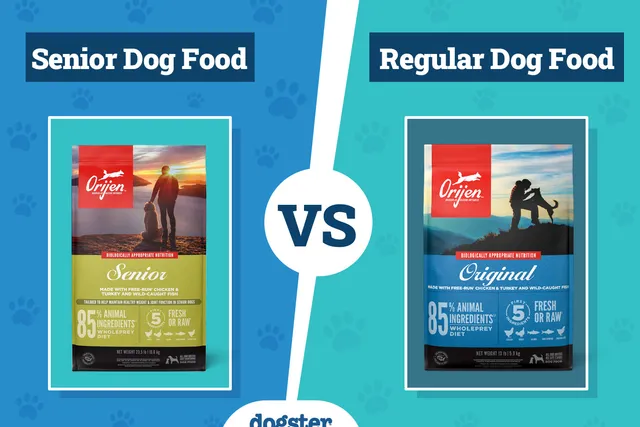
One of these changes includes switching your senior to a high-quality diet specifically designed for older pets. If you're planning on switching your dog’s food, you might wonder exactly how to make the change and support your senior along the way.

Understand That Your Senior’s Body Is Changing
As our dogs’ bodies start to wane over the years, things inside will be changing. Their eyes may be a little more glossy than normal, their fur might not be quite as soft and supple, their mouth may be a little more tender and they likely won’t be as strong as they used to be.
These are just visible things we can see from the outside. But a lot is going on under the surface, too. We have to accommodate our seniors by giving them a more age-appropriate diet that has the proper nutrients to support their life stage.

Seniors Require Specific Nutrition
Our seniors require adequate nutrition, but do you know why? As they age, changes occur in their bodies, causing them to require different amounts of nutrients.
Think of it like this—puppies require many different levels of nutrients to promote growth. Adults need a solid-maintenance diet to stay healthy. Seniors need a nutrient-rich recipe that will help them sustain and slow the degeneration of their bodies.
There are a few particular nutrients that are beneficial to our senior pets.
1. Omega Fatty Acids
Omega-3 fatty acids are beneficial to your canine compadre no matter how old they are. However, it's an absolute must for our senior pets. It provides them the foundation for a silky-smooth coat and healthy skin. While you can't expect your pup’s coat to be as luxurious as it once was, you can improve the overall health of their skin and the appearance of the coat.
An added plus is that omega fatty acids can help decrease inflammation and promote joint health, something senior dogs can definitely benefit from many times over.
2. Glucosamine & Chondroitin
Glucosamine is a major component of cartilage. Even though it is naturally produced by the body, glucosamine production typically decreases as a dog ages, potentially increasing joint degradation and pain. Since production tends to drop off in senior dogs, supplementing it can be very beneficial.
Like glucosamine, chondroitin is another compound found in cartilage. It, too, strengthens joints to give your dog an easier time on the go. Since your dog loses chondroitin production as they age, it is a good idea to supplement this as well.

3. Prebiotics & Probiotics
Your senior might have a little trouble with their overall gut health. Getting regular prebiotics and probiotics in the diet can help natural gut bacteria flourish. These helpful additives can keep your senior regulated and balanced.
4. Antioxidants
A body goes through a lot as it ages. Antioxidants help remove free radicals from the body that form due to exposure to chemicals and toxins and as a byproduct of normal bodily processes. Removing them with antioxidants boosts immunity and helps prevent some chronic illnesses.
5. Fewer Calories
Many senior dog foods are formulated with fewer calories to help prevent weight gain. As senior dogs age, they tend to have less energy and reduced mobility, so they may not be able to exercise like they used to. This can contribute to weight gain, so eating fewer calories can help them maintain a healthy weight provided that they are eating the right portions.


How to Transition a Senior
How exactly do you transition a senior from their typical adult diet to a senior recipe? If you have ever had to transition their food in the past, you know that you must do so slowly. So here are some tips to get you started.
1. Speak with a Vet
Before even picking out the type of senior dog food you want to get, it's time to speak with a vet. They might want to do an examination or go over your dog's history if it's been a while since they've been in.
They will also make the recommendation based on your dog's particular health issues or individual medical needs. What works for one dog might not be the best option for another. For example, if your senior has developed quite the sensitive stomach over the years, you will want to get a recipe that aids digestion.
2. Select the Type of Dog Food
Dry kibble and wet canned food have been a go-to for decades, however they aren’t the only options. You actually have a wide variety to choose from when it comes to senior dog nutrition. Ultimately, you need to discuss the different options with a vet to choose the best selection for your senior. Because health can vary greatly from dog to dog as they age, a vet might recommend something specific to support their overall health.
Not all pet food is made the same of course. Your senior's food should be highly nutritious and of great quality. We highly recommend that you research the type of food you want to buy for your dog to see what other customers have to say about it.
3. Transition According to New Food Recommendations
Whether you get dry kibble, canned food, fresh food, or a combination of any, you will need to transition them slowly over the course of several days. Add in a little more of the new food and a little less of the old food every couple of days until they are exclusively eating the new food. Sudden changes in the diet can cause severe gastrointestinal upset for many dogs, especially if they're older!

4. Watch for Any Adverse Reactions
For the first week or two after you switch, take note of any abnormal reactions they might have. If you notice any of the following signs, it may mean they are having trouble with the transition, or they may even be allergic.
- Vomiting
- Diarrhea
- Soft stool
- Stomach gurgling
- Loss of appetite
- Itchy skin
How to Get My Senior Dog to Eat
Another issue that may come with age is a reduced appetite. So if your pooch is having a little trouble filling their gullet, here are some things you can do.
1. Try to Appeal to Their Appetite
Dry kibble can become pretty boring making some seniors less interested in eating it.
To spruce up this boring kibble, here are a few things you can try.
2. Find a High-Quality Recipe
As your dog ages, having a high-quality recipe is non-negotiable. Their bodies require proper nutrients to maintain and an easily digestible formula. If their bodies are constantly being pumped full of chemicals, toxins, and artificial ingredients, they won't thrive appropriately. Ask a vet for the best recipes for your senior dog if you’re unsure what recipes are considered high-quality.

3. Don’t Free-Feed
If you have a senior, portion control is important! Obesity is a huge problem for older dogs and can lead to other health issues like diabetes and joint disease. You should control your dog's portions as suggested by a veterinarian, not necessarily the portions listed on the bag of food, especially if your dog is overweight. Simply feeding them less if they are overweight may lead to nutritional deficiencies.
4. Supplement, If Needed
If your dog is lacking in a specific nutrient or requires a focused area of health, a vet might recommend supplements. Supplements won't be suitable for every dog, but they can be very helpful for the right situations.
If you have any questions about supplements, ask a vet so you can make sure you're getting the right brand and feeding them the right amount. Value and quality are key!

Conclusion
You can help your dog age gracefully by feeding them properly. It’s about more than just the type of food they eat, it’s also about the formulation and amount.
Remember, before you make any changes, it is best to talk to a veterinarian for guidance. Switching food unexpectedly or giving your senior the wrong recipe can lead to serious systematic irritation. Make the change responsibly!
Sources
Featured Image Credit: dmytro Zinkevych, Shutterstock
Expert dog care, straight to your inbox
News, insights, expert advice, and everything dog.

No spam — unsubscribe anytime.
By signing up, you agree to our Terms & Conditions and Privacy & Cookies Policy.
How useful was this post?
Click a star to rate. You can leave written feedback afterwards. (We read all feedback.)
Ashley Bates is a freelance dog writer and pet enthusiast who is currently studying the art of animal therapy. A mother to four human children— and 23 furry and feathery kids, too – Ashley volunteers at local shelters, advocates for animal well-being, and rescues every creature in need. Her mission is to create awareness, education, and entertainment about pets to prevent homelessness. Her specialties are dogs and cats.