6 Eating Problems That Can Affect Dogs: Signs & Treatment


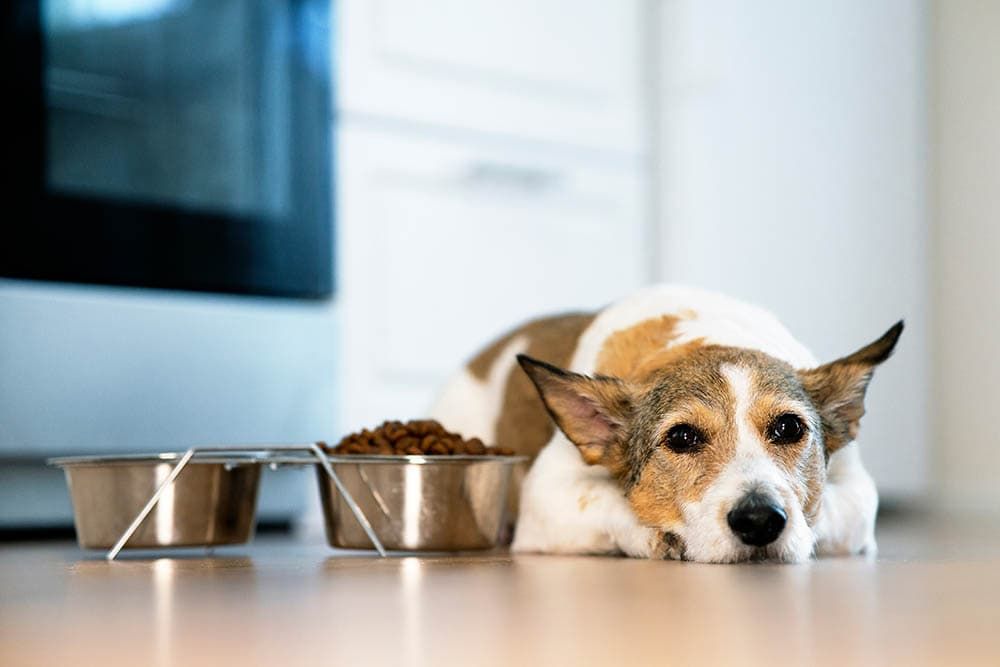
You’re probably familiar with the most common eating disorders in humans, such as anorexia and bulimia. While dogs can develop abnormal eating behaviors and changes in appetite, these are not classified as psychiatric eating disorders as they are in people. Instead, they are typically linked to underlying medical conditions, environmental factors, learned behaviors, or stress-related responses. In this article, we’ll discuss six eating problems affecting dogs and what to do if you suspect your pup has a problem.

The 6 Eating Problems That Can Affect Dogs
1. Megaesophagus
| Common Signs: | Regurgitation, gagging when eating |
| Treatment: | Medication, diet changes, feeding tube |
This is a physical condition that impacts the dog’s esophagus, which is the tube that connects the mouth with the stomach. Dogs with this condition develop an abnormally large esophagus that cannot properly transport food and water to the stomach. Because of that, food and water build up in the esophagus, often causing the dog to regurgitate1.
A common and severe complication of megaesophagus is aspiration pneumonia. This occurs when the dog breathes trapped food or water into their lungs. Megaesophagus is an inherited condition in some breeds. Dogs can be born with megaesophagus or acquire it later in life as a result of another condition. Megaesophagus is relatively easy to diagnose but can be complicated to treat because of the risk of complications.
2. Coprophagia
| Common Signs: | Eating poop |
| Treatment: | Medication, diet changes, behavioral modification |
Coprophagia is the official term for eating poop. Dogs with this behavior may snack on their own or another dog’s poop. It is tricky because it often has a behavioral cause but can also be associated with underlying medical conditions.
Dogs with malnutrition or malabsorption due to poor diet or digestive disorders may be more likely to engage in this behavior. Any disease or medication that causes increased appetite, such as diabetes or Cushing’s syndrome, can also be associated with coprophagia. If medical causes are ruled out, it likely has a behavioral root, such as poor housetraining. In this case, you should reach out to a veterinarian or animal behaviorist and ask for advice.
3. Anorexia
| Common Signs: | Not eating or eating less, weight loss |
| Treatment: | Medication, diet changes, feeding tube, surgery |
In dogs, anorexia refers to a loss or decrease in appetite. It is a clinical sign rather than a disease or disorder. Unlike humans, it is typically caused by a physical illness or ailment. Dogs may suffer from either “true” or “pseudo” anorexia. Pseudo-anorexia means that the dog still desires to eat, but can’t because of some physical issue.
Dental or mouth issues, tumors, or chronic pain anywhere in the body may all cause pseudo-anorexia. True anorexia may be caused by stress or changes in the environment. More commonly, it occurs as the result of disease, nausea, cancer, reduced olfaction, pain, or as the side effect of certain medications. Successfully treating this condition requires correctly diagnosing the underlying cause. In dogs, anorexia is a sign rather than a disease.
4. Gorging

| Common Signs: | Compulsive eating, swollen stomach, vomiting, stomach pain |
| Treatment: | Behavior modification, increased exercise, medication |
Gorging is an abnormal eating behavior where your dog may attempt to consume large amounts of food regardless of satiety. They’ll eat all their dinner and ask for more. If given the chance, they’ll target your dinner. If your dog’s food and treats aren’t securely locked away, a dog with this behavior will overindulge, which can increase the risk of gastrointestinal upset and, in some cases, GDV or bloat.2
Often, gorging happens due to boredom or a learned or compulsive behavior pattern. Try increasing your dog’s daily physical and mental stimulation. Medications may be required if the gorging is a true compulsive disorder diagnosed by a veterinarian.
5. Bolting
| Common Signs: | Rapid eating, food guarding, vomiting |
| Treatment: | Feeding small meals, switching to a slow feeder |
Bolting is an abnormal eating behavior that can increase the risk of certain complications in dogs. Dogs with this condition consume their food so quickly that it isn’t chewed properly, and this rapid intake may contribute to regurgitation or vomiting of undigested food shortly after eating. You may notice your dog vomiting what looks like the whole, undigested kibble right after eating.
Large, deep-chested dogs with this behavior can swallow large quantities of air while bolting food. This may increase the risk of GDV or bloat, a life-threatening emergency in dogs. Slow feeders can help reduce bolting behavior. You can also try feeding small, frequent meals to help lower the risk of gastric distension.
6. Pica

| Common Signs: | Eating non-food items |
| Treatment: | Increased physical and mental stimulation, medication |
Pica is an unusual behavioral and medical condition where dogs regularly consume inedible items. While dogs of any age chew on and sometimes ingest parts of items like sticks or plastic toys, those with pica may repeatedly ingest non-nutritive objects beyond normal exploratory behavior. This condition is dangerous because the dog may eat poisonous or large items that cause a blockage in the intestines.
Pica can have behavioral and medical causes, and nutritional imbalances or gastrointestinal disease may be associated. Anxiety and boredom can also contribute to this condition. In some cases, pica may be a compulsive behavior, but it is more common in cats.
What to Do If You Suspect Your Dog Has an Eating Disorder
As we’ve learned, abnormal eating behaviors and appetite changes in dogs can have medical and behavioral causes. The first step if you suspect your dog has an eating problem is determining what is causing it. Make an appointment with a veterinarian to diagnose or rule out medical conditions first.
Keep in mind that diagnosing the medical cause of an eating problem can be complicated because there are so many potential culprits. A veterinarian may need to run blood work and imaging or refer you to an internal medicine specialist for more advanced tests.
If medical conditions are ruled out, a vet can help you get to the bottom of your dog’s behavioral issues. Some behavior issues can be improved with environmental enrichment, appropriate physical exercise, and structured interaction. Others may be more complex and require medication or the expertise of a certified dog behaviorist.
Conclusion
Abnormal eating behaviors and appetite changes in dogs are not classified as psychiatric eating disorders as they are in humans, but they can still be difficult to diagnose and treat. If your dog is suffering from any of these conditions, work closely with a veterinarian as you diagnose and treat them. Don’t be afraid to ask questions or seek additional help during the process. Dealing with a sick dog is an emotional situation, and you’ll want as much support as possible.
Sources
Featured Image Credit: Daria Lixovetckay, Shutterstock
Expert dog care, straight to your inbox
News, insights, expert advice, and everything dog.

No spam — unsubscribe anytime.
By signing up, you agree to our Terms & Conditions and Privacy & Cookies Policy.
How useful was this post?
Click a star to rate. You can leave written feedback afterwards. (We read all feedback.)
Elizabeth Gray is a lifelong lover of all animals great and small. She got her first cat at 5 years old and at 14, she started working for her local veterinarian. Elizabeth spent more than 20 years working as a veterinary nurse before stepping away to become a stay-at-home parent to her daughter. Now, she is excited to share her hard-earned knowledge (literally--she has scars) with the readers. Elizabeth lives in Iowa with her family, including her two furry kids, Linnard, a husky mix and Algernon, the worldʻs most patient cat. When not writing, she enjoys reading, watching all sports but especially soccer, and spending time outdoors with her family.