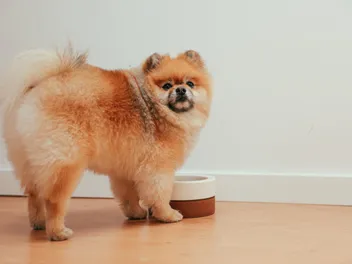
How to Get a Picky Dog to Eat: 12 Vet-Approved Tips


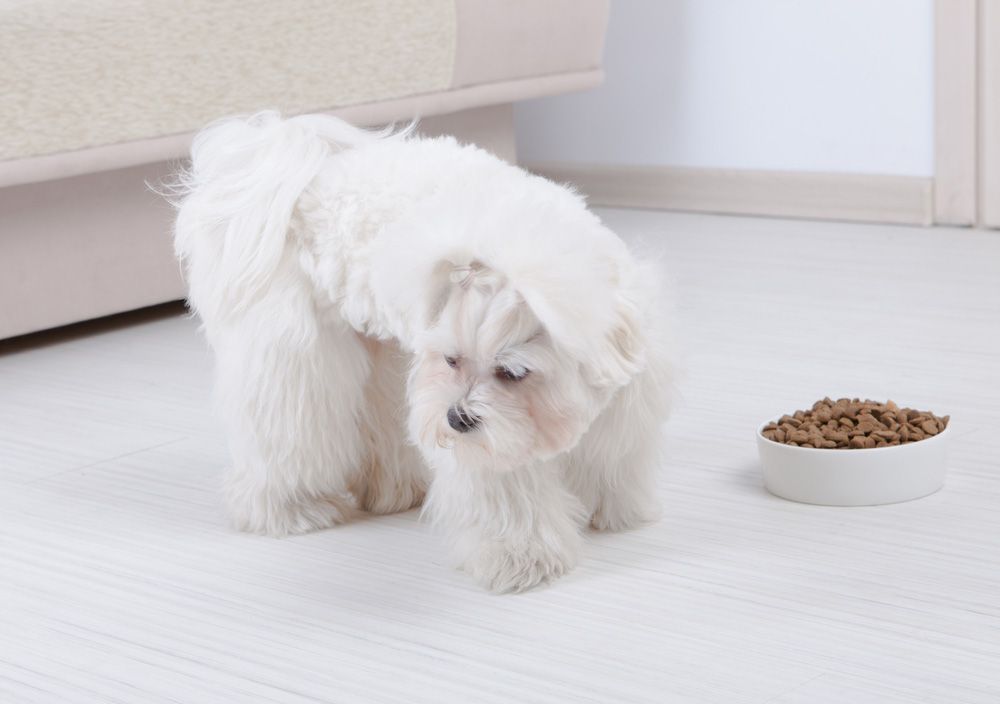
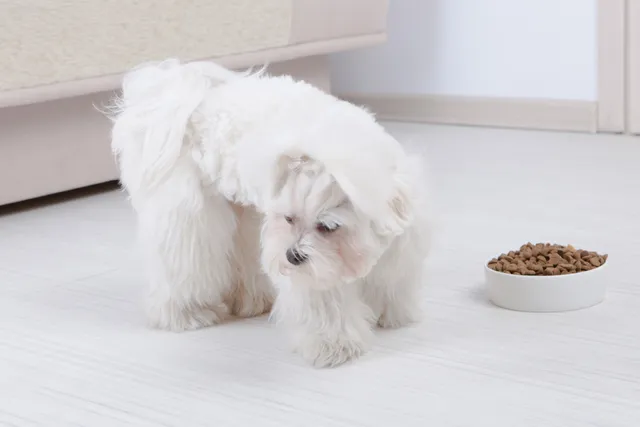
It’s frustrating and concerning when your dog won’t eat their meals. You know that they need to eat, but they’re simply refusing to do so. It may be because they’re holding out and hoping for something better, but there are many other reasons that a dog might not eat their meals.
It might take a bit of trial and error, but with the tips highlighted here, we’re sure you can get even your picky eater to start scarfing down their meals in no time.

The 12 Tips to Get a Picky Dog to Eat
1. Rule Out a Medical Problem
| Difficulty: | Moderate |
| Cost: | Moderate to high |
If your dog is normally a good eater but has suddenly started to refuse their food or has other signs of illness, it may be that there is a medical reason for this. If you suspect that your dog isn’t well, it is best to see your veterinarian sooner rather than later to ensure that they get the treatment needed. But if your dog has gotten the all-clear from your vet, keep reading to give some of these other options a try.
If you're concerned about your dog's health we suggest you speak to a vet.
2. Stick to a Routine
| Difficulty: | Moderate |
| Cost: | Free |
Most dogs thrive on consistency. If they know what to expect and when, they’re more likely to behave the way you want them to. Stick with the same food, give it to them at the same time, and avoid free feeding them.
This will keep your pup’s stress levels low and make it clear when their meals are ready and when they need to eat. Keep their life as routine as possible, especially until they start to eat their meals regularly.
3. Cut Out Treats & Scraps
| Difficulty: | Moderate |
| Cost: | Free |
If you’re trying to get your kid to eat dinner, you can’t fill them up on snacks just before the main meal! The same is true for your dog. Cut out the treats unless you're training them, and avoid giving them table scraps. Instead, stick to strict meal times until they’re regularly eating their food.
Your dog may be upset that they can’t enjoy an afternoon snack, but you can distract them with a toy or take them for a walk.

4. Give Them Their Own Space to Eat
| Difficulty: | Easy |
| Cost: | Free |
Some dogs guard their food with all their might, and if you or other dogs are hanging around them when they are eating, they may be too stressed to eat. If you have multiple pets in your home, give the picky eater their own space and bowl to eat. They won’t need to compete for their food, and they may be able to relax enough to tuck in.
Having a quiet space to eat without having another pet trying to come in and scarf up their meal might be just what they need to settle down and eat at their own pace.
5. Get a Stainless-Steel Bowl
| Difficulty: | Easy |
| Cost: | Low |
Plastic bowls, especially older ones with dents and cracks, can hold bacteria that can make your dog unwell. Sometimes they’ll give off a scent that makes your dog’s food seem less appetizing. A stainless-steel bowl is durable and easy to clean and doesn’t retain foul odors.
Your pup will find their food more appetizing, and you can rest easier knowing that what they’re eating is safe.

6. Provide More Exercise
| Difficulty: | Moderate |
| Cost: | Free |
Sometimes, your dog isn’t eating as much as they should because they haven’t worked up much of an appetite! Get your dog moving throughout the day and tire them out. Long walks, games of fetch, and plenty of time running around in the yard are ideal activities.
By the time dinner comes around, your dog should have no problem eating whatever high-quality food you put in front of them.
7. Use Positive Reinforcement
| Difficulty: | Moderate |
| Cost: | Free |
After they eat their food, even if it’s not all of it, praise your dog. Don’t interrupt them while they’re eating, but when they’re done, give them some love and attention, and reward the behavior.
You don’t want to start giving them treats after they finish eating, but praise and affirmation can help them understand that eating a meal is a positive experience.

8. Try Different Textures
| Difficulty: | Moderate |
| Cost: | High |
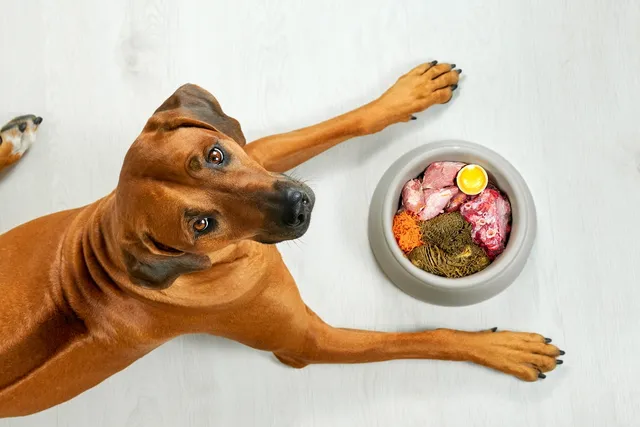
Is there a food you can’t stand because of how it feels or smells? Your dog might have a similar opinion about their dog food. Your pup might not like the crunch of kibble, the consistency of wet food, or the chunkiness of fresh food.
If they dislike dry food, try giving them wet food and vice versa. You may have to experiment with several brands before you find one your dog likes. Make sure you swap between brands and food types slowly, mixing more of the new food in with the old over 7 to 10 days. If you change food too quickly, your pup might end up with vomiting or diarrhea.
9. Stay Consistent
| Difficulty: | Moderate |
| Cost: | Free |
You need to allow your dog to adjust to their new food. Switching up the flavors and textures can help, but give them a few weeks to see if they like it.
If they walk away from their food and you immediately give them a new formula, they may learn that it’s okay to refuse their meals because they’ll also get something better. Keep in mind that suddenly changing foods can give your dog an upset tummy, so stick with one brand or flavor for a few weeks, and if that’s not successful, slowly switch to something new.

10. Buy High-Quality Food
| Difficulty: | Easy |
| Cost: | High |
You can distinguish between heavily processed, low-quality food and premium formulas. Your dog can too. You don’t need to get the most expensive dog food in the world, but you should get a high-quality formula that’s nutritionally complete.
It’s important to note that several high-quality and nutritionally complete dry foods are available, so you don’t need to spend a fortune on wet food or fresh meals.
11. Add Warm Water
| Difficulty: | Easy |
| Cost: | Very low |
A little warm water goes a long way toward making your dog’s food seem more appetizing. Not only does it help change the texture, but it can also bring out the aroma of the food and make it more appetizing.
Moreover, this method can make it easier for your dog to chew and digest their food.

12. Consider Adding Toppers
| Difficulty: | Easy |
| Cost: | High |
Adding a topper is likely to appeal to a picky pup, but it can also start a trend where your dog won’t eat a meal without it. Food toppers can range quite a bit in price, and they’re not always the most nutritious, so top your dog’s food with something like boiled chicken or turkey to provide flavor and nutrition.
Conclusion
If your dog is picky about their food, it may take time to convince them to finish their meals. Staying consistent is critical; otherwise, your pup will learn that they can wait you out and get something different to eat. With trial and error, you’ll discover which brand and type works for your dog. Before long, your pup will adjust to their new routine, and you won’t have to worry about it anymore! See Also:
Sources
Featured Image Credit: Monika Wisniewska, Shutterstock
Expert dog care, straight to your inbox
News, insights, expert advice, and everything dog.

No spam — unsubscribe anytime.
By signing up, you agree to our Terms & Conditions and Privacy & Cookies Policy.
How useful was this post?
Click a star to rate. You can leave written feedback afterwards. (We read all feedback.)
Adam is a professional freelance writer and animal enthusiast who has rescued countless animals throughout the years. He's been a freelance writer for ten years and has been rescuing animals for even longer! Adam is also a proud father of three kids and is always up for a challenge and adventure!