8 Vet-Reviewed Signs You Are Underfeeding Your Dog


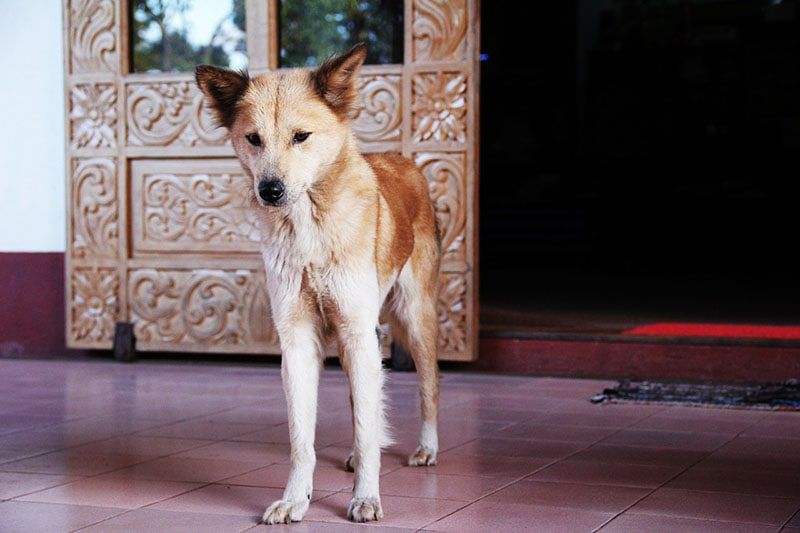
We all know how important our dog’s diet is to their health and wellbeing. There are mountains of information regarding the perils of canine obesity, and the health problems associated with it. However, we tend to see decidedly less information about the problems associated with underfeeding dogs, perhaps because it is a less common problem in modern society.
Underfeeding a dog not only means that they are not getting enough calories, but they will also develop deficiencies in essential nutrients like protein, fat, vitamins, and minerals. But it can be difficult to know exactly how much to feed a dog. This is especially true of puppies, and if you don’t know the breed of dog or expected adult weight of your dog.
Most feeding guides are based on adult weight, so if you have a 6-month-old crossbreed for example, you should talk to your vet or vet tech for guidance on how much you should be feeding them. It is important to know that the amount of food each dog needs is not based purely on their age, weight, and lifestyle - each dog has an individual metabolic rate, so you always need to adjust for their specific needs. On paper, you might be measuring out the right amount for your dog, but if they are overweight, you will need to reduce their portions. Equally, you should be looking for signs that you might be underfeeding your dog.
Body condition score charts can be very helpful to help you assess your dog’s body shape, and this one from Royal Canin provides guides based on the size of your dog. Below, we will talk about some signs that your dog may need an increase in their daily calorie allowance.

The 8 Signs You Are Underfeeding Your Dog
1. Visible Ribs, Hips, and Spine
Your dog’s body condition is a good indication of whether you are feeding the right amount. While some dogs, like whippets or greyhounds, are naturally lean, you shouldn’t be able to see the ribs and spine of most breeds. When you run your hand over your dog’s rump, you should be able to just feel the two points of the hip, but not the dip between the hips and spine. Although you don’t want your dog to put on too much weight, you need to take care to ensure that you are feeding enough.
You can check body condition by running your hand over the ribs. You should be able to feel the ribs without applying too much pressure, but if you can easily see the ribs, this might be a sign of being underweight.

2. Constantly Begging
Some dogs will seemingly eat anything, and they will sit by in the hope of grabbing a piece of tasty human food if it drops to the floor. But, if your dog is begging constantly, it could mean that they are not full after eating their meals.
This can be a difficult one to judge. Some dogs will sit and beg when you’re eating because they view human food as being more enjoyable than their own food. If your dog is constantly begging and showing other signs of being underfed, this can be a good indication that you aren’t feeding enough. However, if your well-fed Labrador is constantly begging, it usually just means they are awake!
3. Losing Weight
If your dog has lost a lot of weight, there can be several causes. One cause is that you are not feeding your dog enough. This could happen if you have changed food type or brand, or if you have actively been feeding them less to stop them becoming overweight. If neither of these scenarios apply, there may be a medical reason for their weight loss, and you should make an appointment with your vet.
Monitor your dog’s weight, either by taking note of it when you visit the vet or by weighing them regularly at home. If your bathroom scales can take the weight, and you can pick your dog up, weigh yourself while holding the dog up, and then weigh yourself without your dog. The difference between these two weights is how much your dog weighs.
4. Hungry Immediately After Meals
Puppies should usually be given four meals a day until they are around 3-4 months old, then reduced to three per day as they enter adolescence. Most adult dogs will have two meals a day, and provided you are offering the right amount of food, and the food is nutritious, your dog shouldn’t be hungry straight after a meal.
Some dogs would seemingly keep eating all day, and these dogs might still look for extra food even straight after eating. Again, look for other signs that you might not be giving enough food. If your dog inhales their food as though it might be their last meal, try feeding them each meal in two separate portions, or use devices like slow-feeder bowls to slow things down.
5. They Scavenge Food
Some dogs use their mouths and noses to investigate things they find on the floor, and some may even pick those items up to really get a sense of what they are. However, if your dog is picking up and eating everything, from leftover food to rubbish blowing past in the street, this may be a sign that they are hungry.

6. Lack of Energy
Dogs, like humans, need calories to give them energy. If they aren’t getting enough calories, then they won’t have as much energy as they should. If your dog is lethargic, doesn’t like going out for walks, or tires easily, this could mean that they are not getting enough food. This could also be a sign of more serious illness or injury, so be sure to check with your vet before assuming they just need more food.
Dogs can sleep around 16 hours a day, generally getting most of this sleep at night and when you’re out of the house, but older dogs will likely sleep more. Keep track of how long your dog is sleeping to determine whether they are more lethargic than usual.
If they suddenly show signs of being lethargic, make an appointment with the vet.
7. Changes in Coat and Skin
If you are underfeeding your dog, it is not only the calories that they are missing out on. Dog food is balanced to provide all of the essential vitamins and minerals they need, so if you feed the right amount, your dog will be getting everything it needs in its diet.
If you aren’t feeding enough, your dog could be missing out on some essential vitamins and minerals. One of the first signs of vitamin deficiencies and malnutrition is a deterioration in coat quality and skin condition. The coat may start to thin, and appear dull. There are many health conditions that can affect your dog’s skin, so it might not be a problem with the amount you are feeding, but poor coat and skin condition are signs that something is likely up.

8. They Produce Less Poop
If your dog isn’t getting enough food, they will also produce a lot less poop. Malnutrition can also cause problems with the gut, and they may also be more gassy, particularly if your dog is scavenging through bins and finding food from other places.
What Else Could Cause My Dog To Be Underweight?
There are many health conditions which could lead to weight loss or low weight gain in dogs. You should always speak to your vet if you are worried that your dog is underweight, particularly if they are a growing pup, are eating less, or if they are losing weight despite no changes in their diet. Below is a list of some common causes of weight loss in dogs, but this list is by no means exhaustive.
- Parasites - intestinal worms are common in pups
- Dietary imbalance - home prepared meals can often lack the right amount of essential nutrients which can lead to poor body condition
- Cancer - more common in older dogs
- Heart disease
- Diabetes
- Kidney disease
- Intestinal disease (eg. Inflammatory bowel disease)
- Malabsorptive conditions (eg. exocrine pancreatic insufficiency - EPI)
- Some medications can cause weight loss
You may also notice signs such as increased thirst & urination, diarrhea, vomiting, weakness, or lethargy. Most of these conditions are serious but treatable. Always make an appointment for a check up with your vet if your dog is losing weight.
How Much Should You Be Feeding Your Dog?
It is generally recommended that an adult dog eat 2-3% of its ideal body weight, with the exact amount being determined by factors like your dog’s metabolism, how much exercise it gets, and whether it is currently under or overweight. Remember that you should be feeding your dog based on their ideal weight, not their current weight.
Puppies are fed according to the ideal adult weight of the dog and its current age, and owners should follow the instructions on the packaging to ensure they feed the right amount. If in doubt, speak to your vet. They will be able to recommend a suitable feeding schedule. Avoid using breed-based weight guides, as these do not factor in individual variation like height differences, activity level, and whether or not they are neutered/spayed, and you could end up feeding your dog far too much or too little.

How Many Meals a Day Should I Give My Dog?
Puppies need to eat more often than adult dogs and young puppies are typically given four meals a day. This is because they need a lot of calories to support their growth; more than they can consume in one or two meals. When they reach the young adult stage, this can be reduced to three meals a day, and adult dogs are usually given two meals a day. Feeding guidelines are given per day, which means you should divide the amount recommended by the number of meals per day to ensure that you are feeding the right amount.
For example, a 50 lb active adult dog may need approximately 1.5 lbs of dry food per day, or two meals of ¾ lbs.
Some owners prefer to feed their dogs only one meal per day, but some dogs may not be able to consume or absorb all their daily needs in a single sitting. If your dog is underweight and only has one meal a day, it may be better to increase the total amount slightly (around 10%) and divide it into two meals.
Is Wet Food Better Than Dry Food?
As long as the food is complete, it should meet the nutritional requirements of your dog, regardless of whether it is wet or dry food.
Wet food might be more palatable for your dog, which is beneficial if you have a picky eater. It also contains moisture which helps ensure your dog is well hydrated. However, as most wet food contains around 80% water, your dog will need to eat a larger volume of wet food to obtain the calories they need.
Dry food has a longer shelf life, can cost less than wet food, and can be left down for longer without going bad.
You can also feed a combination of wet and dry food. For example, you can give small meals of wet food twice a day and leave a bowl of kibble down for your dog to eat between meals. However, we do not recommend leaving food down for dogs of a healthy weight, or particularly those that are overweight, as it encourages overeating.
If you feed a combination of wet and dry food, be sure that you are not overfeeding or underfeeding. A good rule to follow is to feed half the recommended amount of both wet and dry food.

Conclusion
Dogs need a nutritious diet to ensure they stay fit and healthy and that they are getting the vitamins, minerals, and other ingredients they need, every day. You should measure the amount of food you give and follow manufacturer guidelines to ensure that you feed an appropriate amount.
Feed according to your dog’s ideal weight, rather than their current weight, and, if your vet has recommended a specific diet, always follow this before any packaging guidelines or other feeding schedules.
Underfeeding a dog can be as dangerous as overfeeding, as it leads to malnutrition and deficiencies in essential vitamins and minerals. Be aware that there are many serious health conditions that can lead to weight loss, and you should always consult with your vet if you have noticed any unexpected changes in your dog’s weight.
See also:
12 Things You Should Never Do to Your Dog: Vet-Reviewed Care Guide
Why Is My Puppy Vomiting and Underweight? Vet-Verified Causes, Treatment & FAQ
Sources
https://vcahospitals.com/know-your-pet/weight-loss-abnormal-in-dogs#:
https://www.pdsa.org.uk/pet-help-and-advice/pet-health-hub/symptoms/weight-loss-in-dogs
https://vcahospitals.com/know-your-pet/body-condition-scores
https://www.sciencedaily.com/releases/2016/05/160503130342.htm
https://www.bluecross.org.uk/advice/dog/behaviour-and-training/adolescence-in-dogs
Featured Image Credit: Peggy und Marco Lachmann-Anke, Pixabay
Expert dog care, straight to your inbox
News, insights, expert advice, and everything dog.

No spam — unsubscribe anytime.
By signing up, you agree to our Terms & Conditions and Privacy & Cookies Policy.
How useful was this post?
Click a star to rate. You can leave written feedback afterwards. (We read all feedback.)

Nicole has loved animals of all sizes her whole life so it's no wonder she has dedicated her career to helping them through what she loves best: learning, writing, and sharing knowledge with others. She’s the proud mom of two dogs, a cat, and a human. With a degree in Education and 15+ years of writing experience, Nicole wants to help pet parents and pets around the planet to live happy, safe, and healthy lives.