Does a Dog Stress Eat? Vet-Verified Facts & Info



In this article
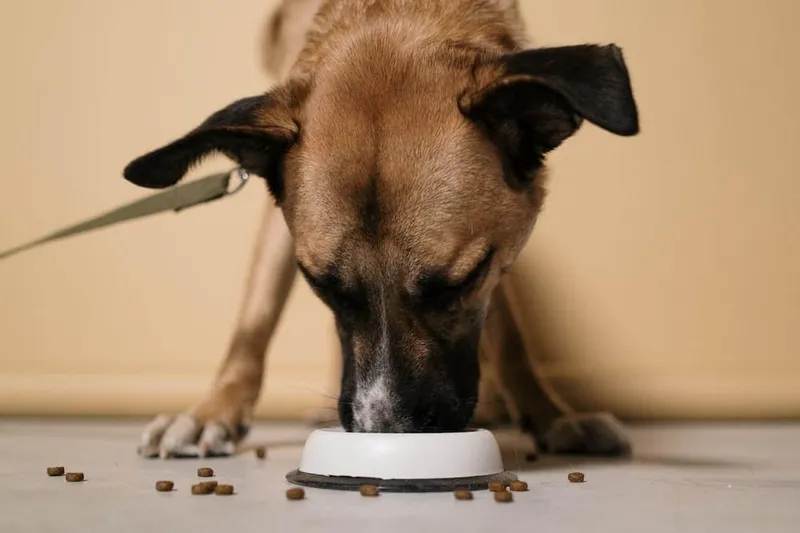
It can be hard to tell what causes a change in our dogs’ behavior. If your dog has suddenly begun eating much more than usual, it may indicate a serious underlying issue. If your dog appears to be constantly hungry or eating abnormally, stress could be a factor, however, you should reach out to a vet immediately to determine the root cause and receive proper treatment.
But what are some of the reasons your dog may be overeating? To learn more about what may cause a dog to eat more than usual, keep reading below.

The 5 Possible Causes of Increased Appetite
Your dog may be eating more than usual for many reasons, both emotional and physical. Since there are so many possibilities, you must consult a vet to determine the root cause.
1. Psychological Issues
Psychological issues such as stress may cause your dog to overeat. Various factors, such as environmental stressors or physical ailments, can cause stress in dogs. If your dog is stressed, you may notice some key signs in addition to overeating, including whining, growling, looking away from you, or pacing.
Anxiety is another psychological issue that may cause your dog to eat more than usual. If your dog paces, trembles, and has injuries from self-inflicted wounds, these are all signs that he is dealing with severe anxiety.
2. Aging
As your dog ages, there will be natural changes to his behavior, body, and metabolism. Your dog may be eating more as a result of these biological changes.

3. Medication Side Effects
If your dog is on any medication, his increased appetite may be a side effect. For instance, prednisone is a medication used to treat dogs suffering from allergies, immune-mediated conditions, and inflammatory issues. One of the main side effects of this treatment is increased appetite.
Talk to a vet about any medications your dog may be taking to learn more about the side effects and which alternatives you may have at your disposal.
4. Metabolic Disorders
When your dog’s metabolism is altered by a metabolic disorder, his eating habits may change. These disorders may be genetic or acquired over time, and they will require veterinary care and treatment to manage.
5. Gastrointestinal Disorders
If your dog’s digestive system is not functioning at full capacity, then he may not be absorbing the proper amount of nutrients. This could cause him to eat more in an effort to retain more nutrition.
Some examples of gastrointestinal issues include inflammatory bowel disease (IBS) and endocrine pancreatic insufficiency.
When to Go to the Vet for Overeating

If you do not notice any other odd behavior or signs in your dog besides eating more frequently, contact a vet for advice. But if you notice concerning signs, contact a vet immediately.
These include the following:
How to Help Your Dog Handle Stress
If you and the vet determine that stress is the cause of your dog’s increased eating, helping your dog manage his stress will be the key to returning him to healthy eating habits. The first step to managing your dog’s stress is determining the stressor. If your dog is overwhelmed by the neighbor’s dog or by something outdoors, try closing the curtains so that he cannot see the stressor.
If he is agitated by loud music or other sounds inside your home, turn down the volume or remove him from the room. If you can remove the stressor from his environment, his stress eating should gradually dwindle back to regular eating.
You can help release your dog’s tension by exercising him more often and sticking to a strict routine. If your dog knows when it is time to eat, play, and sleep, he will not have as much anxiety about the structure of his day. If your dog continues to display signs of stress, consult a vet. There is a chance that the stress could be due to a medical condition.

Summing Up
Stress eating isn’t just human behavior; dogs are also known to change their eating habits when they are overwhelmed. However, there are many other reasons that a dog may overeat, including serious medical concerns, so be sure to consult your vet to receive a definitive answer to your dog’s behavior. If your vet has determined that stress is the root of your dog’s problems, you can help him manage it by pinpointing the stressor and removing it from his environment.
Sources
https://vcahospitals.com/know-your-pet/signs-your-dog-is-stressed-and-how-to-relieve-it
https://www.akc.org/expert-advice/advice/how-to-tell-if-your-dog-is-stressed/
https://www.petmd.com/dog/behavior/evr_dg_how-to-calm-down-an-anxious-dog
https://www.petmd.com/dog/care/evr_dg_caring_for_older_dogs_with_health_problems
Featured Image Credit: Tienuskin, Shutterstock
Expert dog care, straight to your inbox
News, insights, expert advice, and everything dog.

No spam — unsubscribe anytime.
By signing up, you agree to our Terms & Conditions and Privacy & Cookies Policy.
How useful was this post?
Click a star to rate. You can leave written feedback afterwards. (We read all feedback.)
Pets are Jordyn’s passion, especially cats. Whenever she has the opportunity, she loves to learn about animals and share her knowledge with everyone. She is devoted to her mischievous tabby cat named Jack and works hard to buy him his favorite toys and treats. Discovering new ways to better care for her pet is always on the top of her to-do list, and she is eager to help pet parents everywhere who have similar pursuits. In her free time, she loves to write, read, and take long walks. She has a creative spirit, which often helps her to come up with funny cat names.