Grain vs. Grain-Free Dog Food: Which One’s Better? Vet-Verified Facts & FAQ


In this article
The grain versus grain-free debate is a controversial and heated topic in the dog world, especially when it comes to specialty dog food. Many dog owners only buy grain-free dog food, while others prefer dog food containing whole grains. There are many reasons why a dog owner would and should choose one over the other, especially if it's a vet recommendation and the appropriate diet for your dog. Things like allergies and digestion are important to consider as well, so choosing between a grain or grain-free diet is not exactly easy. If you're not sure which is better for your dog, read on to see which one could potentially suit your dog better.

At a Glance
Overview of Grain Dog Food

Whole Grains
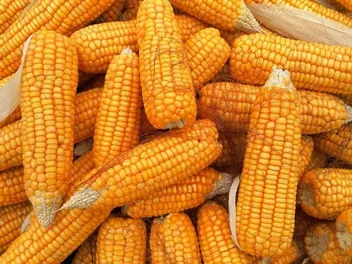
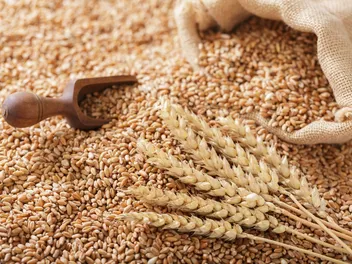
Before grain-free dog food became a trending dog product, many dog food blends and recipes contained whole grains. Grain dog food usually contains one or multiple: rice, wheat, barley, oats, corn, and soy. Some grain dog food is soy, wheat, and corn-free but still contains other sources of grains. Some premium brands of limited-ingredient diets will still use one or two types of grains, usually selecting oats or rice. Grain dog food is coming back in popularity, and these products are hitting the shelves.
Nutritional Benefits
Grains contain multiple vitamins and minerals, as well as providing your dog with digestible carbohydrates that can serve as an energy source. They are rich in nutrients like iron, B vitamins, and magnesium, as well as dietary fiber to help digestion. Dog foods containing grains can contribute to overall health, including skin and coat condition, when part of a complete and balanced diet.
Potential Health Risks
Grains were once commonly suspected as a cause of dog allergies, especially in dogs that constantly itch and have digestive issues. Ingredients such as wheat, soy, and corn were often implicated, although true grain allergies are relatively uncommon. However, dogs are more likely to be allergic to animal protein rather than grains, with poultry and pork being the most commonly reported allergens. However, some dogs are truly allergic to some grains, so it's not something to rule out right away unless through an elimination diet conducted under veterinary guidance.
Pros
- Provides balance with whole grains
- Great source of carbohydrates
- Contains nutrients such as B vitamins and fiber, depending on formulation
Cons
- Corn, wheat, and soy may trigger adverse reactions in rare cases of true allergy
Overview of Grain-Free Dog Food

Grain-Free/Limited Ingredients
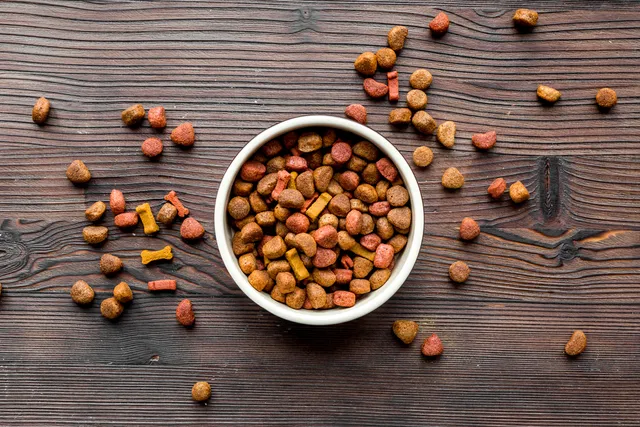
Grain-free dog food became a hot topic of debate, and millions of dog owners ditched their grain dog food, hoping to cure their dog’s allergies and other health issues. With wheat, corn, and soy being commonly perceived as problematic ingredients, grains were being blamed for allergies, skin conditions, digestive issues, and other health concerns, although there is limited evidence supporting most of these claims. Longtime dog food brands, as well as new brands, created their version of grain-free dog food to keep up with the demand since many people assumed grains were now bad. Although the grain-free fad has considerably slowed down, there are plenty of dog food brands that still sell their grain-free recipes. Many of these recipes are limited-ingredient recipes, which use only a handful of ingredients to help identify potential food sensitivities.
Health Benefits
One of the potential advantages of grain-free dog food, especially with premium dog food companies, is that the food usually contains a small number of ingredients. That can help identify or manage certain food sensitivities in some dogs when used appropriately, unless one of the limited ingredients is an allergy trigger. Grain-free dog food usually contains potatoes and peas for carbohydrates instead of relying on grain ingredients to fuel your dog's energy. Dog recipes that are limited ingredient or grain-free may vary in quality depending on formulation and manufacturer, and are not inherently higher quality than grain-containing diets.
Potential Health Risks
While grain-free dog food was once hailed as the best diet for your canine, concerns were raised after a 2018 FDA investigation into a possible link between certain diets and dilated cardiomyopathy (DCM), a type of heart disease. Some studies found that dogs diagnosed with DCM were more likely to be eating diets labeled as grain-free or containing high amounts of ingredients like lentils, potatoes, legumes, and peas. One possible explanation is that some of these diets may not be properly balanced, leading to low levels of taurine or its building blocks (methionine and cysteine), which are important for heart health. DCM is a serious condition that can be fatal, so the FDA continues to study this issue. However, not all cases of DCM are caused by diet, so it’s important to talk to your veterinarian before making any major changes to your dog’s food.
Pros
- Contains no grains (soy, wheat, corn, etc.)
- Non-grain sources of carbs and fats
- May be a good option for dogs with diagnosed grain allergies or sensitivities
Cons
- May be linked to a higher risk of dilated cardiomyopathy (DCM) in some dogs, although a direct cause has not been proven
- Limited ingredient recipes may still contain allergens
How Do They Compare?

Ingredients
- Edge: Grain Dog Food
While limited-ingredient recipes are a great concept for higher-quality dog food, many of them are grain-free dog foods containing ingredients that have been associated in some studies with diet-related dilated cardiomyopathy (DCM). We like the high-quality standards of most premium grain-free dog food brands, but there are high-quality dog food brands that do contain grains and no fillers. Unless your dog has a confirmed, diagnosed grain allergy or intolerance, a grain-free diet is not typically necessary and may not be the best option for most dogs. The edge goes to grain dog food.
Price
- Edge: Varies
While grain-free diets tend to be a bit more expensive, there are plenty of budget grain-free dog foods and premium grain dog foods. There are many different dog food brands that offer both budget and premium, so both diets can be affordable and expensive. Neither diet really has an edge price-wise, though grain dog food has more budget options.
Health Risks
- Edge: Grain Dog Food
While grain dog food has historically been suspected as a cause of food allergies in dogs, true grain allergies are relatively uncommon compared to protein-based allergies. Grain-free dog food has also raised concerns due to a potential association with diet-related dilated cardiomyopathy (DCM) identified during FDA investigations. It's important to point out that there are grain dog foods containing lentils, potatoes, and peas, but not in the high concentrations that grain-free diets use to replace grains. Limited ingredients may help dogs with severe food allergies, but they’re not always the best diet option. When properly formulated and balanced, both grain-inclusive and grain-free diets can be safe, but current evidence suggests caution with certain formulations associated with DCM. When it comes to the health risks of both diets, grain dog food gets the edge.
Conclusion
When it comes to dog food, there are a lot of opinions on what is considered “healthy” for your dog. The debate between grain and grain-free dog food is still a hot topic, but the FDA’s investigations caused a lot of commotion. Grain dog food is not nearly as bad as grain-free dog food brands claim, but it still has a slightly negative connotation. Unless your dog has a confirmed grain allergy or needs a limited ingredient diet, your dog can live a long, healthy life on a properly formulated and balanced grain-inclusive diet. We highly recommend asking a veterinarian for dog food recommendations before switching to a new dog food, especially if it's a complete and total diet change.
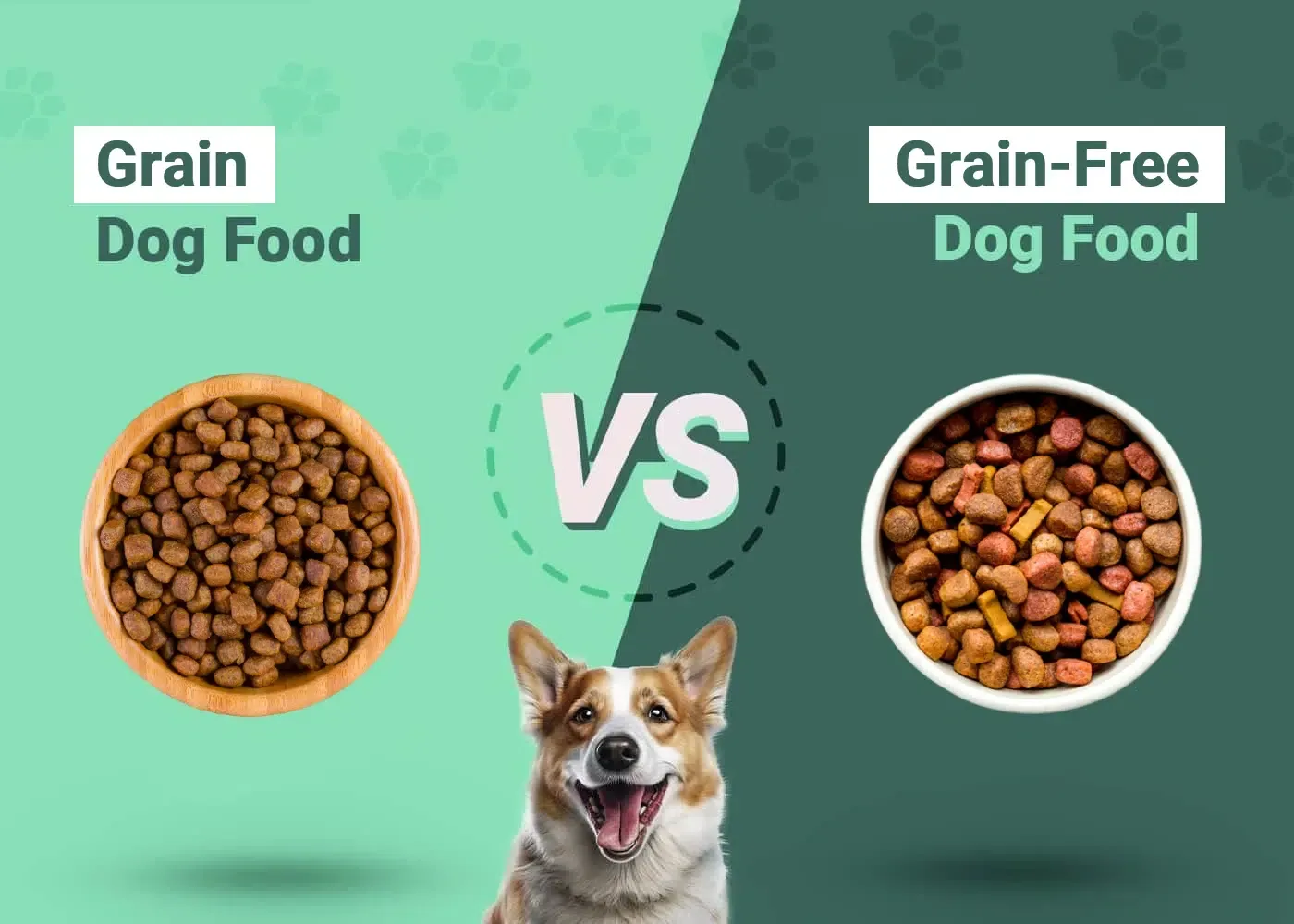
Featured Image Credit: (Grain) nadisja, Shutterstock, (Grain Free) 279photo Studio, Shutterstock
Expert dog care, straight to your inbox
News, insights, expert advice, and everything dog.

No spam — unsubscribe anytime.
By signing up, you agree to our Terms & Conditions and Privacy & Cookies Policy.
How useful was this post?
Click a star to rate. You can leave written feedback afterwards. (We read all feedback.)
Ollie is a zoologist turned freelance animal writer living in South Australia with his partner Alex and their mini zoo consisting of their eldest, a rescue dog named Pepper, many aquatic creatures, and their cat Steve. Ollie has a Master's degree in wildlife biology but became a freelance animal writer in 2020 and hasn't looked back. He loves sharing what he has learned with pet parents around the planet.