Regular vs Premium Dog Food: What's the Difference? Vet Reviewed Facts


In this article
As consumers demand, manufacturers will supply. Consumers spoke throughout the early 2000s, asking for a more balanced diet for themselves and their pets. The market then exploded with trending phrases like “Premium,” Super Premium,” and “Ultra Premium.”
The truth about these terms is quite unclear even now, years after the trend started. Let’s dig into what “premium” really means and how it can differ when raising the bar two or three times above that.

“Premium” to the Marketing World
To be the most accurate, we can’t start with scientific facts or government regulations because these terms are not backed by them. Instead, "premium" and "super-premium" are phrases used by the marketing teams of pet food brands to attract customers.
It all has to do with customer perception. The marketing term is called “premiumization.”1 The alcohol industry initially put the term into play to describe slightly better alcohols, ones that were processed in better ways or that had enhanced flavors. Ever since the alcohol industry coined it, it has become a method for marketing agencies in health and beauty, clothing, and both human and pet foods.
In general, Western consumers have developed a desire to buy luxury goods. So, when a marketing team presents a product as being less accessible to those with tight budgets, it becomes more desirable for everyone to have.
Our perception of price also catches us out when it comes to these marketing terms. People generally view a higher price as an indicator that the product is more valuable and made with higher-quality ingredients—even if that isn’t true.
Quite a few studies have been done on the effect of this perception. If it involves a food or drink trial where the samples only differ by price, consumers will say that the more costly of the two tastes better. The brain does perceive the samples as tasting better because of this pricing bias.2
We cannot taste pet food to see which tastes better for our cats and dogs based on the price, and our animals aren’t influenced by the cost of their food either. But regardless of the flavor, the increased prices put on pet food bags still enhance our perceptions as their owners.
The issue comes down to determining whether the words on the bag will ultimately mean a healthier pet. Are premium and super-premium foods any better than regular foods?

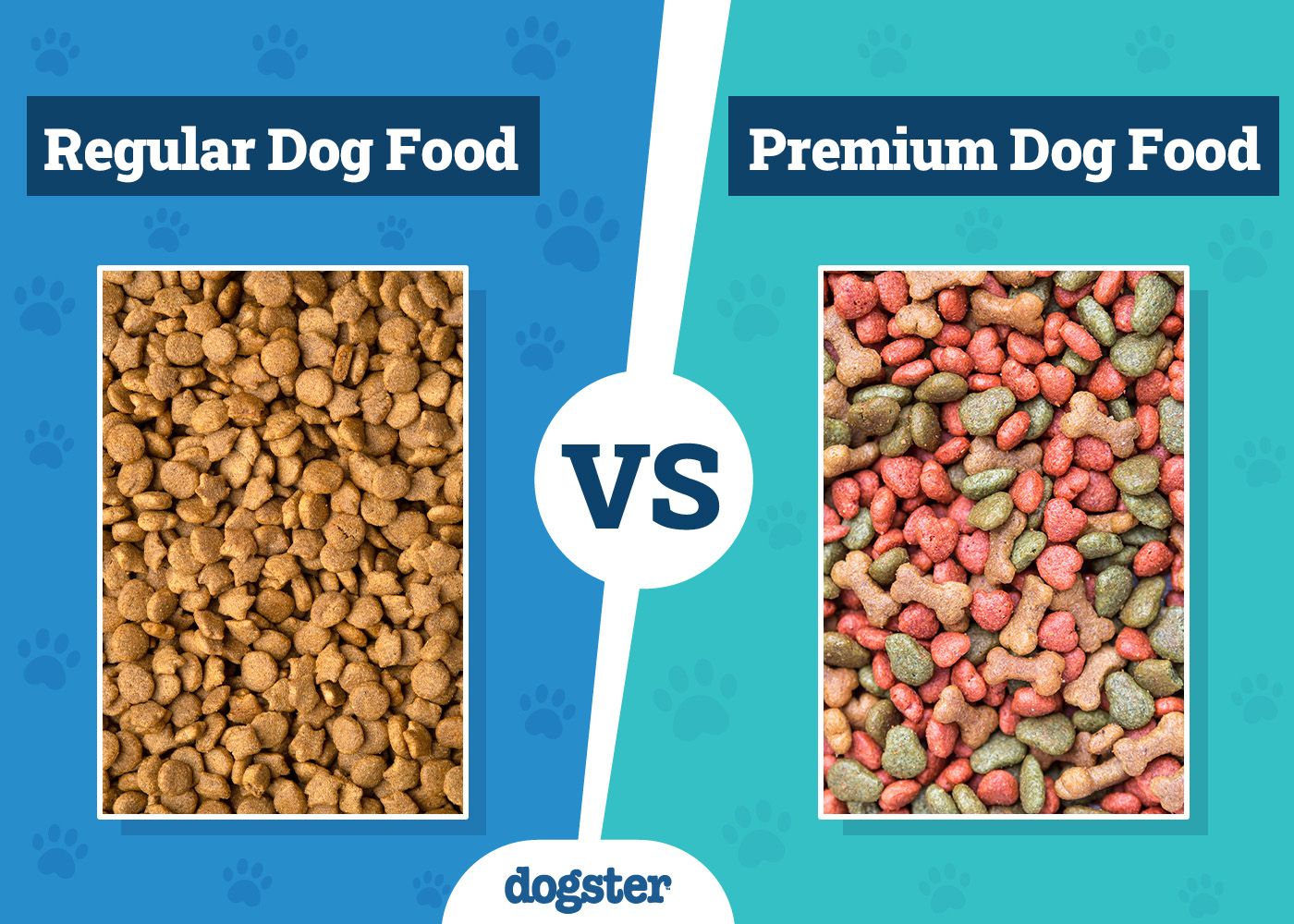
The Difference Between Regular and Super-Premium Dog Food
The primary challenge associated with these designations on pet food is that they are entirely unregulated. They are terms that marketing departments will use to get people to invest higher amounts of money in the food.
Generally speaking, regular premium products won't have certain kinds of ingredients, like animal by-products. The manufacturers might also add things like vegetables and fruits and even probiotics.
Super-premium foods should be even higher quality than premium, but again, this isn’t a regulated term. Instead, it started to be used once the word premium started to become normalized.
Super-premium products might be better, but typically, the recipe is simply changed and the ingredients are marketed as better quality for one reason or another, from the source to the way they are raised. The formula could be better for your pet, but it is up to you whether that is worth the super-premium price tag that comes with it.
It is a good thing to have a healthy amount of skepticism when it comes to these words. Our brains will get a trigger from them, indicating that these brands or series within a brand are obviously better. We can’t always trust our brains, though.
There is only one way to determine the value of your pet’s food: conducting your own research.
Challenge: Read the Ingredients List
There are plenty of terms regulated by the food industry, but there are fewer terms for pet food than for humans. Since premium and super-premium are not terms that get regulated, you shouldn’t put any actual stock in them being better than other foods on the shelf.
Instead, do your own research. Don’t look for pet food with all kinds of fun, triggering words on the front of the bag. Turn it around and look at the ingredients list. To help with pet allergies, it is best if the food has a minimal number of ingredients, and the ones included are clearly defined and easy to recognize. It should exclude generic meat meals or byproducts, as well as any unnecessary preservatives and artificial ingredients.
Look for fresh ingredients, and take note of which ones are positioned at the beginning of the list since these will be present in the highest quantities. Check what kinds of proteins are present and the percentages, and be aware of how much protein and fat your dog needs.
All that said, the ingredients list on the back of the bag can’t tell you everything that you need to know about the food. Research to see where the company sources its ingredients from, as different countries have different regulations.
Ideally, it should source them from North America or Europe, since most of those countries have the strictest regulations. If you notice that the brand sources ingredients like meats or certain by-products from China or several other Asian countries, it is best to avoid the food. These countries have different regulations on what is allowed in pet food, and there have even been incidents of altered ingredients to cut costs, enhance appearance, or extend shelf life, sometimes leading to safety concerns and recalls.


Summary
Ultimately, it should not be about whether a brand claims to be premium or even super-premium. Since these words are effectively meaningless, take time to research your dog food. Determine your budget, and talk to your vet about foods that would best suit your pet and are as high quality as possible.
See Also: Best Human-Grade Dog Foods
Expert dog care, straight to your inbox
News, insights, expert advice, and everything dog.

No spam — unsubscribe anytime.
By signing up, you agree to our Terms & Conditions and Privacy & Cookies Policy.
How useful was this post?
Click a star to rate. You can leave written feedback afterwards. (We read all feedback.)
Nicole has loved animals of all sizes her whole life so it's no wonder she has dedicated her career to helping them through what she loves best: learning, writing, and sharing knowledge with others. She’s the proud mom of two dogs, a cat, and a human. With a degree in Education and 15+ years of writing experience, Nicole wants to help pet parents and pets around the planet to live happy, safe, and healthy lives.