How to Prevent Bloat in Great Danes: 8 Vet-Reviewed Tips


In this article
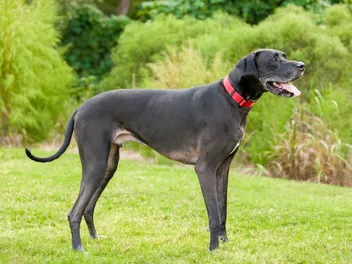
Although they are big and powerful, Great Danes are one of the gentlest, and of course, most gorgeous dog breeds around. Many pet owners find it challenging to bring such a large animal into their homes. Especially one that acts so much like a lap dog. Unfortunately, it is that large size and deep chest that predisposes them to one of the most fatal health conditions affecting Great Danes: bloat.
Bloat, or Gastric Dilatation-Volvulus, is a serious condition that isn’t yet fully understood by veterinarians. It occurs when the stomach gets distended with air and then twists in the area where it meets the esophagus as well as at the entrance to the small intestines. When this scenario happens, the dog’s stomach will gradually fill with gas making it difficult for them to breathe. The blood flow to vital organs can be reduced due to the pressure on large veins inside the abdomen, leading to cardiovascular collapse and systemic shock. The stomach can also necrotize and even rupture, which leads to septic shock and death, if not treated in time.
With bloat being one of the leading causes of death in Great Danes, it is important for owners of this dog breed to do everything they can to help prevent this condition from taking place. Below, we’ll share a few tips on how you can help your Great Dane avoid bloat and live a fuller life.

The 8 Vet-Reviewed Tips for Preventing Bloat in Your Great Dane
1. Avoid Feeding Your Dane When They’ll Be Active
Great Danes love going on gentle walks with their owners. To help avoid issues with bloat, it is best to make sure any heavy activity doesn’t take place around feeding time. Try to wait at least an hour or more, before and after feeding your Great Dane, before you let them take part in any playing, walks, or other activity.
2. Offer Small Meals Throughout the Day
With Great Danes being such large dogs, it’s expected for them to eat quite a bit. Unfortunately, large meals once or twice a day can be dangerous for them where bloat is concerned. Instead, try offering your pet several smaller meals throughout the day. This helps avoid any type of heaviness in the stomach and helps prevent it from flipping.

3. Slow Eating Is Better for Your Great Dane
We’ve all seen dogs that like to devour their food quickly, like a living vacuum cleaner. For Great Danes, this isn’t a good practice. Try to slow your dog’s eating down. You can do this by changing their bowls. Slow feeders and puzzle feeding bowls are available in most pet stores.
If you can’t find those, try setting a smaller, pet-safe bowl inside your dog’s normal food bowl. This will prevent them from scarfing down the food too quickly as they have to navigate around the additional obstacle.
4. Keep Fresh Water Available to Your Dog
Drinking too much water, too quickly, can also cause heaviness in your Great Dane’s stomach. This is especially true if you only offer water at certain times throughout the day. If your Dane gets thirsty or plays too hard, they may guzzle too much.
Instead, keep your Great Dane’s water dish full of fresh, clean water at all times. Having easy access when they need a sip will help avoid the issue of guzzling too much, too fast. If they have just come back from a walk or a play session, offer them smaller amounts of water multiple times, rather than letting them drink a large amount of water at once.
5. Choose the Best Food
According to the American Kennel Club, food can play a part in the development of bloat. Foods that use soybean meal or have fats and oils as the first four ingredients are known to increase the chance of bloat fourfold. Due to this increase, make sure you read the labels on any food you purchase for your Great Dane.
Choose one that doesn’t have soybean meal or heavy fats and oils to keep your pet healthier. It has also been suggested that adding canned food or using dry food with a calcium-rich meal source may reduce the risk of developing bloat.

6. Reduce Your Great Dane’s Stress Levels
Stressed, anxious, nervous, and hyperactive dogs are more likely to experience bloat than others. If your dog seems fearful, unhappy, or even hyper-alert when other dogs are around, this should be addressed. Talk to your veterinarian about ways you can help reduce your dog’s stress levels so they are less likely to suffer from this issue.
7. Feed Your Dog Alone
If your Great Dane seems to get agitated or eat faster when your other pets are in the room, put a stop to them eating together. As we’ve already mentioned, the speed at which your pet eats can greatly factor into their bloating.
You’ll also find that a pet’s stress levels rise if they are uncomfortable or rushing when eating with other pets. Feeding your Great Dane free of other pets in the house can keep them calmer, and allow you to better monitor the speed at which they eat and the amount they eat.
8. Consider Preventative Surgery
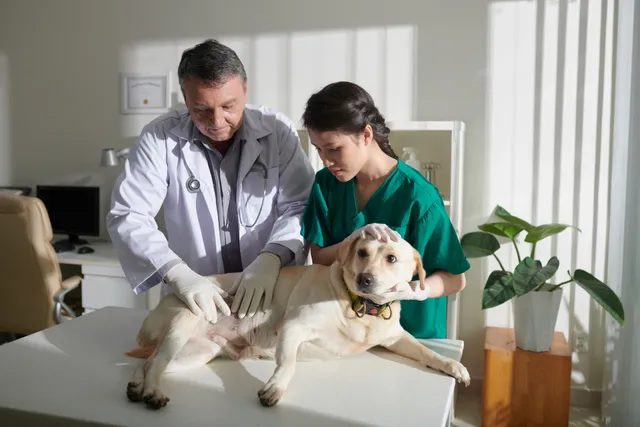
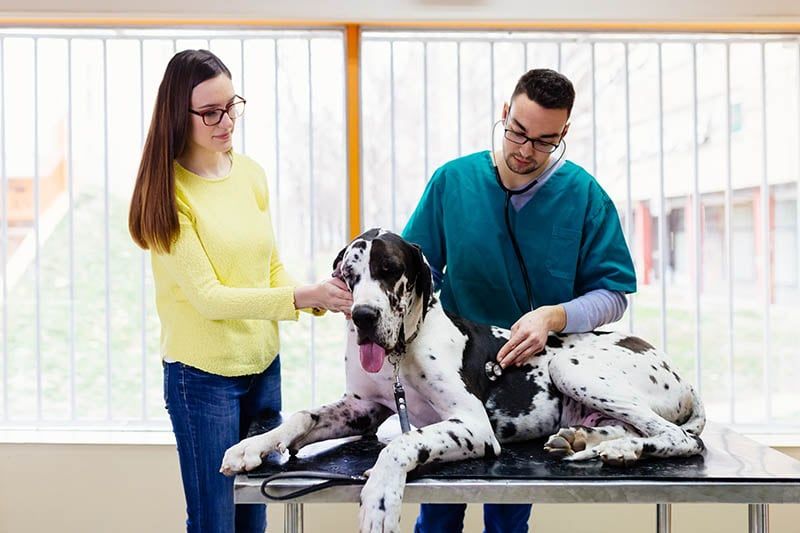
If you and your veterinarian feel your Great Dane is more susceptible to bloat, there is a surgical option that may help. Gastropexy is when the lining of the stomach is attached to the wall of the body. Often, this surgery is done when a Great Dane is spayed or neutered to avoid having to be placed under anesthesia more than once.
Over the years, this surgery has become minimally invasive thanks to laparoscopic options. It isn’t foolproof, however. This surgery is a preventative measure. It doesn’t fix the problem completely as the stomach may still get distended even after it is performed, but it is generally unable to twist.

Signs of Bloat in a Great Dane
With understanding how you can help prevent bloat in your Great Dane, it’s also important to understand the signs so you’ll be prepared to get your pet to the veterinarian. Quick action is often the only way to help your Great Dane, or other large-breed dogs, survive this scenario.
Distended Stomachs
In most dogs, the stomach hardens and distends when they are suffering from bloat. Unfortunately, with the size of the Great Danes, this may not be immediately noticeable.
Unproductive Vomiting and Salivation
When bloat has taken place, dogs will try to vomit without producing much. You may not see vomit, but your Great Dane may produce stringy, thick saliva. You may also notice that your dog is salivating heavily. This happens when they can’t vomit and yet have terrible nausea.
These are big indicators of bloat and should warrant an immediate trip to the veterinarian.
Pacing and Unease
Bloat is painful for your dog. The stomach is distended and causing pain. This may make them pace or show restlessness. Your Great Dane may also have issues when trying to lie down. This is also an early warning sign of bloat. Early warning signs are the best way to help your dog through the situation, so pay close attention and react quickly.
Difficulty Breathing
When suffering from bloat, a distended stomach presses on the diaphragm and chest, making it harder for them to breathe. There are also cardiovascular and metabolic disturbances taking place inside the body at once. This distress and pain may cause them to have issues breathing or appear as if they are panting heavily.

Why Are Great Danes Susceptible to Bloat?
While veterinarians aren’t 100% sure why bloat takes place in some large breed dogs and not others, it is quite clear that Great Danes are susceptible to it.
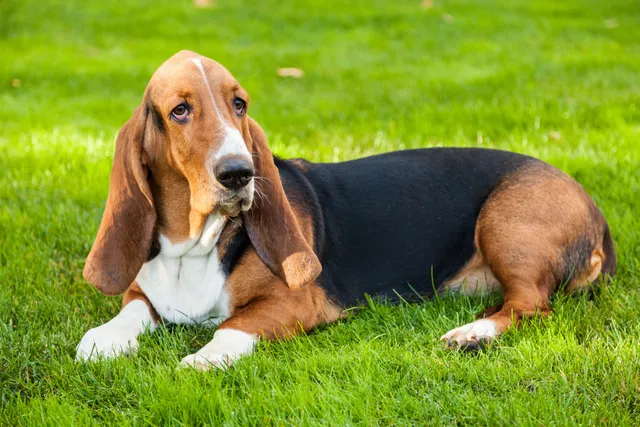
Great Danes, Saint Bernards, Weimaraners, Irish Setters, Standard Poodles, Basset Hounds, and Old English Sheepdogs are only a few of the breeds that are more prone to bloat. This is due to these breeds meeting several risk factors determined in a study done at Purdue University.
Let’s take a look at those risk factors below:
Conclusion
Understanding bloat is not always easy. Even veterinarians find themselves perplexed when it comes to this issue. While it may not be completely preventable, the above tips can offer a little help when it comes to keeping your Great Dane healthier.
The most important thing to remember is, at the first signs of bloat, get your Great Dane, or any dog breed, to the veterinarian. This is your best hope at helping them successfully beat bloat and continue on with a normal life.
Sources
Featured Image Credit: hedgehog94, Shutterstock
Expert dog care, straight to your inbox
News, insights, expert advice, and everything dog.

No spam — unsubscribe anytime.
By signing up, you agree to our Terms & Conditions and Privacy & Cookies Policy.
How useful was this post?
Click a star to rate. You can leave written feedback afterwards. (We read all feedback.)
Melissa was born and raised in the mountains of East Tennessee where she spent her time writing in an old notebook and playing outside with her pets. As an avid animal lover, she has brought many into her home over the years. Currently, she is the mom of 5 fur babies. Her 2 cats, Princess and Pepper are total opposites who demand attention. Her dogs Jazzy, Whitey, and Demon are full of spunk and keep the entire family on their toes.
Beyond life as an animal mom, Melissa is a dedicated wife and mother to 2 children. Writing in her old notebook led her down the path of becoming not only a freelance writer but a published Indie author under the pen name, Rena Marin.