Stomach Tacking in Dogs: Is Gastropexy Good for Preventing Bloat? (Vet Answer)

In this article
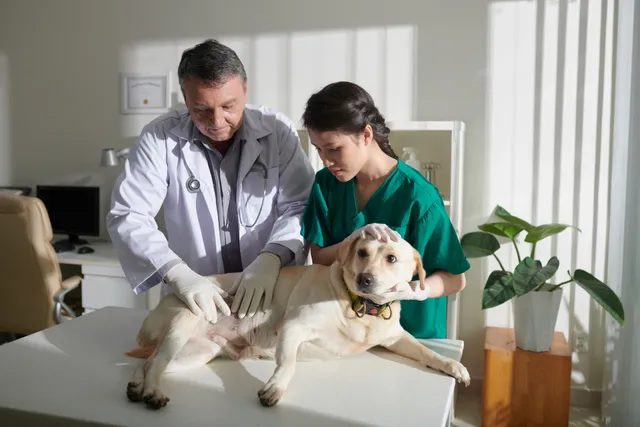
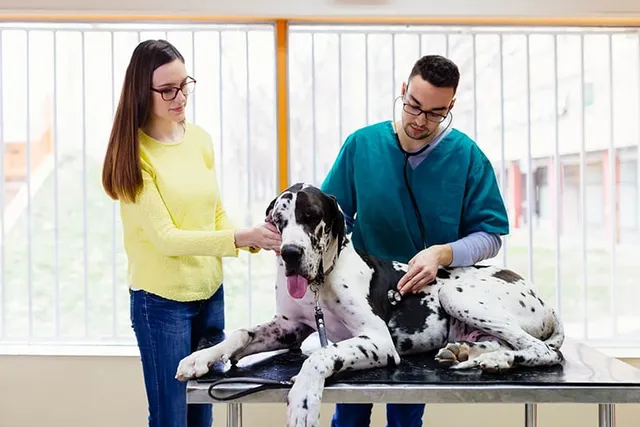
You have a Great Dane, and your veterinarian suggests having a gastropexy performed when they are neutered to help prevent gastric dilatation and volvulus. But what is this procedure, and does it actually make a difference in preventing bloat?

What Is Bloat?
Bloat is a condition in which the stomach fills with gas, also called gastric dilatation. Going a step further, your dog could develop gastric dilatation and volvulus (GDV). With this life-threatening condition, your dog's stomach fills with air and twists around its axis. Material like food and gas can't enter or exit the stomach, and it can rapidly become damaged due to distension. In some cases, the spleen is also affected.
Bloat is uncomfortable, but if it progresses to a GDV, it's downright dangerous. Dogs can die within hours if not treated surgically.

What Is a Gastropexy?
Gastropexy is also referred to as stomach tacking. The stomach is sewn to the body wall to reduce the possibility of it twisting.
There are several gastropexy procedures, including:
Consult a veterinarian for advice on the best course of action to ensure the well-being of your pet.
Can a Gastropexy Prevent Bloat?
Gastropexy does not eliminate the chances of bloat occurring, but it does significantly reduce the risk of the stomach twisting and the condition progressing to life threatening GDV.
In dogs that have developed GDV and undergo surgery, an incisional gastropexy done after correcting the stomach's position reduced the rate of recurrent GDV from 80% to under 5%. For many at-risk dogs, elective gastropexy at the time of neutering stands a good chance of preventing GDV. Prophylactic gastropexy can reduce mortality from GDV in Great Danes 29.6-fold.
If a dog is highly likely to develop GDV in their life, it may be best to have a gastropexy performed. Great Danes are estimated to have a 14% chance of developing a GDV in their lifetime, and dogs with a close relative that had a GDV may have a 63% higher risk of developing GDV. In these cases, a prophylactic gastropexy may save their lives.
Potential Complications of Gastropexy Procedures
Prophylactic gastropexy generally carries minimal risks when performed correctly by an experienced surgeon. There are always certain risks associated with any anesthetic procedure on its own, and this is tailored to your dog’s specific needs, age, and health. Recognized risks present with any surgical procedure may include bleeding, wound infection, and delay in healing. Some dogs may experience a stomach upset with vomiting or diarrhea after a surgical procedure, sometimes exacerbated by certain painkillers in more sensitive dogs.
However, in dogs that present with GDV where gastropexy is carried out in the emergency setting, with the patient often being extremely unstable and requiring rapid medical stabilization, the risks are much higher due to the severity of the condition and unfortunately, the mortality rates are from 15% onwards, based on several parameters.
The potential complications associated with GDV condition that influence prognosis may include:
Patients presenting for a prophylactic gastropexy have very good chances of GDV prevention and the procedure itself is much quicker, making the recovery faster, when compared to performing it in a sick patient with an active life-threatening GDV.
Still, even healing from a prophylactic gastropexy takes a bit of time. Some vets can perform the procedure laparoscopically, so the incision is smaller. Anesthesia often makes pets nauseated, but this is generally transient and mild. To combat this, many vets give the dog anti-nausea medication to reduce the likelihood of vomiting.
Patients undergoing any surgical procedure should spend the next 10-14 days resting and not exercising, allowing the abdominal muscle to heal appropriately, as well as wearing an E-collar or other means of preventing them from licking the wound.

Other Factors That May Decrease the Risk of Bloat
You can decrease the risk of your dog bloating by reducing several potentially harmful behaviors:
Frequently Asked Questions (FAQ)
What are the downsides of gastropexy in dogs?
Besides the recognized risks and potential complications associated with any anesthesia and surgery, such as bleeding, wound infection, or hernia, when gastropexy is performed prophylactically and in a healthy dog, the likelihood of complications is low, unlike the procedure being carried out in an emergency setting in a patient with GDV, where risks are much higher due to the patient’s unstable condition.
Some dogs have the prophylactic procedure but are too active, and the skin sutures may break. You will need to keep your dog quiet and calm during their post-operative recovery time.
Do all dogs need a gastropexy?
All dogs do not need a gastropexy. Your vet can help you decide if one is right for your dog, but it is usually only performed as a prophylactic procedure in large, at-risk breeds.
- Great Danes
- German Shepherd
- Rottweilers
- Standard Poodles
- Irish Setters
- Weimaraners

Conclusion
A prophylactic gastropexy can significantly reduce the risk of bloat progressing into GDV in high-risk dog breeds. Alongside the surgery, there are additional ways you may be able to reduce the risk for your dog. Your vet can help you decide if a gastropexy is suitable for your dog.
Sources
Benefits of prophylactic gastropexy for dogs at risk of gastric dilatation-volvulus - PubMed
What is a ‘gastropexy’ in dogs, and is it worth it? - Vet Help Direct
Outcomes and complications of prophylactic incisional gastropexy in 766 dogs (2009–2019) - PMC
https://www.sciencedirect.com/topics/veterinary-science-and-veterinary-medicine/gastropexy
Gastropexy for prevention of gastric dilatation-volvulus in dogs: history and techniques - PubMed
Bloat: Gastric Dilatation and Volvulus in Dogs | VCA Animal Hospitals
Gastropexy (Review of Techniques) - WSAVA 2015 Congress - VIN
Featured Image Credit: Elle Ocon, Shutterstock
Expert dog care, straight to your inbox
News, insights, expert advice, and everything dog.

No spam — unsubscribe anytime.
By signing up, you agree to our Terms & Conditions and Privacy & Cookies Policy.
How useful was this post?
Click a star to rate. You can leave written feedback afterwards. (We read all feedback.)
Dr. Samantha Devine DVM (Veterinarian)
Dr. Samantha Devine is a practicing veterinarian who enjoys caring for animals and sharing her knowledge with pet owners. Preventative care, ranging from nutrition to vaccination, is her specialty and passion!
With over 12 years of veterinary experience, Dr. Devine has extensive knowledge to share about small animal medicine, horses, aquatic species, and even zoo animals. She has also been writing for online pet sites for most of that time.