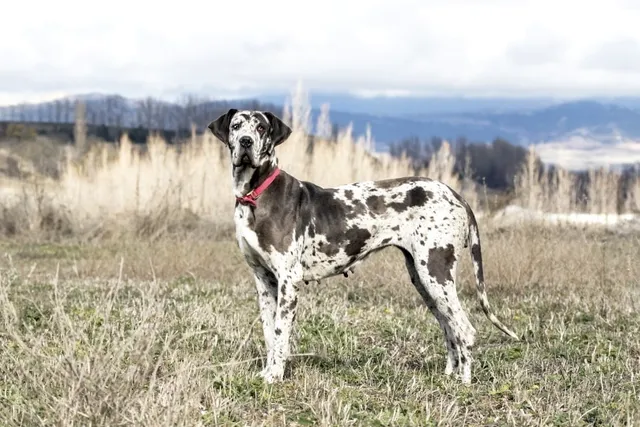
Great Dane Health Issues: 9 Common Problems to Watch For (Vet Answer)

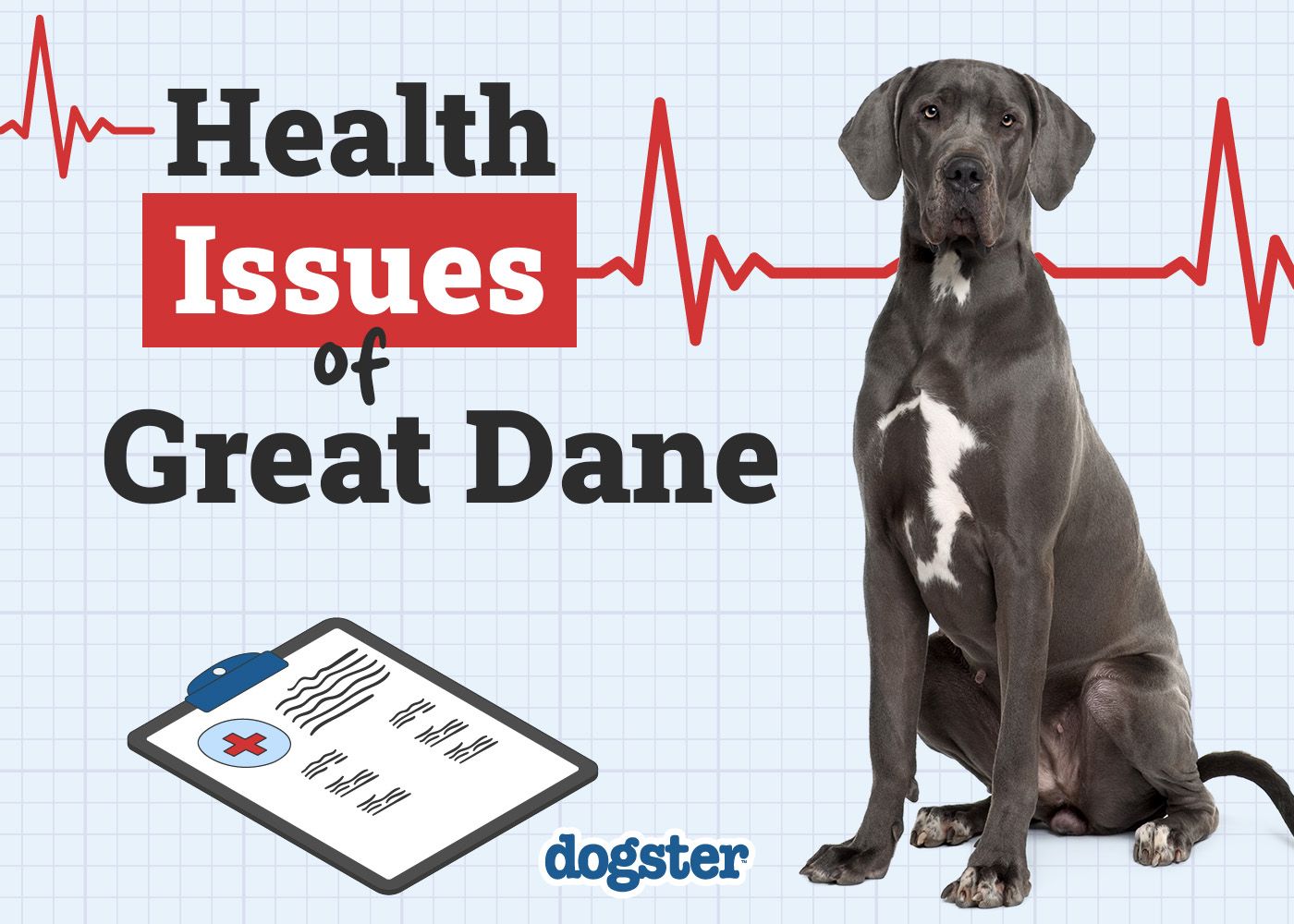
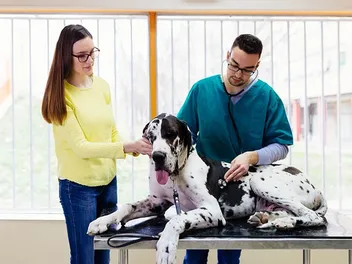
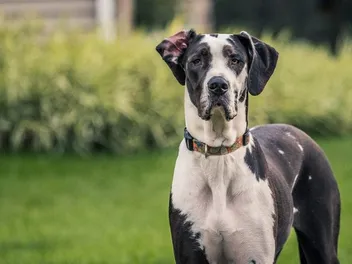
Part of getting a Great Dane is knowing that you’ll have to deal with a few extra health problems. They’re more susceptible to a lot of potential health issues, and we’ve highlighted nine of the most common for you to keep an eye out for here.
We’ve also highlighted the signs of each condition. If you suspect your dog has any of these problems, please reach out to their vet right away for further diagnosis and treatment options.

The 9 Common Great Dane Health Issues to Watch For
1. Bloat

| Seriousness: | Life-threatening |
| Signs: | Pacing, pawing at the stomach, dry heaving, whining, shallow breathing, refusal to lay on their side, standing in a hunched position |
Bloat, also known as gastric torsion, is a potentially life-threatening disease that often affects Great Danes. This condition happens when a Great Dane eats too quickly and gas rapidly expands inside their stomach.
This creates a lot of discomfort for them, and it can cause their stomach to twist at the top and bottom. This condition is life-threatening and will likely require surgery. If you suspect your Great Dane is suffering from bloat, you need to take them to a vet immediately. Also, keep in mind that a dog that suffers from bloat once is more likely to develop the condition again in the future.
2. Cardiomyopathy
| Seriousness: | Life-threatening |
| Signs: | Lethargy, weight loss, weakness, difficulty breathing, decreased appetite, coughing |
Cardiomyopathy is one of the most underdiagnosed conditions a Great Dane can have. It has a genetic and nutritional background. This condition causes the heart's wall to stretch and weaken causing the heart to enlarge. Without proper treatment, it can be fatal to your dog, and often, the condition isn’t diagnosed until after the dog passes away.
Cardiomyopathy is a genetic condition of the Great Dane, and it’s one reason why you always want a full medical background and references from a breeder before purchasing a dog.
3. Tricuspid Valve Dysplasia

| Seriousness: | Life-threatening |
| Signs: | Distended stomach, trouble breathing, heart murmurs, trouble exercising, rapid heartbeat, weakness |
Tricuspid valve dysplasia is an extremely serious condition that affects your dog’s heart. It is a congenital condition affecting one of the heart valves, and without proper treatment, it can kill your dog.
Dogs with tricuspid valve dysplasia might start accumulating fluid in the abdominal cavity. They will need to get diuretics, and, in severe cases, regular procedures to remove the excess fluid accumulation in their abdominal cavity. If your vet diagnoses your Great Dane with tricuspid valve disease, follow their instructions exactly to try and get the condition under control.
4. Joint & Bone Diseases
| Seriousness: | Ranges from mild to very serious |
| Signs: | Whining, stiffness, reluctance to exercise, lethargy |
Great Danes are especially susceptible to a wide range of bone and joint diseases because of their larger size. Sometimes the conditions are mild, and other times a Great Dane will need surgery to correct the condition.
If you notice your Great Dane is struggling to move around as much as they should, take them to a vet for further diagnosis and treatment.
5. Hip Dysplasia

| Seriousness: | Very high |
| Signs: | Lameness, stiff back legs, hopping while running, difficulty standing, pain when moving or exercising |
Hip dysplasia is a joint problem that often shows up in larger dogs. And as the tallest dog in the world, the Great Dane certainly fits into this category. Hip dysplasia happens when one of the dog’s legs leaves the socket joint of the hip, creating a lot of pain and discomfort for the dog.
Sometimes the dog will be able to get the joint back in by themselves, but if it happens once, it’s more likely to happen again in the future. Typically, surgery is required to fix the condition.

6. Hypothyroidism
| Seriousness: | High |
| Signs: | Weight gain, lethargy, changes to skin/hair, and cold weather intolerance |
Hypothyroidism is a condition that many dog breeds suffer from, and the Great Dane is no exception. Currently, there is no cure for hypothyroidism, but there are available treatment options.
Without treatment, hypothyroidism can cause excessive weight gain, lethargy, and even skin and ear infections. A vet will need to complete blood work to diagnose hypothyroidism, but once you have a diagnosis, they can prescribe medication to help with the signs.
7. Allergies

| Seriousness: | Mild to serious |
| Signs: | Sneezing, skin rashes or hives, watery/red/itchy eyes, coughing, nasal congestion |
Allergies affect tons of dogs. Allergies can come from anything from food to environmental factors. If your Great Dane is suffering from allergies, you should take them to a vet where they can run a panel to determine exactly what your Great Dane is allergic to.
Allergies can range from red and itchy eyes to severe rashes hives or anything in between! But whether your dog is suffering from mild or severe allergies, we recommend taking them to a vet and getting them on the right treatment plan so they can be a bit more comfortable.
8. Wobbler Syndrome
| Seriousness: | Very serious |
| Signs: | Wobbly gait, stiff neck, weakness, weak front limbs, trouble standing |
Wobbler syndrome is one of the lesser-known diseases that can affect a Great Dane, but it’s still very serious. Wobbler syndrome, also called cervical spondylomyelopathy (CSM), is a spinal injury that occurs at the neck. It’s common among larger breeds, and treatment options for a dog with wobbler syndrome vary from bed rest and anti-inflammatories to surgery.
If you are concerned about the health and well-being of your pet, we recommend getting in touch with a vet for guidance.
9. Cancer
| Seriousness: | Life-threatening |
| Signs: | Lumps throughout the body, swelling, lameness, anorexia, joint or bone pain, lethargy |
Cancer is a condition that affects many older dogs, and Great Danes are especially susceptible to osteosarcoma, also known as bone cancer. Unfortunately, unless you catch osteosarcoma early on it’s usually fatal.
Even worse, often by the time signs of osteosarcoma start to present it’s too late for effective treatment.

Summary
Just because a Great Dane is susceptible to these conditions doesn’t mean they’ll develop any of them. Get your Great Dane from a reputable breeder, feed them a high-quality diet, and keep up with their exercise requirements and you can reduce the likelihood of them developing many of these health problems in the future.
Featured Image Credit: hedgehog94_Shutterstock
Expert dog care, straight to your inbox
News, insights, expert advice, and everything dog.

No spam — unsubscribe anytime.
By signing up, you agree to our Terms & Conditions and Privacy & Cookies Policy.
How useful was this post?
Click a star to rate. You can leave written feedback afterwards. (We read all feedback.)
Dr. Paola Cuevas is our Senior In-House Veterinarian at Dogster and Pangolia. She has over 19 years of experience working with an array of species and loves sharing her knowledge and experience with our readers and aims to provide assistance with any issue presented by your non-human family members. She received her degree from the University of Guadalajara, Mexico.
Her passions are animal welfare and preventive medicine, and has skills in the fields of nutrition, microscopy, clinical pathology, diagnostic imaging, and endoscopy. Paola frequently contributes pet care insight to various media outlets like PetMD, The Daily Record, Parents.com, etc.
Paola is also an animal behaviorist with extensive experience in positive reinforcement animal training.