How Does a Dog's Stomach Flip: Vet-Verified Causes, Signs & Care


In this article
A dog stomach flip is a serious condition that affects a dog’s digestive system and is known by many different names, such as gastric torsion, twisted stomach, bloat, or gastric dilation volvulus (GDV).
This is primarily caused by bloat, and there is no certain way to determine if your dog is more likely to suffer from this condition. However, some risk factors can lead to your dog being more likely to develop a stomach flip, which is why all dog owners need to be made aware of how this condition works, what causes it, and how you can try to prevent it from happening in your canine companion.

What Is a Dog Stomach Flip?
Stomach flipping in dogs happens when your dog’s stomach becomes filled with lots of fluid and gas, which leads to bloating. The severe bloating causes your dog's stomach to put pressure on other organs. Your dog suffering from bloat alone can be bad because it can push on other organs and comes with its own risk of complications.
The stomach flipping or twisting situation happens when the bloating gets so severe that the stomach rotates and twists on its axis, which eventually ends up closing off both ends of your dog's stomach. This prevents blood flow to your dog’s stomach, causing the organs to die off from the lack of blood.
So, in simple terms, when a dog has a flipped stomach, it means that they are severely bloated. This condition can be fatal, and veterinarian intervention is necessary as it cannot be treated at home. The gas and fluid trapped in your dog's stomach cause the stomach to rotate from being so overstretched, which is quite uncomfortable for dogs.

What Causes a Dog's Stomach to Flip?
Severe bloating is the main cause of this condition, but it is important to understand the risk factors that can contribute to your dog developing this condition. Here are a few main causes of a stomach flip in dogs:

Signs of a Flipped Stomach in Dogs
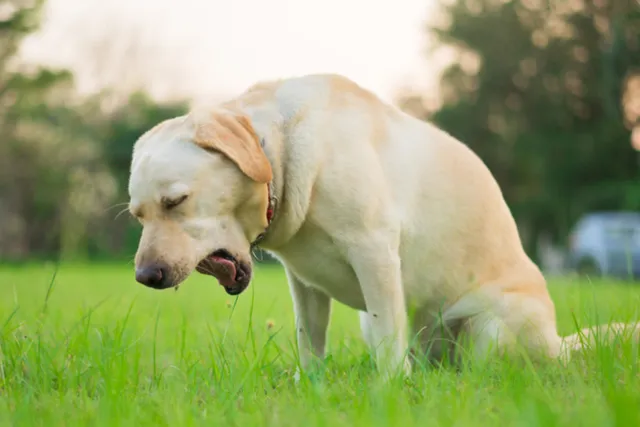
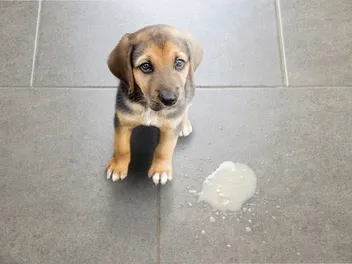
One sign of bloat in dogs is dry heaving, which means that they might start vomiting without any food. However, they might produce white foam from their mouth. You will also notice that your dog's stomach feels hard and looks abnormally large. They may also pant and drool and have a racing heartbeat (tachycardia). Some dogs will also experience changes in their bathroom routine and might be constipated or have difficulty lying down because the pressure on their extended stomach is painful.
If the bloat begins to worsen and the trapped gas and fluids lead to your dog’s stomach flipping, these are the signs to look out for:
If your dog is showing any of these signs, we recommend speaking with a vet.
In Conclusion
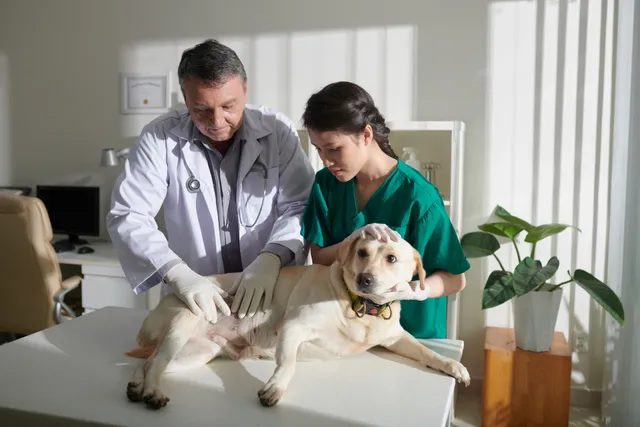
If you suspect that your dog is suffering from a stomach flip and is showing the symptoms we have explained in this article, it is important to take them to a veterinarian hospital right away, as this is not a condition that should be taken lightly.
The veterinarian and nurses will diagnose your dog’s condition and stabilize them until they can begin treatment. If you catch your dog suffering bloat without a stomach twist, it will increase the chances of the condition being treated more quickly with a higher success rate. If the dog has a twisted stomach it will require emergency care and surgery. It is also important to ensure that you are taking measures to help prevent your dog from developing this condition.
See also:
Sources
Featured Image Credit: Taisya Korchak, Shutterstock
Expert dog care, straight to your inbox
News, insights, expert advice, and everything dog.

No spam — unsubscribe anytime.
By signing up, you agree to our Terms & Conditions and Privacy & Cookies Policy.
How useful was this post?
Click a star to rate. You can leave written feedback afterwards. (We read all feedback.)
Sarah lives in South Africa with her partner and pets. She is currently interested in veterinary science and ichthyology, which she wants to study alongside her main passion: pet content writing. Sarah has over 60 fish including: goldfish, tropicals, shrimp, and snails. She also keeps hamsters and a tarantula. Sarah wishes to provide quality content to readers and allow others to learn from her experience and knowledge. Sarah has much experience in all aspects of pet care. Providing the world with the knowledge on ethical pet ownership is her lifelong dream.