How to Breed Great Danes: Breeding Practices, Litter Size & Vet-Approved Tips


In this article
Breeding dogs isn't as simple as putting a male and female together and letting nature run its course. Although it is possible to breed them this way, it isn't something we can condone. The proper way to breed Great Danes and all other breeds is to screen your dogs for inherited genetic conditions to ensure that you aren't passing along potential health issues to their offspring. On top of health guarantees, you must ensure each animal is fit for breeding, provide quality dog food, and be attentive to some of the issues that Great Danes face. Although the mating process itself may seem straightforward, responsibly breeding Great Danes requires extensive knowledge and preparation.

Great Dane Background
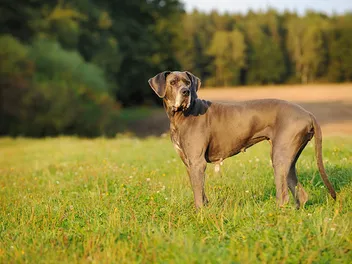
Great Danes are gentle giants, and their enormous size is what draws so many people to them. These dogs originated from Germany and were developed from several large hunting and mastiff-type breeds.1 Some also believe that Greyhound dogs may have contributed to the breed’s development.
You wouldn't think their large size would make them stealthy hunters, but Great Danes were bred to hunt large game like boar and bear. They would use many different dogs for these hunts. The Great Dane's job was to hold the game for the hunters and prevent them from escaping. Over time, their aggressive nature has been bred out of them since there was no longer a need for it.

Their Royal History
Great Danes weren't the only boar hunters in the past. They were also favored by the royal courts and served as guard dogs for the royal family. Great Danes would sometimes be kept in the royal bedroom chambers to serve as protective companions for nobles and royalty. Many other historical figures also enjoyed having these dogs by their side, including President Franklin D. Roosevelt.
Great Dane Popularity
The American Kennel Club started recognizing Great Danes in 1887. It has remained in the top 25 most popular dog breeds in America, according to the list of popular breeds from 2025. Today, it is represented in popular movies and television shows as well.
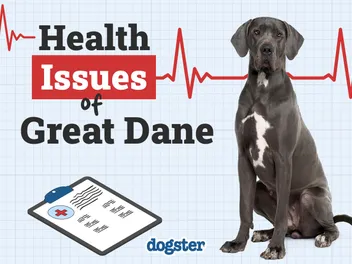
The 5 Health Concerns in Great Danes
Great Danes are big dogs, and the downside to this is that they don't live long. The average lifespan is between six and ten years. They have several health problems that contribute to this timeline. They are athletic animals and require regular moderate exercise to stay healthy and maintain a good body condition.

1. Cancer
One of the common causes of death in Great Danes is cancer, like lymphoma and bone cancer.
2. Joint and Spinal Issues
Great Danes continue growing longer than smaller breeds because giant breeds mature more slowly, which can contribute to joint and mobility problems. Dysplasia is prevalent in this dog breed and can be painful for them. These dogs can also develop spinal and disc-related issues.
3. Thyroid Issues
Great Danes have a predisposition to hypothyroidism, which is caused by a lack of thyroid hormones. Signs of hypothyroidism include weight gain, dull coat, and sluggishness.

4. Bloat
Although previously mentioned health issues are serious, bloat is considered one of the biggest concerns in Great Danes. Great Danes have deep, broad chests that increase the risk of the stomach twisting, which can cut off blood flow and become life-threatening. Bloat is a serious condition. Without treatment, the dog will go into shock, have breathing difficulties, and die.
5. Heart Conditions
Great Danes are one of the dog breeds most prone to serious heart conditions. Dilated cardiomyopathy is a common heart condition in this breed and can lead to heart failure. It usually occurs in middle-aged dogs and progresses rapidly. This is why many breed clubs and veterinarians recommend regular heart screenings for Great Danes.
Remember to always consult a veterinarian before breeding your Great Dane.
How to Breed Great Danes
Don't assume that breeding your Great Dane is going to be a cheap and easy process. This process requires extensive health screenings and genetic testing to check for inherited conditions. This testing alone could cause some pretty high vet bills. Dogs’ temperament and personality should also be taken into account when considering breeding. Because of their size and potential birthing complications, some Great Danes may require a caesarean instead of natural birth.

What Age to Breed Great Danes
Great Danes should only be bred after they are fully mature, typically after 18 to 24 months of age and after appropriate health testing. The ideal time to breed them is between the ages of 2 and 5 or 6 years. From there, the breeding process still requires knowledge, experience, careful planning, monitoring, and veterinary support.
How Long Are Great Danes Pregnant?
A female Great Dane has a normal gestation period of about 63 days. However, this time could vary by a few days.
How Many Puppies Do Great Danes Have in Their First Litter?
Great Danes have an average litter size of eight puppies, with some having as many as 10. Large litters may increase the risk of birthing complications and sometimes require surgical delivery. Cesareans may sometimes be recommended because Great Danes can be prone to birthing difficulties and dystocia.
Breeding Great Danes
Breeding Great Danes responsibly starts long before any mating takes place. Both the male and female should be fully mature, usually at least 18–24 months old, and have passed thorough health screenings for conditions like hip dysplasia, heart disease, and thyroid disorders. Once a veterinarian confirms they are healthy and suitable for breeding, timing becomes important.
The female is bred during the fertile part of the heat cycle, which is usually determined through veterinary testing or progesterone tracking. Most breeders either allow a natural mating under supervision or use artificial insemination if recommended by a vet. Throughout pregnancy, the female requires high-quality nutrition, regular veterinary checkups, and careful monitoring for complications, especially since Great Danes are prone to issues like bloat and dystocia. As the due date approaches, around 63 days after conception, preparations are made for whelping, and many breeders work closely with a veterinarian in case a cesarean becomes necessary. After birth, puppies must be monitored closely, kept warm, and properly fed while the mother is supported through recovery and nursing. They should also receive their initial vaccinations and worming before going to their new homes.

Acceptable Great Dane Colors
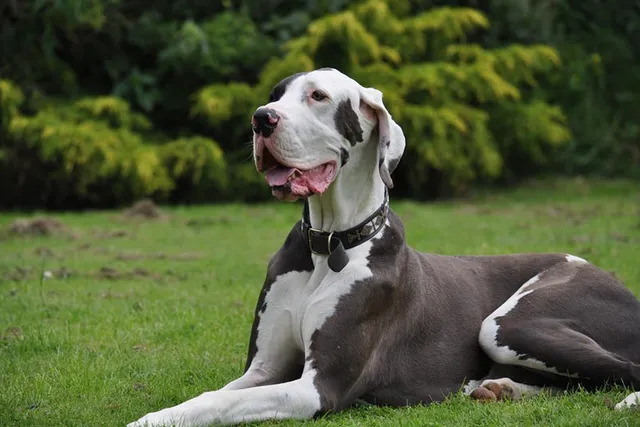
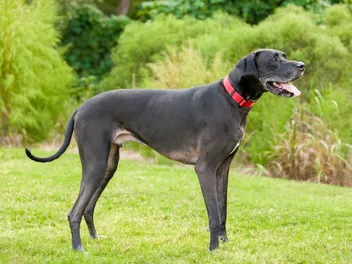
According to the American Kennel Club, Great Danes are recognized in several standard colors and patterns, including:
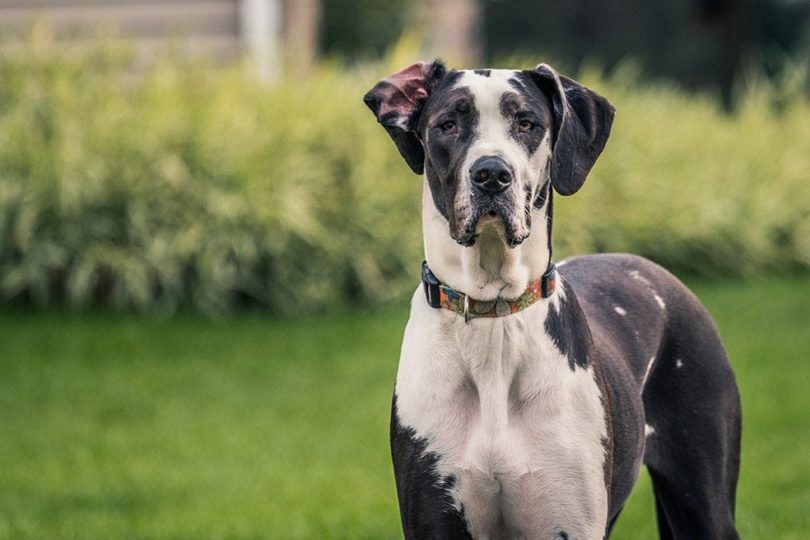
Keep in mind that some coat color genetics can be associated with health risks in certain breeding combinations. The merle color is often associated with deafness and eye problems. If breeding two merles together, the puppies have a 25% chance of inheriting two merle genes. Their chances of deafness and blindness also increase, which is why it is considered unethical to breed two merle Great Danes with each other.

Tail Docking and Ear Cropping
It is still possible in some regions to see Great Danes with cropped ears, although the practice is becoming less common. This practice dates back to working dogs used for hunting and guarding, where cropped ears were sometimes believed to reduce injury risk in the field. Both ear cropping and tail docking serve no functional purpose today and are usually only done for cosmetic reasons. We recommend avoiding these practices at all costs. Not only does the procedure cost a lot, but as with any surgical procedure, they involve pain, anesthesia risks, and potential complications during healing. These are even illegal in some countries today. Do both yourself and the dogs a favor by refraining from these unnecessary practices.
How Much Does a Great Dane Puppy Cost?
Great Dane puppies cost between a few hundred dollars to several thousand dollars. This price changes depending on the pedigree, breeding quality, and location. This breed is an expensive one to own as well. Mature dogs weigh over 100 pounds and have a huge appetite to go along with it. Their list of health issues also makes them some of the top dogs with moderate to high veterinary bills. Their large size must also be accommodated for, meaning you may need more space, larger equipment, and higher overall living costs to keep them comfortable.

Final Thoughts
Although the physical mating process may seem straightforward, breeding Great Danes ethically and safely requires a great deal of knowledge, planning, and health screening. The last thing you should want is to pass along unfavorable genes for generations. If you're determined and responsible about it, make sure you take all the proper steps to achieve it in a safe and humane way.
Next on your reading list:
Featured Image Credit: Earl Wilkerson, Shutterstock
Expert dog care, straight to your inbox
News, insights, expert advice, and everything dog.

No spam — unsubscribe anytime.
By signing up, you agree to our Terms & Conditions and Privacy & Cookies Policy.
How useful was this post?
Click a star to rate. You can leave written feedback afterwards. (We read all feedback.)
Hallie has been a proud nature and animal enthusiast for as long as she can remember. She enjoys spending most of her time in Michigan playing with her two rescue cats, Chewbacca and Lena, and her dog, Clayton. When Hallie isn’t using her degree in English writing articles to spread informative knowledge on pet care, you can find her snuggled up on the couch reading books or watching nature documentaries.