How to Prevent Bloat in Dogs: Vet-Verified Facts & FAQ


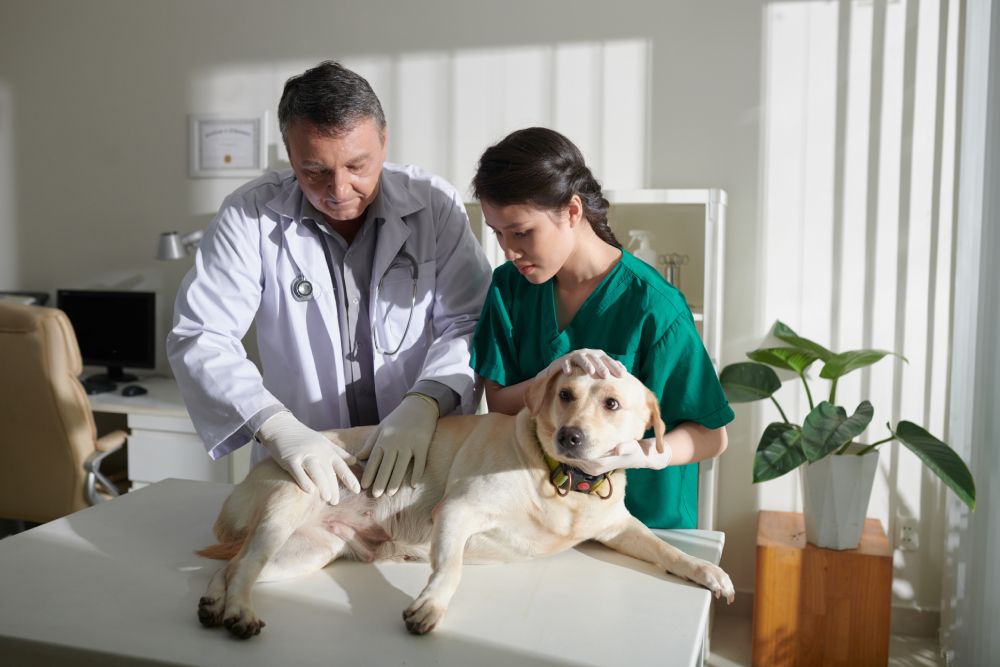
If you’re an owner of a large or giant breed of dog, then you’ve likely heard people talk about the risks of bloat. You may have even heard anecdotes and recommendations on how to prevent the condition. However, there is a lot of misunderstanding in the pet owner community about what bloat actually is, what causes it, and how the risk of its occurrence can be reduced. If you own a dog that is at risk for developing bloat, it’s necessary for you to understand the condition and ways you can work to prevent it.

The 6 Ways to Prevent Bloat in Dogs
1. Feed Smaller Meals
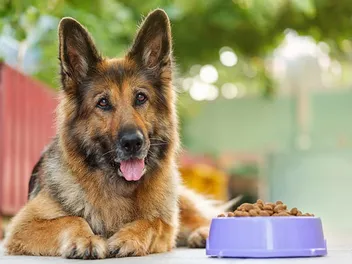
One of the simplest ways you can reduce the risk of bloat in your dog is to feed them multiple small meals throughout the day. Many people just feed their dogs one or two large meals every day, but large meals can increase the risk of bloat occurring, so by reducing the meal size, the risk potentially goes down.
Aim to feed your dog at least three or four small meals throughout the day. You should not change the amount of food they’re receiving every day when you do this—simply break their meals up into smaller portions.

2. Give Food and Water Separately
If your dog eats a meal and then chugs a bowl of water, they may be at an increased risk of developing bloat. So, withhold water for an hour or so after feeding to help prevent this. You should also work to slow down how quickly your dog drinks water. If they’re a water chugger, then it may be best to give them smaller amounts of water at a time and simply refill the water as needed.
This is especially important before and after vigorous exercise. Aim to encourage your dog to take smaller drinks of water more frequently rather than to chug large quantities at once.
3. Slow Down Their Eating
Many dogs love to scarf their food down as quickly as possible, but eating quickly can allow for excess air to get caught up in the stomach, increasing the risk of bloat. Food puzzles, snuffle mats, and other interactive feeders are great options for slowing down how quickly your dog eats. If your dog seems to figure out how to beat their slow feeder quickly, then it may be ideal to have a rotation of them on hand.
You may have heard that feeding your dog from an elevated feeder will reduce the risk of bloat, but studies have indicated that there may be no benefit to doing this. In some cases, feeding from an elevated feeder may even increase the risk of bloat, so it’s best to avoid elevated feeders unless your veterinarian recommends it.1

4. Give Them Their Own Space
Even the friendliest dogs may feel pressured by having other animals or people around them when they’re eating. Some dogs are more likely to eat their food too quickly if they perceive that there may be competition or risks nearby. So, provide your dog with a quiet, private place to enjoy their meals.
If you’re a multi-pet household, make sure each dog has their own personal space to reduce the stress associated with worrying about competition over food. Keep children and other pets, like cats, away while your dog eats as well.
5. Avoid Exercise Near Mealtimes
Vigorous exercise right before and right after meals may increase the risk of bloat. Some people recommend waiting up to 2 hours after meals to exercise your dog to reduce the risk of bloat, but most recommendations are to wait at least 60 minutes. It’s important to reduce the chances of your dog panting and swallowing excess air around their mealtimes since this can increase the chances of bloat occurring.

6. Preventive Gastropexy Surgery
Gastropexy surgery is often performed under emergency circumstances when a dog has experienced bloat. This surgery can be done as part of the prevention of bloat as well. During this procedure, the stomach is tacked to the inside of the abdominal wall, which reduces the risk of the stomach flipping or twisting when bloat occurs. Bloat can still occur, but the odds of the stomach twisting are reduced very significantly, and torsion of the stomach is the most dangerous part of bloat.
Frequently Asked Questions (FAQ)
What Is Bloat?
Bloat, medically known as gastric dilatation is a condition during which the stomach fills with air and gases. When this occurs, the stomach may twist or experience torsion, something called gastric dilatation and volvulus (GDV). Once gastric torsion has occurred, there is no longer a way for anything to escape from the stomach, which means that gases and fluids are without a release.
Gastric torsion also means that the blood vessels feeding the stomach can be cut off, which can quickly begin to lead to the death of tissues. Death of the stomach tissues, also known as ischemic necrosis, and rupture of the stomach are the most life-threatening effects of bloat in dogs.
If you’re concerned about your pet’s well-being, we recommend you contact a veterinarian.
What Causes Bloat?
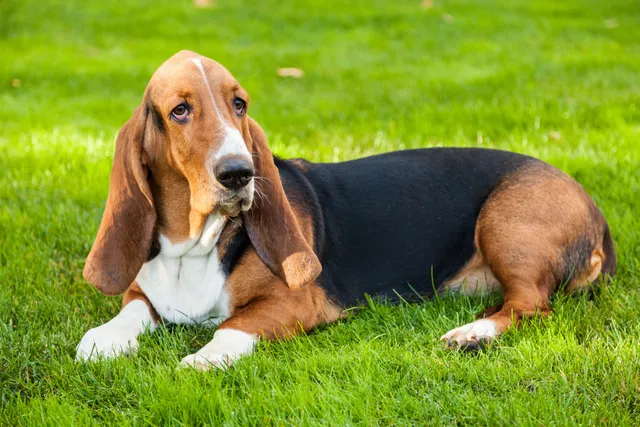
The five main risk factors associated with the development of bloat are age, gender, genetics, eating habits, and breed. Large and giant breed dogs, especially those with deep chests, are at a very high risk of bloat. Some of the common dog breeds to experience bloat are Great Danes, Saint Bernards, Weimaraners, Standard Poodles, Basset Hounds, Doberman Pinschers, German Shorthaired Pointers, Old English Sheepdogs, Gordon Setters, and Irish Setters. Dogs over the age of 7 years seem to be at a higher risk of developing bloat than younger dogs, although dogs that eat quickly, chug water, or exercise vigorously may be at risk at any age. Interestingly, male dogs seem to be at a higher risk of developing bloat than female dogs.
What Are the Signs of Bloat?
- Salivating
- Retching
- Rounded abdomen
- Stretching (bow position)
- Lethargy
- White/pale gums
- Rapid, shallow breathing
- Pacing
- Collapse
Conclusion
If you believe your dog may be experiencing bloat, then you should immediately take them to the nearest veterinarian. Bloat is a medical emergency with outcomes that are frequently determined by how quickly the dog receives treatment. Sometimes bloat in dogs can be fixed by a veterinarian without surgical intervention, but if your dog experiences bloat, then there is a chance that they will need a costly and high-risk emergency surgery.
Sources
Featured Image Credit: Dragon Images, Shutterstock
Expert dog care, straight to your inbox
News, insights, expert advice, and everything dog.

No spam — unsubscribe anytime.
By signing up, you agree to our Terms & Conditions and Privacy & Cookies Policy.
How useful was this post?
Click a star to rate. You can leave written feedback afterwards. (We read all feedback.)
Brooke Billingsley spent 9 years as a veterinary assistant before becoming a nurse in 2013. She lives in Arkansas with her boyfriend, and loves all animals; currently sharing a home with three dogs, two cats, five fish, and two snails. She has a soft spot for special needs animals and has a three-legged senior dog and an internet famous cat with acromegaly and cerebellar hypoplasia. Fish keeping has become a hobby of Brooke’s and she is continually learning how to give her aquarium pets the best life possible. Brooke enjoys gardening and keeps a vegetable garden during the summer months. She stays active with yoga and obtained her 200-hour yoga teacher certification in 2020. She hosts a podcast focusing on folklore and myth and loves spending her free time researching and writing. Brooke believes that every day is an opportunity for learning and growth and she spends time daily working toward new skills and knowledge.