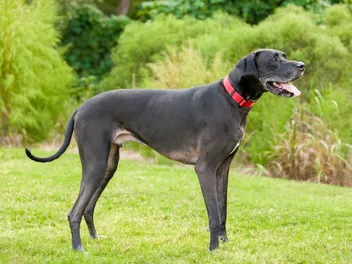
How Much Exercise Do Great Danes Need? From Pups To Seniors! (Vet-Reviewed)


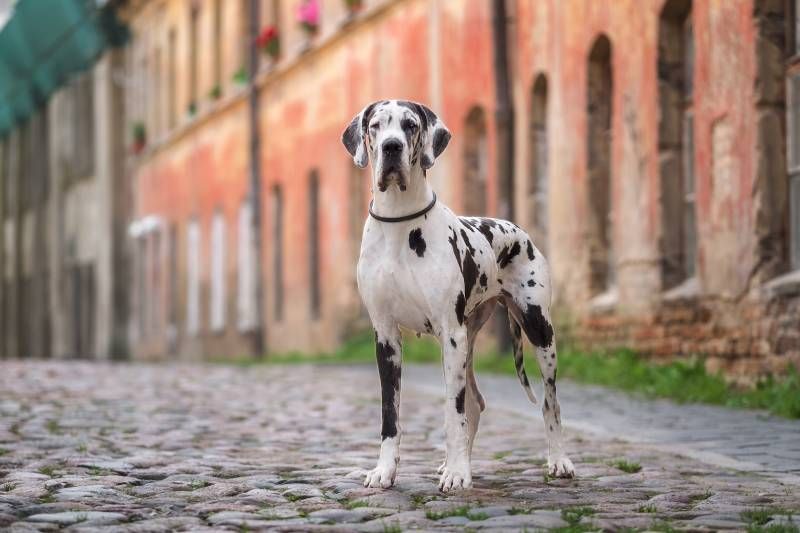
Great Danes make great companions, and they require regular exercise to stay healthy and happy. Providing adequate exercise is a necessary responsibility when owning any pet, and Great Danes are no exception. As the owner of a Great Dane, it is vital to understand their exercise needs so that you can provide them with the best quality of life possible.
Although Great Danes may appear more sedentary than many other large dog breeds, they require movement on a daily basis. Walking your Dane two times a day alongside playtime should be sufficient—this should add up to around 90 minutes of activity, depending on age, health, and lifestyle.
We will look at a few tips that can help you meet the specific exercise needs of Great Danes in this article, as well as discuss the factors that affect their overall activity level.

Why Keeping Your Great Dane Active is Crucial
Exercise is essential for any breed of dog, including Great Danes, which are considered moderately active dogs. First and foremost, regular physical activity helps your Great Dane maintain optimal body weight. Because these dogs are so large, they can easily become overweight if not given enough opportunities to move.
Overweight dogs are more prone to medical conditions such as diabetes, respiratory or joint problems, and those chronic health issues can mount up to miserable pets and expensive vet bills!
It’s vital that you keep your dog physically fit and healthy. Regular activity is key to achieving this goal. Not only will regular physical activity help maintain muscle tone and agility, but it can also help keep their joints strong and flexible. Exercising your Great Dane regularly can provide physical and mental health benefits and help them live a full, happy life.
Not only is exercise advantageous for their muscular development, but it can also have positive impacts on their emotional and mental well-being.
When Great Danes exercise, they not only burn calories but build muscle and strength as well. This increased level of physical activity will help keep them healthy and in shape; however, beyond the physical aspect of it, there are also possible psychological benefits to exercising a Great Dane. Moving around often helps reduce stress and releases endorphins, which trigger a feeling of happiness in dogs.
Just like humans feel more relaxed after doing some form of physical activity, so do our four-legged friends. This type of mental enrichment goes a long way toward staving off behavior problems.
Is it Possible to Over-Exercise a Great Dane?

Depending on the dog's age, size, and health, they will need different levels of activity. The Great Dane is a breed that is not as active as some other breeds, so it is crucial not to overexert them. Considering Great Danes' propensity to joint problems, it's wise to monitor their activity level, adjust it to their age and health, and avoid overly strenuous activities.
Knowing how much exercise your dog needs is key to ensuring they stay healthy and happy. Depending on the dog, this could involve anywhere from 30 minutes to 90 minutes per day of running, playing, or walking. If these activities are done correctly with proper rest time in between workouts, then they will help strengthen your Great Dane's muscles and joints without causing any harm.
However, yes, overexercising a Great Dane can lead to issues such as joint pain and muscle strain due to their large size.
Exercise Needs of Puppies and Senior Great Danes
Puppies and senior Great Danes have different physical needs. Knowing the right amount of physical activity for each age group is key to ensuring your dog is in good health.
Young puppies have a lot of energy to burn off to develop properly and be healthy. Activity helps their muscles grow strong, and their bones stay healthy. Playing games, short bursts of activity, or taking walks with your puppy are great ways to provide them with the physical activity they need, but make sure it’s not too strenuous while they’re still growing. In terms of duration, puppies will need less exercise as they are still maturing, and too much movement can harm their joints.
On the other hand, senior Great Danes don’t require as much exercise since they are done growing—they may even need less exercise if they suffer from age-related problems such as arthritis or hip dysplasia. However, regular workouts can help keep them fit, support joint health, and reduce stress levels in older dogs.
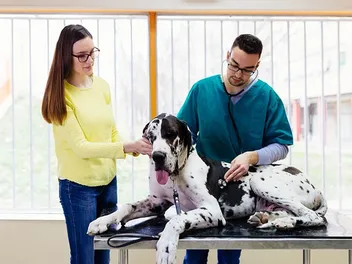
It's always a good idea to consult with a veterinarian to determine the exercise needs of your individual Great Dane.
Providing a Variety of Activities for Great Danes

With the right kind of exercise, Great Danes can learn to focus their energy in productive ways and enjoy life more with their owners. Several different types of workouts can benefit Great Danes. There are a number of options besides daily walks, such as:
- Jogging and hiking: You can take a Great Dane jogging or hiking, but you must wait until they are at least 2 years old to avoid joint damage. Remember to bring water and watch out for signs of heat exhaustion. Do not force a long hike or run, and take frequent breaks so they can rest and sniff.
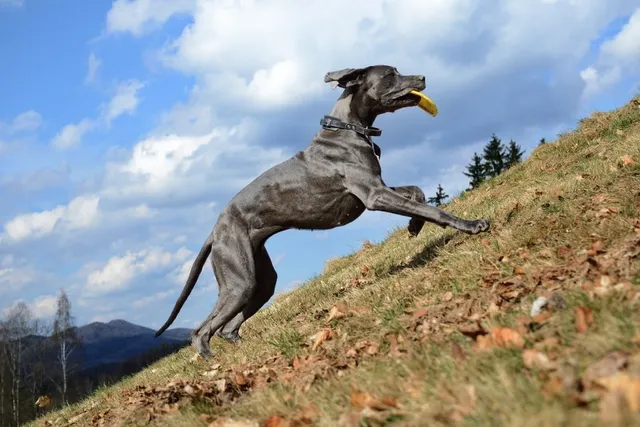
- Playing fetch: Great Danes are spirited dogs, and fetch helps them burn off some of their energy. Just make sure to use a ball that is tough enough for their heavy jaws and appropriate for their size.
- Swimming: Swimming is another excellent form of fitness for some Great Danes as it puts minimal stress on their joints while giving them a good cardio workout.
- Obedience training and agility: Obedience training and agility work can help you bond with your dog while teaching them the proper commands. When it comes to obedience training for Great Danes, the best approach will depend on the age and experience level of your pooch.
Exercising Great Danes: Tips and Tricks
When it comes to owning a Great Dane, the biggest challenge for many owners is ensuring their pet gets enough movement. With a few tips and tricks, exercising your Great Dane can be fun and rewarding for both you and your pup.
Minimizing the Risk of Bloat

Exercising Great Danes is crucial for the breed's overall health and well-being, but it's also necessary to take a few precautions. Bloat, also known as gastric dilation volvulus (GDV), is a life-threatening condition that can occur in large, deep-chested dogs such as Great Danes.
It happens when the stomach distends with gas and twists around its axis, blocking the passage of food and air. To reduce the risk of bloat, it's advisable to avoid rigorous exercise around mealtimes. It's recommended to feed your Great Dane two or three smaller meals per day rather than one large meal. This may help reduce their risk of bloating; however, there are other factors that may predispose a dog to bloat, such as temperament, family history of bloat, inappropriate body weight, age, and others.
Additionally, you should wait at least an hour—preferably two—after feeding before beginning any strenuous activities with your dog, such as running or jumping.
Keep Them Leashed
Exercising your Great Dane can be an enjoyable experience, but it’s generally safest to keep them on a leash in public areas. These large and powerful dogs were originally developed from boar-hunting breeds in Germany, and some individuals may still have a moderate prey drive. This means they pick up on scents that other breeds may not detect, and combined with a moderate prey drive, this could lead to an uncontrollable urge to chase after animals. Keeping them on a leash is safest.
When out on walks or hikes with your Great Dane, it’s necessary to stay mindful of the surroundings. Keeping a watchful eye and controlling their movements will help prevent any potential issues should they be tempted by small critters or interesting scents in the vicinity.
Prevent Overheating

Overheating can be a serious problem for large breeds and may lead to dehydration, heat stroke, and even death. It’s best to avoid exercising your Great Dane in extreme temperatures and instead focus on activities that require less physical exertion, such as swimming.
If you must exercise outdoors during hot seasons, make sure to choose times when the temperature is lower (early morning or late evening), provide plenty of drinking water, keep your dog in the shade where possible, and take frequent breaks.
Watch out for signs of overheating, such as heavy panting, drooling, vomiting, loss of coordination, collapse, or glazed eyes: if you notice any of these signs, stop exercising immediately, cool your dog down by wetting their fur and paws, and seek urgent veterinary care.
Conclusion
In conclusion, Great Danes are a moderately active breed who require an appropriate amount of activity for their health and well-being. Around 60-90 minutes a day should be sufficient for the average adult Great Dane. However, more exercise may be necessary, especially in the case of younger dogs.
Additionally, providing other activities and mental stimulation, such as obedience training, scent work, agility, and others can help to keep their minds active.
See also:
Featured Image Credit: Al_Er. Shutterstock
Expert dog care, straight to your inbox
Vet-reviewed advice, training tips, and the best of Dogster. Free, and you can unsubscribe anytime.
By signing up, you agree to our Terms & Conditions and Privacy & Cookies Policy.
Nicole has loved animals of all sizes her whole life so it's no wonder she has dedicated her career to helping them through what she loves best: learning, writing, and sharing knowledge with others. She’s the proud mom of two dogs, a cat, and a human. With a degree in Education and 15+ years of writing experience, Nicole wants to help pet parents and pets around the planet to live happy, safe, and healthy lives.
Join the conversation
Ask a question, share your story, or send private feedback.