Ask Dr. Paola - HELP! What Costs Are Involved in Adopting a Deaf Dog? (August 10, 2026)
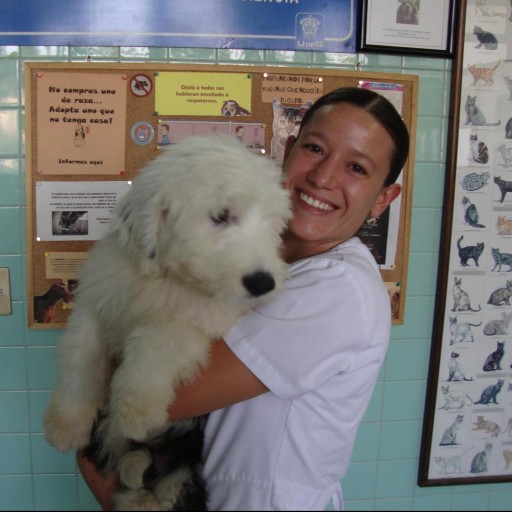
Welcome to our "Ask Dr. Paola" series, where every Monday we bring expert advice straight from Dr. Paola Cuevas (MVZ) to help our readers better understand their dog's health and well-being.
Whether you're a new pet parent or a seasoned dog lover, Dr. Paola is here to provide answers to your most pressing questions. From nutrition tips and preventive care to troubleshooting common behavioral issues, Dr. Paola is ready to offer insights that will keep your furry friend happy and healthy. Stay tuned for expert guidance on a range of topics that matter most to you and your dog, so you can make informed decisions and provide the best possible care for your canine companion. Have a question? Send it in here!

Help! What Costs Are Involved in Adopting a Deaf Dog?
“Hi Dr Paola,
Are there any financial considerations I should be worried about with a deaf dog? I think it's going to be a challenge, but I'm willing to take it on.
Thanks”
- Martin
Hi Martin,
That’s a great attitude going in; deaf dogs do beautifully with the right owner, and bringing one into your home can be rewarding for you both. Provided there are no other significant health issues associated with the deafness, it doesn’t tend to be particularly expensive to manage. Here's what tends to hit the wallet:
The biggest one is training. You can't rely on verbal commands, and you may want a certified trainer experienced with deaf dogs to help you build a vocabulary of hand signals early on, and that sort of guidance isn't free. Vibration collars are another common tool people invest in, used purely to get the dog's attention (never for correction), and a good one can set you back anywhere from $30 to over $100, depending on the range and features you need.
Safety gear is another thing to keep in mind. Since a deaf dog can't hear cars, other dogs, or you calling from behind, secure fencing plus a secure leash and harness are non-negotiable, and a "deaf dog" tag or bandana is worth having so people don't assume aggression when the dog doesn't respond to voice. Some owners also invest in visual alert systems at home, like a leash tug or light system, that can be used to get the dog's attention.
On the medical side, deafness itself often comes bundled with the breed genetics that caused it, think Dalmatians, Australian Shepherds, or double merle dogs, and those breeds can carry a higher chance of eye or skin issues too. So it's worth budgeting for a thorough vet workup early on (a BAER test if you want to confirm the type and extent of hearing loss) and factoring pet insurance into your planning before any related condition becomes a pre-existing exclusion. In fact, it’s a good idea to get pet insurance in place before bringing the dog home.
None of this makes a deaf dog more expensive to own long-term than any other dog; it just shifts where the money goes, more into training tools and safety setup upfront, less into anything hearing-related down the road.
Good luck!
- Dr Paola
This article is a part of our weekly Ask Dr. Paola series
Expert dog care, straight to your inbox
Vet-reviewed advice, training tips, and the best of Dogster. Free, and you can unsubscribe anytime.
By signing up, you agree to our Terms & Conditions and Privacy & Cookies Policy.
Dr. Paola Cuevas is our Senior In-House Veterinarian at Dogster and Pangolia. She has over 19 years of experience working with an array of species and loves sharing her knowledge and experience with our readers and aims to provide assistance with any issue presented by your non-human family members. She received her degree from the University of Guadalajara, Mexico.
Her passions are animal welfare and preventive medicine, and has skills in the fields of nutrition, microscopy, clinical pathology, diagnostic imaging, and endoscopy. Paola frequently contributes pet care insight to various media outlets like PetMD, The Daily Record, Parents.com, etc.
Paola is also an animal behaviorist with extensive experience in positive reinforcement animal training.
Join the conversation
Ask a question, share your story, or send private feedback.