What Is Regurgitation in Dogs? The Differences With Vomiting


In this article
Regurgitation occurs when a dog expels the contents of their esophagus, as opposed to vomiting, which is when the contents of the stomach or first section of the small intestine are expelled. Regurgitation is usually easier on the dog, happens more quickly, and won’t usually have any other signs to accompany the problem.
However, it isn’t always easy to discern between regurgitation and vomiting without inspecting the expelled material. Since regurgitated food did not make it to the stomach, it will not be accompanied by bile and will not have been broken down, so it will look the same as it did when it was eaten, though it may be a bit chewed up and accompanied by saliva and other liquid. The most common causes of regurgitation are food or liquid being consumed too quickly or the body quickly moving an object out of the esophagus.

What Is Regurgitation in Dogs?
Regurgitation is essentially the passive expulsion of food or liquid from the esophagus, the tube-like organ that guides food from the mouth to the stomach; the material has yet not passed to the stomach. With vomiting, the dog’s stomach and diaphragmatic, abdominal, and intercostal muscles need to contract to be able to eject the contents. This isn’t necessary with regurgitation.
At the base of the esophagus, there is a ring-shaped muscle called the sphincter. This muscle enables the material to pass into the stomach but acts to prevent bile and digested and partially digested contents from flowing from the stomach back into the esophagus. Regurgitation occurs when food and liquid that have not passed through the sphincter are returned and expelled through the mouth. Vomiting occurs when the food has passed the sphincter.

What Are the Signs of Regurgitation?
Regurgitation can happen with little to no warning and will appear as though the dog has just lowered their head, opened their mouth, and expelled the food, liquid, or other material. It isn’t usually accompanied by any other signs. Whereas vomiting will include retching and stomach heaving, regurgitation is usually quick and effortless. If there is retching, it may be a sign that the dog is actually vomiting rather than regurgitating.
Regurgitation is no more than a mouthful of material, whereas vomiting can be several mouthfuls. The regurgitated bolus will sometimes even be cylindrical in shape, matching the shape of the esophagus.
Regurgitation does not have any bile and will appear almost identical to how it appeared when it went down. It may be a bit chewed and might have liquid around the bolus. Vomit will sometimes be accompanied by bile, and most of the food will be unrecognizable compared to when it went down.
What Are the Causes of Regurgitation?
Regurgitation is a simple process and usually nothing to worry about, but there are several possible causes. Even if you do believe it was caused by overindulging or eating too quickly, you should keep an eye out for any additional signs of illness.
The possible causes of regurgitation include:
How Do I Care for a Dog That Is Regurgitating?
Regurgitation usually occurs without warning, which means there isn’t usually much that you can do to prevent or prepare the dog. Whether you need to be concerned that the regurgitation is a sign of a bigger problem depends on the cause, and you should consider the context before contacting a vet.
If you know that your dog has swallowed something that has become lodged in their esophagus, you should consult a vet. The item may become dislodged or pass through the esophagus, but if it gets stuck, it could cause choking and may be fatal. A vet may be able to remove the object with forceps, an endoscopy, or a maneuver.
If regurgitation is a common occurrence and there’s no obvious reason—for example, your dog routinely picks up and swallows toys or other objects—it is worth having them checked out. If your dog often regurgitates a complete or partial meal, please visit the vet. Early diagnosis of esophageal disease and especially cancer can improve the prognosis and ensure the best possible resolution.
Otherwise, if it is a one-off incident, keep an eye on your dog for a while, ensure they have plenty of fresh water to drink, and don’t reprimand them for regurgitating.
If you are concerned about the health and well-being of your pet, seek veterinary advice for the best course of action.
Frequently Asked Questions (FAQ)
Is It Normal for a Dog to Regurgitate?
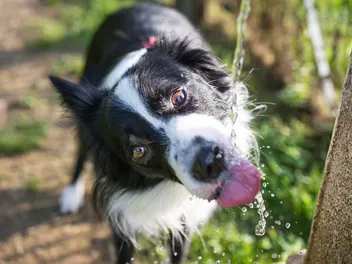
Regurgitation is a natural response to having food or other items stuck in the esophagus. It also occurs when a dog eats or drinks too much, too quickly. However, regular regurgitation may be a sign of illness or another underlying problem, so it is worth getting your dog checked by a vet to ensure that they are not unwell.
Why Is My Dog Regurgitating Undigested Food Hours After Eating?
Regurgitation typically occurs soon after eating or drinking, but there are a few reasons that it might occur hours after eating. The problem might not be stuck food. If your dog has swallowed a toy or anything off the floor, this may have gotten stuck and caused regurgitation. Megaesophagus and other esophageal conditions can cause regurgitation, and a dog might vomit undigested food if they suffer from conditions like gastric hypomotility. These pups do require vet diagnosis and treatment.
Conclusion
Regurgitation is the expulsion of food, liquid, or some other item from the dog’s esophagus. It is different from vomiting because the food has not passed the gastro-esophageal sphincter and entered the stomach. The process is usually quick and effortless, and the most common cause is your dog eating too rapidly or having gotten something stuck in their esophagus.
There may be cause for concern if your dog continues regurgitating regularly, so it is worth getting them checked out by the vet, who will be able to diagnose conditions like megaesophagus, esophagitis, or cancer. If your dog has regurgitated, offer them a bowl of fresh water, and keep them under observation to ensure that they are fine. If this becomes recurrent, please bring them to the veterinary clinic.
Sources
Featured Image Credit: MODMOD, Shutterstock
Expert dog care, straight to your inbox
News, insights, expert advice, and everything dog.

No spam — unsubscribe anytime.
By signing up, you agree to our Terms & Conditions and Privacy & Cookies Policy.
How useful was this post?
Click a star to rate. You can leave written feedback afterwards. (We read all feedback.)
Nicole has loved animals of all sizes her whole life so it's no wonder she has dedicated her career to helping them through what she loves best: learning, writing, and sharing knowledge with others. She’s the proud mom of two dogs, a cat, and a human. With a degree in Education and 15+ years of writing experience, Nicole wants to help pet parents and pets around the planet to live happy, safe, and healthy lives.