Can Dogs Burp? Vet Reviewed Canine Health Facts


In this article
Note from editor to vets: Just a heads up that it was hard to find many reliable sources for this specific topic. I tried to remove anything that wasn’t accurate, but again, finding credible sources for some things was a challenge, so the sources list is very short. It seems the writer did pull some information from sources that we don’t consider reliable, but I think they did the best they could with what was available.
Are dogs capable of burping? It's a question that has sparked intrigue among pet owners and dog lovers for years. While burping is perhaps more commonly associated with people, some owners have observed their furry companions emitting peculiar sounds, especially after a hearty meal. It turns out dogs can burp, but too much can be a cause for concern. Read on to uncover the truth behind the mysterious noises from your dog.

The Science Behind Burping
Burping is a natural bodily function for many animals, as well as humans. This action allows excess air in the digestive system to escape. We frequently burp after consuming fizzy drinks or swallowing excessive amounts of air while eating, for example. Your dog may not drink soda, but similar scenarios, such as ingesting too much air while eating, can occur in canines as well.
Burping occurs when the lower esophageal sphincter (a muscle at the bottom of the food pipe) relaxes, allowing air to escape from the stomach up through the esophagus and back out of the mouth. The process of swallowing air, known as aerophagia, is a common cause of burping.

What Causes Dogs to Burp?
While burping is a natural process in humans, it is not as common in dogs. Although dogs can and do burp from time to time, it can sound different (quieter even) to ours, but not always. In dogs, a few odd burps here and there are completely normal and nothing to be concerned about unless other signs are present alongside it.
Sometimes, burping, particularly if it is excessive or is increasing in frequency, can be a sign of an underlying health issue with the digestive system, and this will require your veterinarian to examine your dog and investigate and treat the cause.
Understanding the common causes of dog burping can help you address the issue and alleviate any discomfort they may be experiencing.
Here are some common factors that can contribute to dog burping:
How to Prevent Your Dog From Burping
While it may not be possible to completely eliminate dog burping, there are steps you can take to minimize it.
Here are some tips to help prevent dog burping.
When to Be Concerned About Dog Burping
While occasional burping in dogs is generally considered normal, there are instances where excessive or persistent burping may be a cause for concern. If you notice any of the following signs, it's advisable to consult with your veterinarian.
- Frequent or excessive burping: If your dog is burping excessively or more frequently than usual, it could be a sign of an underlying digestive issue that requires veterinary attention.
- Change in behavior: If your dog shows signs of discomfort, such as restlessness, loss of appetite, or lethargy, in addition to burping, it could indicate a more serious condition that needs medical evaluation.
- Vomiting: If your dog is experiencing frequent vomiting or is nauseous along with burping, it may be a sign of a gastrointestinal problem that requires immediate veterinary care, particularly if they are burping with non-productive vomiting, as this can indicate a more serious condition called bloat or gastric dilatation-volvulus (GDV).
- Abnormal feces: If you notice changes in your dog's poop, such as diarrhea or feces containing mucus or blood, in addition to excessive burping, it could be an indication of a gastrointestinal issue that needs prompt attention.
If your dog is showing any of these signs and you are seeking the best possible treatment for your pup, we recommend speaking with a vet.
Treating Excessive Dog Burping
The treatment for excessive dog burping depends on the underlying cause. If your dog's burping is due to dietary factors, adjusting their diet may be sufficient to alleviate the issue. However, if the burping is a result of an underlying health condition, veterinary intervention may be necessary.
A veterinarian will perform a thorough examination of your dog and may recommend additional tests, such as blood work or imaging, to identify the root cause of the burping. However, the best course of treatment is to prevent excessive gas in the first place by ensuring your dog has a healthy digestive system.

Tips for a Healthy Digestive System
Maintaining a healthy digestive system forms part of your approach to controlling or preventing burping.
1. Provide a Balanced Diet
Feed your dog a high-quality, nutritionally balanced diet that suits their age, breed, and specific dietary needs. Avoid sudden changes in diet, as it can disrupt their digestive system.

2. Portion Control
Ensure you are feeding your dog the appropriate amount according to their weight and the food manufacturer’s guide. Avoid offering table scraps.
3. Regular Exercise
Regular exercise helps stimulate the digestive system and promotes healthy bowel movements. Daily exercise and playtime to keep your dog active and their digestion functioning optimally should be the norm.

4. Regular Veterinary Check-ups
Regular visits to your vet can help identify any underlying health conditions that may affect your dog's digestive system, such as parasites.
Conclusion
Dogs, like humans, can burp, albeit not as often. Rapid eating, swallowing air, dietary choices, a poorly functioning digestive system, and other underlying health conditions can all contribute to your dog burping. It is important to monitor patterns and seek veterinary advice if you notice any concerning signs or changes in behavior. Remember, a happy and healthy dog starts from the inside!
See Also:
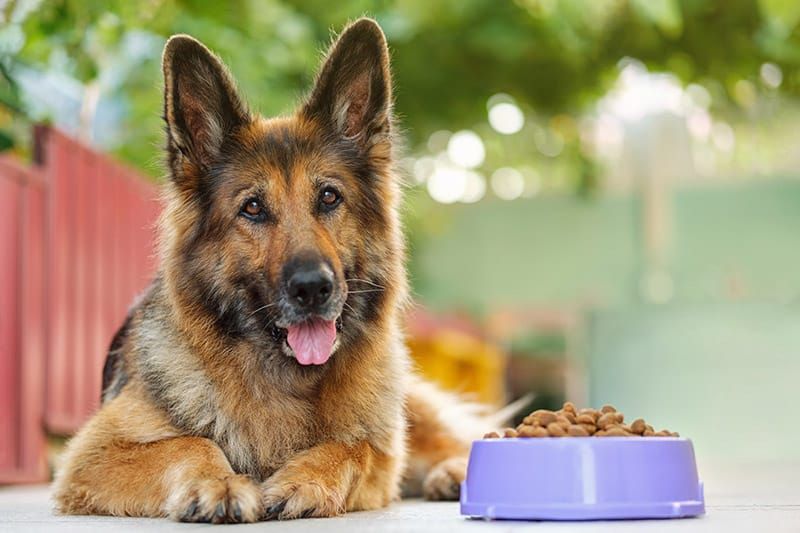
Featured Image Credit: Snezhana_G, Shutterstock
Expert dog care, straight to your inbox
News, insights, expert advice, and everything dog.

No spam — unsubscribe anytime.
By signing up, you agree to our Terms & Conditions and Privacy & Cookies Policy.
How useful was this post?
Click a star to rate. You can leave written feedback afterwards. (We read all feedback.)
Annaliese qualified as a veterinary nurse from Edinburgh in Scotland and went on to obtain a diploma in advanced veterinary nursing in surgery from London. Throughout this time, she worked in both small and mixed veterinary practices and gained head nurse status. Responsible for training other veterinary nurses she also ran the nursing department, nurse clinics and patient care protocols. She has looked after thousands of patients and owners and created new higher standard nursing regimes, whilst specializing in surgery and anesthesia. After being asked to co-author numerous veterinary nursing textbooks, Annaliese continued to write for further mainstream publications in the UK and USA and after twenty-plus years in both the veterinary and pet care professions , she hung up her scrub suit and now writes full-time.