Calendula for Dogs: Vet-Approved Benefits & How to Use it



Calendula is a pretty common herb. It is also known as pot marigold and is often utilized in herbal medicine. On top of its herbal uses, this herb is also simply pretty. Many people cultivate the flowers in their gardens.
Several parts of the plant are utilized for human herbal medicine. However, you should never assume that the same thing that is safe for humans is safe for dogs. Dogs have very different metabolisms than humans, which means that they can react differently to medicine and herbs than humans.
With that in mind, let’s take a look at how dogs react to calendula specifically. Generally speaking, Calendula is considered safe for most dogs. Remember to never give your canine a medication or herb without speaking to a vet first. While we will cover the general reaction most dogs have, it’s essential to consider your specific dog’s reaction.

What Is Calendula?
Calendula is an herb that is sometimes used topically. It has anti-inflammatory and antiseptic properties. The herb has a soothing effect that reduces free radicals, which can prevent inflammation. It also inhibits a particular white blood cell, so it does have some effect on the immune system.
Many people claim that this herb has an antiseptic effect. However, this effect is very weak in most situations. Therefore, it isn’t particularly recommended to be used in this manner.
One feature that this herb has that often isn’t mentioned is its ability to kill slugs, snails, and flukes. Of course, these effects aren’t particularly helpful when caring for dogs. Another less common effect is the herb’s ability to prevent gastric ulcers. It can also delay gastric emptying and digestion, leading to lower blood sugar over time.
Calendula isn’t widely used throughout the veterinary world. However, some holistic vets may use it in specific circumstances. It may help with wound healing, and diluted forms of the herb are often used for eye and ear washes. It is most likely used in non-healing wounds. It can sometimes treat certain stomach problems, such as ulcers and inflammation.
Sadly, no controlled clinical trial has ever been performed on this herb for pets. There have been several larger, uncontrolled studies. However, high-quality information on the use of the herb is difficult to find. Most of what we know comes from clinical experience.

How Is Calendula Given?
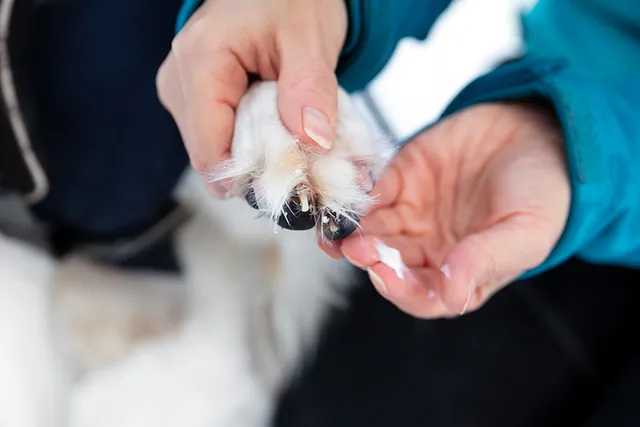
Often, the herb is used topically and is put into a lotion or made into a paste. This paste is applied to your dog’s wound to promote healing. It may also be used alongside other herbs to fight inflammation and similar problems. Always follow a vet’s advice when giving this herb. Because there is no scientific information involving calendula for dogs, the dosage advice can vary widely.
Sometimes, the herb is given internally to help with stomach ulcers. In this case, the herb is often made into a powder to put onto food or liquid to give directly to the dog. It largely depends on what is available. However, topical preparations are not safe for internal use due to the other ingredients commonly added. You must only use calendula that is specifically made to be given internally.
There is no specific dosage recommended, as there aren’t any controlled clinical studies involving this herb. Therefore, the dose may need to be adjusted regularly until it begins working for your dog. Follow a vet’s instructions carefully when giving this herb to your animal, as dosage will depend on their size and the purpose of the herb.
What Happens if You Miss a Dose?
We don’t have any studies on this herb, so we don’t know what may happen if you miss a dose. With that said, this herb is more supportive in nature. Therefore, missing a dose likely won’t cause any serious issues. However, it may prolong wound healing or lessen the herb's effects. You should try to stay on task as much as possible to prevent potential issues from occurring.
If you miss a dose, give it as soon as you realize you’ve missed it. Giving a dose 30 minutes late isn’t a huge deal. If you’re coming close to the next dosage time, skip the dose. Don’t give double the recommended dosage at one time just because you missed a dose previously.

Potential Side Effects of Calendula
For the most part, this herb is considered to be very safe. However, there haven’t been any clinical trials, and information about the herb’s side effects for dogs is hard to come by. Simply put, no one has looked at the herb’s potential side effects. With that said, this herb isn’t considered toxic. Therefore, your dog cannot overdose easily.
Even if your dog consumes more than the recommended amount, the side effects are likely to be minimal or non-existent. One known side effect is uterine contractions. These are minor and only an issue for pregnant dogs. Therefore, you should not give calendula to any pregnant female.
Small amounts of salicylic acid are found in the leaves and stems of the plant. This acid is similar to aspirin. However, the amount is so tiny that overdosing is practically impossible. Some dogs are allergic to calendula. There is a risk of irritation if you apply this herb to a dog that is allergic. However, very few dogs experience severe allergic reactions to this plant. If your dog responds to the plant with irritation or itchiness, don’t continue to use it.
Like most herbs, this plant can cause an upset stomach. Usually, this occurs when the dog consumes a lot of the herb on an empty stomach. Serving the calendula with food may help if your dog seems prone to stomach upset.

Frequently Asked Questions (FAQ)
Is Calendula Safe for Dogs?
Calendula is considered safe for most dogs. It isn’t associated with known side effects and cannot be reasonably overdosed on. Therefore, it is one of the safest herbs you can give your canine.
With that said, it isn’t completely safe. You shouldn’t give it to pregnant dogs, as it can potentially cause uterine contractions. These contractions can cause preterm labor, which is dangerous. Some dogs are allergic to this herb. In that case, the herb may cause a range of side effects, including irritation and itchiness. Luckily, allergies are unlikely to be serious.
In the majority of dogs, this herb is completely safe.
What Is Calendula Good for in Dogs?
This herb is purported to mainly help with inflammation. It may be used to speed up healing in wounds that aren’t healing properly. It is also used by alternative medicine practitioners to prevent and treat stomach ulcers. In most cases, calendula is used topically on wounds and itchy spots.
You may find lotions and creams containing calendula. In that case, the herb may be used to calm irritation. It can also be paired with other herbs topically that perform a similar function.
Because this herb is very safe, these lotions don’t have many side effects. Of course, if your dog is allergic to the herb, don’t use calendula.
Does Calendula Stop Itching?
Calendula seems to have anti-inflammatory properties. Therefore, it can stop itching when inflammation is to blame (usually the case with itchiness). It is considered a soothing herb and is often used in lotions and creams. Many sensitive-skin dog shampoos may contain the herb to curb any irritation before it starts.
With that said, a small subset of dogs may experience irritation and itchiness when using this herb. This reaction is due to allergies. Calendula is a member of the Aster family, and any dog allergic to the Aster family will also be allergic to this herb.

Final Thoughts
Calendula is considered one of the safer herbs for use in dogs. It produces very few side effects and isn’t a common allergy. However, its uses are up for debate. The most studied use is its ability to prevent and heal stomach ulcers, but it may also be used for topical irritation and wound healing.
See Also:
Sources
Featured Image Credit: Mareefe, Pixabay
Expert dog care, straight to your inbox
Vet-reviewed advice, training tips, and the best of Dogster. Free, and you can unsubscribe anytime.
By signing up, you agree to our Terms & Conditions and Privacy & Cookies Policy.
Kristin loves to help pet parents create a fulfilling life for their pets by informing them on the latest scientific discoveries and helping them choose the best products for their pets. She currently resides in Tennessee with three cats, four dogs, two fish, and a lizard, though she has dreams of owning chickens one day!
Join the conversation
Ask a question, share your story, or send private feedback.