Colloidal Silver for Dogs: Vet-Reviewed Safety, Uses & Risks

As both human and veterinary medicine face the real and imminent threat of antibiotic resistance, scientists are under pressure to discover new ways to fight bacterial infections. Interestingly, one treatment that has shown promising results against multidrug-resistant bacteria isn’t new at all. Silver has played a role in human medicine for more than 6000 years, and before the development of antibiotics in the 1940s, it was the most important antimicrobial agent available.
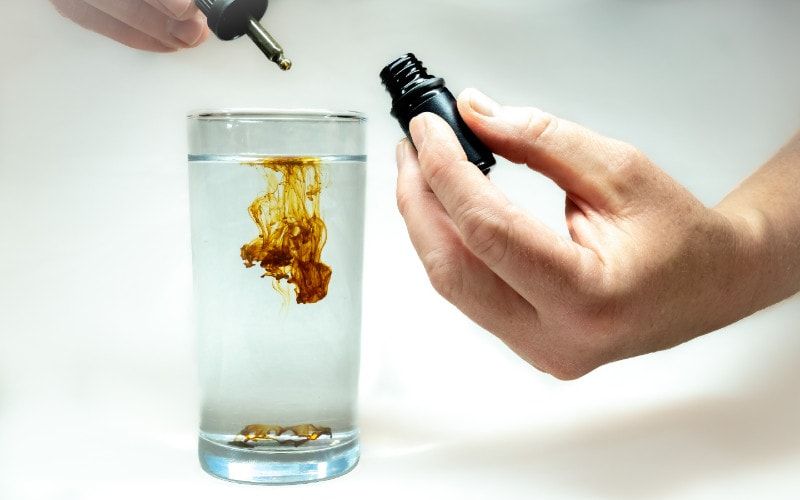
Colloidal silver is a suspension of tiny particles of silver in a medium such as water, a gel, or a cream. Unlike traditional antibiotics, colloidal silver doesn’t directly attack bacterial organisms. Instead, it deactivates the enzymes needed for bacterial respiration, reproduction, and metabolism. Recent studies have also found that silver increases the efficacy of several antibiotics.
While the safety and effectiveness of colloidal silver in human medicine has been — and continues to be — the focus of extensive scientific research, there are comparatively studies on it’s use in veterinary medicine. Can colloidal silver be used for dogs? Is it safe? This article explores the safety, uses, and potential risks of colloidal silver for dogs.

How Does Colloidal Silver Work?

Silver has featured in human medicine throughout human history, from treating stomach pains and wounds in ancient Greece, to the Japanese Jintan pills of the early 1900s that claimed to cure nausea, vomiting, hangover, bad breath and even sunstroke!1 Like many ancient remedies, although there was plenty of evidence to suggest that silver was helpful in treating certain ailments, we couldn’t explain why. And so, silver was relegated to the jewellery box as scientifically proven therapies were developed over the last century. However, as growing antimicrobial resistance threatens to cripple human and veterinary medicine, scientists have found themselves reaching for an ancient solution. Only now, we have a better understanding of how and why it works.
Until very recently, it seemed clear that silver killed bacteria, but we still couldn’t work out how. Although research is ongoing, scientists have identified 4 main mechanisms of action2:
Destabilization of the cell membrane as silver ions bind to the sulfur atoms in proteins and enzymes on the bacterial cell surface.
Production of reactive oxygen species (ROS) which destroy vital cellular structures in bacteria.
Inhibition of metabolic pathways through the binding of silver ions to proteins that have sulfur atom function.
Interaction with bacterial DNA causing the cell cycle to break down.
Even more exciting is that, in addition to being a potentially powerful weapon against harmful bacteria, colloidal silver may also be effective against certain viral and fungal infections.
Ions vs. Nanoparticles
Historically, it is the soluble silver ions (Ag+) that have been used in antimicrobial applications. Silver ions are biologically active and interact with proteins, amino acid residues, free anions, and receptors on cell membranes. Although silver ions are believed to pose a low toxicity risk to humans, chronic use can lead to the accumulation of silver metal/silver sulphide particles, causing permanent blue/gray discoloration of the skin (argyria), eyes (argyrosis), and other organs.3
More recently, the evolution of nanotechnology has led to the development of metal nanoparticles with antimicrobial properties, the most frequently being silver nanoparticles (AgNPs). These AgNPs have been shown to inhibit biofilm formation — the polymeric matrix bacteria produce as defence against the host immune response and antimicrobial agents — with fewer risks than silver ions. In laboratory trials with bacteria isolated from dogs with otitis externa (ear infection), AgNPs significantly reduced biofilm formation, which is a promising step for the use in colloidal silver to treat canine patients.
As this topic continues to provoke scientific interest and more studies are coming out, colloidal silver remains somewhat controversial in veterinary medicine. There are currently no products approved by the FDA for veterinary use, and colloidal silver is only available in over-the-counter prreparations and supplements. Before considering using it for your dog, it’s important to consult with a veterinarian.
What Are the Different Types of Colloidal Silver?
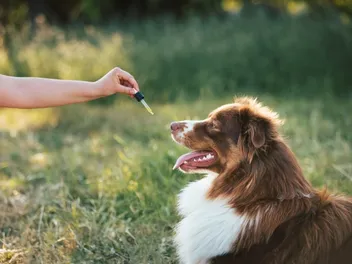
Colloidal silver comes in various forms, including topical, inhalation, and oral ingestion preparations.
Topical preparations of colloidal silver include:
Oral preparations of colloidal silver include:
These forms of colloidal silver are often called other names, such as silver hydrosol or silver water. They can be found online or in holistic health shops for pets. Be aware that these products are not subject to any mandatory testing and are largely self-regulated. The amount and form of colloidal silver can vary, even between batches of the same product. Some hold very low concentrations of colloidal silver, typically ranging from 10 to 30 parts per million.
When Is Colloidal Silver Considered for Dogs?

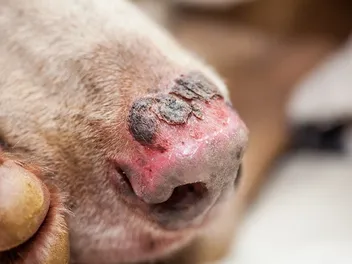
There are reports of colloidal silver being used for treating various skin conditions, digestive issues, and other skin complaints faced by dogs, such as allergies. However, there is currently insufficient scientific evidence to establish a safe dosage of colloidal silver for dogs, or ascertain its potential short-term and long-term side effects and contraindications.
Although the use of silver in human medicine has been the subject of multiple studies, there are still a lot more questions than answers when it comes to its safety in pets. This doesn’t mean there is no place for colloidal silver in veterinary medicine, only that more research is needed.
We know that the efficacy of colloidal silver as an antimicrobial agent is very much dependent on the dose, and although it poses a low risk of toxicity to humans (with the exception of those allergic to silver), we simply don’t have enough information about its effects on dogs. As a result, the concentration of colloidal silver in most products for pets is likely to be very low, to avoid any risks of toxicity. This means they are also unlikely to contain high enough concentrations of colloidal silver to truly be effective.
For now, we recommend discussing the options with your vet, and keep a close eye on the research.
Risks of Colloidal Silver Use in Dogs
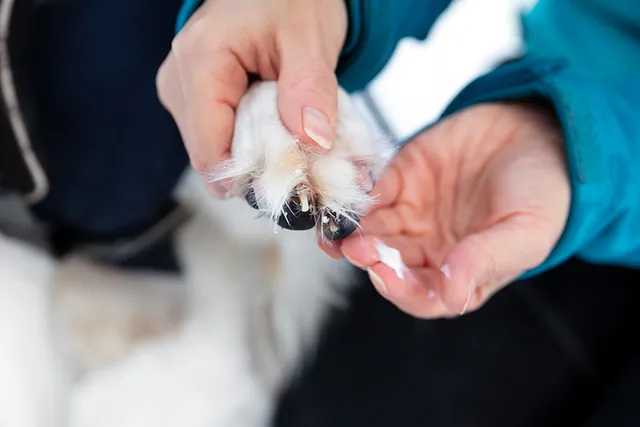
Generally speaking, using colloidal silver on the skin is less risky than giving it by mouth. Used topically, unless your dog actively licks the silver off, it’s unlikely to cause any significant problems, beyond stinging or skin irritation.
It is when colloidal silver is ingested that it becomes a risk. Depending on the dose, colloidal silver can be toxic, particularly if used long-term. It may cause damage to the kidneys and other organs, and can also damage the delicate microbiome in your dog’s gut, resulting in digestive issues such as vomiting and diarrhea, lethargy, weight loss, and more.
Toxicity

If colloidal silver is given in high doses or used long-term, it can lead to the accumulation of silver nanoparticles in the organs. Damage to the kidneys, brain, liver, lungs, and spleen are possible, and neurological issues, including seizures and problems with muscle movement and organ function, can occur.
Can Colloidal Silver Turn Your Dog Blue?
One of the many things that often comes up when speaking about colloidal silver is a condition called Argyria. Argyria is caused by the buildup of silver in the body, which deposits itself in the skin, causing it to turn blue. As well as deposits in the skin, silver can accumulate in other body systems such as the liver, kidneys, and intestines. It can also affect the whites of the eyes (argyrosis).
Large amounts of silver need to be ingested to cause this. However, as the amount of silver in colloidal silver preparations found for pets is unregulated, there is a chance that the dosage could be high enough to cause Argyria in your dog.
Drug Interactions

If your dog takes other medications, you should not give them colloidal silver without consulting a vet. Colloidal silver may interact with several medicines dogs take, such as levothyroxine (used to treat thyroid conditions) and antibiotics, such as penicillin. If taken at the same time, colloidal silver can stop these medications from working as they should.
Alternatives to Colloidal Silver
Some alternatives to colloidal silver also use silver but have different silver ions, meaning the silver's effects and actions are different. For example, wound dressings contain silver sulfadiazine, which is another silver nanomaterial.
Silver sulfadiazine effectively prevents infection in wounds and burns or after complex procedures such as skin grafts in people. They have been studied and are different from colloidal silver. However, even though silver dressings are still used in medicine today, more treatments are available that are just as effective or even more effective.
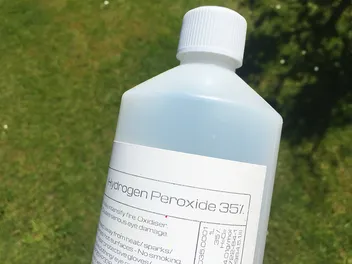
If your dog has a minor wound or hot spot, you might want to consider the following alternatives:
For deep or infected wounds or burns, always speak to your vet.
Conclusion
Although colloidal silver is seen as a potential solution to the problem of antibiotic resistance in humans, the safety and indication for its use in dogs is yet to be established. There are reported benefits, particularly for topical applications such as burn healing, but more effective treatments with established safe doses are available.
Giving your dog colloidal silver orally should not be done without veterinary input. Products designed for pets are not regulated, and the dose and quality of the silver they contain may be ineffective at best; toxic at worst. If you wish to introduce any medication to your dog, please consult your veterinarian.
Sources
Featured Image Credit: samray, Shutterstock
Expert dog care, straight to your inbox
Vet-reviewed advice, training tips, and the best of Dogster. Free, and you can unsubscribe anytime.
By signing up, you agree to our Terms & Conditions and Privacy & Cookies Policy.
Dr. Karyn Kanowski, BVSc MRCVS (Vet)
Dr. Karyn is originally from Queensland, Australia, and has resided in the UK for the past 10 years. She graduated from The University of Queensland School of Veterinary Science in 2010, and also holds a Bachelor’s degree in Zoology. Karyn is passionate about using experience, evidence, and working with pet owners to provide the best solutions for pets. She also believes in making reliable information about animal health accessible to everyone. 5 cats and 4 dogs let her share their home with her and her husband, and when she is not practising as a veterinary surgeon, she spends her time writing, gardening, and cleaning up pet hair!
Join the conversation
Ask a question, share your story, or send private feedback.