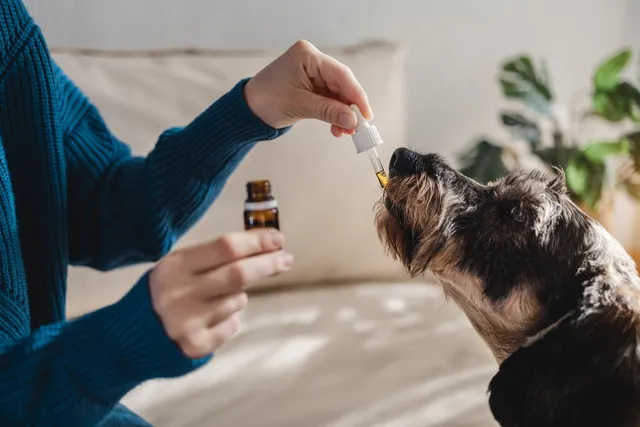
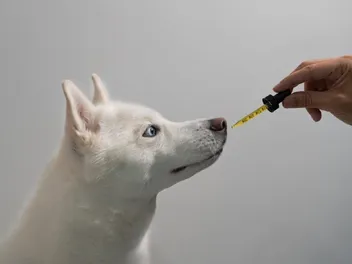
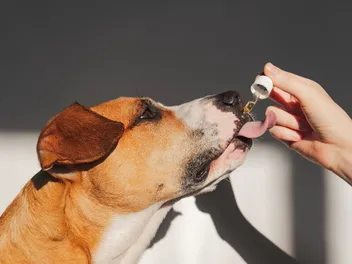
How Much CBD Oil Should I Give My Dog? Vet-Reviewed Dosing Guide


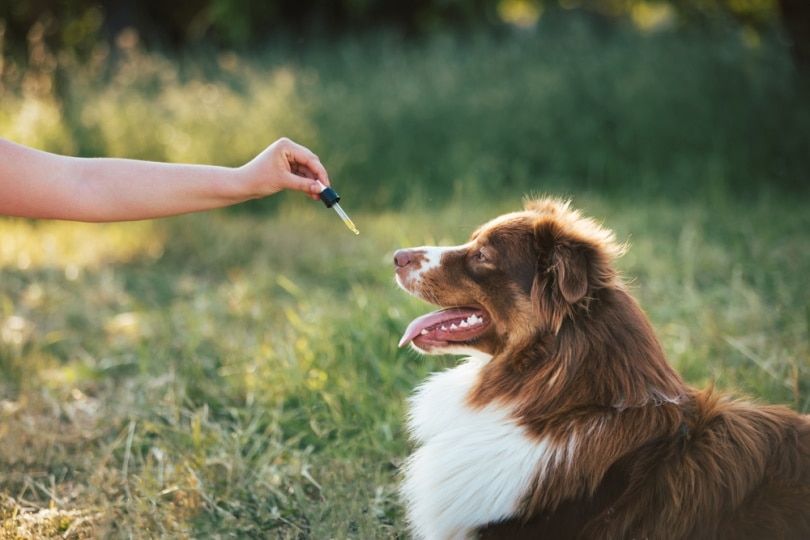
Interest in the potential health effects of CBD has contributed to the rise of various CBD products, including oils, drinks, foods, and other infused products. Since the legalization of medical and recreational cannabis in many regions, public interest in CBD and THC has increased significantly.
But what about CBD oil for dogs? As of today, there are dozens of different CBD oils available for our canine friends. But how much CBD oil can you give your dog safely? And are there any negative side effects to worry about? We have done a bit of research into CBD oil as it relates to canines, and in this article, we’ll answer these questions.

Before We Begin
CBD products can interact with certain medications and may cause adverse effects in some dogs. Because there are no universally accepted dosing guidelines for CBD in veterinary medicine, any use of CBD oil should be discussed with and monitored by a licensed veterinarian. This is especially important if your dog has an underlying medical condition or is taking other medications, as CBD may affect how some drugs are metabolized and could increase the risk of side effects. Always follow your veterinarian’s recommendations regarding product selection, dosing, and monitoring.
CBD Oil Dosing for Dogs
When it comes to CBD oil dosing for dogs, there really isn't a standard rule. Every dog will respond differently according to its breed, size, gender, and overall state of health. It also depends on the type of CBD product you use and the condition or symptoms you are hoping to address.
Most veterinarians who are in favor of CBD oil for dogs typically recommend starting with a very small dosage and adjusting it as needed until you find the sweet spot for your particular canine. However, below is a widely accepted CBD oil dosage recommendation for dogs based on their weight.
Our rule of thumb for pets is to start with 1-2 mg per 10 lbs of body weight, though recommendations vary and veterinary guidance is important.1 This can be given once daily or split into 2 doses throughout the day. However, it's always important to get your vet's approval before administering CBD oil to your dog and to follow their instructions.
| Dog Weight | Dosage |
| 20 pounds | 2-4 mg per day |
| 45 pounds | 5-10 mg per day |
| 100 pounds | 10-20 mg per day |
These are example starting ranges only and should not replace veterinary advice. Appropriate dosing may vary depending on the product, the dog's health status, and the condition being addressed.

Can CBD Help My Dog?
Research has identified potential therapeutic effects of CBD in humans for certain conditions, while research on its effects in dogs is still ongoing. No studies have stated conclusively that it can help them mitigate signs associated with health issues. CBD interacts with several biological systems in the body, including components of the nervous system and the endocannabinoid system, though its exact mechanisms are still being studied.
While research on CBD in dogs is still limited, some pet owners report positive experiences using CBD products, though side effects and effectiveness can vary. While research on CBD in dogs is still limited, some pet owners report positive experiences using CBD products, though side effects and effectiveness can vary. You can find a considerable number of pet owners online who've shared their experiences. Some pet owners report that CBD products provide benefits for their pets, although these reports are anecdotal.
For example, CBD is often used by pet owners to help manage anxiety and discomfort associated with conditions such as arthritis, although evidence for these uses is still developing. Although some studies and anecdotal reports suggest potential benefits, more research is needed to fully understand the effectiveness and safety of CBD in pets.
Here are some of the most common reasons pet owners use CBD oil for dogs:
Potential CBD Benefits for Dogs
Let's take a closer look at some of the other ways that it may benefit your dog.

May Influence Appetite
CBD interacts with the body's endocannabinoid system, which plays a role in regulating various physiological processes. Researchers are still studying how CBD may affect digestive function in dogs. Appetite can be influenced by many factors, including overall health and digestive function. Some pet owners use CBD when their dogs experience stress-related changes in appetite, though evidence supporting this use is limited.
May Improve Mobility Issues
Some studies suggest CBD may help improve comfort and mobility in dogs with osteoarthritis, though more research is needed. Maintaining joint comfort can help dogs stay active and participate more comfortably in daily activities. If your dog has joint discomfort or mobility issues, speak with your veterinarian about whether CBD may be an appropriate part of its treatment plan.

May Help Support Dogs with Anxiety-Related Behaviors
Anxiety in dogs can be caused by many things. The most common causes of anxiety in dogs are loud noises, unfamiliar people, traveling, and fear of being alone. Separation anxiety is a common problem in dogs that are very attached to their owners-- especially if they're young.
CBD treats have become popular among some pet owners for managing anxiety-related behaviors and seizure disorders, but research on their safety and effectiveness in dogs is still ongoing, and veterinary guidance is recommended before use.

What Are the Side Effects of CBD Oil in Dogs?
Although CBD products have not been approved by the FDA for treating most conditions in dogs, it's important to understand their potential side effects and risks before use. According to some studies, it may cause an increase in alkaline phosphatase (or ALP) in the liver. Scientists are still evaluating the clinical significance of these ALP elevations, and it remains unclear whether they indicate liver injury in dogs receiving CBD.
CBD may interact with certain medications by affecting how they are metabolized, which is why veterinary guidance is important before combining CBD with other treatments. Even though research is still ongoing about this issue, you should always consult your veterinarian before beginning any CBD treatment with your dog.

Dry Mouth
Dry mouth has been reported as a potential side effect of CBD in some dogs. If your dog develops signs of dry mouth or other adverse effects while taking CBD, consult your veterinarian about whether the dosage should be adjusted or discontinued. Canines use saliva for many purposes, including dental hygiene and food digestion.
Persistent reductions in saliva production can contribute to oral health issues and discomfort, although mild dry mouth is usually temporary. You may notice your dog trying to make up for the loss of saliva by drinking more water. Make sure your dog has access to plenty of fresh water, and contact your veterinarian if the dry mouth is severe, persistent, or accompanied by other signs.
Vomiting
Vomiting is another potential side effect of CBD oil for dogs. In some cases, a dog might not like the taste of CBD oil and may reject it. This is why many owners choose to add CBD oil into their dog's food or use CBD-infused treats.
There are also many CBD products that contain artificial flavoring to improve palatability and make them more appealing to dogs. It's important to choose an appropriate CBD product and dosage under the guidance of your veterinarian. If your dog develops vomiting after taking CBD oil, contact your veterinarian, especially if the vomiting is persistent, severe, or accompanied by other signs, such as lethargy, refusing food, diarrhea with or without blood, a painful abdomen, or others.
Diarrhea
CBD oil for dogs can cause diarrhea in some cases. However, it can be fairly difficult to determine if it’s causing a dog's diarrhea, or if it's simply a result of unrelated eating habits. To determine if CBD oil is the problem, you can try to remove CBD from your dog's daily routine to see if it improves.
You can test this by resuming your dog's normal diet without CBD and then seeing if the diarrhea issue goes away. If diarrhea improves when CBD is stopped and returns when it is reintroduced, it may suggest sensitivity to the product, and a veterinarian can help determine whether adjustments or alternatives are appropriate.
Potential Sedation
CBD oil may make your dog a bit more sleepy and sluggish--especially if you give the dog too much too soon. Remember that CBD oil can have sedative effects, and it's always best to start with low dosing. When introducing CBD, monitor your dog for signs of drowsiness or lethargy after administration and consult your veterinarian if you notice concerning changes.

Conclusion
CBD may have potential benefits for some dogs, though research is still limited. It interacts with the endocannabinoid system and may help manage discomfort and anxiety-related behaviors in some dogs, though evidence is still emerging. It may influence appetite and mobility in some dogs, but results vary, and more research is needed.
Though CBD has become a widely accepted holistic treatment for certain issues in humans and pets, it's still not approved by the FDA and may cause side effects. So always consult your vet before you start your dog on a CBD regimen and follow up if you notice any undesirable changes in the dog's health or behavior.
See also:
Sources
Featured Image Credit: 24K-Production, Shutterstock
Expert dog care, straight to your inbox
Vet-reviewed advice, training tips, and the best of Dogster. Free, and you can unsubscribe anytime.
By signing up, you agree to our Terms & Conditions and Privacy & Cookies Policy.
Nicole has loved animals of all sizes her whole life so it's no wonder she has dedicated her career to helping them through what she loves best: learning, writing, and sharing knowledge with others. She’s the proud mom of two dogs, a cat, and a human. With a degree in Education and 15+ years of writing experience, Nicole wants to help pet parents and pets around the planet to live happy, safe, and healthy lives.
Join the conversation
Ask a question, share your story, or send private feedback.