Can You Use Hydrogen Peroxide on Dogs? Vet-Reviewed Safety Facts


In this article
If your poor pup just got hurt, you may be wondering if you can use hydrogen peroxide to clean their wound. Or maybe they ingested something that they shouldn't, and you're considering giving them hydrogen peroxide to help them throw up. Before reaching for the hydrogen peroxide bottle in the cupboard, you should understand the risks involved.
So can you use hydrogen peroxide on dogs? The general guidelines for this are clear: Never use hydrogen peroxide on your dog unless it is specifically advised by a veterinarian. Here's what you need to know about using hydrogen peroxide on dogs, the situations in which you can use it on your pet, the risks, and the best alternatives that you should turn to.

What Is Hydrogen Peroxide?
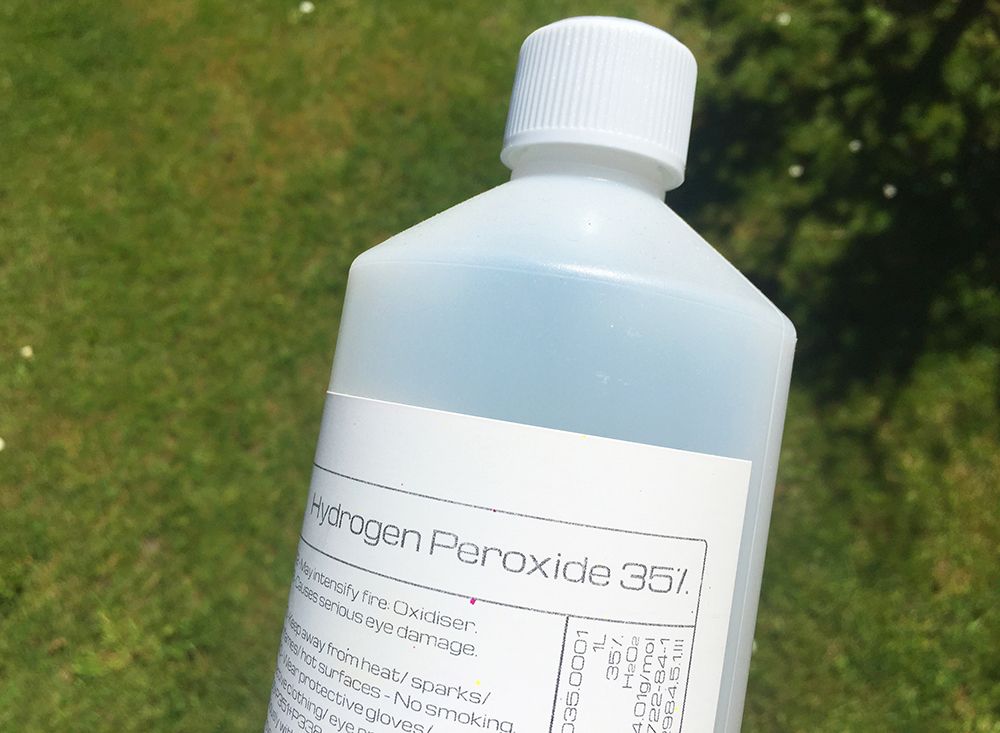
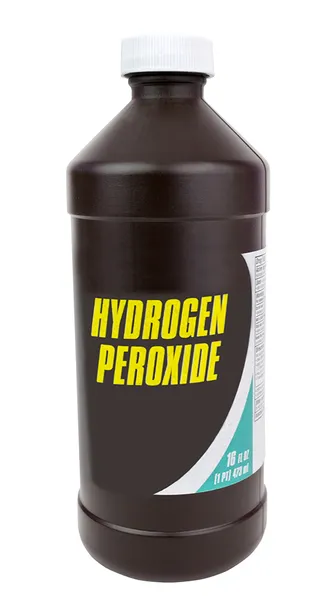
Hydrogen peroxide, or H2O2, is a colorless liquid with oxidizing properties. It's used as an antiseptic and bleaching agent. Commercial brands have low concentrations (3% to 9%) of hydrogen peroxide for medicinal applications and to disinfect surfaces, such as kitchen or bathroom counters.
Can You Put Hydrogen Peroxide on a Dog’s Wound?
If you are in an emergency (for example, your dog was bitten by another dog), you can’t get them to a veterinary hospital quickly, and the only thing that you have on hand is a bottle of 3% hydrogen peroxide, you may use a small amount to flush out dirt and germs from your dog's wound. But it’s better to refrain from doing so, especially if you haven’t talked to a vet yet.
H202 can prevent your dog's wound from healing. It works by killing germs and bacteria and helping to remove debris from the wound. However, it can damage fibroblasts, the cells responsible for proper wound healing. Therefore, using hydrogen peroxide on your dog can hinder the natural healing process of their skin, leading to longer recovery times and possible complications.
So, if it’s the only antiseptic you have to clean the wound, limit the use of hydrogen peroxide to the initial cleaning. Don’t repeat its use.

Can You Use Hydrogen Peroxide to Make Your Dog Throw Up?
According to experts from the Pet Poison Helpline, hydrogen peroxide in a 3% solution may induce vomiting in dogs in certain situations.1 It makes them vomit by irritating their digestive system, often within minutes of ingesting it. However, it can also cause severe irritation and ulceration of the gastrointestinal tract.
Additionally, recent studies have shown that hydrogen peroxide can be more dangerous than previously believed, especially if administered in high or excessive concentrations. For instance, a 2016 prospective clinical study on six dogs found gastric lesions in all dogs after they were given 3% hydrogen peroxide.2
Always call a veterinarian or an emergency veterinary clinic before trying to induce vomiting in your dog. If you can’t reach avet, call the Pet Poison Helpline at (855) 764-7661 or the ASPCA Animal Poison Control Center at (888) 426-4435.

How to Clean Your Dog’s Wound Without Using Hydrogen Peroxide
To properly disinfect your dog's wounds and ensure the best possible healing, ditch the bottle of hydrogen peroxide and opt for a safer method.
Here’s a better way to safely disinfect your dog’s wound:

Final Thoughts
When it comes to using hydrogen peroxide on dogs, this is best avoided. While it has been used to flush out dirt and debris from minor wounds, it can also hinder the natural healing process by damaging healthy tissues. Furthermore, while a solution of 3% hydrogen peroxide may be used by vets to induce vomiting in dogs, doing so on your pet without proper guidance can be dangerous.
Always prioritize your dog's well-being by consulting a vet before using hydrogen peroxide or other chemicals designed to treat humans.
Sources
Featured Image Credit: Noel V. Baebler, Shutterstock
Expert dog care, straight to your inbox
News, insights, expert advice, and everything dog.

No spam — unsubscribe anytime.
By signing up, you agree to our Terms & Conditions and Privacy & Cookies Policy.
How useful was this post?
Click a star to rate. You can leave written feedback afterwards. (We read all feedback.)
A biologist and science writer, Genevieve has a special fondness for capuchin monkeys, pumas, and kangaroos, which has inspired her to volunteer and work at wildlife rehabilitation centers in countries like Bolivia, Guatemala, Canada, and Australia. Now living as a Canadian expat in Argentina, she enjoys the sight of horses and cows outside her home office window every morning. Genevieve is the proud owner of three rescue dogs—Lemmy, Nala, and Pochi—and a lively kitten named Furiosa. She finds happiness and fulfillment in sharing her passion and extensive knowledge of animals with others.