How to Clean a Dog Wound: 10 Vet-Approved Steps


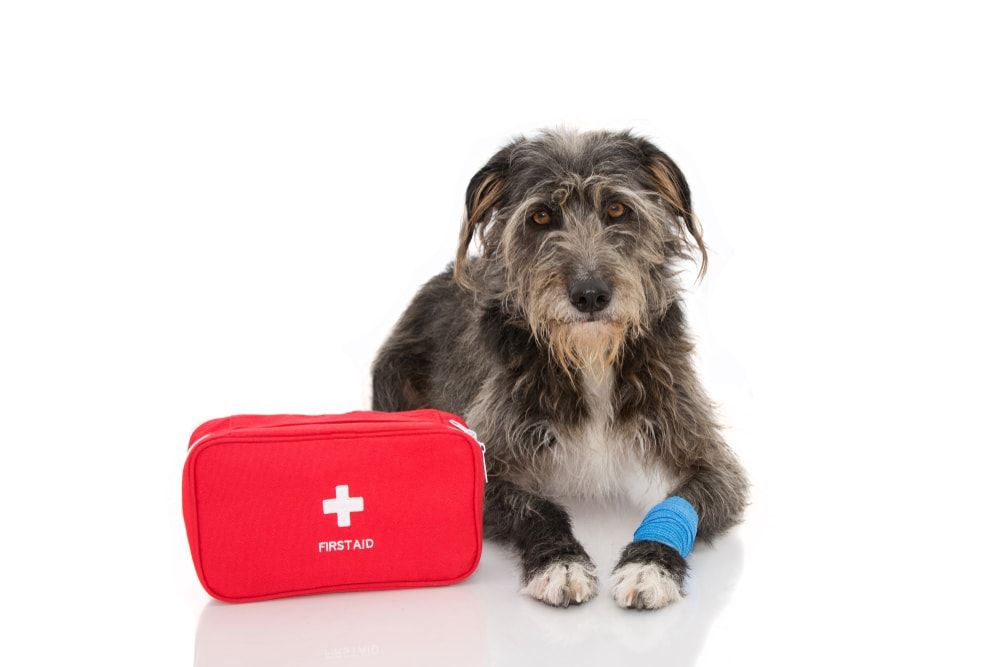
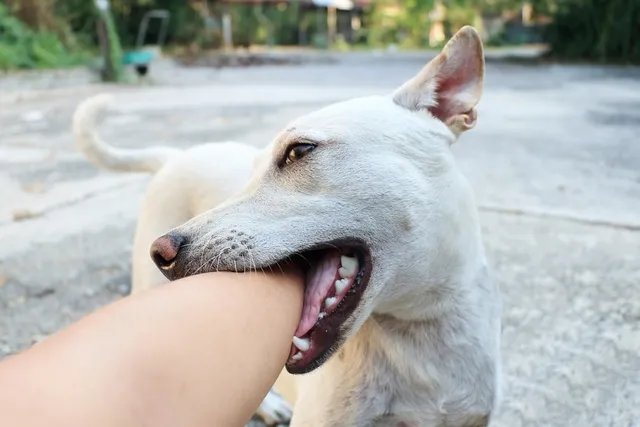
Dog wounds can be a scary thing to deal with, but minor cuts and scrapes are usually safe to treat at home. In fact, knowing how to treat them properly can save you and your dog from unnecessary stress in the future.
There are many different ways to clean a dog wound, but we will discuss the most common and effective method. Our step-by-step guide will show you how to clean a dog wound properly and how to care for the wound until it's healed. We'll also help you decide when it's safe to treat a dog wound at home, and when it's best to seek a veterinarian's care.

How to Clean a Dog Wound in 10 Steps
1. Gather Your Supplies
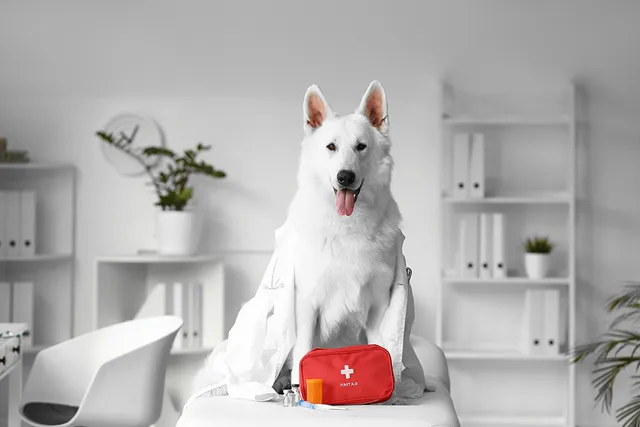
The first thing you'll need to do when cleaning a dog wound is to gather your supplies. You'll need:
- Sterile gauze pads
- Distilled water or saline
- Antibacterial soap
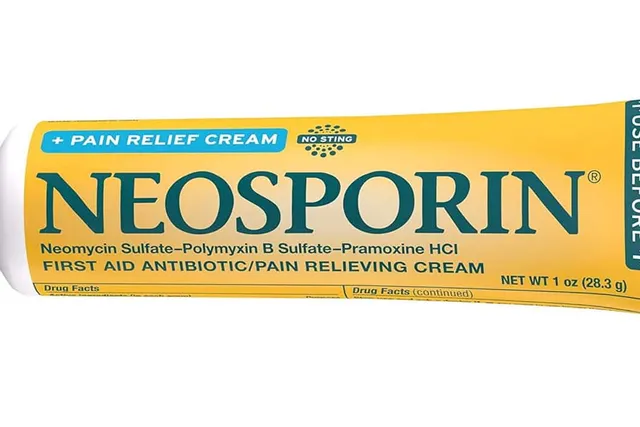
- Antibacterial ointment
- Bandage materials if necessary
- Syringe (optional)
Once you have your supplies gathered, you can start addressing the wound.

2. Stop the Bleeding
While a dog's coat may provide some protection against minor cuts and scrapes, more serious injuries can often result in heavy bleeding. If you find yourself in this situation, it's important to take quick action to stop the bleeding and prevent further problems. The first step is to apply direct pressure to the wound using a clean cloth, towel, or bandage. Once the bleeding has been controlled, you can then reassess the wound. If the bleeding is profuse or pulsing out, get to your closest vet or emergency clinic.
3. Apply Styptic or Clotting Powder
If, after several minutes of applying firm pressure to a minor wound, it is still oozing, you may try applying styptic powder, which is designed to encourage blood clotting and stop bleeding.
Apply a pinch of powder to the wound and re-apply pressure. It should only be used on superficial wounds and grazes and not on burns. It is useful for bleeding toenails too.
In most cases, the bleeding will stop within minutes. However, if you notice that the bleeding persists or worsens, you'll need to consult a veterinarian. The wound may require stitches or other professional wound care. If you're able to stop the bleeding, you may continue with wound care.
4. Rinse the Area
A dog's wound needs to be rinsed, even if it doesn't look dirty. You're not just cleaning away dirt, but also some of the microscopic bacteria that can infect a wound.
It's best to clean a dog's wound with sterile saline solution or sterile water. The best way to do this is with a syringe without the needle attached.
Draw up the solution into the syringe and then gently squirt it over the wound, making sure to get rid of any dirt or debris. You can then use a clean cloth or paper towel to gently pat the area dry. Repeat this process until the wound appears clean.
If you do not have a syringe, gently pour your cleaning solution over the wound, a little at a time, to help flush out contaminants. Repeat this flushing action until no more dirt or debris remains.
If you do not have sterile water or saline, rinse and clean your dog's wound with warm (not hot) tap water using the same methods described above. Preferably, boil the water and leave it to cool first.
5. Clean the Wound with Antiseptic Solution
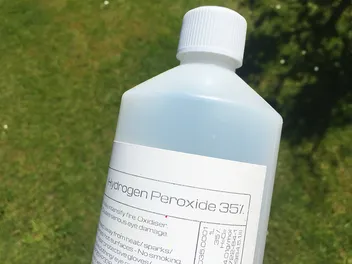
Next, apply a small amount of antiseptic wound-cleaning solution to a gauze pad and gently dab it on the wound to further cleanse it. This step helps to decrease the likelihood of infection. Be sure not to rub the wound, as this will cause more bleeding and possible infection. Chlorhexidine soap or Betadine are suitable to use.

6. Clean Surrounding Areas
Wash the area around the wound with soap and warm water. This helps prevent dirt, debris, and bacteria from re-entering the freshly cleaned wound. Make sure to clean away from the wound rather than towards it.
7. Apply Antibacterial Ointment (Optional)
Apply a thin layer of antibiotic ointment using gauze or a clean cotton swab. This helps prevent an infection and protect new tissue as it forms. Some antibacterial ointments also contain numbing agents that can help to decrease pain.

8. Dress the Wound
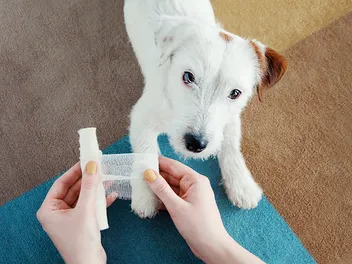
Once you've cleansed and treated the wound, you'll need to apply a sterile bandage. Wrap the bandage around the wound, being careful not to wrap it too tightly. Secure the bandage in place with medical tape or a self-adhesive band. You may need to use gauze rolls or gauze tape to wrap the bandage around your dog’s body, especially if the wound is in a tricky spot. Check bandages several times a day to ensure that they are not too tight, dirty, or soaked through. Bandages should never be wet.
9. Protect the Area
Once your dog's wound is clean, treated, and covered, it's important to keep your dog from chewing or licking the area. Some dogs can simply be told "no" while others need help and encouragement in the form of supportive garments or e-collars.
It's also important to provide your dog with a clean, safe area to rest while they recover. If you have an outdoor dog, consider keeping them inside while they heal. If this is not possible, make sure to provide a safe indoor space with clean bedding, such as a barn or kennel.

10. Consult Your Veterinarian
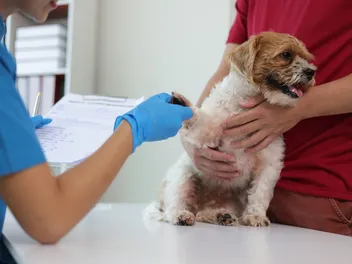
If the wound is bleeding heavily, in a sensitive area, and appears deep or penetrating, it's important to make an appointment to see a vet right away. The wound may need stitches or even surgery in some cases. We would recommend seeing a vet for all but the most minor injuries as they can be worse underneath than they look. In all cases, it's important to seek professional medical attention if the wound does not seem to be healing properly if it's swelling or appears red and irritated, or if you see any pus. It's also important to seek veterinary care if your dog seems to be in pain or distress.
Final Thoughts
Many minor wounds on dogs can be treated at home. But, with improper care, it doesn't take long for an infected wound to become a serious or even life-threatening injury. As long as you follow these steps and seek veterinary care when needed, your dog should recover just fine and be back to their old self in no time.
Featured Image Credit: smrm1977, Shutterstock
Expert dog care, straight to your inbox
News, insights, expert advice, and everything dog.

No spam — unsubscribe anytime.
By signing up, you agree to our Terms & Conditions and Privacy & Cookies Policy.
How useful was this post?
Click a star to rate. You can leave written feedback afterwards. (We read all feedback.)
Nicole has loved animals of all sizes her whole life so it's no wonder she has dedicated her career to helping them through what she loves best: learning, writing, and sharing knowledge with others. She’s the proud mom of two dogs, a cat, and a human. With a degree in Education and 15+ years of writing experience, Nicole wants to help pet parents and pets around the planet to live happy, safe, and healthy lives.