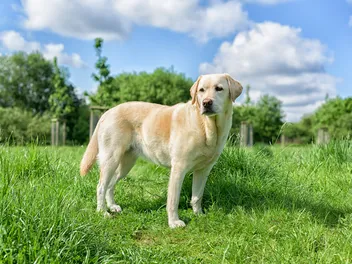
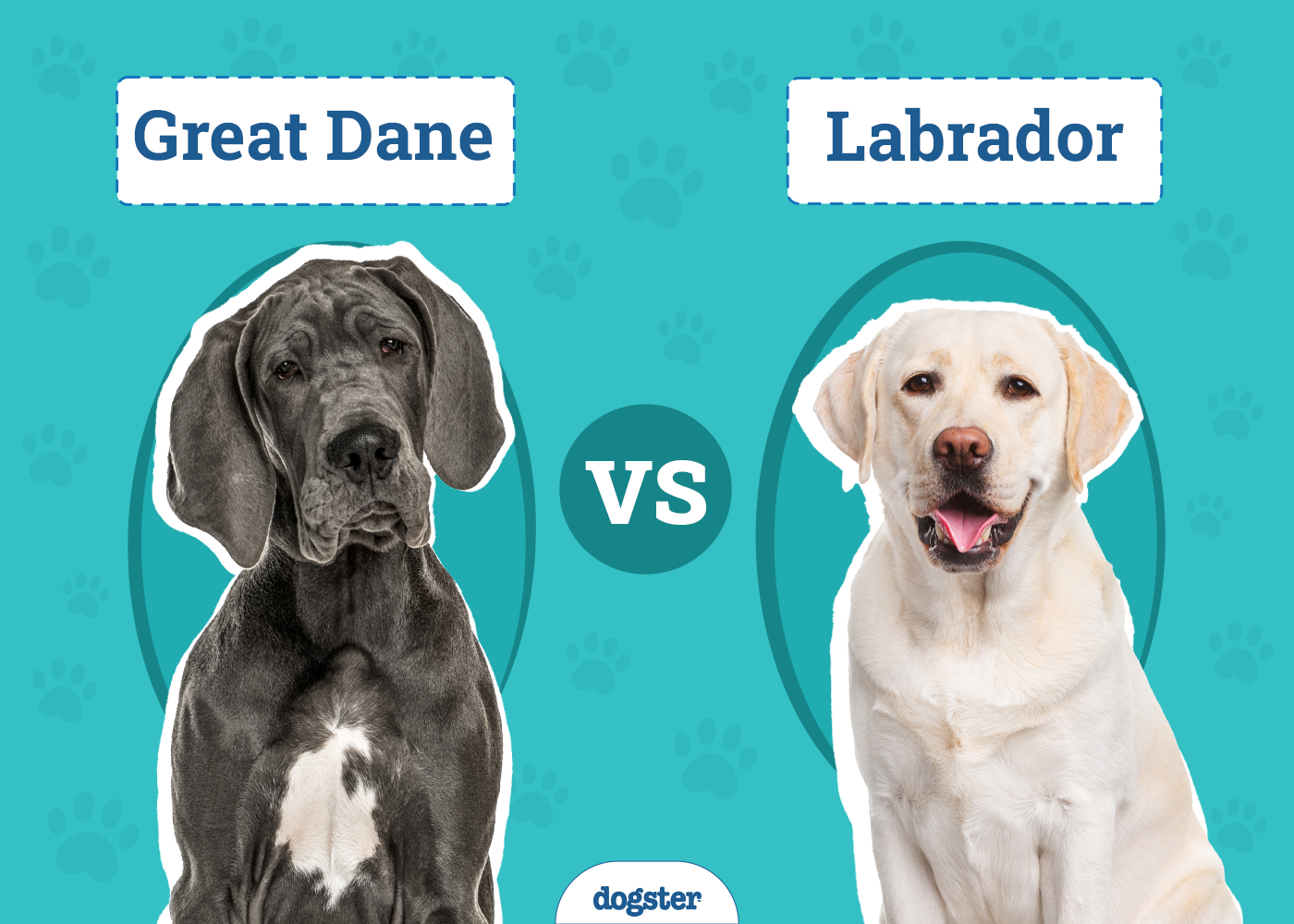
Great Dane vs Labrador: Key Differences (With Pictures)

In this article
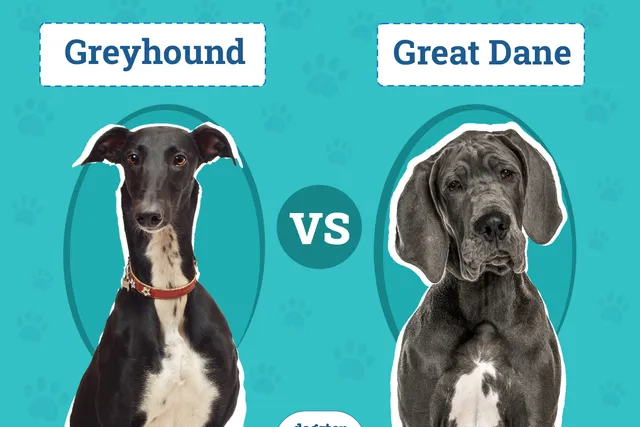
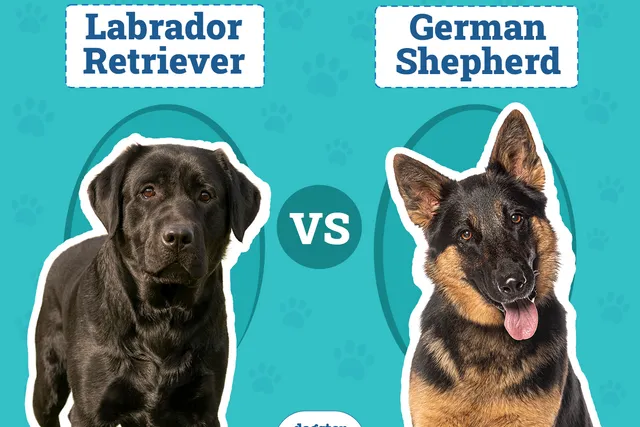
Great Danes and Labradors are both popular dog breeds that make excellent family dogs. While they both have friendly personalities, they’re well-suited for different types of owners. In general, Labradors are a better fit for first-time dog owners due to their adaptive nature. Great Danes do best with experienced dog owners because their giant sizes require extra care and some lifestyle changes.
Our comparison of each breed will help you determine if either one is a good fit for you and your family. We’ll go over their temperaments and care needs so that you can have a better picture of what daily life with either a Great Dane or Labrador could look like.

Visual Differences

At a Glance

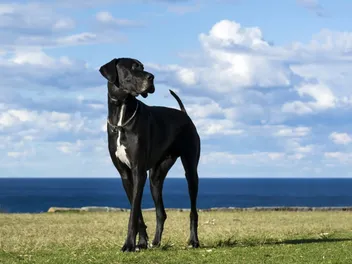
Great Dane Overview

Personality / Character
Great Danes are known as the gentle giants of the dog world. While their origins consist of hunting and guarding estates and carriages, their aggressive and protective traits were bred out over the years, and we now have a friendly and easygoing dog.
This dog breed is social and people-oriented. Great Danes often do well living with other dogs and pets, and they love nothing more than spending the whole day with their families. Because they enjoy human companionship, they don’t do well being left alone for long hours.
Great Dane owners also have to be mindful of making some adjustments to their homes to accommodate this giant breed. Great Danes can easily reach tabletops and exceed 6 feet tall when standing on their hind legs. So, clever Great Danes can figure out how to nudge overhead cabinets open.
Exercise 🐕
Great Danes aren’t particularly energetic dogs and require about 45 minutes of exercise a day. Mature Great Danes can enjoy leisurely walks around the neighborhood, while puppies and young adults can expend their energy running around in a fenced yard.
It’s important to keep in mind that giant dog breeds are susceptible to joint issues, like hip dysplasia and arthritis, as they age. So, dog owners must pay extra attention to a Great Dane’s daily exercise routine and ensure that they’re not overexerting themselves.

Training 🎾
Great Danes are people-oriented and eager to please, so they’re pretty easy to train. They’ll most likely live harmoniously with other dogs and pets with proper socialization. Due to their large size, Great Danes are better suited for families with older children. However, Great Danes aren’t known to play aggressively or be pushy, so they can be good companions for young children. Just make sure to supervise interactions and teach children how to interact with dogs respectfully.
Health & Care
Great Danes, unfortunately, have a shorter than average lifespan and usually live between 7 and 10 years. These dogs are relatively healthy, but they can start to experience joint and muscle issues as they age. Owners should also be mindful of bloat, which can occur when dogs eat too quickly, drink too much water, or exercise vigorously right after eating. This is a dangerous and life-threatening condition that requires immediate veterinary care.
Owners of Great Danes must also be prepared to increase their budget for pet care costs. Due to their large size, Great Danes need to eat more food and use larger equipment and supplies, which are significantly more expensive than average-sized pet supplies. This dog breed also tends to have higher pet insurance premiums than other breeds.

Grooming ✂️
Great Danes have relatively minimal grooming needs. They should be brushed once a week with a pin brush or bristle brush. This will help keep their coat smooth, pick-up loose hairs, and reduce shedding around the house.
This breed isn’t known to smell and can do well with getting baths every 6 to 8 weeks. Using a shampoo with moisturizing ingredients will help prevent over-drying the dog’s skin. Great Danes with uncropped ears should also get their ears cleaned regularly with an ear cleanser. Moisture can get trapped easily and lead to bacterial infections, so it’s important to pay attention to their ears and ensure that they’re dry.
Suitable for:
Great Danes are a great fit for experienced dog owners that can care for the unique needs that giant dog breeds have. They can fit in with families with young children or multiple pets. Great Danes don’t enjoy being by themselves for too long and can develop separation anxiety, so they should be in homes where someone can be with them for most parts of their days.
Labrador Overview

Personality / Character
Labradors have been one of the most popular dog breeds in the US for the past 3 decades, and with good reason. These dogs are highly intuitive, friendly, and people oriented. Many Labradors become successful service dogs and therapy dogs due to their strong work ethic and trainability.
Labradors are excellent choices for first-time dog owners. They don’t typically have extra needs outside of average dog care, and they often become loyal and loving family members. However, as companion dogs, they don’t do well by themselves for too long. So, they’ll benefit greatly from dog daycare or walkers for days you plan to be out of the house for most of the day.
While there are speculations that Labradors have different temperaments depending on their coat color, there isn’t sufficient evidence that this is true. Temperament depends more on the personality of the Labrador’s parents and its upbringing rather than coat type.
Exercise 🐕
Labradors aren’t the most athletic dogs, but they have a lot of stamina and can work for long hours. Labrador puppies and young adults can have a lot of energy, and they’ll enjoy playing all kinds of games that include their humans, like fetch and tug. Mature adults are content with daily walks, and many will enjoy going to the dog park to release any pent-up energy and get their social needs met.
Labradors are the perfect companion for road trips and outdoor sports. They’re happy as long as they’re with their favorite people and are up for participating in most activities.

Training 🎾
Labradors have a reputation for being easy to train, but they still require formal obedience training to learn good behavior and form a strong bond with their owners. It never hurts to enroll your Labrador in a group or individual obedience training class to establish a strong foundation in training. Fortunately, Labradors are quick learners and eager to please. So, training is often a fun experience for both the dog and the human.
Labradors don’t tend to have a strong prey drive, so they often get along with cats and small pets. They’re also gentle around children and are known to get protective and keep an eye out for children in their families.
Health & Care
Labradors are a generally healthy breed, but they’re susceptible to a few health issues as they age. Like Great Danes, Labradors are prone to joint issues and bloat. They can also have sensitive skin and coats and get cases of acute moist dermatitis.
It’s also important for dog owners to give Labradors plenty of exercise because they’re prone to weight gain due to a genetic variation. They often have insatiable appetites and can overeat. So, owners must keep track of their Labrador’s weight and make sure that they’re not overfeeding them.

Grooming ✂️
Labradors have minimal grooming needs. Similar to the Great Dane, they’ll benefit from a weekly brushing with a bristle brush or slicker brush. You can also use a deshedding tool during shedding season to prevent too much hair from getting all over the house.
Labradors can get by with bathing every 4 to 6 weeks. Since they can have sensitive skin, it’s important to use shampoo with a moisturizing formula. They may also need conditioner to nourish their skin.
Make sure to check their ears regularly for any ear infections and use an ear cleanse to rinse their ears. Labradors are prone to ear infections, especially if they love to play in the water and swim often.
Suitable for:
Labradors are excellent companions for first-time dog owners. Their friendly and eager-to-please temperaments make them easier to train than many other dog breeds, and they’re not known to have a stubborn streak. Labradors are also often patient with children and make wonderful family dogs. Similar to Great Danes, Labradors don’t do well being home alone for long hours. So, they’ll do best in homes where someone can usually stay with them.

Which Breed Is Right for You?

Both the Great Dane and Labrador are excellent family dogs. Due to the Great Dane’s large size, it’s often more well-suited for experienced dog owners and families with older children. Caring for Great Danes also tends to be more expensive because they eat more, require larger pet supplies, and have more expensive pet insurance rates.
The Labrador has a more adaptable personality and is usually content with doing whatever their favorite people are doing. So, they’re more suitable for first-time dog owners or people who can’t accommodate some of the lifestyle changes that Great Danes require. Owners just have to make sure that they’re able to meet a Labrador’s companionship needs and be on top of their diet and exercise to prevent excessive weight gain and obesity.
Related Reads:
Featured Image Credit: Top - Tara Lynn and Co, Shutterstock | Bottom - Neil, Pexels
Expert dog care, straight to your inbox
Vet-reviewed advice, training tips, and the best of Dogster. Free, and you can unsubscribe anytime.
By signing up, you agree to our Terms & Conditions and Privacy & Cookies Policy.
Jessica is a freelance writer who spends bigger part of her day researching and writing while her furry companion Cavapoo, Nora, snoozes beside her. She loves dogs, pets and animals because there’s so much to learn from them, and they do so much for us. As a dog mom, she understands the strong connection that pet parents have with their pets. So, she loves sharing helpful information that pet owners can use to better understand their beloved pets. When she isn't writing, you may find her walking dogs, tending to her plants, or drinking her nth cup of coffee.
Join the conversation
Ask a question, share your story, or send private feedback.