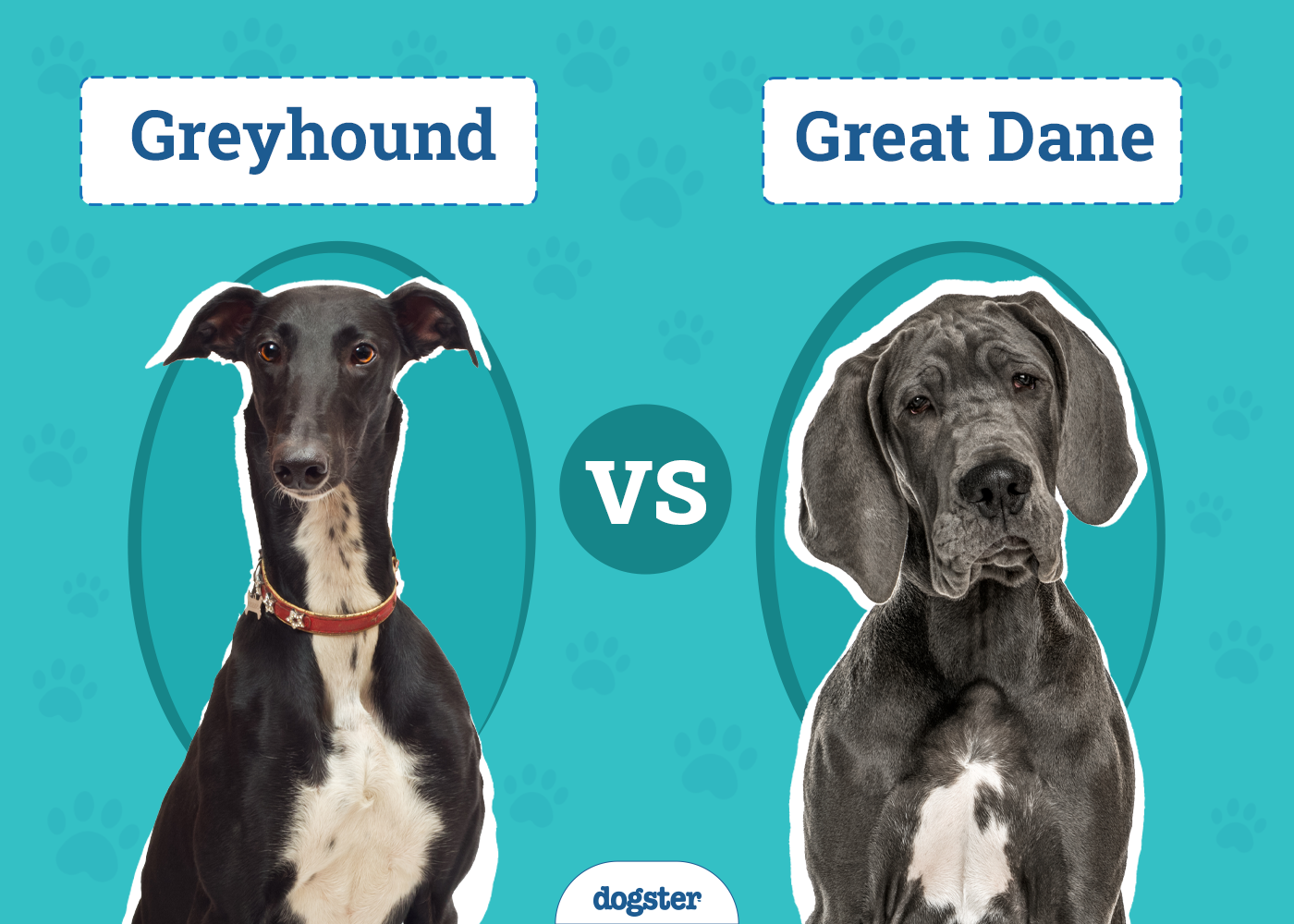
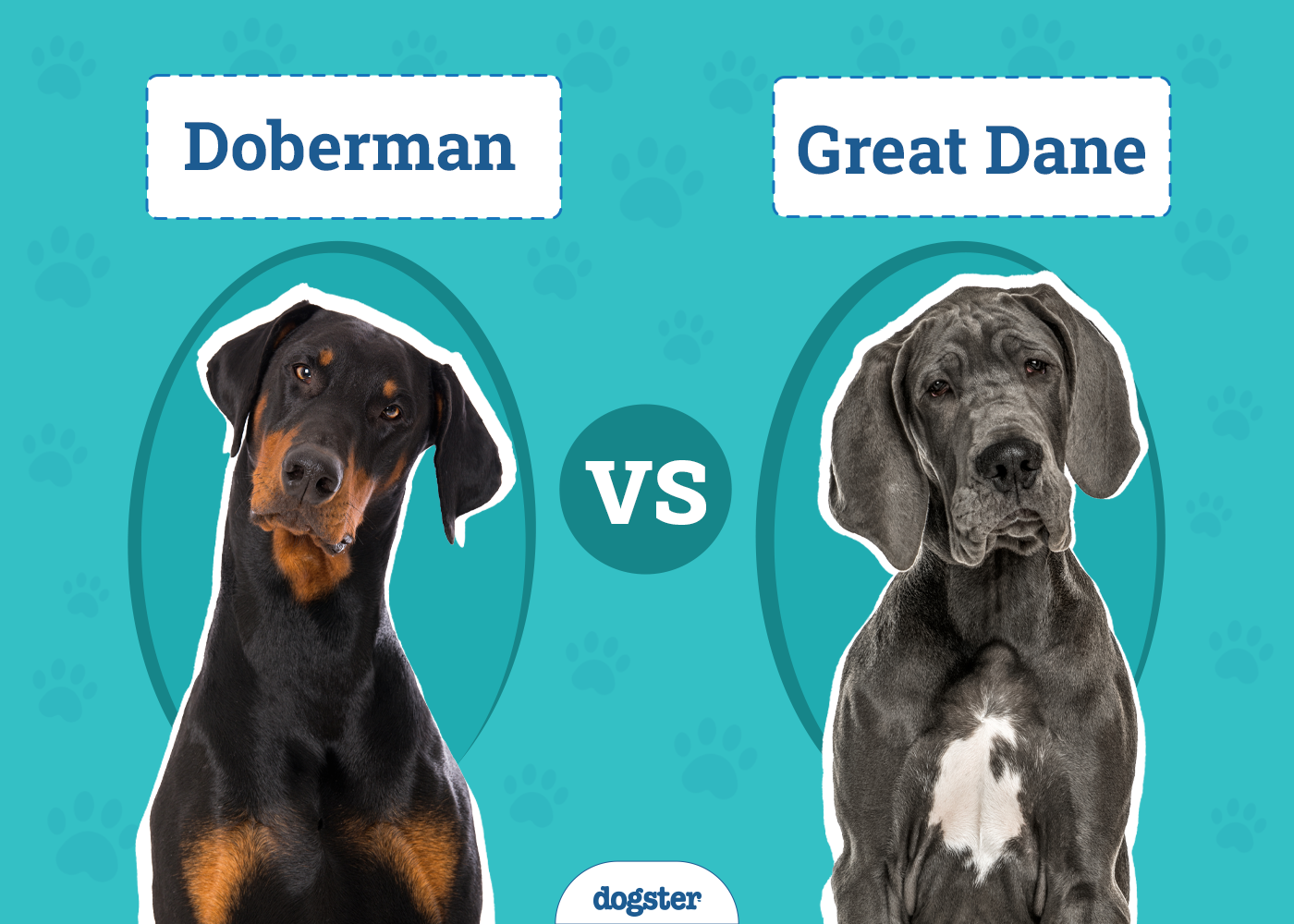
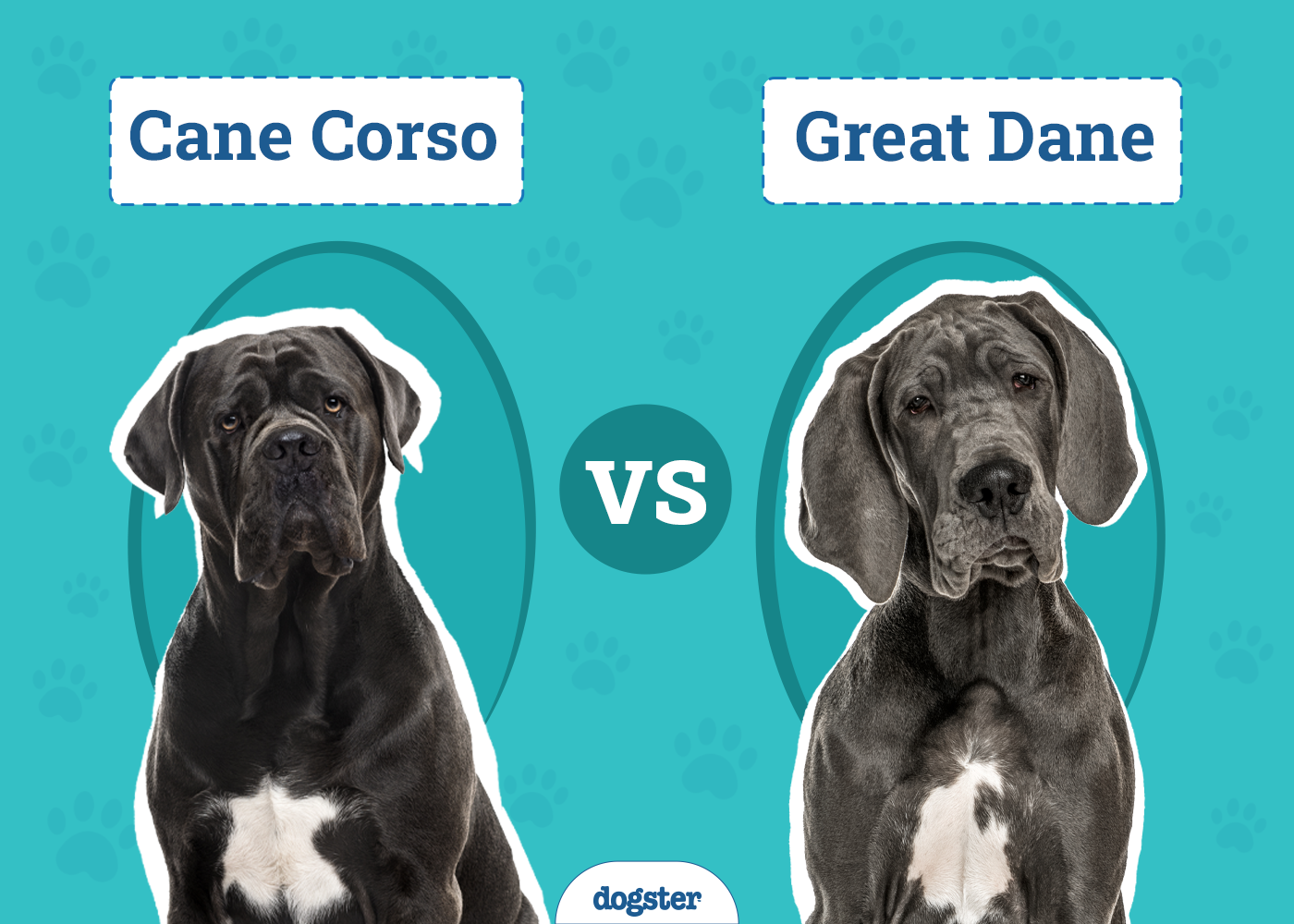
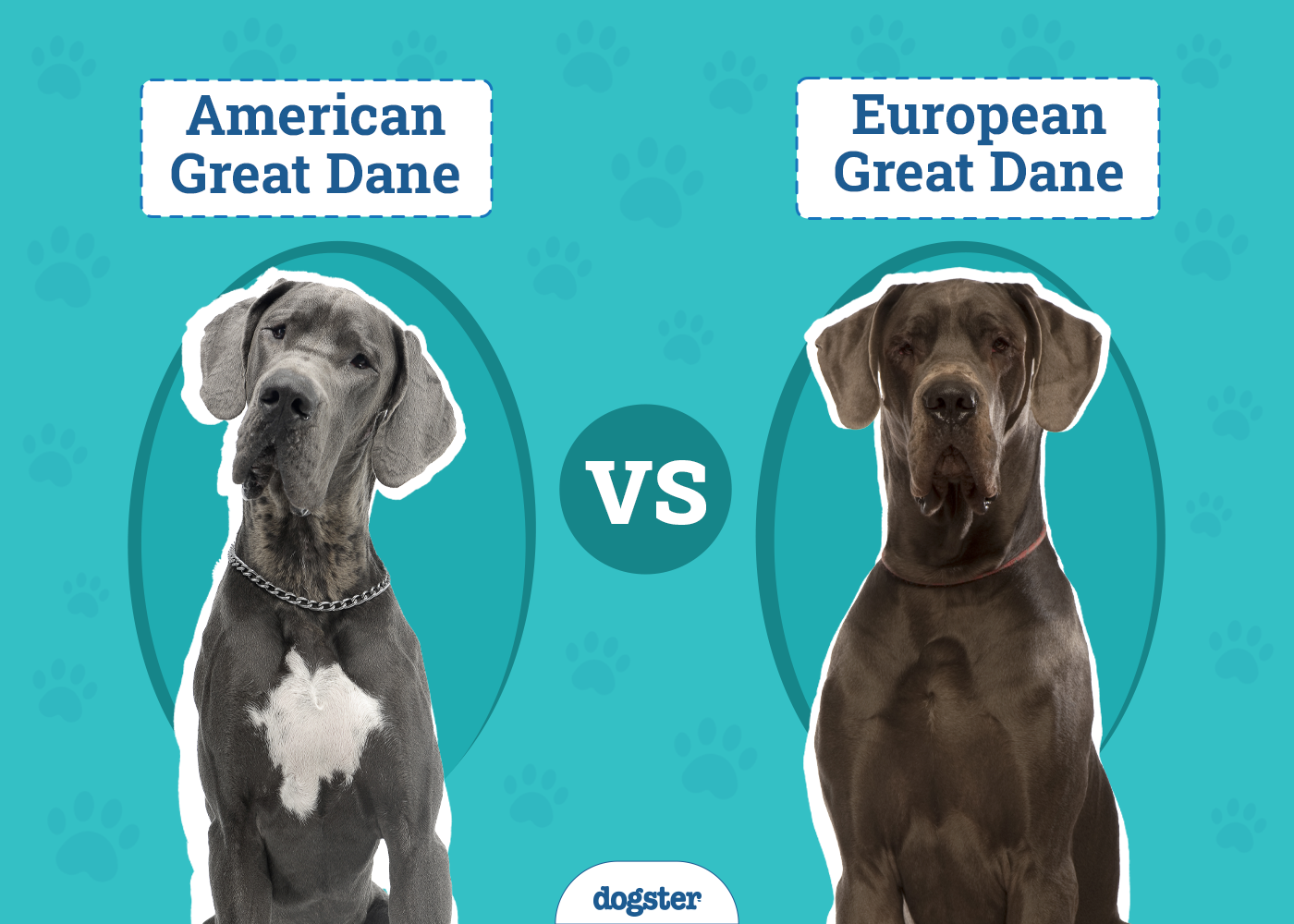
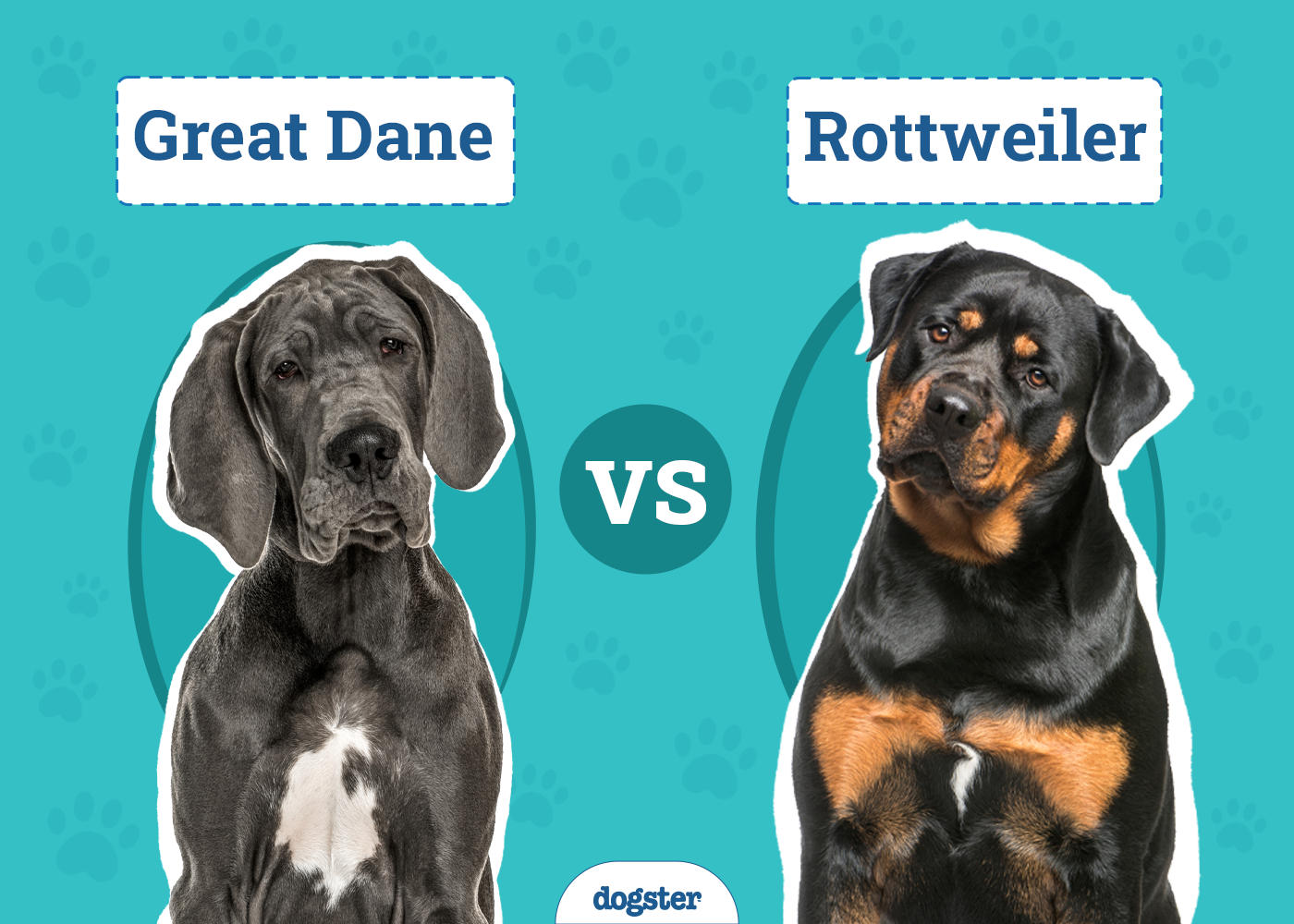
Great Dane vs German Shepherd: Notable Differences (With Pictures)
In this article
Beginning the search for the ideal breed of dog to join your life can be an exciting process, but one that requires a lot of research. If you’ve decided you want a large or giant dog to join your family, chances are you’ve considered both German Shepherds and Great Danes as options.
German Shepherds are famous for their quick and alert temperaments and their eagerness to perform physically. They’re loyal, caring, and fearless. Great Danes are known to be incredibly playful, affectionate, and gentle. While they are trainable and protective of their humans, they are happiest spending quality time with their families.
The two breeds not only have many commonalities, but also some significant differences that can make one a better fit for certain people than others. While you can’t go wrong with either breed (they’re both popular for good reason!), choosing a breed that fits well into your unique life can only increase the happiness that you and your dog bring to each other. Read on for more information that can help you make the most informed choice.

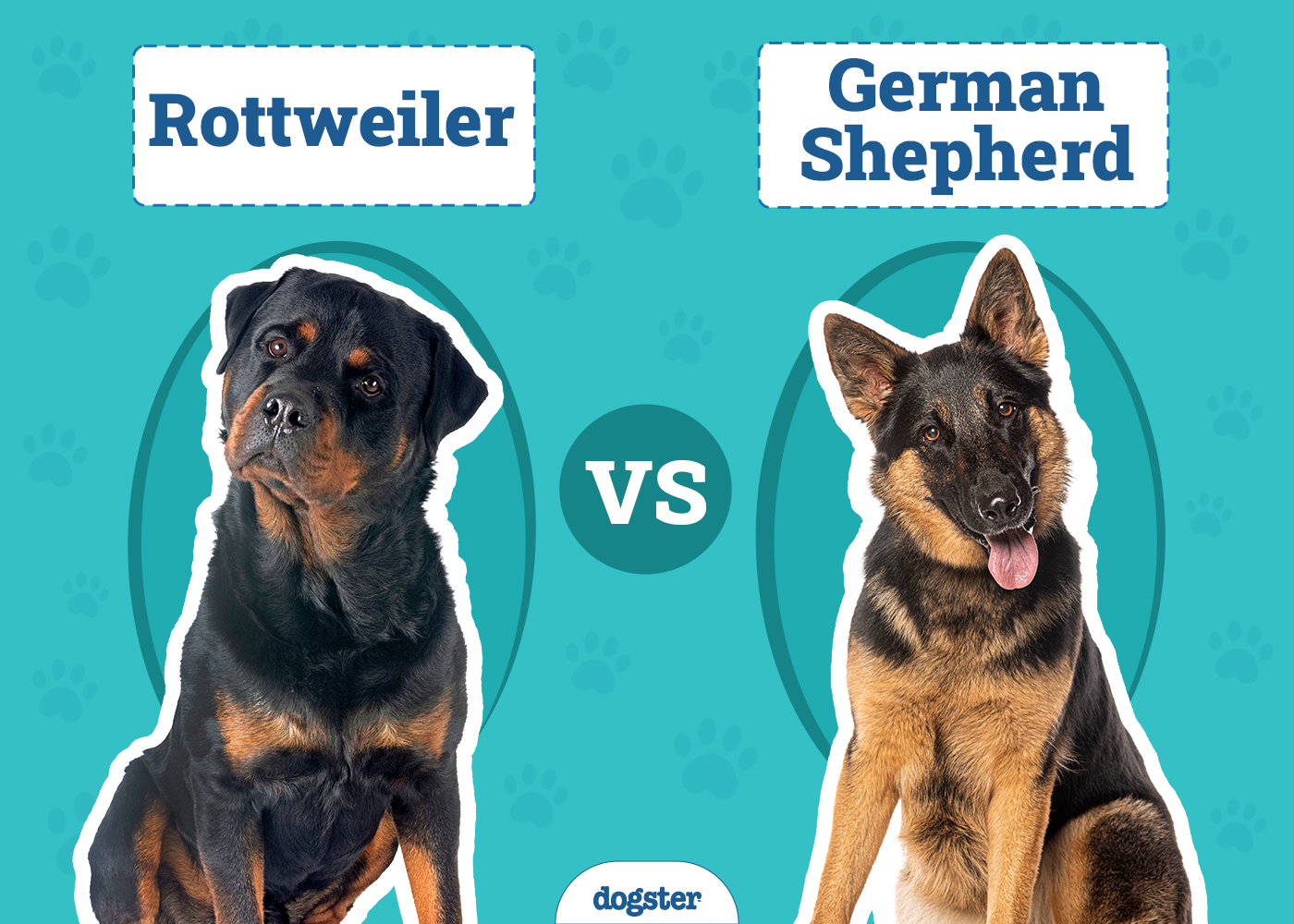
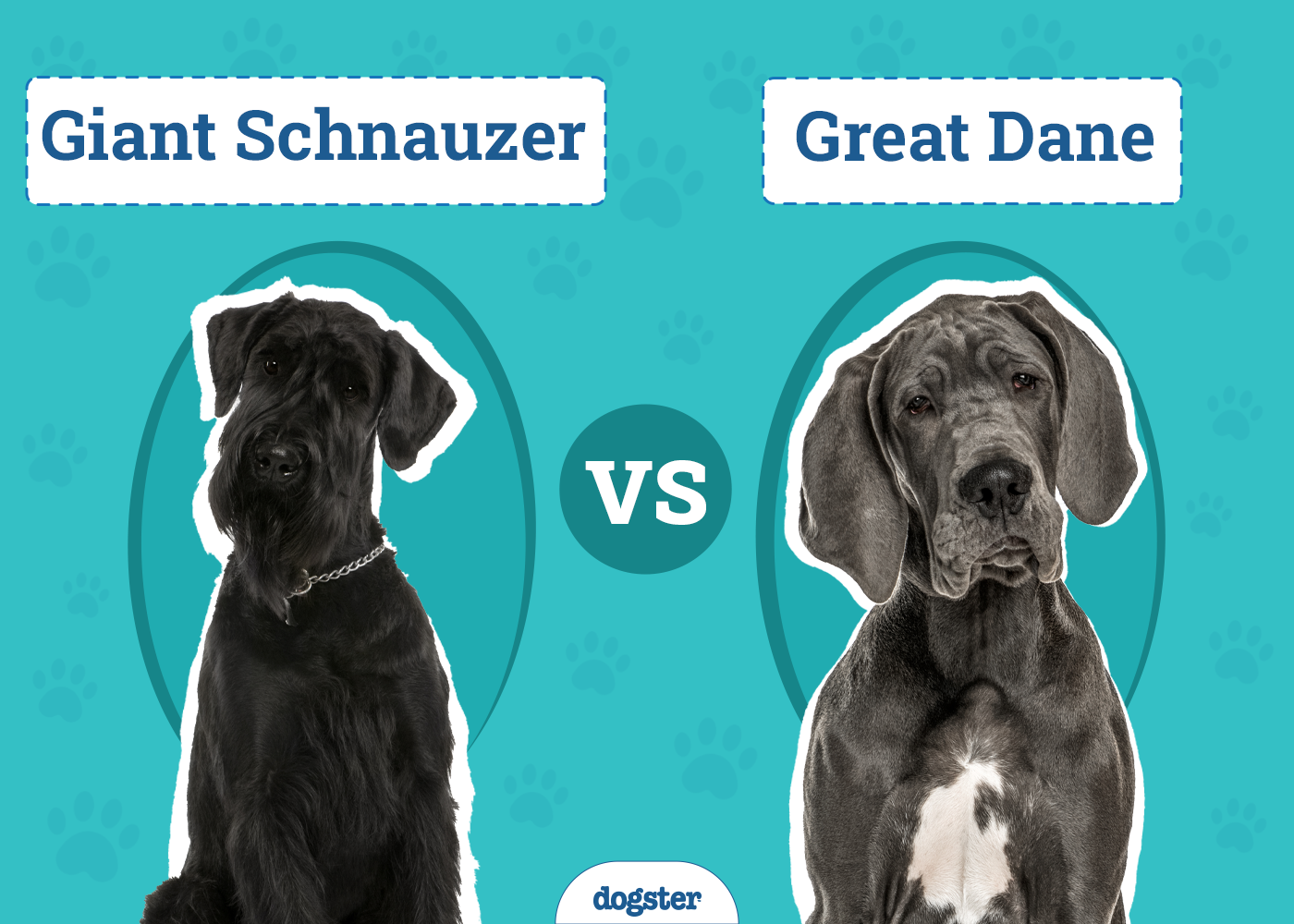
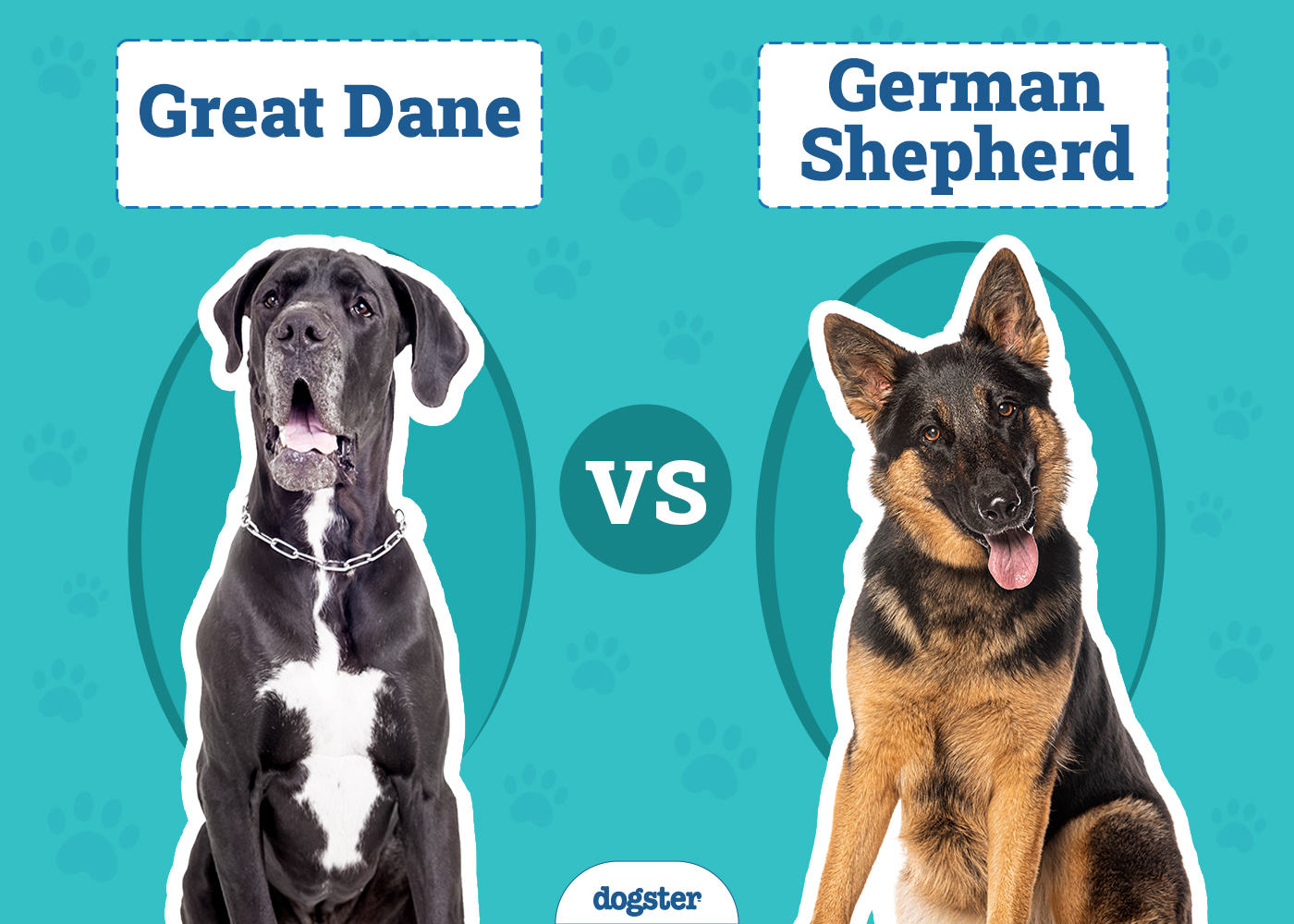
Visual Differences

At a Glance

German Shepherd Overview

Personality / Character
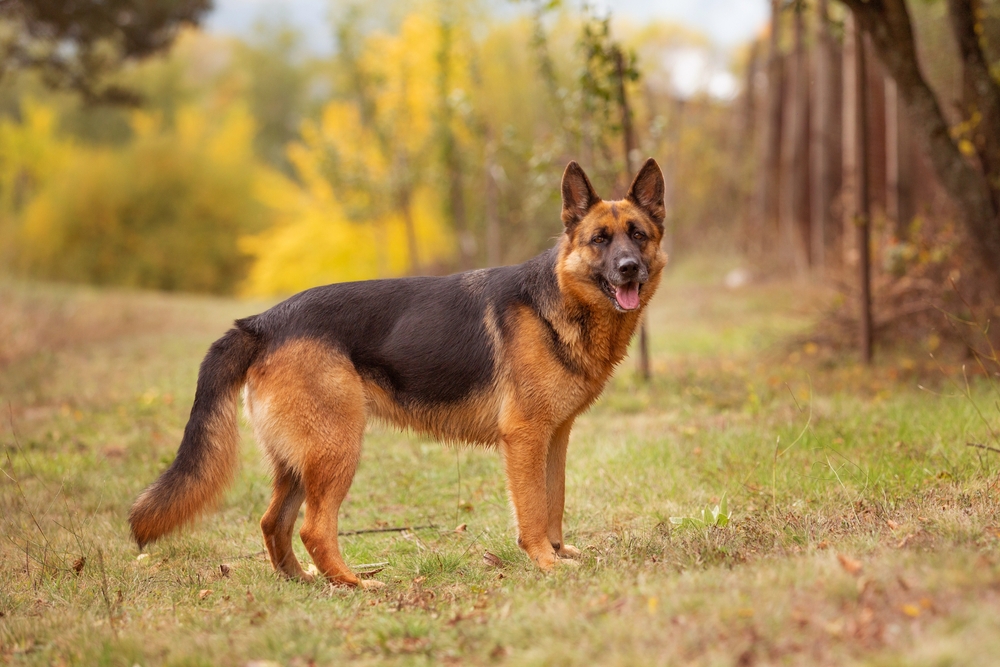
German Shepherds are one of the most popular and recognizable dog breeds in the world. They are popular in working environments, with single people, and with families. We’ve probably all seen a German Shepherd out for a walk with their owner—their thick fur, alert expressions, and distinctive gait always get them noticed.
Exercise 🐕
German Shepherds are active dogs that need at least one long (40–60 minute) walk per day, and ideally more—two or more hours daily. They will need more exercise if they are living in apartment or condominium conditions. Compared to other dog breeds, their exercise needs are somewhat high and, without them being met, they can become destructive and mischievous at home.
Training 🎾
German Shepherds are considered a highly intelligent dog and are easily trainable. Bred in Germany as guard dogs and police dogs, they respond very well to training. They love anything active and rigorous, and are an intelligent breed that is naturally instinctive and protective.
At home, they are comfortable and affectionate with people they know, but without regular exercise and socialization they can become withdrawn and even aggressive.

Health & Care
German Shepherds are, unfortunately, prone to certain health conditions, such as hip dysplasia and degenerative myelopathy. Besides that, they are a generally healthy breed—although, like all larger dog breeds, their lifespan is on the shorter end.
Grooming ✂️
German Shepherd’s grooming needs are high. Their thick coats shed during warmer months and, depending on their fur type, needs to be brushed at least twice a week and possibly every other day.

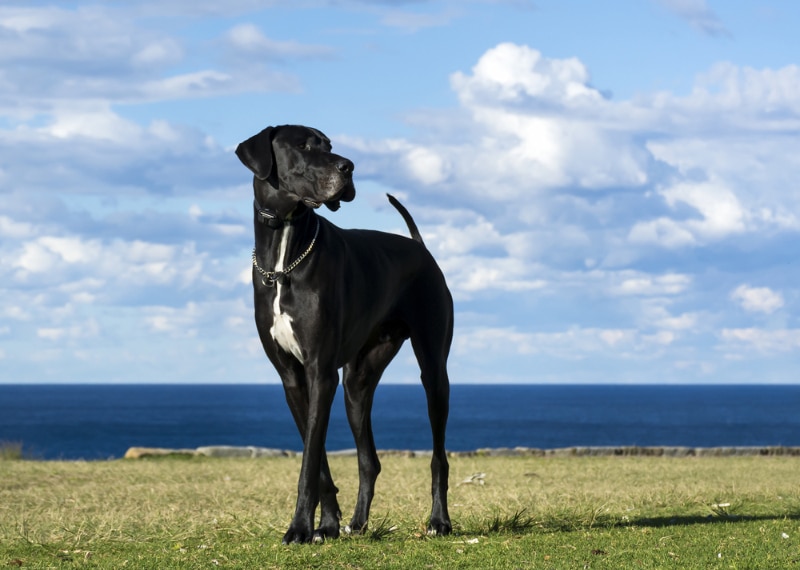
Great Dane Overview

Personality / Character
Despite their large size, Great Danes are considered to be one of the “class clowns” of dog breeds. They’re loving and playful goofballs who act like puppies well into their adult years. While they are absolutely gentle giants, they will still tap into a guard dog instinct when they’re around their loved ones. Danes are considered moderately intelligent dogs and some individuals can be stubborn about training, but they take especially well to adaptive training and are often trained as service dogs.
Exercise 🐕
Great Danes actually get quite a bit of their exercise through playing with their humans, so a thirty minute walk each day is generally enough for this breed. Despite their large size, Great Danes are rather docile and laidback in temperament with medium energy levels, and do not require as much exercise as most larger dog breeds.
Trainability
Generally speaking, Great Danes are considered easy to train—though some would say the breed can be stubborn learners with a mind of their own. That said, Great Danes do have the capability of being obedient if trained properly and, ideally, from an early age. Use of positive reinforcement for good behavior, as opposed to punishment for bad behavior, is also recommended when training this breed.

Health & Care
Great Danes, unfortunately, are prone to a gastrointestinal condition called bloat, which can be life-threatening if emergency treatment is not received. Bloat causes the stomach to distend and twist, cutting off the blood supply and filling it with air. Symptoms include swelling of the stomach, retching, pain, and distress. If you adopt a Great Dane, be sure to find a vet who is well-versed in their unique medical needs. Like all large and giant dog breeds, Great Danes have a shorter life span.
Grooming ✂️
This breed is a great choice for people who do not like dog hair everywhere. Their coats are short and not especially prone to shedding. A good brushing two or three times a month is enough to keep a Great Dane looking its best.

In Conclusion: Which Breed is Right for You?

Both German Shepherds and Great Danes are popular and well-loved breeds that have both appealing physical traits and temperaments. They’re both larger dogs who are loyal and affectionate with their families, and who do not like to be left alone for long periods of time. Their life spans are similar, and both would be suitable for families or single people.
While they share German origins, these two dogs have some significant differences that can make them a better fit for some people over others. For example, German Shepherds have higher exercise needs than Great Dane, while also requiring less food. While loving and loyal, German Shepherds are not as goofy and playful as Great Danes—so if you want an eternal puppy, a Great Dane might be the better choice.
We hope the information here helps you make the best doggie decision you can. Enjoy your new companion!
See Also:
Expert dog care, straight to your inbox
Vet-reviewed advice, training tips, and the best of Dogster. Free, and you can unsubscribe anytime.
By signing up, you agree to our Terms & Conditions and Privacy & Cookies Policy.
Nicole has loved animals of all sizes her whole life so it's no wonder she has dedicated her career to helping them through what she loves best: learning, writing, and sharing knowledge with others. She’s the proud mom of two dogs, a cat, and a human. With a degree in Education and 15+ years of writing experience, Nicole wants to help pet parents and pets around the planet to live happy, safe, and healthy lives.
Join the conversation
Ask a question, share your story, or send private feedback.