Doberman vs Great Dane: Key Differences (With Pictures)

In this article
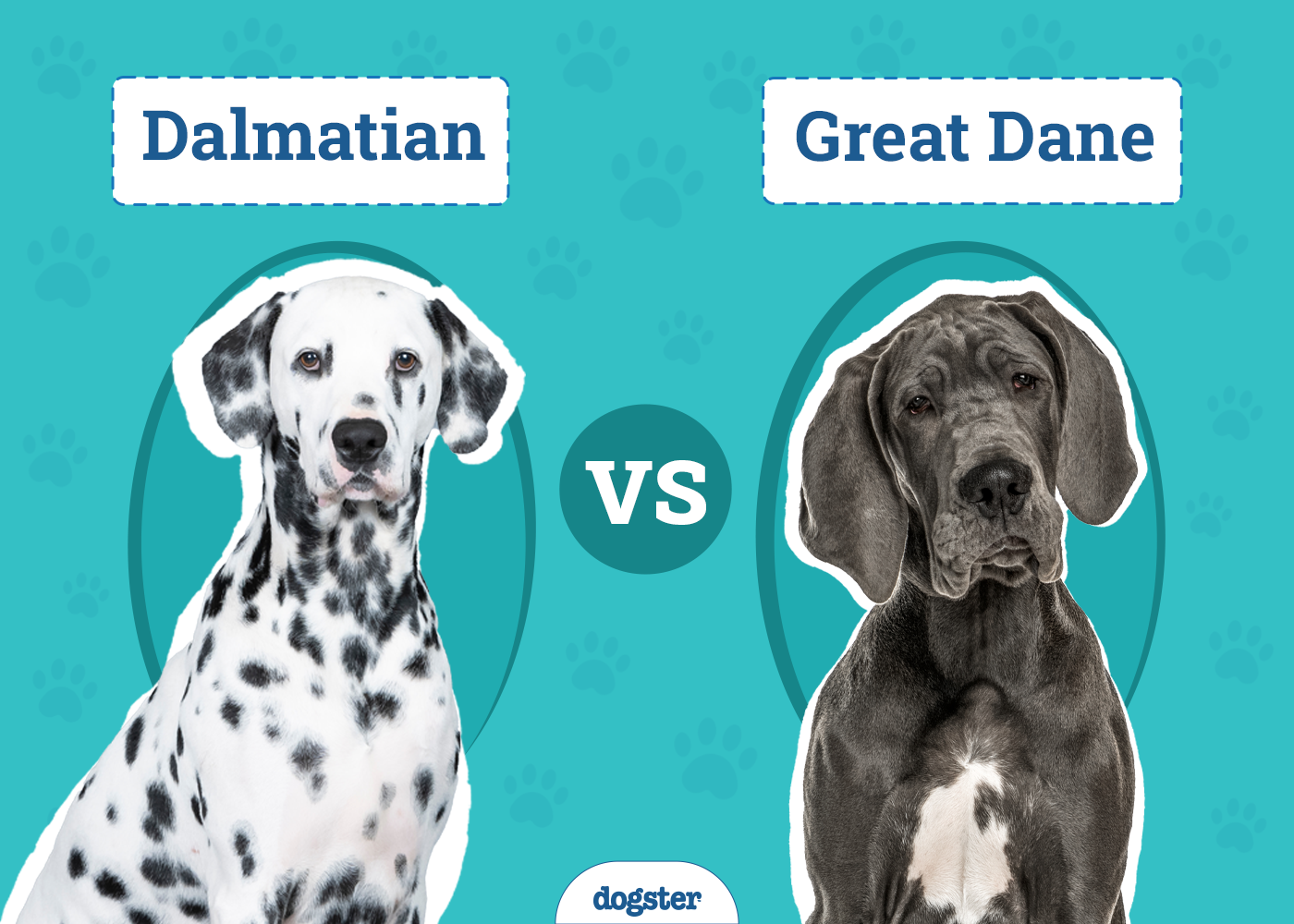
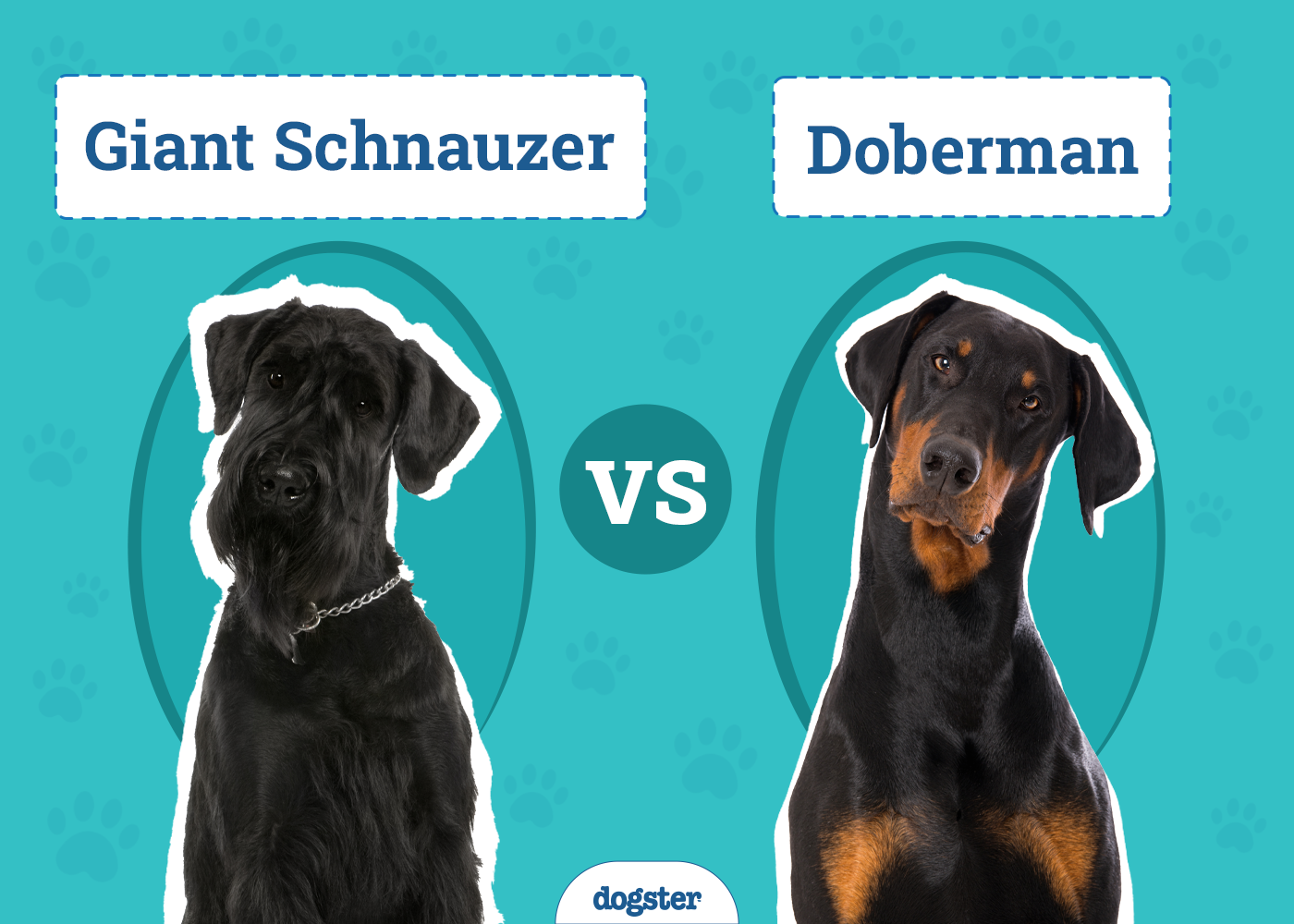
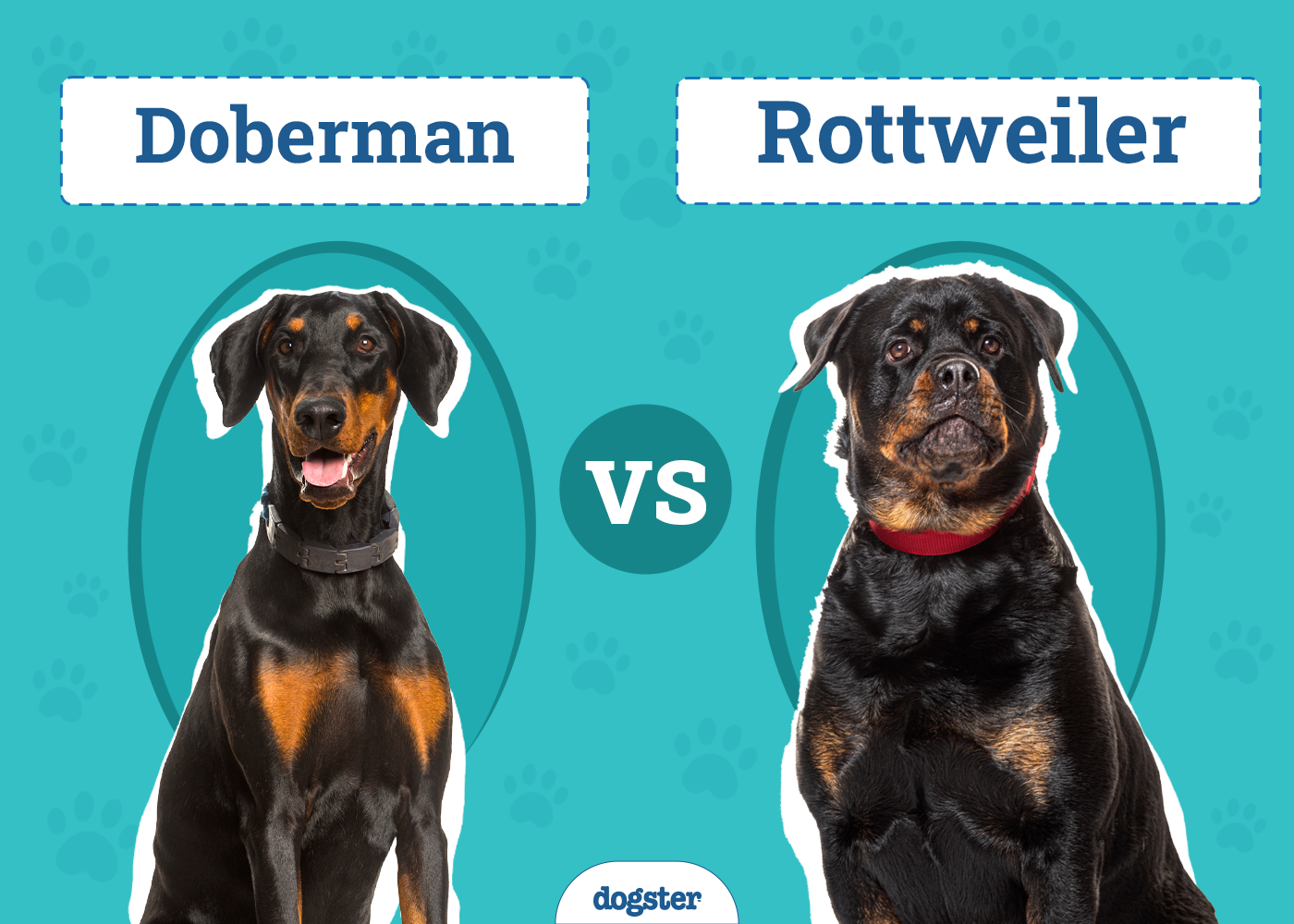
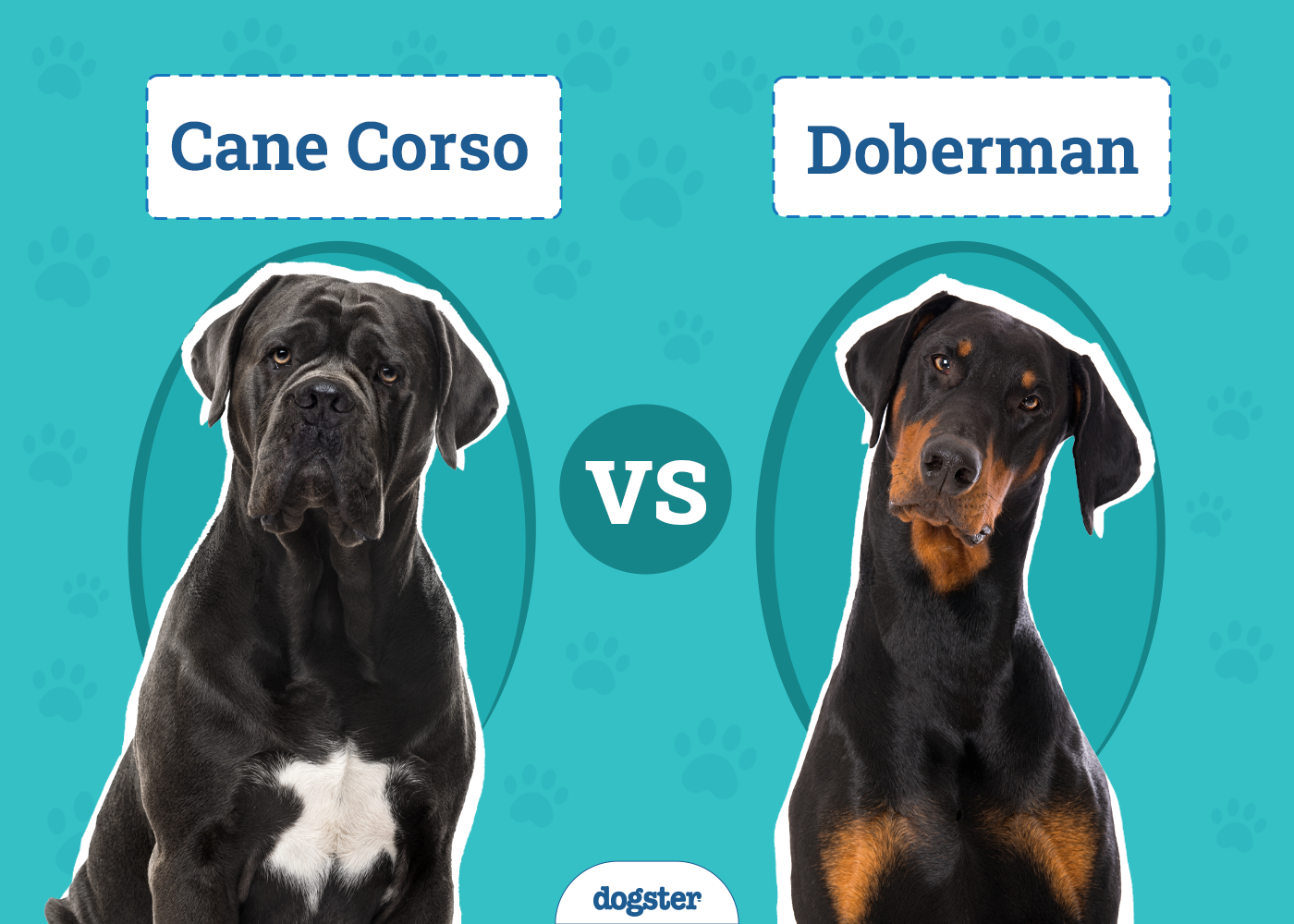
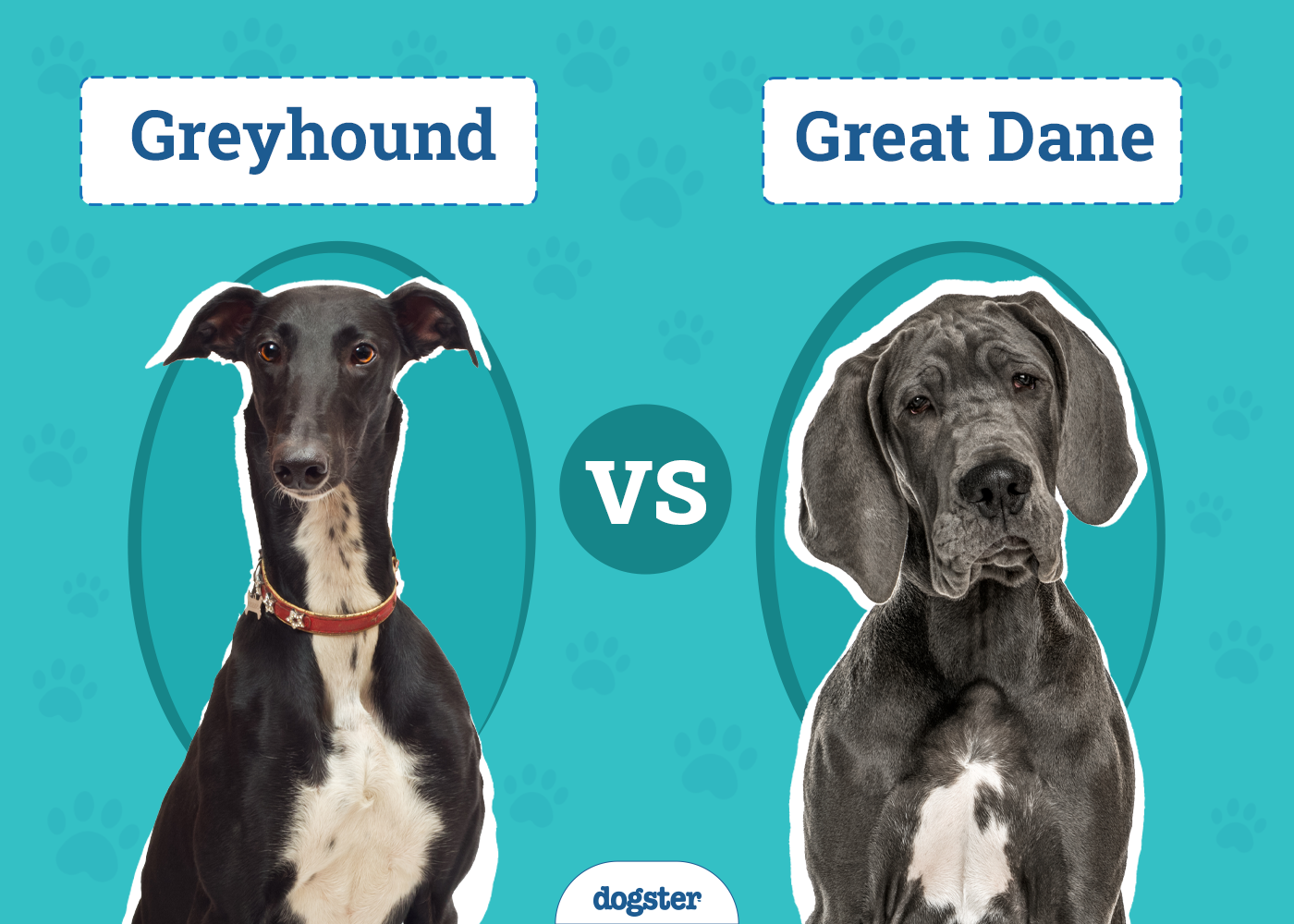
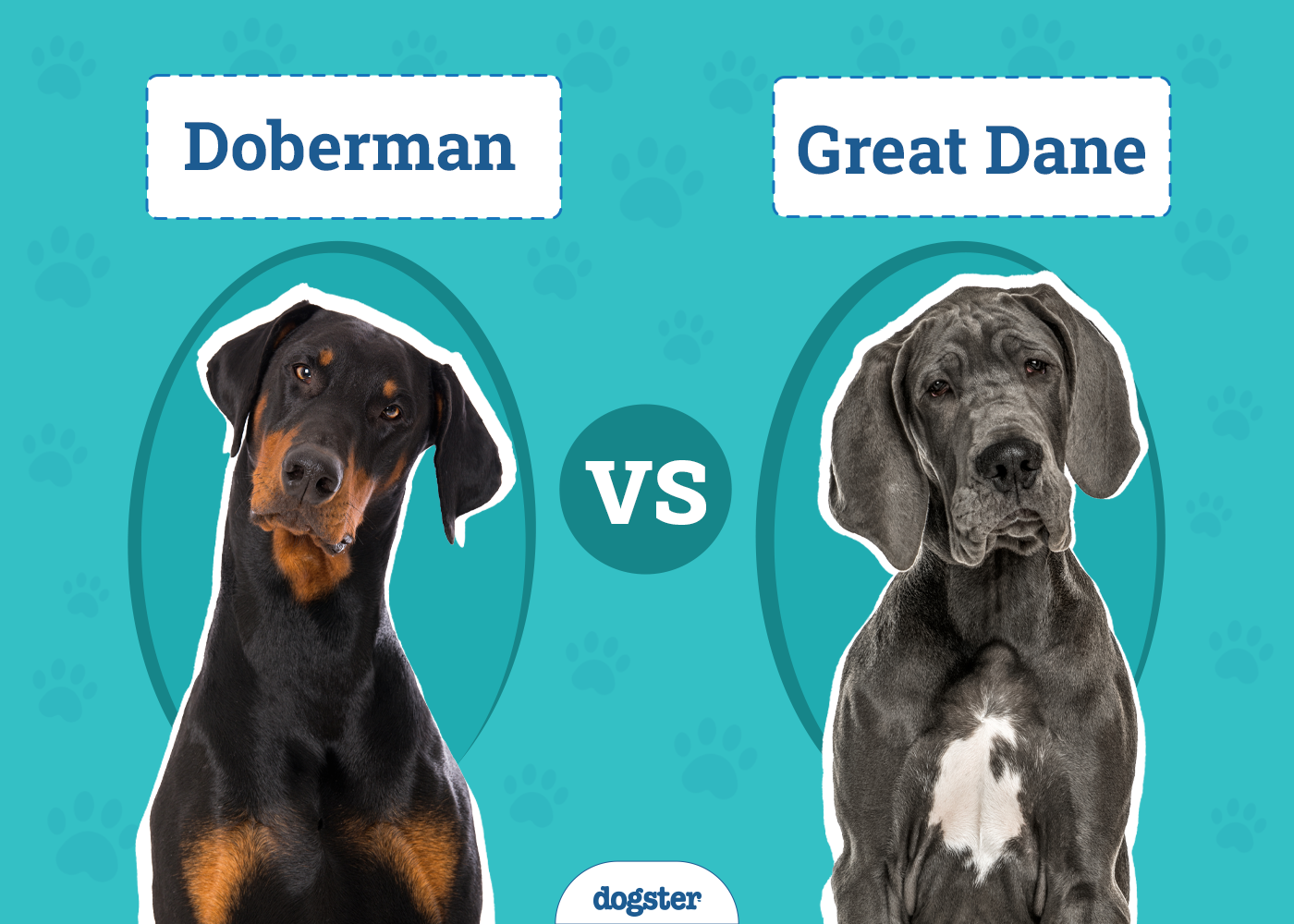
The Doberman Pinscher and Great Dane are loyal and large dogs that make excellent pets. When comparing the two to one another, they have differences in terms of their appearance, temperament, and care.
If you are interested in a Doberman Pinscher and a Great Dane but don’t know which breed is better for you, this article will help you make an informed decision.

Visual Differences

At a Glance

Doberman Overview

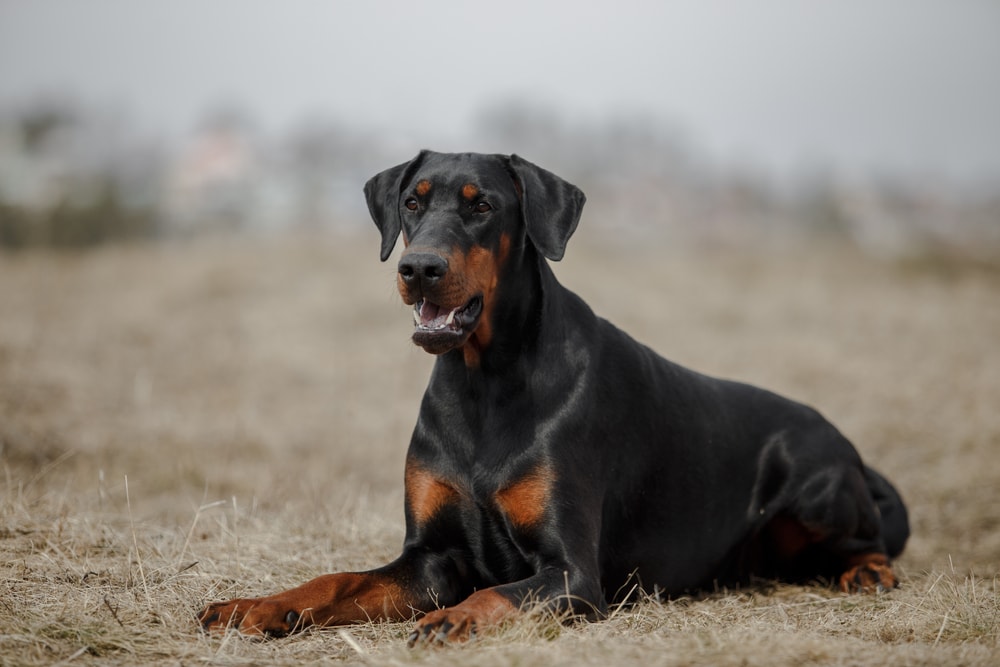
Dobermans are large dogs that originated in Germany to protect tax collectors during the 1890s.
Personality
Dobermans have a protective personality since they were initially bred to be personal protection dogs. They are often described as regal, elegant, protective, and loyal, which are all good characteristics of a guard dog that can protect your family.
Dobermans can be quite reserved and even suspicious of strangers, and they will be more affectionate toward close family members they spend most of their time with and trust.
Exercise 🐕
Dobermans have higher exercise requirements than Great Danes, and they enjoy exploring, guarding, and running around to release their energy. You will need to exercise your Doberman often while providing them with a large yard to run around in or daily walks or runs in a secure environment.
Dobermans are quite active and can get bored easily if their exercise and enrichment needs aren’t met. Dobermans need over an hour of exercise daily, and usually, 1 to 2 hours will suffice. It is important to provide your Doberman with toys and physical activities to keep them busy throughout the day and prevent them from getting bored.

Training 🎾
Training a Doberman is fairly easy due to their relaxed temperament and eagerness to please you. Being loyal and intelligent helps them learn commands, tricks, and house rules. It is easier to train your Doberman from a young age, usually starting at around 8 to 12 weeks of age, so they are more willing to be trained without having to change old habits if they were only to begin being trained as an adult.
Health
The Doberman is an overall healthy breed with few health problems if it is fed a healthy and balanced diet, gets enough exercise, and has routine veterinary checkups. However, due to their breed, Dobermans are predisposed to certain health issues.
These health problems include:
Grooming ✂️
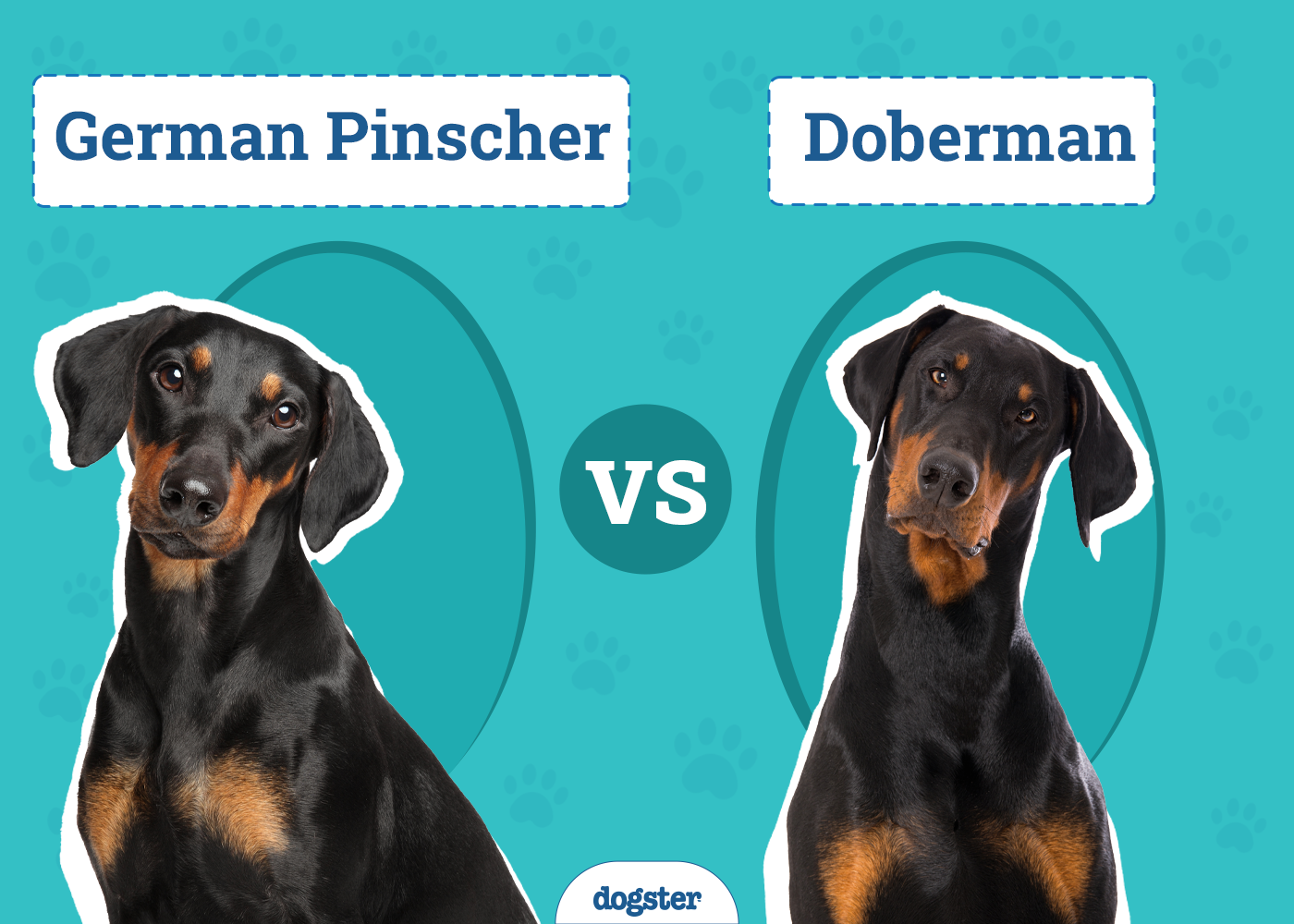
The Doberman has a short and manageable coat with low to moderate shedding. It is usually brown and black, but there are also chocolate varieties. Dobermans are low-maintenance when it comes to grooming. Their coat is so short that brushing only needs to occur once a week. Bathing will help keep their fur clean and can be done every 2–3 months.

Suitable For:
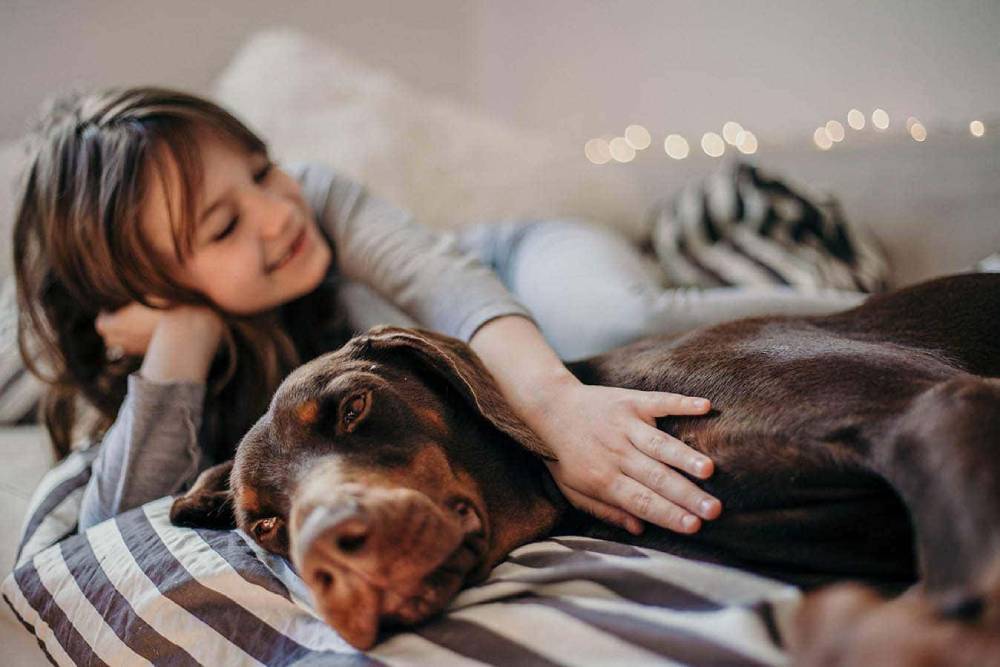
Dobermans are suitable for active families with older children. They should be kept in a home with a moderately large, fenced-in yard. You will need to take your Doberman for daily walks or a run in a dog-friendly park so that they can release some of their energy. They can be left alone for a while with access to the yard and toys to keep themselves occupied, and they rarely suffer from separation anxiety.

Great Dane Overview

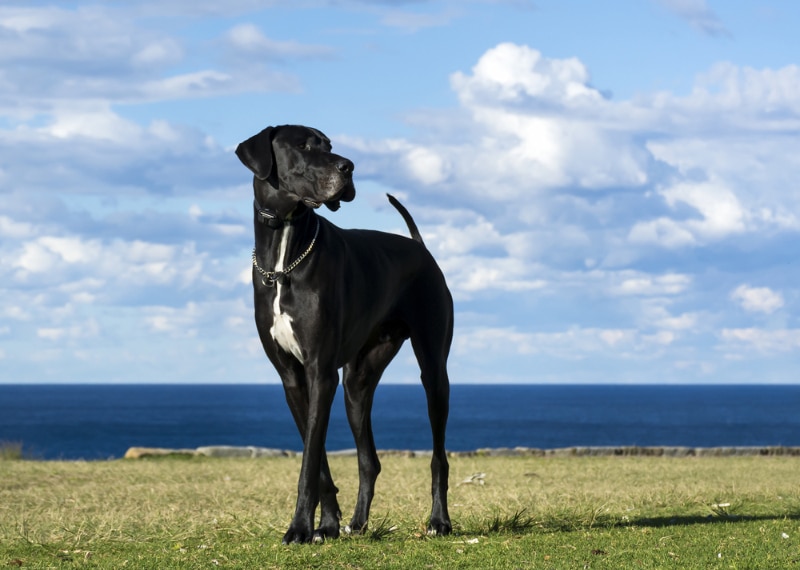
The Great Dane is a giant dog breed that originated in England during the 14th Century as a hunting dog.
Personality
Great Danes are gentle canines. Although their size might be intimidating, they are mellow and affectionate. They are not very aggressive and are nurturing and loving toward their families and other pets in the household. Great Danes are described as laid-back and lazy, and they will spend most of their day lounging around the home rather than running around.
Great Danes can be active as puppies but soon calm down as they reach adulthood. They can be more on guard toward strangers and bark to alert you if something is not right in the home.
Exercise 🐕
As one of the lazier breeds, the Great Dane is not known for being particularly active. They mature faster than other dogs because they have shorter lifespans. At around a year old, Great Danes become very lazy.
However, they must still exercise to stay healthy and prevent obesity. You can exercise your Great Dane by taking them on daily walks or playing fetch in a dog park. Great Danes need less exercise than Dobermans, and they can stay healthy with an hour of exercise per day.
Training 🎾
Great Danes are easy to train, and their loyalty and intelligence allow them to follow commands and learn the basic housebreaking rules. It is better to train your Great Dane from a young age before they reach adulthood, and socializing them is also important as a puppy.
You can begin training a Great Dane puppy at around 8 to 12 weeks of age, and rewarding them for good behaviors during the training process with treats can help make it a pleasant experience for them.

Health
Great Danes are a relatively healthy breed, but there are health problems that you should look out for. As a large dog, the Great Dane might suffer from more health problems than other breeds since they a significantly shorter lifespan than most, usually living between 8 to 10 years of age.
These health problems include:
Grooming ✂️
The Great Dane has a short and manageable coat slightly longer than a Doberman. They are moderate shedders, but their short coat makes it easy to manage their shedding. You must brush your Great Dane once or twice a week and give them regular baths every two to three months to keep their fur clean. As a big dog, taking your Great Dane into a doggy grooming parlor will be easier than trying to bathe and trim their nails yourself.
Suitable For:
Great Danes are the perfect family-orientated dogs. They get along well with older children and other medium-to-large-sized dogs. Great Danes fit into a family that can take them on daily walks and spend time giving them affection, as they can be quite loving toward those they trust. Since the Great Dane is more laid-back, they do not need such a big yard as the Doberman.


Main Differences Between Dobermans and Great Danes
| Doberman: | Great Dane: |
| Smaller | Larger |
| Not hypoallergenic | Not hypoallergenic |
| Low to moderate shedding | Moderate shedding |
| High exercise requirements | Low exercise requirements |
| Athletic and active | Laid-back |
| Protective and a good guard dog | Loyal and a good watchdog |
| Longer lifespan (10–13 years) | Shorter lifespan (8-10 years) |

Which Breed Is Right for You?

The Great Dane and Doberman are family-orientated pets, but the Doberman is more protective and alert than the Great Dane, who is more laid-back and reserved. If you are looking for a protective and loyal dog with high exercise requirements, low to moderate shedding, and a longer lifespan, the Doberman will be the right pup. If you want a laid-back and loyal yet nurturing dog that doesn’t require much exercise aside from daily walks and has a moderate shedding coat, the Great Dane will be a good choice.
See Also:
Expert dog care, straight to your inbox
Vet-reviewed advice, training tips, and the best of Dogster. Free, and you can unsubscribe anytime.
By signing up, you agree to our Terms & Conditions and Privacy & Cookies Policy.
Sarah lives in South Africa with her partner and pets. She is currently interested in veterinary science and ichthyology, which she wants to study alongside her main passion: pet content writing. Sarah has over 60 fish including: goldfish, tropicals, shrimp, and snails. She also keeps hamsters and a tarantula. Sarah wishes to provide quality content to readers and allow others to learn from her experience and knowledge. Sarah has much experience in all aspects of pet care. Providing the world with the knowledge on ethical pet ownership is her lifelong dream.
Join the conversation
Ask a question, share your story, or send private feedback.