Great Dane vs. Mastiff: What’s the Difference? (With Pictures)

In this article
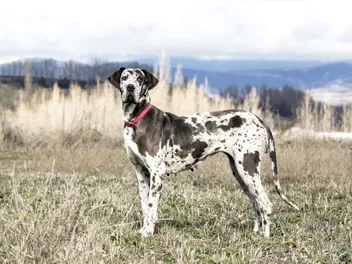
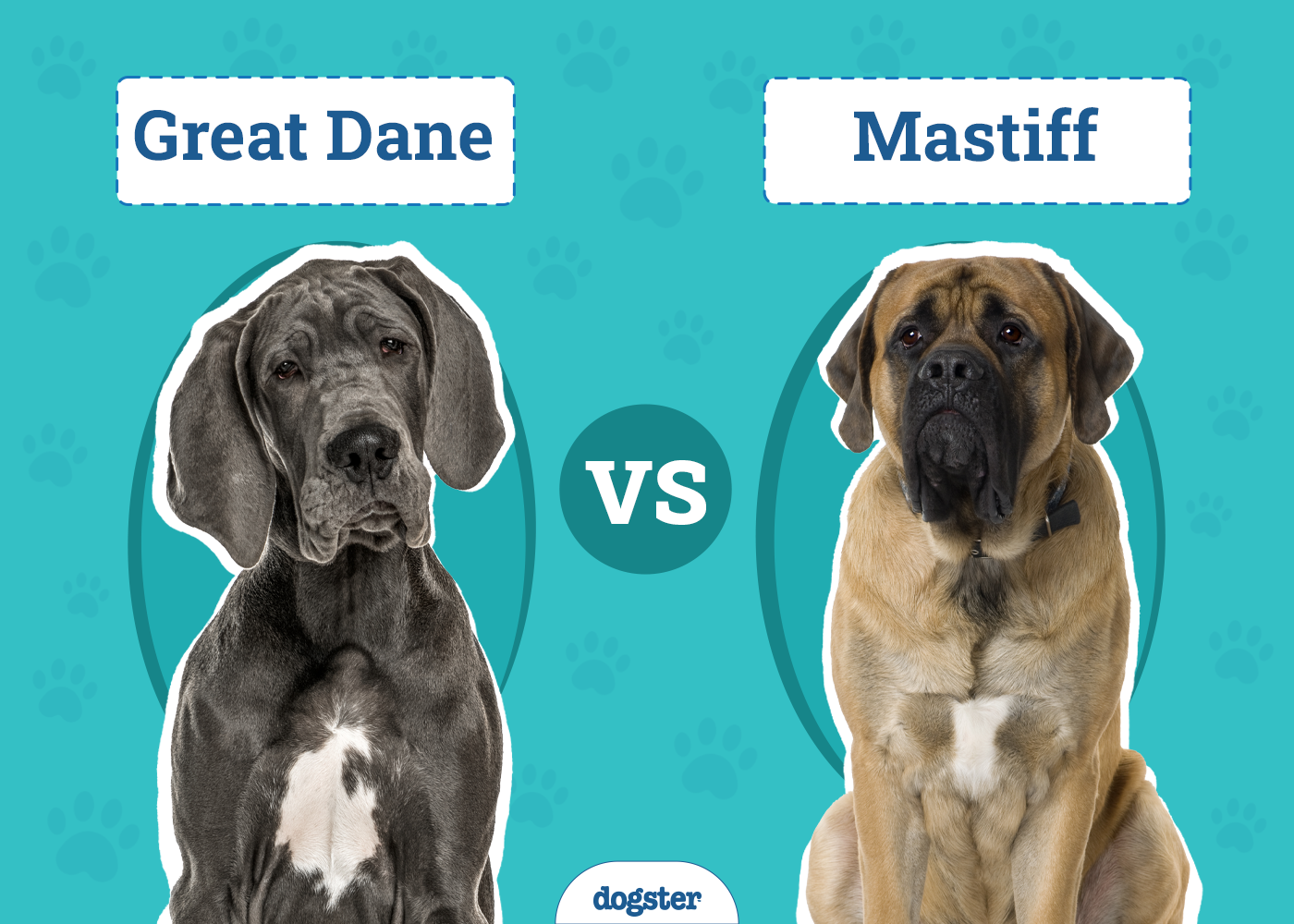
Both the Great Dane and Mastiff have a substantial presence—heavy-bodied, gentle giants with loyal reputations and incredible personalities. But these dog breeds are very different from one another.
Because of their vastly unique differences, you might be in a real pickle. After all, which one of these fantastic dog breeds would work better for your lifestyle? It's practically impossible to pick based on looks alone, as both puppies are so darn cute.
So we're going to go over each of the breed characteristics in great detail for both the Great Dane and Mastiff. Maybe there's something that appeals you more to one breed than another.

Visual Differences

At a Glance
Great Dane Overview
The Great Dane is a German breed of dog developed in the Middle Ages to hunt wild boar and other large game. These dogs have flourished since their humble beginnings, making their way into homes worldwide.
Today, they are a highly sought-after, popular breed with a reputation for being loyal, calm, devoted, and protective.

Personality/Character
Great Danes have big hearts to match their big bodies. These large dogs are known to be incredibly doting family companions, compatible with many lifestyles and home lives.
Great Danes are exceptional candidates whether you are a single person or have a growing family. These dogs are generally amiable with strangers, children, and other pets.
However, some can be fairly territorial and, less often, aggressive toward strangers and other (particularly unaltered) dogs. However, with proper introductions, many issues can resolve themselves.
Exercise 🐕
Great Danes are highly energetic pups with a fun approach to play. They take a while to grow into their feet, so they can be a bit much at times with that lack of control.
However, as they age, they are more graceful—even though they still love to have fun and run around. On average, Danes benefit from 60 to 120 minutes of exercise per day.

Training 🎾
Great Danes are brilliant animals. They can easily learn simple concepts and even more complicated tasks.
Great Danes are suitable for guarding and watching over property, and their large size makes them intimidating to potential threats.
Health & Care
Like many large breeds, Great Danes have a shorter lifespan and can suffer from several health ailments genetically predisposed in the breed.
To ensure that your dog will live a long and healthy life, it’s best to always purchase from a reputable breeder with a history of successful litters.
Sometimes, certain issues simply plague the breed. A few health issues Great Danes seem to be most affected by are:

Cost
Cost will vary depending on whether you get your dog from a breeder, rescue, or private seller. So we're going to go over each one in more detail. The average price of a Great Dane puppy is between $1,000 and $1,500. This can vary slightly, with prices dropping as low as $600.
However, if you are buying from a breeder, you want to ensure you're getting a quality puppy with no predisposed health issues. Backyard breeding is a real concern, especially with familiar, popular dogs like the Dane.
If you buy a Great Dane from a rescue or shelter, you are paying for spay and neuter surgery, microchipping, parasite treatment, and routine vaccinations. Get your dog from a shelter, and you can get your beautiful dog at a fraction of the cost of a breeder. On average, getting a Dane from a shelter costs roughly $200–$300.
Avenues of adoption vary as well. Some require you to fill out applications or be on the waiting list before a puppy or dog becomes available. Others require that you manage stringent expectations before a dog will be placed in your care.
Suitable For:
Great Danes can be fantastic additions to a variety of lifestyles and circumstances. Some Great Danes undergo advanced training to become service animals. Others have thorough training to guard homes or act as watchdogs.
Some big, goofy Danes love lounging and romping around the house with their pack. Because of their enormous size, we recommend these dogs for children aged 6 and older, although exceptions can be made at any age based on individual circumstances.
Due to their size, they may not work the best for seniors, as they can cause accidental falls or bumps that are serious. Also, if you live in an apartment complex, you must check pet weight requirements. Danes might be too large for some residences.
Mastiff Overview
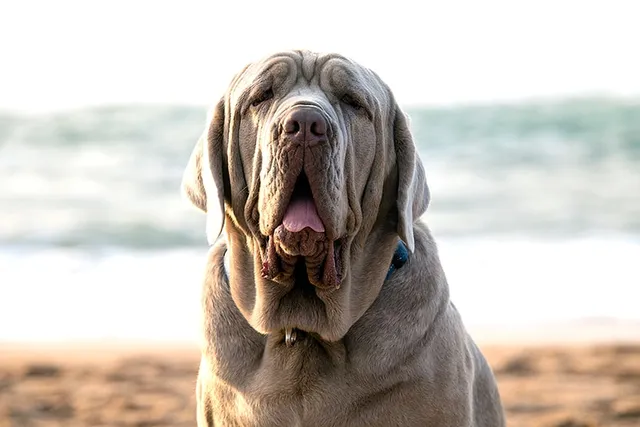
The Mastiff is an ancient breed dating back to the 1400s. Since their beginning, they have been an unmatched guardian, protecting owners' lives and offering the most profound loyalty to those they protect.
Throughout history, Mastiffs are revered for their kind temperaments and discerning characters. These dogs are large, heavy-bodied beauties that are slow to act but swift to deliver.

Personality/Character
A Mastiff is a very family-oriented dog. They make a pack of their family members, and once you're in their good graces, they will be loyal forever. These dogs do well in large families and even single-person households. They tend to be very protective of their owners, and rarely, some may show aggression towards outsiders.
Mastiffs are protective by nature, sometimes causing apprehension with newcomers until familiarity is established. These dogs work very well with families of all sizes and are inherently tolerant of small children.
This gentle breed can guard the home, defending its territory if those in the home are threatened. So, if you're looking for a watchdog, this intimidating dog will not waver to come to your side when in need.
Exercise 🐕
Mastiffs are at an increased risk for certain health conditions, such as hip and elbow dysplasia. Exercise is vital in this breed, but it should be done with caution. Mastiff puppies will need significantly more exercise than their adult counterparts.
On average, a Mastiff could use roughly 60 minutes of exercise per day.

Training 🎾
Mastiffs have an extreme desire to please their owners. Training can be difficult sometimes due to their boisterous nature and clumsiness in juvenile stages. However, they generally mellow very quickly and love to relax—even when young.
These dogs are intelligent animals, capable of learning an impressive list of tasks. However, they typically prefer companionship to rigorous training.
Health & Care
Mastiffs can suffer from a decent list of health issues, so buying from a responsible breeder is important. Your vet can check your Mastiff early to see if they are at risk of potential problems, later in life, like hip dysplasia.
Proper vetting is crucial, especially during the juvenile stages. So, make sure to go to all the necessary appointments. Early vetting can prepare you or eliminate the risk of specific issues. Some health problems often seen in the Mastiff breed include:

Cost
On average, you can find a Mastiff available between $300 and $1500. Prices will vary depending on your location, breeder rates, and the quality of the puppies. So, in comparison, they can be relatively cheaper than the Great Dane.
Mastiffs are decently popular dogs, so it’s absolutely possible to find a Mastiff or Mastiff mix at a local rescue or shelter.
Suitable For:
The Mastiff is suitable for virtually any home. Because of their relaxed nature, they do very well in smaller home settings. But they also love the open freedom of being out in the country.
These dogs would work well for a single owner or a growing family. They're very tolerant of children and are calm enough for most older adults.
Mastiffs are a naturally protective breed. For some families, this is a godsend. But some prefer to have a less assertive dog.
Importance of Responsible Buying
Backyard breedings are an unfortunate part of the pet industry.
Watch out for:
Even though it is unfortunate for these poor puppies, it's best to steer clear of breeders like this entirely. To contribute to their operation will only encourage them to keep doing what they're doing.
It's also best to steer clear of major pet-selling industries, as many of them obtain puppies through puppy mills. Puppy mills are places where dogs are bred, again and again, all for profit. Instead, look for completely transparent breeders, fully licensed and courageously reviewed by previous buyers.

Which Breed Is Right for You?

Both magnificent breeds make amazing family dogs. On the one hand, you have the athletic, friendly Great Dane who loves to play and will be sure to cheer you up. On the other hand, you have the gentle, slow-paced Mastiff who is amiable to most unless the situation warrants otherwise.
Both dogs are considered giant breeds, but Danes tend to be taller and can have a shorter lifespan. While both slobber, Mastiffs are notorious for their significant drooling capabilities. Great Danes don’t have the lowly hanging jowls, so it might be a better fit for someone who would be bothered by this.
Ultimately, only you can decide which breed would work best for your family or home life. You can't really go wrong with either of these breeds, as they are both magnificent in their own right.
See also:
Featured Image Credit: Top - BIGANDT.COM, Shutterstock | Bottom - Jagodka, Shutterstock
Expert dog care, straight to your inbox
News, insights, expert advice, and everything dog.

No spam — unsubscribe anytime.
By signing up, you agree to our Terms & Conditions and Privacy & Cookies Policy.
How useful was this post?
Click a star to rate. You can leave written feedback afterwards. (We read all feedback.)
Ashley Bates is a freelance dog writer and pet enthusiast who is currently studying the art of animal therapy. A mother to four human children— and 23 furry and feathery kids, too – Ashley volunteers at local shelters, advocates for animal well-being, and rescues every creature in need. Her mission is to create awareness, education, and entertainment about pets to prevent homelessness. Her specialties are dogs and cats.