My Senior Dog is Not Eating But Drinking Water: Our Vet Explains What to Do

In this article
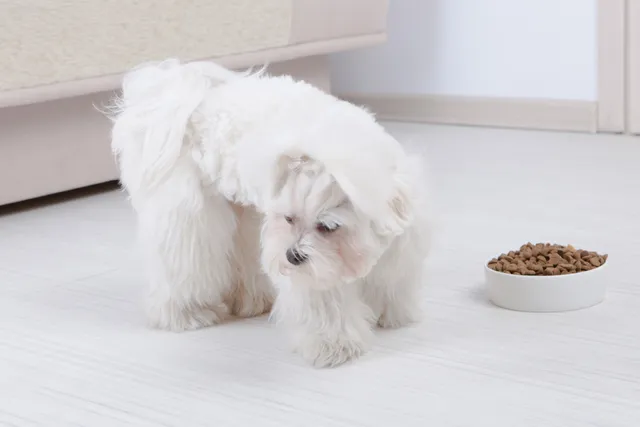
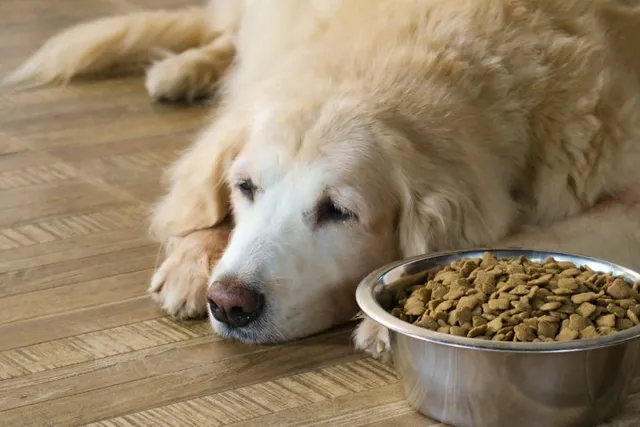
It is distressing for any owner to see their beloved dog lose their appetite or stop eating altogether. You may have noticed your dog refusing their food, but still drinking water, and this can be a cause for concern. It is important that owners understand the reasons behind these changes for them to be able to provide the appropriate support and care for their aging dog.
A temporary loss of appetite may not always be a cause for immediate alarm, however, if your dog is refusing to eat persistently, this is often a sign of an illness or health issue. This article will delve into potential causes and reasons behind a loss of appetite in a senior dog and what action may need to be taken.

Normal Changes in Appetite
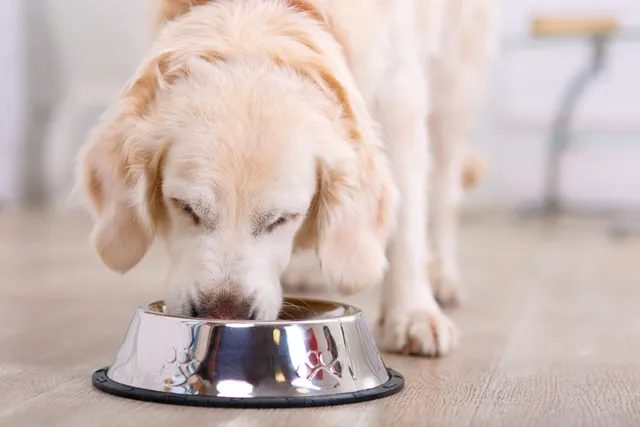
An elderly dog's appetite can be affected by many different things. It is important to appreciate that some changes in appetite are normal as dogs get older. Senior dogs often start leading more sedentary lifestyles and have decreased energy requirements. They may naturally need to eat less.
Owners may notice subtle changes over time with an elderly dog that can just mean things are slowing down for them. A sudden or dramatic decrease in food intake, however, is always a cause for concern.

Factors That Influence Your Dog's Appetite:
| Activity levels: | Senior dogs that are less active will not have the same energy requirements as younger, more active dogs. They simply do not burn as many calories. |
| Age: | When dogs get older, often their metabolism naturally slows down. This leads to a normal decrease in appetite. |
| Reduced sense of smell and taste: | As dogs age, their sense of smell and taste can often diminish. Their once-heightened senses may not be as keen, and they may not pick up on smells and different tastes. When they once begged for scraps off a roast chicken carcass, they may not be able to smell it any longer. |
| Competition with other dogs: | Dogs that live together often like to establish a hierarchy in the household. If your older dog is lower in the pecking order, they may be being bullied away from their food bowl if the other dog sees them as competition. It may be a good idea to separate dogs when they are feeding so they can eat their own food at an appropriate pace. |
Most of these factors can all be accounted for by normal aging changes. They may still be upsetting for owners to come to terms with, however, they do not necessarily point toward an underlying health issue.

Health Issues That May Cause a Loss of Appetite
There are some causes of loss of appetite that require veterinary attention.
These include:
| Dental Disease: | Dental problems such as wobbly teeth, tooth abscesses, tooth fractures, gum disease, and oral infections can make chewing food and swallowing painful and difficult. Dogs may still be able to drink but may not be able to eat anything. |
| Gastrointestinal Issues: | Any sort of digestive upset including a foreign body or obstruction, gastritis, colitis, or pancreatitis can cause a dog to feel unwell and not eat anything. These issues often cause nausea and vomiting too which can put a dog off their food. |
| Underlying Health Issues: | Metabolic disorders such as kidney disease, liver disease, and diabetes can affect a dog’s appetite. Cancer can also affect a dog's appetite. Some dogs will develop tumors in their mouth. This may mean that they physically can't eat and don't feel able to eat either. It is very common with metabolic disease to see an increase in thirst and urination too. |
| Side Effects of Medication: | Some drugs can affect your dog's appetite. If you have seen a decrease in the amount they are eating that has occurred at the same time as the initiation of a new drug treatment, speak to your vet straight away. |
| Anxiety or Stress: | If there have recently been any changes to their environment or daily routine or if there has been a new family member introduced to the household, this can be stressful for dogs. Some dogs may develop anxiety or become stressed, and this can cause negative changes to their eating habits. |
| Infections: | Any bacterial or viral infection can cause a dog to feel unwell. If they are lethargic and depressed due to an infection, they are less likely to be interested in food. |
| Throat/Mouth Issues: | Any sort of foreign material that becomes lodged in the throat or at the back of the mouth can physically block the passage of food. Oral tumors can do a similar thing depending on their location. |
| Trauma: | If your dog has sustained an injury or trauma, they may not physically be able to eat or feel unwell and may not be interested in food. |
It is important to remember this is not an exhaustive list. There are many other reasons your dog may have gone off their food. Your vet will be able to determine the cause and administer appropriate treatment if required.
When to Seek Help from a Vet
If you have a senior dog, due to their age, the chances of there being something seriously wrong with them is higher. If an older dog has stopped eating, it is advised to take them to a vet to get checked out sooner rather than later.
If your dog has been off their food for more than 24 hours or the loss of appetite is accompanied by any other worrying clinical signs—it is recommended to seek veterinary attention immediately.
Other signs that may need addressing include:
What Will a Vet Do?
When you present your dog to a vet, they will start by taking a full history and performing a thorough physical exam. They will weigh your dog to see if they have lost any weight and check for any pain or discomfort. The findings of the physical exam will determine any further diagnostic tests that need to be carried out.
This may include blood tests and urinalysis to assess organ function and look for signs of anemia and infection. X-rays may be required to assess internal organs and structures inside the body. An ultrasound scan may also be required and can be useful to diagnose masses, obstructions, and other abnormalities.

Treatment
Dental issues will be addressed if present. Your dog may require some teeth extractions or a professional cleaning. If there are tooth root abscesses they can be lanced and drained and treated with antibiotics.
If your dog has digestive issues, this will be treated with appropriate medication for nausea, vomiting, and diarrhea such as supportive care, anti-sickness drugs, and appetite stimulants. In some cases, a change in diet can be hugely beneficial.
Treatment of metabolic diseases can involve dietary changes, medication, and fluid therapy.
Any bacterial infections will be treated with antibiotics. Other infections such as viral infections may require supportive care.
Supportive care may include fluid therapy to ensure your dog is properly hydrated. This may be given subcutaneously (under the skin) or intravenously. Some dogs will require pain relief as certain conditions may be causing them discomfort. Pain medication can improve their overall well-being and may enable them to eat depending on the underlying cause of the problem.
Ways to Tempt Your Dog to Eat
Change Their Diet
If your dog has stopped eating due to a diminishing sense of taste and smell, switching your dog's diet to a more flavorful or stronger-smelling food may tempt them to eat. It is important to slowly introduce any diet changes as it may cause gastrointestinal upset if it is done too quickly.
It may also be beneficial to change to a specific senior dog diet, which will have an appropriate balance of nutrients for an elderly dog. Adding things like bone broth (as long as it is low in salt) can enhance the aroma and tempt your dog to eat.

Appetite Stimulants
Your vet will sometimes prescribe appetite stimulants if it is safe and appropriate to do so. This can increase your dog's interest in food.
Hand Feeding
Some older dogs may be persuaded to eat if they are hand-fed by their owners. This can create a positive connection with mealtimes. It also means owners can keep a close track of how much their dog has eaten.
Feed Little and Often
Sometimes, offering your dog small amounts of food more frequently can mean they consume more food over the course of the day. Feeding small frequent meals can be less overwhelming for dogs if they have a reduced appetite.

Calm Environment
Ensure your dog has a quiet, calm environment to eat in. It needs to be a space that is not in the main thoroughfare of a busy household with lots of distractions. Keep other animals in the home away from their food bowls as this may be putting them off.
Conclusion
An older dog that is not eating or has gone off their food can be a huge worry for owners. It is very important to consult a vet if your senior dog’s appetite has decreased, especially if this has been an abrupt change.
Your vet will be able to determine the underlying cause and discuss treatment and management strategies.
Featured Image Credit: Larissa Chilanti, Shutterstock
Expert dog care, straight to your inbox
News, insights, expert advice, and everything dog.

No spam — unsubscribe anytime.
By signing up, you agree to our Terms & Conditions and Privacy & Cookies Policy.
How useful was this post?
Click a star to rate. You can leave written feedback afterwards. (We read all feedback.)
Dr. Emma Chandley BVM MRCVS (Veterinarian)
Dr. Emma is a experienced vet who is happy to share her knowledge and expertise about dogs with readers. With a focus on surgery, she is eager to engage in discussions on all topics related to animal care. Dr. Chandley graduated from The Royal Vet College and since graduation has worked in general practice in Great Britain. Her credentials include a postgraduate certificate in Small Animal Surgery and recognition as an Advanced Practitioner. She is also passionate about expanding her knowledge in clinical pathology, animal behavior, nutrition, and clinical pathology.