Dogster is reader-supported. When you buy via links on our site, we may earn a commission at no cost to you. Learn more.

Dog Health & Care

What to Feed a Diabetic Dog That Won't Eat: 6 Mealtime Tips (Vet Answer)


Dr. Chyrle Bonk
Written and fact-checked by Dr. Chyrle BonkVet Approved
Dr. Chyrle Bonk
Reviewed & Fact-Checked byDr. Chyrle BonkDVM (Veterinarian)
On top of caring for animals and writing for veterinary publications, Dr. Chyrle Bonk owns a small cattle herd! When she’s not busy with those things, she can be found somewhere enjoying the Idaho outdoors with her husband and two kids. Dr. Chyrle Bonk received her Doctor of Veterinary Medicine (DVM) from Oregon State University in 2010.View authorThe information is current and up-to-date in accordance with the latest veterinarian research. Learn more
Updated on June 17, 2026
Share
dog not eating its food

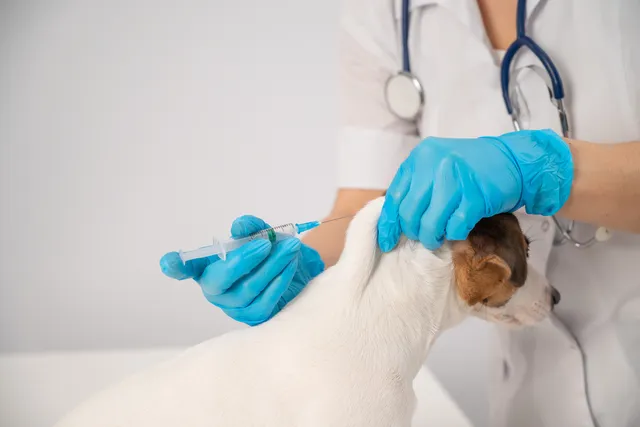
Diabetes management in dogs can be a complicated dance between timed feedings, insulin administration, and exercise. When all these elements work in concert, a diabetic dog can live a long and happy life, but if one part gets out of whack, it can be detrimental to the dog’s health.

One possible issue is when your diabetic dog won’t eat. If they don’t have a proper meal, you can’t give them insulin, which can lead to swings in blood sugar that can affect nearly every part of their body. Fortunately, we have a few tips that will hopefully help you out when your dog won’t eat.

divider single dog paw oct 2024

The 6 Mealtime Tips For a Diabetic Dog That Won't Eat

1. Give Them Canned Food

Your dog will likely be prescribed a diet meant for diabetic dogs that will be high in fiber and low in carbohydrates and fat. However, it may not be something that your dog takes to right away. Fortunately, most diabetic formulations come in kibble and canned versions. If your dog isn’t into the kibble, try mixing in a small amount of the canned food. This may entice their appetite and provide them with a boost in moisture. Don’t just top the dry food with the wet food, though, as most dogs can easily pick their way around it, only eating the canned food and leaving the kibble.

Image Credit: Przemek Iciak, Shutterstock

2. Add Moisture to Their Dry Food

If your dog does not immediately take to the change in food, boosting it with more flavor may help. For example, most dogs like the taste of low-sodium chicken broth and may even appreciate the change in texture that it brings to dry kibble when it’s mixed in. If you choose to give chicken broth to your dog, make sure it’s plain, without any other seasonings, and low sodium. It only takes a couple of tablespoons per meal; don’t turn their kibble into soup.


3. Give Them More Protein

What dog doesn’t love a lean, meaty snack? If your diabetic dog just won’t eat, try mixing in plain boiled chicken, lean beef or pork, or plain scrambled eggs. This meatiness can go a long way in upping your dog’s appetite without messing with their blood glucose levels. Just be sure to remove any excess fat, keep the additions seasoning-free, and mix the food well to prevent selective eating.

Image Credit: Zontica, Shutterstock

4. Add Vegetables

Dogs often like different kinds of vegetables, and offering a few to your pup may entice them to eat. They can be offered veggies that are fresh, cooked, or canned (if in the low-sodium form). Safe vegetables to offer include pumpkin, carrots, peas, green beans, and bell peppers. Mix them in with your dog’s food to add variety. Avoid any seasonings, as common ones like garlic powder may be toxic to canines.


5. Offer Cottage Cheese

A great food addition that can get your dog’s mouth watering without causing any harm is cottage cheese. It is protein rich and easy to digest, and most dogs really like it. Adding a couple of tablespoons to their meal may get a diabetic dog to eat. Just make sure not to serve too much, and watch for signs of digestive upset, as cottage cheese does contain lactose (though typically in lower amounts than most other dairy products), which can lead to vomiting and diarrhea.

Image Credit: Megumi Nachev, Unsplash

6. Try a New Food

There are multiple diabetic dog foods out there, so if your pup just isn’t falling tongue over tail for their new diet, try something else. Speak to your vet about which foods would be ideal for your dog’s tastebuds, and make the switch gradually if they have been regularly eating their old food. Some dogs may be fine with a food that is a different flavor of the same brand, while others want something completely new.

Before changing your dog's diet, reach out to a veterinarian.

Dogster divider_v3_NEW_MAY_24_

Why It’s Important for Diabetic Dogs to Eat

A good appetite is typically seen as a sign of good health in dogs, but in diabetic dogs, it goes even further than that. They have issues with the production of insulin, a hormone that is responsible for taking glucose out of the blood and moving it into cells to be used for energy. When the body’s insulin level is low, blood glucose tends to be high. When insulin is high, blood glucose is low.

Glucose in the blood comes from the breakdown of the foods that your dog eats. If they’re not eating, their blood glucose is typically low, which means your dog needs to eat in order to increase it. If they’re not eating and their glucose is low, giving them insulin will only drop it further, sometimes to dangerous levels, a condition called hypoglycemia.

If your dog fails to eat, your vet will likely instruct you to hold off on giving them their dose of insulin. Skipping multiple doses of insulin isn’t a good thing, though, so it’s important to make sure your dog is eating regularly.

Image Credit: Elayne Massaini, Shutterstock

What to Do If Your Diabetic Dog Won’t Eat

Eating regular meals is vital for diabetic dogs, so if these tips don’t help your dog’s appetite, it’s time to see your veterinarian. It may be more than just a dislike of their food. Other issues related to diabetes can pop up and throw off your dog’s appetite. Or it could be something unrelated that has them feeling less than hungry for their regular meal. Your vet will be the best one to find the underlying cause of the issue as soon as possible.

What Not to Feed a Diabetic Dog

While it’s important that your dog eats something in order to get their dose of insulin, you don’t want to feed them just anything. Human foods that are high in carbohydrates, such as sugary foods, bread, or crackers, aren’t ideal because they can overly elevate blood glucose levels. Also, avoid high fat foods, such as bacon or sausage, and don’t over-treat with dog treats, as it could make your dog picky to the point that they will only eat treats and avoid their regular meals.

divider dog paws 3 oct 2024

Conclusion

Diabetes can be a tricky issue to manage, especially if your dog starts to boycott eating. Hopefully, their inappetence is just a result of not liking their new diet, in which case, trying these tips may help. However, not eating can also be a sign of complications related to diabetes or another illness that should be addressed by a veterinarian. If your diabetic dog isn’t eating or you have any other concerns about their management, be sure to see your vet.

Sources

Featured Image Credit: Daria Lixovetckay, Shutterstock

Want content like this delivered to you?

Sign Up For Our Newsletter

News, insights, expert advice, and everything dog

* By submitting, you agree to our Terms & Conditions and Privacy & Cookies Policy.

Dr. Chyrle Bonk DVM (Veterinarian)
Authored by

Dr. Chyrle Bonk DVM (Veterinarian)

Join the Conversation

5 Responses

DM
Danielle M KIbel says:
December 2, 2024

Good morning, My name is Danielle Kibel. Last Monday, our fur baby, Princess, was diagnosed with Diabetes which we give her insulin for and have change her diet. She was also diagnosed with neuropathy in her back legs, arthritis and Cushing's disease. Is there any advice you can give me to help her. I have been doing a lot of research, and it seems there are so many different options that I am a bit overwhelmed. Can you educate me better on these issues? Thank you so much, I appreciate your time!

Joe Burns
Joe Burns says:
December 3, 2024

Hi Danielle, thanks for reaching out. I'm so sorry to hear about Princess' diagnosis! That must have come as a real shock. Having her on insulin and changing her diet is an excellent start to managing the diabetes, so you are doing a great job there. The other conditions can seem complicated, so don't beat yourself up if you're feeling overwhelmed. Having a vet that you trust to guide you on this new journey will help alleviate some of the stress, and educating yourself on these conditions like you are doing will certainly help you and your pup in the long run. I have sent you an email with some more information to help you understand these conditions a bit more. Alternatively, we do have an online vet service, PangoVet, where you can speak to a qualified and experienced veterinarian who can help answer any questions you may have and come up with an action plan to help your pup. You can book a video consult with our team at https://pangovet.com - I hope that helps!

DM
Danielle M KIbel says:
December 3, 2024

Hi Joe, Thank you for your quick response and information. I appreciate you giving me advice and letting me know I am doing what I can. I keep thinking to myself, what if I had done something more or had a clue she was so ill. I will follow up with your email and get into contact with your Vet as well as mine. Have a wonderful day. Danielle

SB
Susan Bishop says:
March 23, 2025

My dog is 16 years old and has diabetes. She is constantly sniffing around her dish for something to eat, but does not seem to be thrilled with her prescribed food. She does get insulin, so she needs to it was prescribed. I’m just wondering if maybe adding something to it would help entice her but I don’t know what Be a good choice. Thank you so much for whatever information you can offer

Joe Burns
Joe Burns says:
March 28, 2025

Hi Susan! I completely understand how challenging it can be when your pup isn’t thrilled with her prescribed food, especially with diabetes involved. It's great that she's getting the insulin she needs, but I know it can be tough when they’re not excited about their meals. We do have an online vet service, PangoVet, where you can speak to a qualified and experienced veterinarian who can offer advice tailored to your dog's specific needs. They can help answer any questions you may have and suggest safe, diabetes-friendly options to entice her, while ensuring that any additions won’t interfere with her treatment plan. You can book a video consult with our team at https://pangovet.com. I hope that helps, and I'm sure our vets can offer some good suggestions to help make mealtime a little more exciting for her! :)

What Human Foods Can I Feed My Diabetic Dog? 6 Vet-Approved Options

What Human Foods Can I Feed My Diabetic Dog? 6 Vet-Approved Options

Dogs can get diabetes just like humans can. It typically happens when they’re older, but if your pooch isn’t in good health, it can happen at any time. Providi…

Rachael Gerkensmeyer
By Rachael Gerkensmeyer · 6 days ago
7 Signs Your Dog With Diabetes Is Dying & What to Look Out For (Vet Answer)

7 Signs Your Dog With Diabetes Is Dying & What to Look Out For (Vet Answer)

Having a dog with diabetes mellitus calls for constant observation and care. It is difficult to see your beloved pet battling a chronic illness, and identifyin…

Dr. Marti Dudley
By Dr. Marti Dudley · 3 weeks ago
What to Do When Your Dog Won’t Eat: Possible Causes & Solutions (Vet Reviewed)

What to Do When Your Dog Won’t Eat: Possible Causes & Solutions (Vet Reviewed)

It can be stressful if your dog suddenly stops eating, especially if they’re typically a big eater. There are a few reasons that some dogs stop eating, and som…

Brooke Billingsley
By Brooke Billingsley · 7 hours ago
Diabetes in Dogs: Our Vet Discusses Causes, Signs & Treatment

Diabetes in Dogs: Our Vet Discusses Causes, Signs & Treatment

Have you ever wondered … “Can dogs get diabetes?” And if dogs can get diabetes, what are the symptoms of canine diabetes and how do you treat diabetes in dogs?…

Dr. Amanda Charles
By Dr. Amanda Charles · 1 day ago
June 27, 2026

Why Is My Dog Not Eating? 9 Vet-Verified Reasons & What to Do

The role of every dog owner is to do everything it takes to keep their puppy happy and healthy. So, it's understandable that many owners panic when their dog d…

Jana Blagojevic
By Jana Blagojevic
Why Is My Dog Not Eating? 9 Vet-Verified Reasons & What to Do
June 17, 2026

What to Feed an Overweight Dog: 6 Vet-Reviewed Options

Having an overweight dog can be a serious concern for any pet owner, as it can lead to various health issues. It can also affect their activity level and even…

Ed Malaker
By Ed Malaker
What to Feed an Overweight Dog: 6 Vet-Reviewed Options
June 17, 2026

How to Put a Dog on a Diet: 10 Vet-Approved Weight Management Tips

An estimated 56% of dogs in the United States are overweight or obese. Just like in humans, obesity can cause health problems in dogs, including heart problems…

Nicole Cosgrove
By Nicole Cosgrove
How to Put a Dog on a Diet: 10 Vet-Approved Weight Management Tips
June 17, 2026

What to Feed a Dog With Diarrhea: 10 Vet-Approved Options

It’s never pleasant to watch your dog when they’re uncomfortable and not feeling their best, especially if they have diarrhea. Diarrhea can occur for a number…

Chris Dinesen Rogers
By Chris Dinesen Rogers
What to Feed a Dog With Diarrhea: 10 Vet-Approved Options
June 16, 2026

How to Get a Sick Dog to Drink Water: 12 Vet-Reviewed Steps to Follow

For most dogs, refusing to eat or drink is a troubling sign. This can often indicate that your dog is sick or injured. If your dog isn’t drinking water or does…

Brooke Billingsley
By Brooke Billingsley
How to Get a Sick Dog to Drink Water: 12 Vet-Reviewed Steps to Follow
June 29, 2026

What Vegetables Can Dogs Eat? 14 Vet-Approved Healthy Options

As dog owners, we have our dog's best interests at heart and want to keep them safe. One of the biggest risks to their health is what they put into their bodie…

Keri-Beth Clur
By Keri-Beth Clur
What Vegetables Can Dogs Eat? 14 Vet-Approved Healthy Options
June 29, 2026

How to Hydrate Your Dog: 6 Vet-Approved Ways

Keeping your dog hydrated is an extremely important factor to consider not only if your dog spends time outdoors in the heat, but also just in general. Like hu…

Rachel Giordano
By Rachel Giordano
How to Hydrate Your Dog: 6 Vet-Approved Ways
June 16, 2026

Why Is My Dog Always Hungry? 12 Vet-Reviewed Reasons

It's no secret that many of our canine companions are voracious eaters! They are always into something and can never be trusted around the family garbage can.…

Ashley Bates
By Ashley Bates
Why Is My Dog Always Hungry? 12 Vet-Reviewed Reasons

Love Dogs? So Do We! Join the Dogster Community

Stay informed with expert pet care insights delivered straight to your inbox! Discover professional guidance on animal behavior, feeding tips, trusted product picks, and much more.

You may opt-out at any time. View our Privacy Policy for more information.

The Dogster app on a phone