Pica in Dogs: Vet-Verified Signs, Causes, Treatment & Prevention


In this article
Have you ever found your dog eating something they shouldn’t? It happens; dogs are fond of picking up anything they can find! But what if your pup consistently eats things that aren’t food? Should you be concerned?
Consistently eating non-food items is a condition known as pica, and it’s a condition that requires professional intervention. While a dog occasionally eating something they shouldn’t isn’t usually a big deal (unless it is something toxic or something with the potential to cause a blockage), a canine who eats things like wood, rocks, or fabric all the time may have a medical or psychological problem. Besides the fact that eating non-food items could be extremely harmful to a dog, it also means there’s some underlying condition causing this to occur.
Want to learn more about pica in dogs? Here’s everything you should know!

What Is Pica in Dogs?
You may have heard of pica in humans before, but what exactly is pica in dogs? Does it work the same way?
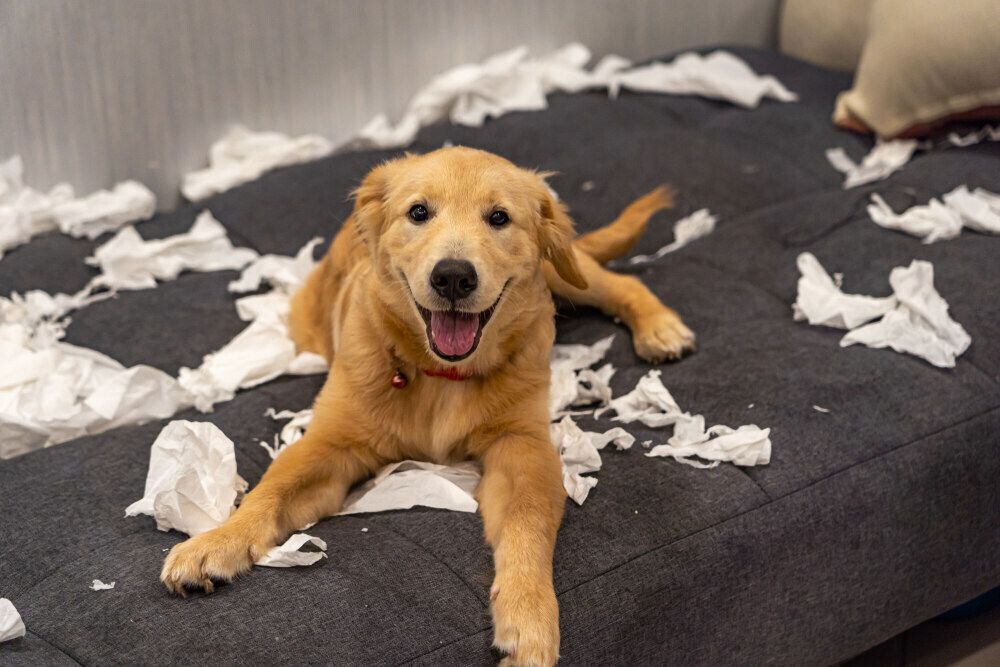
Pica is a condition wherein canines consistently eat non-food items. A few examples of items a dog with pica might eat include clothing, wood, toys, rocks, and plastic (so you can see how dangerous this condition can be!). These pups might eat all sorts of non-food items or just stick with one type (like exclusively eating rocks).
One of the more common (and grosser) forms of pica in dogs is known as coprophagia (the eating of feces).1 Dogs pick up a lot of things they shouldn’t with their mouths, including feces, but where a healthy dog would outgrow the consumption of feces phase, a dog with pica would not. So, you don’t need to panic if you see your puppy eating feces, as they could just be exploring the world around them. However, if they continue to do this, it could be a concern.
Pica, in and of itself, is a concern because you don’t want your pet eating random things. Pica leads to secondary problems in dogs, too. If your pup is constantly eating rocks, it may cause a blockage in the stomach or intestine, which can be deadly. There’s also the risk of a dog eating something poisonous or eating a non-food item that cuts the inside of their mouth, throat, esophagus, or stomach. So, if you think your pet has pica, you should absolutely consult a vet.
What Are the Signs of Pica in Dogs?
While the most obvious sign that your canine companion might have pica is seeing them eat something other than food, you won’t always see them do this. Some dogs may chomp down on anything and everything right in front of you, but other pups may do it when they are alone. So, what other signs point to pica in dogs?
- Remnants of non-food items around the house
- Non-food items in dog’s feces
- Eating less food
- Broken teeth
- Vomiting and/or diarrhea
- Lethargy
- Pain in the abdomen
- Constipation
- Retching or coughing
- Excessively drooling
- Super stinky breath
- Bloated stomach

What Are the Causes of Pica in Dogs?
Pica in dogs can be caused by many things, some of which are medical issues and others which are more of a psychological problem. To address the problem of pica, the root cause must be identified. Some of the most common causes of this condition include:
A vet will be better able to determine the cause of your dog's pica. Before performing a physical exam, they will want to learn more about your pet’s daily life, behavior, and other factors. They may also order diagnostic tests to determine the cause of your dog’s pica.

How Do I Care for a Dog With Pica
The very first thing to do if you believe your pup might have pica is to consult your veterinarian. Your vet will, as mentioned above, be able to help determine the root cause of the pica by examining your pet and learning more about their history and lifestyle. They may also run diagnostic tests, such as blood tests and fecal analysis to determine what is going on. Once a root cause is found, you can properly care for and treat your dog.
For example, if the pica occurs from a nutritional imbalance, you can ensure your dog is transitioned on to a nutritionally balanced diet. Your vet might recommend a different kind of dog food or even supplements for your pet.
If your dog has pica because of a medical issue, then once that medical condition is determined, your pet can be treated for it. For example, if it turns out your pup has diabetes, you may need to begin giving them insulin which will help reduce their hunger. Treating the underlying medical problem should cause the pica to stop.
Caring for a dog with pica due to a behavioral issue is challenging. Behavioral issues often require lifestyle changes to alleviate the anxiety, boredom, or stress that causes a canine to eat non-food items. These changes may involve behavioral training, more exercise, or more playtime with your pup. As a result, pica due to behavioral issues can take a long time to resolve.
Other than figuring out the root cause of your dog’s pica, another excellent way to care for them is to keep an eye on them and make sure you know what’s around them in their environment. If your dog constantly tries to eat rocks, you don’t want to let them run around on their own in a rocky area! You may need to have your dog on a leash more often or close off areas of your home that contain items your dog likes to eat.

Frequently Asked Questions (FAQ)
You may have more questions about pica in dogs, so here are some of the most frequently asked questions people have.
If my dog has pica due to behavioral issues, what are the treatment options?
Treatment options depend greatly on the behavioral issues your dog is experiencing. For a dog with anxiety, you may need to incorporate techniques into your life and theirs, designed to reduce that anxiety. Some dogs benefit from anxiety medication. A constantly bored dog will need more physical and mental stimulation, such as more exercise and puzzle toys. If the behavioral issue is severe, your vet might recommend seeing someone who specializes in treating canine behavioral problems.
Can I prevent my dog from getting pica?
You may not be able to prevent pica in your dog, but you can reduce their chances of developing it. First and foremost, ensure you’re feeding your pup a well-balanced diet that provides all the nutrients they need. Your vet can help you determine the healthiest diet for your pet. Next, make sure your dog has plenty of things to do! Exercise them regularly, play with them, and give them opportunities to challenge themselves with puzzle toys and games. Finally, keep as many non-food items away from your pup as possible. Don’t leave socks lying around on the floor; make sure the lid of the garbage can is locked, etc.

Conclusion
If you believe your canine companion has pica, you should talk to your vet. Pica may seem like an odd but otherwise harmless behavior at first, but it can be extremely harmful to your pet. It can also be caused by underlying conditions, which could be medical or behavioral and should be resolved. Your vet can help you determine the cause of the pica and how to treat it.
Sources
Featured Image Credit: Muk Photo, Shutterstock
Expert dog care, straight to your inbox
Vet-reviewed advice, training tips, and the best of Dogster. Free, and you can unsubscribe anytime.
By signing up, you agree to our Terms & Conditions and Privacy & Cookies Policy.
Misty Layne lives out in the woods in small-town Alabama with her two Siamese - Serafina & Jasper. She also has an array of stray cats, raccoons, and opossums who like to call her front porch home. When she’s not writing about animals, you’ll find her writing poetry, stories, and film reviews (the animals are, by far, her favorite writing topic, though!). In her free time, Misty enjoys chilling with her cats, playing piano, watching indie and foreign films, photographing abandoned places, and catching up on her never-ending TBR list.
Join the conversation
Ask a question, share your story, or send private feedback.