Dogs With Coprophagia: Why Does Your Dog Eat Poop?


In this article
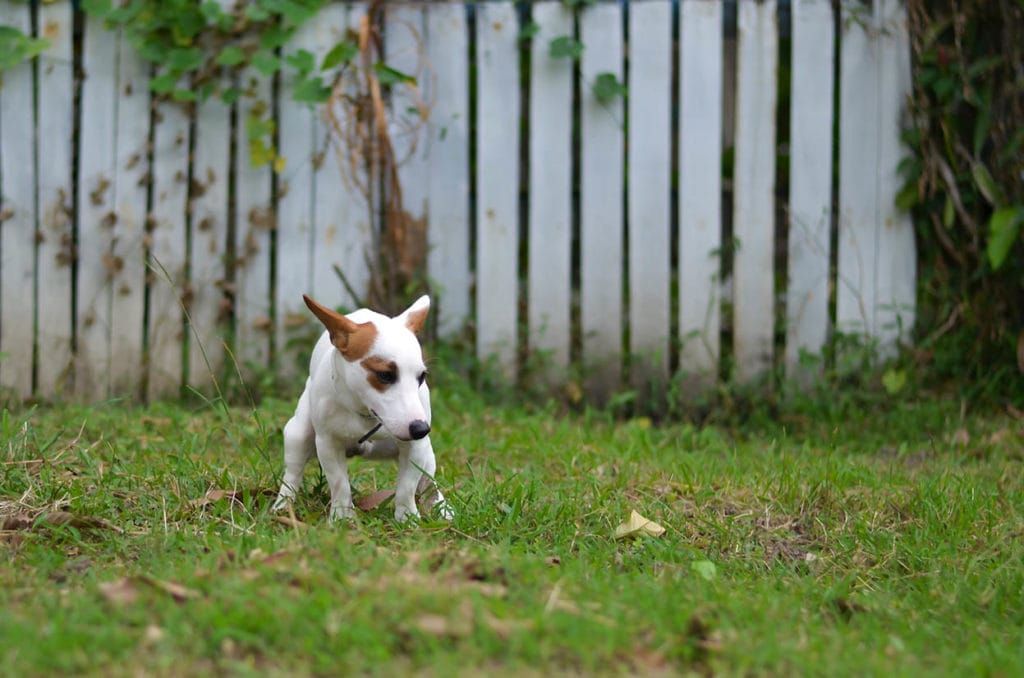
View 3 More +Coprophagia is the term used to describe the behavior of eating feces, which is common in dogs. Sometimes, the dog’s own feces are the primary object, though the feces of other animals can also be the source of consumption.
Often, coprophagia is treated solely as a behavioral problem. However, there are various health conditions that you should rule out before attempting to train your dog away from this behavior. Most of these medical conditions are not serious and can be easily treated with the right care.

What Are the Medical Causes of Coprophagia?

Any medical problem that leads to poor absorption can cause coprophagia. The dog may attempt to fix these digestive problems by eating their stool or the stools of other animals.
To determine if your dog has an absorption problem, you should take your dog to the vet because a stool examination may be necessary. A diet examination is also typically required. Testing for parasites is usually done, as these can also be the triggers of coprophagia. The vet may also ask for further tests, such as blood tests. This can help determine the underlying cause of the behavior.
Nutritional deficiencies due to a poor diet, underfeeding, and other medical conditions can trigger coprophagia. Conditions that affect the enzyme secretion will also affect the nutrient absorption and, therefore, may also cause your canine to eat their stools.
Some diseases that affect appetite may also cause stool eating. These include things like thyroid disease and Cushing’s disease. Dogs with increased appetite may feel the need to find other edible items beyond their normal food, which may lead them to eat their stool. Dogs that are under extreme calorie restrictions may also eat their stool.
Sometimes, it is not the dog eating the stool that has the underlying condition. If one dog’s stool seems to be the primary target of other dogs, it is possible that the first dog has an underlying absorption problem. This could leave large amounts of vitamins and minerals undigested in their stool, which can encourage other dogs to eat it.
If you’re concerned about your pet’s well-being, we recommend consulting a veterinarian.
What Are the Behavioral Causes of Coprophagia?
There are also purely behavioral causes of this condition. Many puppies eat stool. This problem usually clears up when the puppy reaches adulthood. We do not know exactly why puppies exhibit this behavior, though there have been many theories. Some suggest that the puppies are practicing foraging behaviors. Others believe that the puppies may be attempting to play with their stool, only to end up eating it.
Mother dogs instinctively eat their puppies’ stool to keep their sleeping area clean. This is normal behavior. So, it is possible that puppies may observe this and imitate their mother.
The attention that owners often pay to coprophagia may cause the undesired behavior to be reinforced. This may be a cause of coprophagia in adult dogs.
Dogs that live together can also learn the behavior from one of the dogs and end up doing it.
Why Do Dogs Eat the Stools of Other Animals?

When a dog is snacking on another animal’s feces, it is usually a scavenging behavior. Dogs are scavengers, which is why they will often go through trash cans and steal food items. The stools of other animals can also be seen as yummy snacks. Often, cat feces and those of some other animals seem to be particularly appealing to dogs.
There is a theory that dogs may be drawn to the stool of herbivores for the undigested vegetation material. However, we do not have any scientific evidence to back up this theory. Some veterinarians also believe that some dogs resort to coprophagia as a way of accessing or recycling digestive enzymes.
How Do You Treat Coprophagia?
Coprophagia can be most easily prevented by restricting a dog’s access to stool. If your dog is after the cat’s stool, simply use a self-cleaning litter box or change the litter box to an area where the dog can not reach it.
If your dog eats their own stool, then the plan will usually involve monitoring the dog while outside and cleaning the pet’s roaming area. Your dog will likely have bowel movements at around the same time each day. If you take notice of this pattern, cleaning up after your dog is quite simple. We recommend training your dog to return to the door after they do their business outside. This can be done easily by calling your dog when they are done and then rewarding them.
Eventually, your dog will return to the door every time instead of hanging around their feces. You should discourage your dog from stool sniffing, though it is often easier to break the habit by simply removing the stool.
If you train your dog to come to you for a treat after completing their business, then this new behavior may replace the old habit of eating the stool. It is often easier for dogs to learn a new habit rather than stop an old one.

Final Thoughts
Coprophagia is a disgusting but relatively common issue with dogs, which can be caused by medical or behavior issues. If your dog has medical problems, it is essential that their problems are treated. Afterward, the stool-eating habit may disappear completely. Sometimes, however, it has become a habit, and the dog will continue even after the underlying cause has been dealt with. At this point, it is a behavioral problem and needs to be trained out.
Sometimes, the dogs will need to be switched to a more digestible diet. Switching protein sources can be helpful. If your dog needs to lose weight, you may want to consider putting them on a high-fiber diet rather than simply cutting their calories. Added enzymes may help as well, especially if the dog is not producing the correct number of enzymes already.
Featured Image Credit: Kiadtisak-Khwanyu, Shutterstock
Expert dog care, straight to your inbox
News, insights, expert advice, and everything dog.

No spam — unsubscribe anytime.
By signing up, you agree to our Terms & Conditions and Privacy & Cookies Policy.
How useful was this post?
Click a star to rate. You can leave written feedback afterwards. (We read all feedback.)

Nicole has loved animals of all sizes her whole life so it's no wonder she has dedicated her career to helping them through what she loves best: learning, writing, and sharing knowledge with others. She’s the proud mom of two dogs, a cat, and a human. With a degree in Education and 15+ years of writing experience, Nicole wants to help pet parents and pets around the planet to live happy, safe, and healthy lives.