Why on Earth Do Dogs Eat Socks, Rocks, and Dirt?

In this article
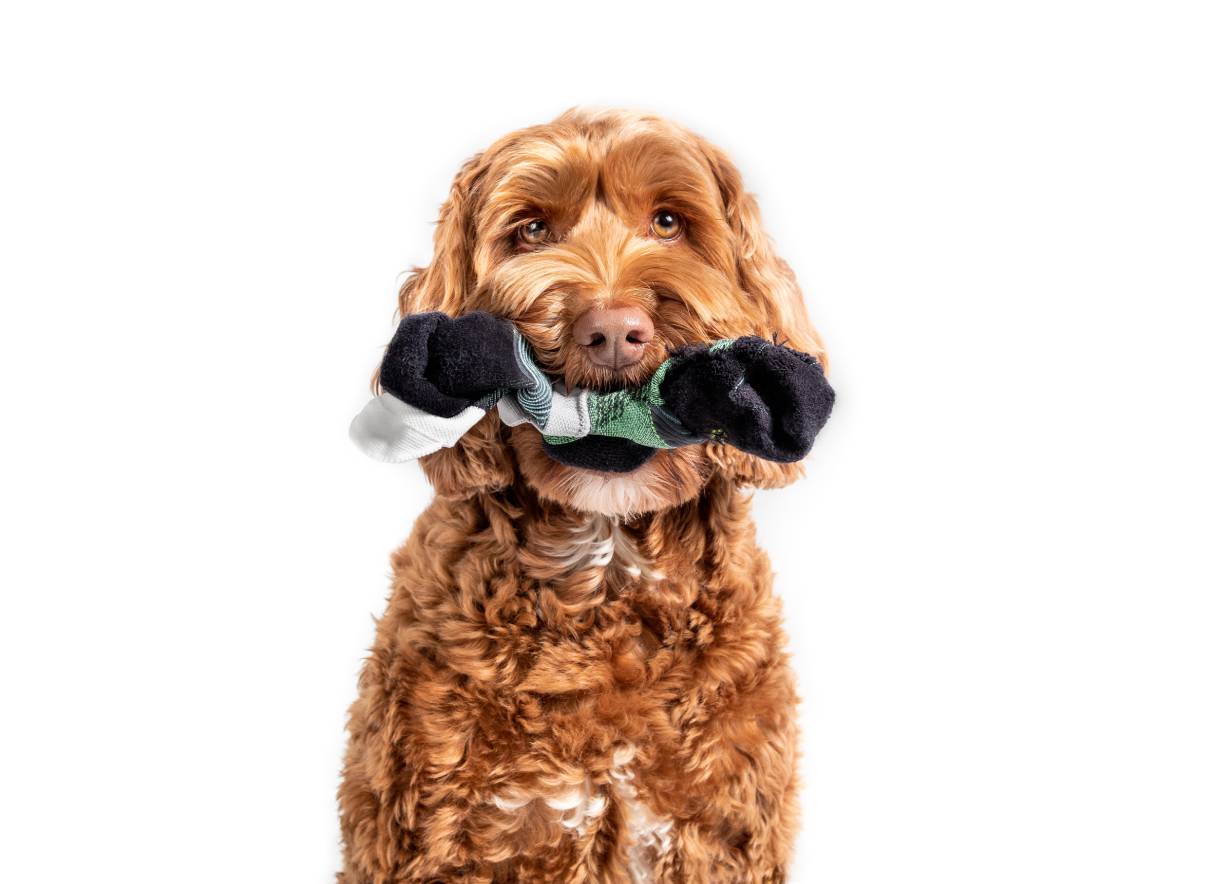
Dogs will put almost anything in their mouths – socks, soil, plastic, paper, rocks, things that defy explanation, and some items too disgusting to mention. Sometimes it’s harmless; sometimes it’s not. For many dog owners, this is a familiar and occasionally alarming reality, and in certain cases, a dog that consistently eats non-food items is telling us something important about their health or mental state.
Understanding what is behind the behavior is the first step in recognizing the difference between quirky habit and potential emergency.
Why dogs eat things they should not
There are five main reasons dogs consume things that were never meant to be food, and they range from completely normal to genuinely concerning.
It’s an age thing…
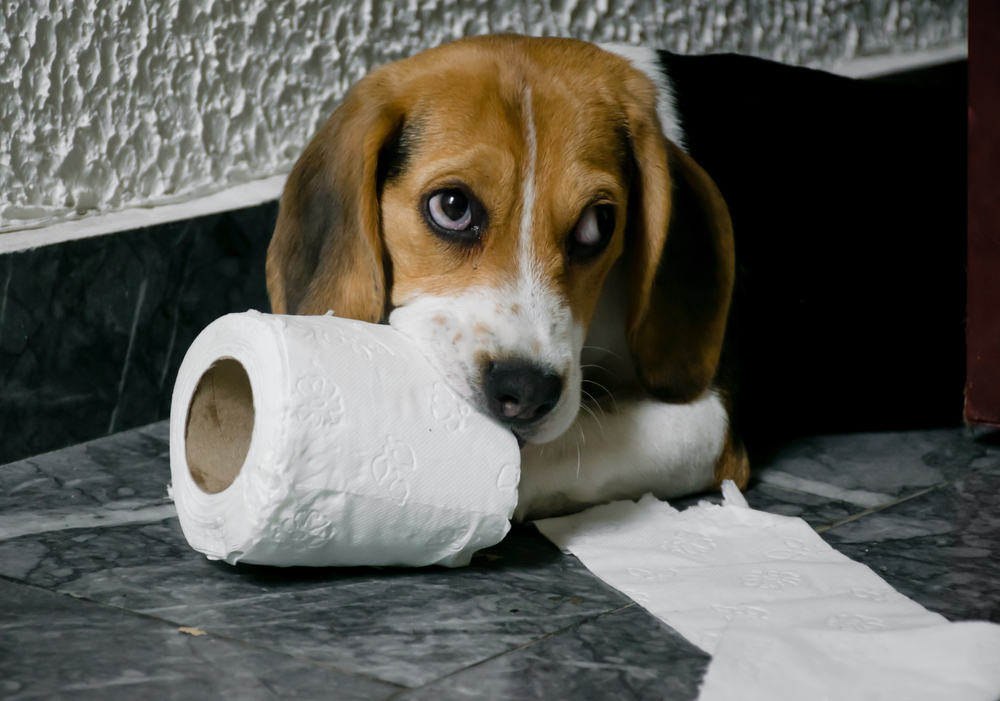
Puppies explore the world through their mouths. Teething drives a lot of it, but general curiosity and the urge to investigate new objects through taste and smell also play a role. Most puppies grow out of this phase, but the habit creates real risk while it is happening, which is why puppy-proofing the home matters more than most new owners expect.

Curiosity
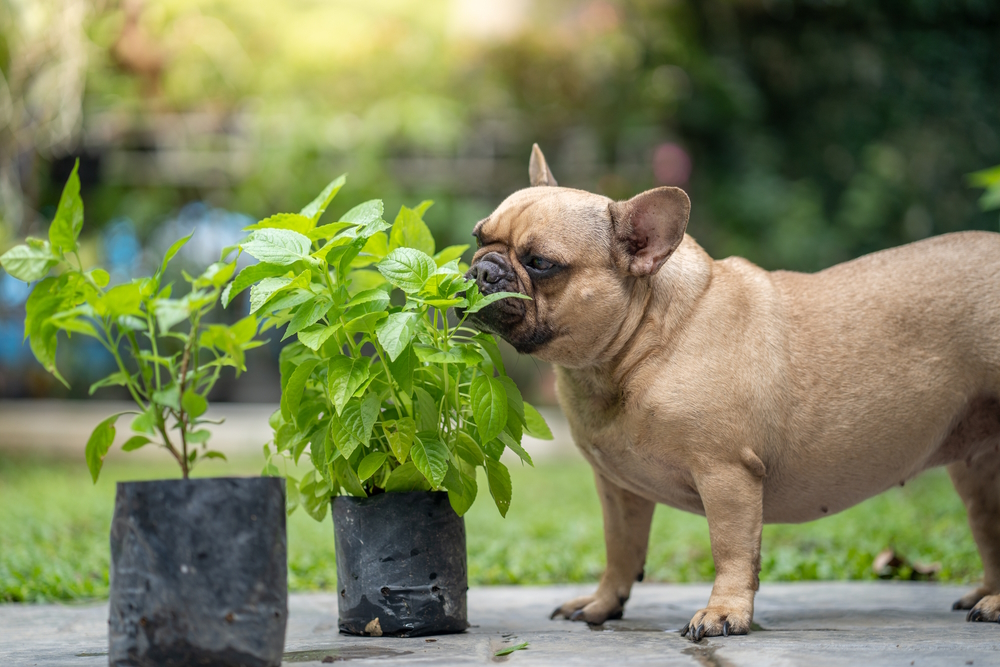
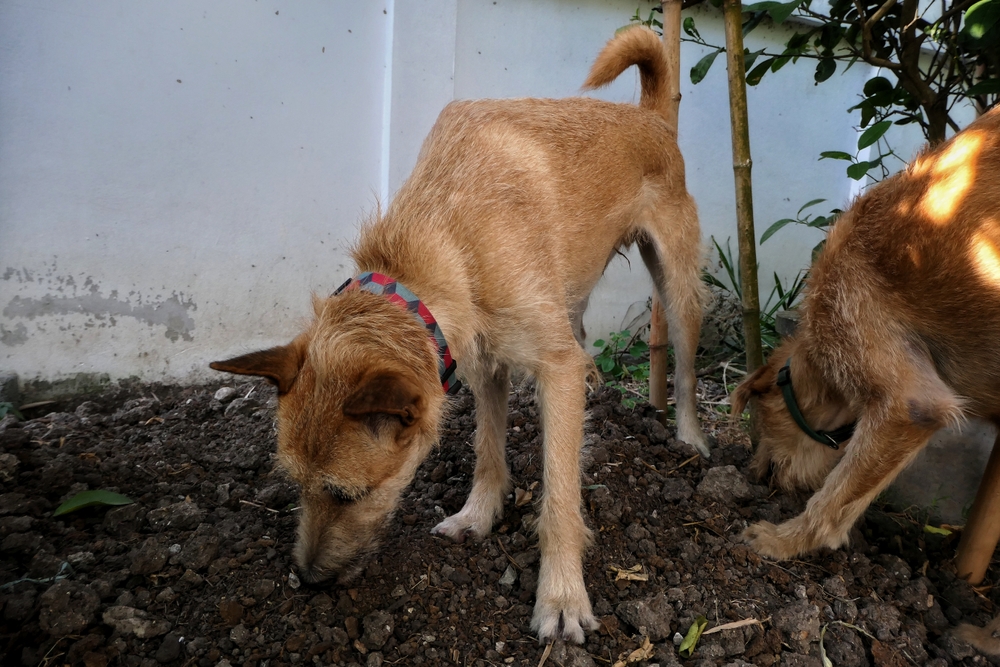
Whilst often at its peak during puppyhood, the desire to investigate does not disappear as soon as a puppy becomes a dog. Dogs use taste and smell as primary tools for learning about their environment, and something that smells interesting enough will often end up in a dog's mouth, and sometimes it goes further than that.
Boredom & Stress
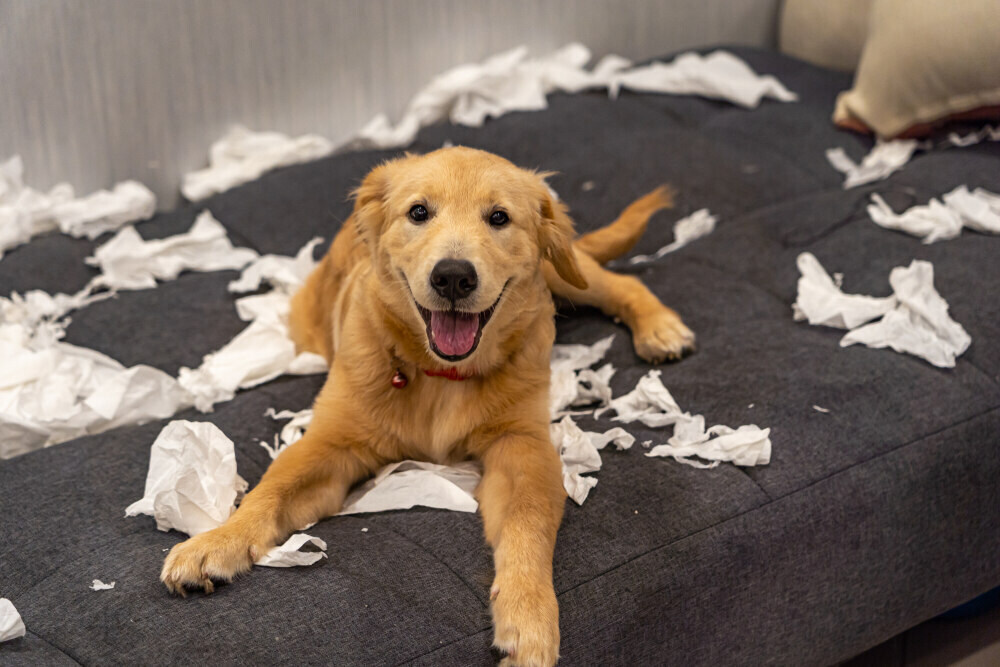
Dogs left alone for extended periods, or those dealing with separation anxiety, may turn to chewing as a coping mechanism. The problem here is that not only is this a sign of a dog struggling to cope, but it can also lead to damaged property and swallowed objects. Stress-triggered chewing is one of the more common reasons dogs end up in emergency clinics after ingesting something that caused a blockage.
Health Problems
Certain illnesses and nutritional deficiencies can cause dogs to seek out and consume non-food items. Anemia, for example, can lead a dog to eat clay, soil, or dirt as the body attempts to compensate for low iron. Other conditions, including inflammatory bowel disease, liver disease, and diabetes, have also been linked to changes in eating behavior, and medications that increase hunger – such as corticosteroids – can produce similar effects.

Pica
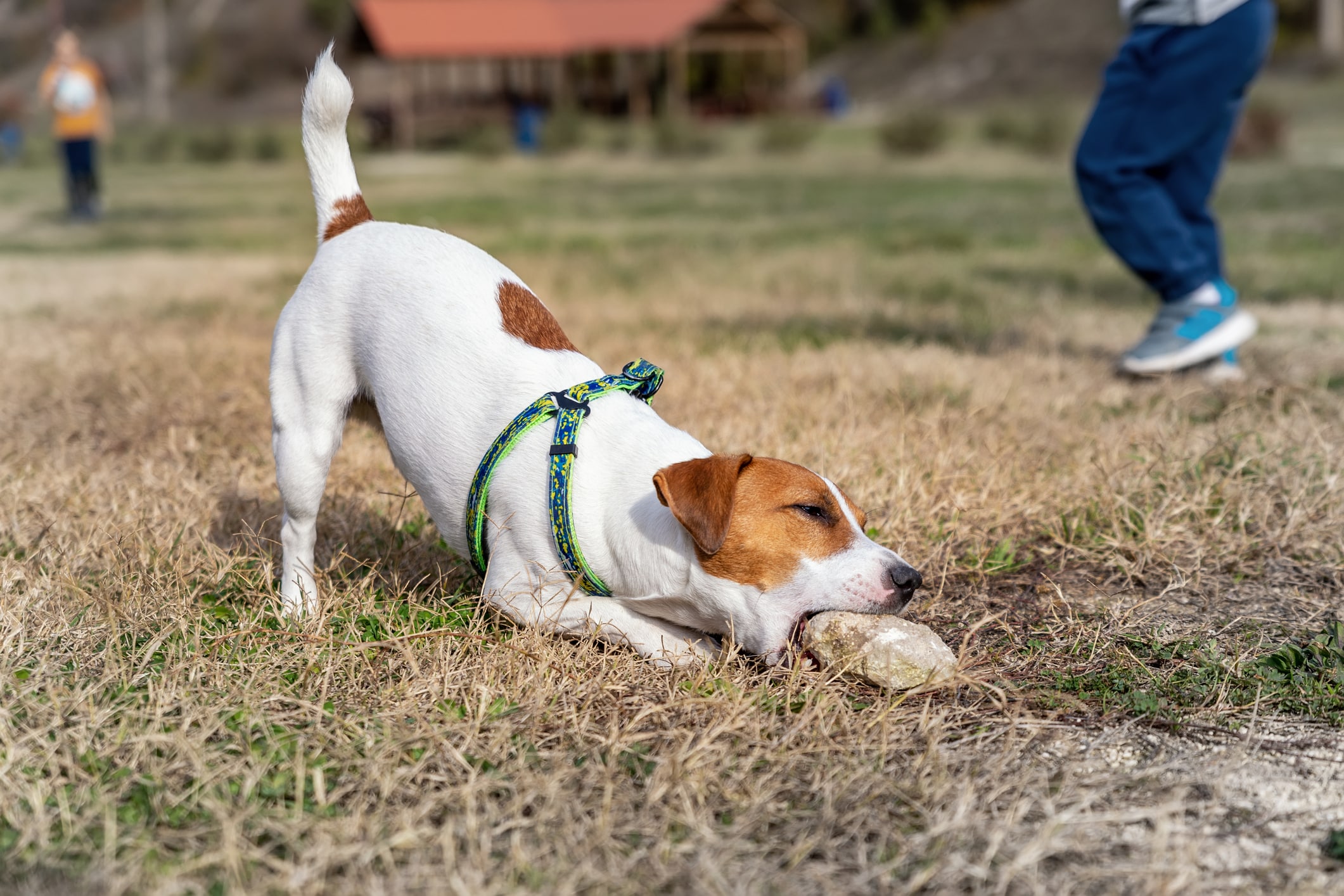
This is the technical term for compulsive ingestion of non-food items. Unlike occasional chewing and swallowing, pica involves a persistent pattern that may be linked to obsessive-compulsive disorder or other psychological issues. Dogs with pica tend to eat the same types of items repeatedly, and the behavior does not resolve on its own. Common targets include clothes, particularly socks and underwear, as well as dirt, paper, plastic, metal, and rocks.
When to be concerned?
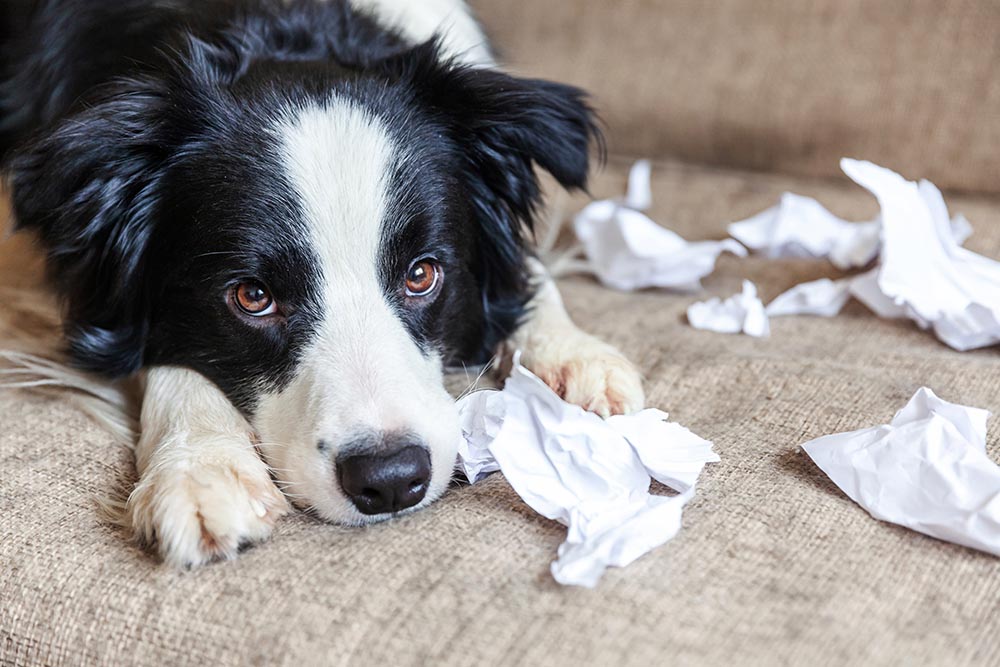
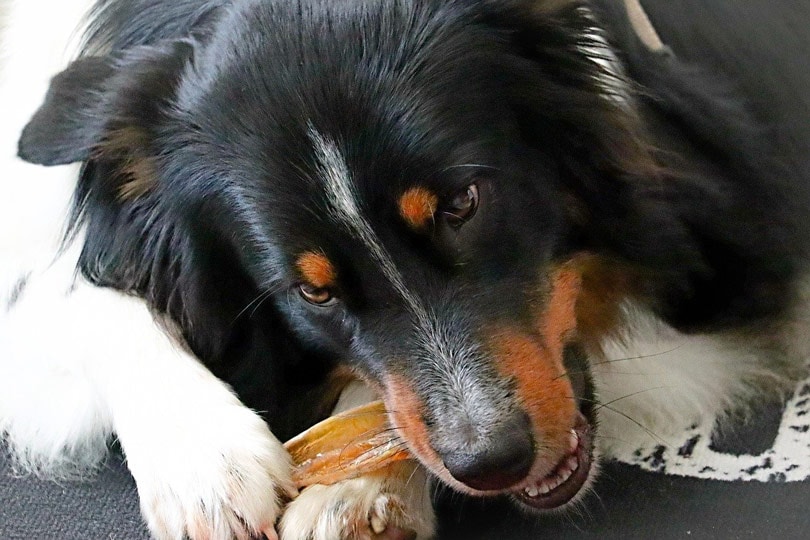
Chewing is a normal, healthy activity for dogs. It helps keep their teeth clean, their gums healthy, and when provided with the right sort of toys and objects, it also helps protect our own possessions from curious mouths. However, when chewing becomes obsessive, destructive, or harmful, or when non-food items are being swallowed, it’s time to pay attention.
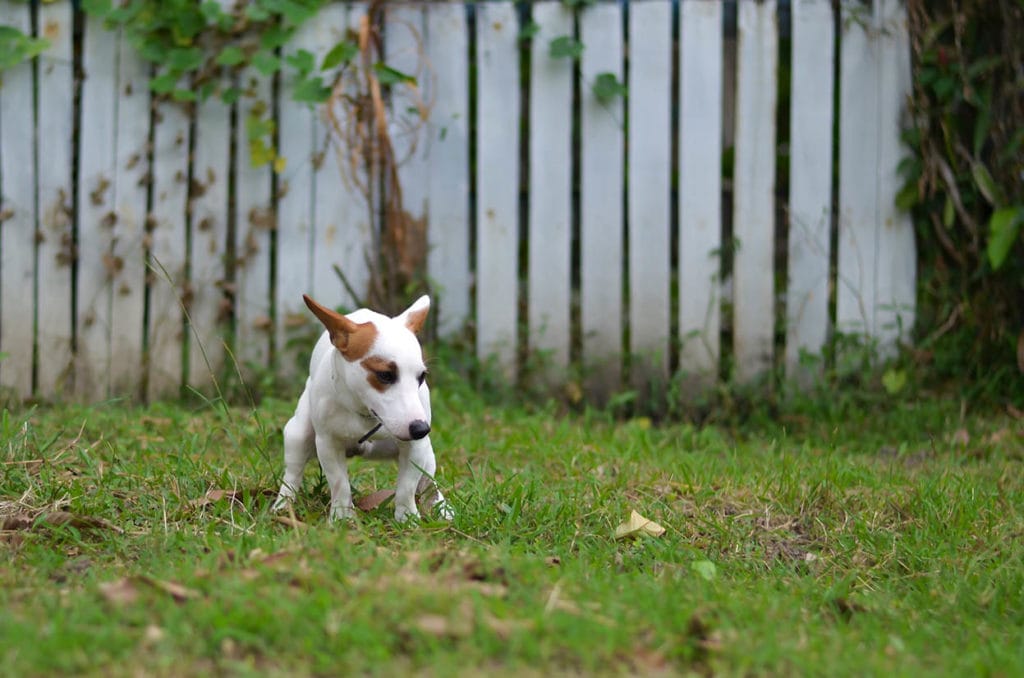
Swallowing non-food items carries a real risk of gastrointestinal or esophageal obstruction, which can be life-threatening and often requires surgery. Signs that a dog may have swallowed something problematic include vomiting, gagging or retching, loss of appetite, straining to have a bowel movement, black or tarry stools, excessive drooling, pawing at the mouth, and visible distress. Any of these signs warrants an immediate vet visit rather than a wait-and-see approach.
What to do about it
The starting point is always a vet appointment. A thorough check-up can identify or rule out underlying medical causes, and if pica or a psychological component is suspected, referral to an animal behaviorist may be recommended. Behavior modification, the use of basket or cage muzzles, and medication are the main tools for managing pica once any other medical cause has been ruled out.
Training is one of the most practical preventive measures available. Teaching a reliable "leave it" command gives owners a way to intervene before something gets swallowed, and positive reinforcement training is the most effective approach. Punishment tends to create anxiety, which can make the underlying behavior worse.
Keeping the dog physically and mentally active reduces the boredom and stress that drives a significant portion of this behavior. Varied walks, interactive play, training sessions, and puzzle feeders that require the dog to work for its food all help channel energy into appropriate outlets. Providing a good rotation of suitable chew toys gives the dog something acceptable to put in its mouth, and keeping teeth and gums occupied reduces the temptation to experiment with other objects.
Environmental management matters too. Removing access to commonly targeted items, putting socks in drawers, keeping small objects out of reach, securing the trash, and ensuring every member of the household follows the same rules significantly reduce opportunity. A basket or cage muzzle worn during walks is a practical option for dogs that consistently pick up and swallow things outside, while training is still being established.
The combination of a proper veterinary assessment, consistent training, adequate enrichment, and a managed environment resolves most cases. For dogs with persistent pica or anxiety-driven ingestion, professional support makes a meaningful difference to the outcome.
If eating socks, rocks, and other non-food objects is the symptom, it’s important to get to the heart of the problem.
Featured Image Credit: RJ22, Shutterstock
Did You Know?
- Our brand-new posts are rounded up and included in our weekly emails. Don't miss out on the latest - sign up for our newsletter below!
Expert dog care, straight to your inbox
Vet-reviewed advice, training tips, and the best of Dogster. Free, and you can unsubscribe anytime.
By signing up, you agree to our Terms & Conditions and Privacy & Cookies Policy.
Dan has been working in the dog world for over 4 years, covering dogs and all other pets, helping pet parents keep their companions happy, healthy, and totally spoiled! Originally from London, Dan now works remotely, which sadly means no pets at home, but plenty of opportunities to fuss over other people's furry friends.
Join the conversation
Ask a question, share your story, or send private feedback.