My Dog Keeps Eating Flies, What Should I Do? Vet-Verified Facts & FAQ


In this article
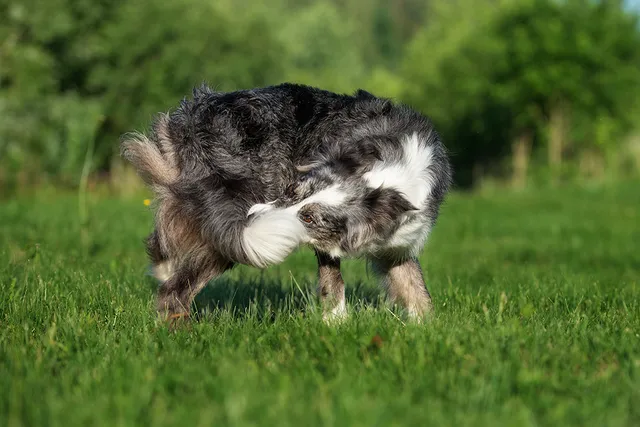
Like all animals, dogs tend to engage in all kinds of weird behaviors, including eating flies. Some dogs simply can’t withhold the excitement that they feel when they hear the buzzing sound in the air, and they run straight to the fly, trying to either catch or eat it.
If you’re a dog parent, this behavior may concern you because flies are typically considered gross bugs that annoy us. However, many dogs consider insects to be treats, hence why they try to eat them. So, if your dog eats a fly every now and then, there's typically no need to worry, as this behavior is entirely normal. However, beware; if your dog is air-biting or chasing imaginary flies, this is completely different and could be a sign of an underlying health problem.
Read on to learn why your dog keeps eating flies, if such behavior is safe for dogs, and if there's anything that you should do about it.

Why Do Dogs Eat Flies?
Dogs are natural-born hunters and scavengers, so it's in their nature to hunt, catch, and search for their prey. This also means they tend to eat all kinds of items that we may find gross. Since pet dogs typically don't have opportunities to hunt wild animals, they will hunt insects instead, including house flies.
Chasing, hunting, and eating flies are fun for your dog because these actions are mentally and physically stimulating. Some dogs may also engage in such behaviors due to boredom or too much energy.
Dogs with high prey drive and activity levels are more prone to chasing and eating flies, though this behavior could occur in any dog. It's also possible for dogs eating flies to be a sign of behavioral, neurological, or digestive problems. Some dogs may also eat flies simply because they like the taste!

Is Eating Flies Safe for Your Dog?
Eating a fly every now and then shouldn't harm your canine in any way. Many people believe that their dogs could get sick from eating a housefly due to the diseases that they can transmit. However, after a dog eats a fly, it gets digested in their digestive system, and there is no evidence that they can transmit any diseases.
As dogs are unable to differentiate between harmless and poisonous insects, we should still keep an eye on anything your dog eats and try to deter your dog from this behavior.
How to Deter Dogs From Eating Flies
If your dog only occasionally eats flies, there’s no need to worry or try to stop the behavior. If it becomes obsessive, however, you should try to prevent this behavior.
There are a few things that you can do to deter your dog from eating flies:
- Provide your dog with regular exercise and mental stimulation to prevent boredom.
- Provide your dog with fun activities, toys, and enough play time throughout the day.
- Secure screens in your windows to prevent flies from accessing your home.
- Train your dog to stay away from insects, including flies especially when you do outdoor activities where flies and other insects are plenty.
There’s no way to ensure that your dog will never eat another fly in their life, but it’s still important to try to reduce these behaviors to keep your furry companion happy and healthy.

What Should You Do if Your Dog Eats a Fly?
If your dog eats flies but seldomly, there’s nothing in particular that you need to do about it. However, if you notice frequent or compulsive fly eating and chasing in your dog, it is recommended to consult with your veterinarian or animal behaviorist.
Frequently Asked Questions
What Are Insects That Dogs Should Never Eat?
Eating flies won’t do your dog much physical harm. However, dogs may stumble upon other insects and decide to eat them too. Consuming unfamiliar insects may lead to injuries and health problems.
Here’s a list of insects that your dog should never eat:
- Spiders and scorpions — These insects contain venoms that are harmful to your dog.
- Stinging insects — Some dogs are allergic to wasps and bees, which is why you should never allow your dog to eat these insects. Dogs may also get stung while trying to eat a wasp or a bee, which could be potentially dangerous for them.
- Fireflies — These insects contain lucibufagins, a self-defense toxin almost similar to those released by toads. Its toxicity has been documented mainly in reptiles.
- Cockroaches — These insects are not poisonous but they may carry bacteria and parasites that are best avoided in your dog.
- Caterpillars — Processionary caterpillars can cause serious health problems to dogs if they touch, lick, or eat them. They are covered in tiny poisonous hairs that cause severe tissue damage
Is There a Cause for Compulsive Fly Eating in My Dog?
Compulsive fly-eating in your dog could be a sign of an underlying issue. Behavioral problems such as anxiety or stress and neurological disease have been described to cause fly-biting behaviors. If you notice it, you should start watching your dog closely and even install a pet camera to monitor them while you are not at home. Do not hesitate to talk to your vet if this behavior persists.

My Dog Is Chasing Flies That Aren’t There, What Should I Do?
If your dog is chasing flies that aren’t actually there, this may be a sign of seizures, digestive disease, or compulsive disorder.
Chasing non-existent flies may also be a sign of syringomyelia, a neurological disorder caused by abnormal flow of cerebrospinal fluid that can be seen in brachycephalic (short-nosed) toy breeds. Some dogs may also see “phantom flies” due to eye problems or rapid eye movements.
In this situation, it’s essential to speak to your vet, who will perform further testing to see what’s happening with your furry companion.
Final Thoughts
If you see your dog chasing and eating a fly every once in a while, there’s no need to panic, as the behavior is entirely normal. However, if your dog is air-biting or snapping at imaginary flies, it is essential to speak to your vet, as it may indicate a health problem that needs prompt intervention.
Related Reads:
Sources
Featured Image Credit: 4924546, Pixabay
Expert dog care, straight to your inbox
Vet-reviewed advice, training tips, and the best of Dogster. Free, and you can unsubscribe anytime.
By signing up, you agree to our Terms & Conditions and Privacy & Cookies Policy.
I'm a creative, adaptable content writer that covers various topics such as DIY, pets, home improvement, travel, gardening, and more.
As a young mom and a college student, I didn’t have enough time to balance my personal and work life, so after multiple years of working a regular 9 to 5 job, I decided to pursue my passion and make a living out of it. I have been writing for a couple of years now, helping people to find valuable and interesting information online.
I believe that writing is a great way to share your knowledge with the community and express yourself. There's nothing that words cannot accomplish, so I always try to use them in the best possible way.
Join the conversation
Ask a question, share your story, or send private feedback.