Gluten-Sniffing Dogs For People With Celiac Disease: Pros, Cons & FAQ


In this article
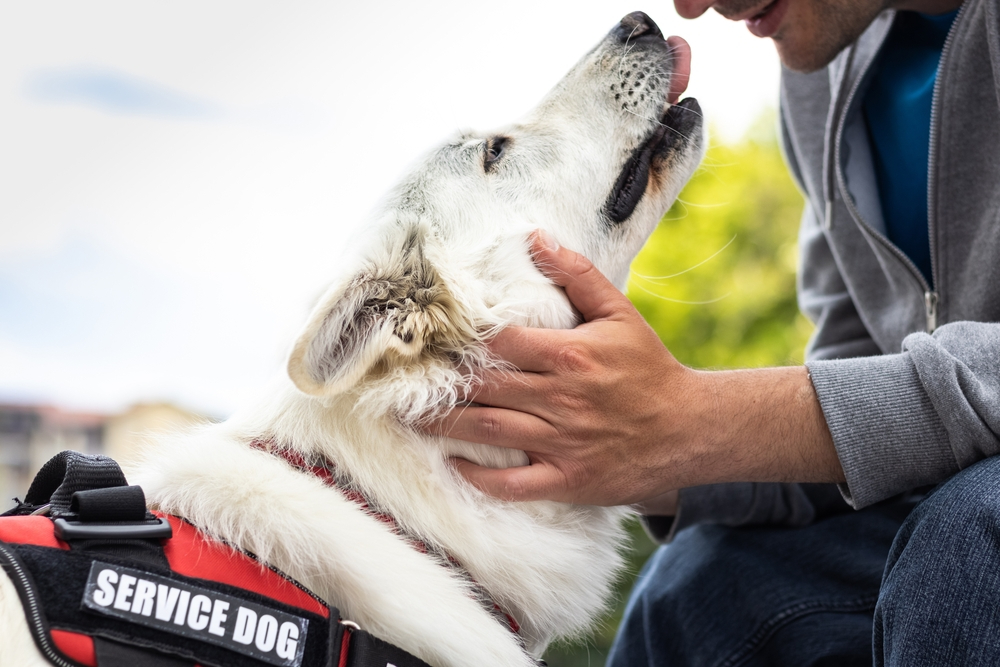
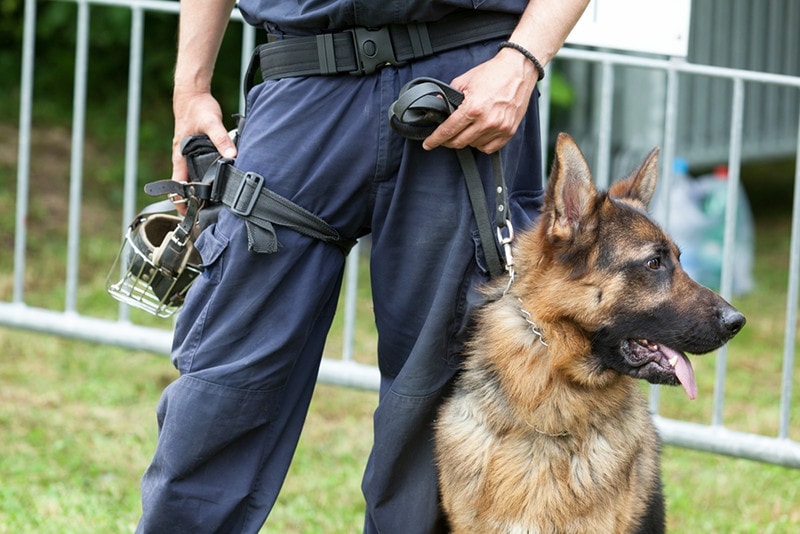
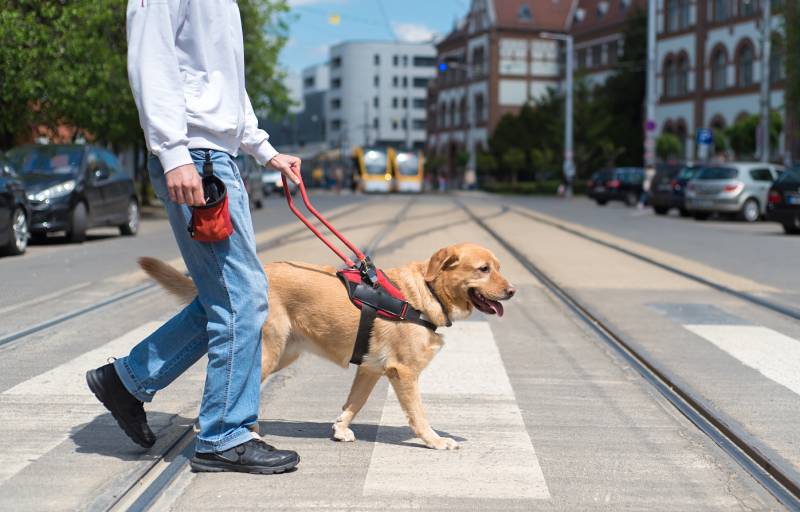
Dogs have been trained as service animals for decades. We capitalize on their unique senses and skill sets to help us. There are police and military dogs, bomb-sniffing dogs, seeing-eye dogs for the blind, service dogs for those with autism and other disabilities, and even dogs that can sniff out cancer.
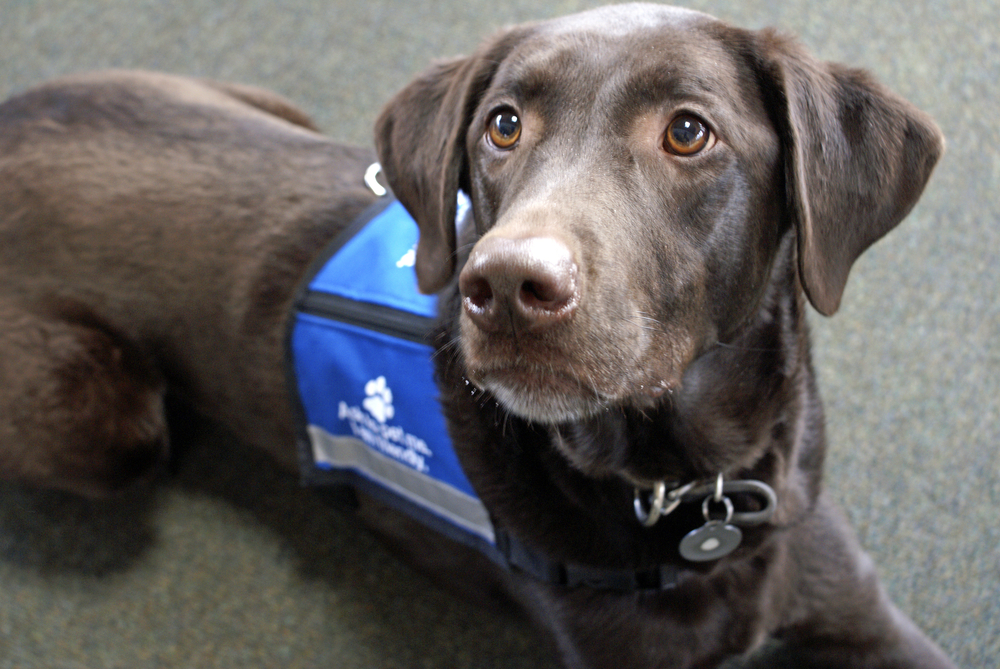
Now dogs are being trained to help those with celiac disease by sniffing out gluten. They’re called allergen detection service dogs¹. A well-trained detection dog can search their environment and alert their owner to the presence of gluten.

What Are Gluten-Sniffing Dogs?
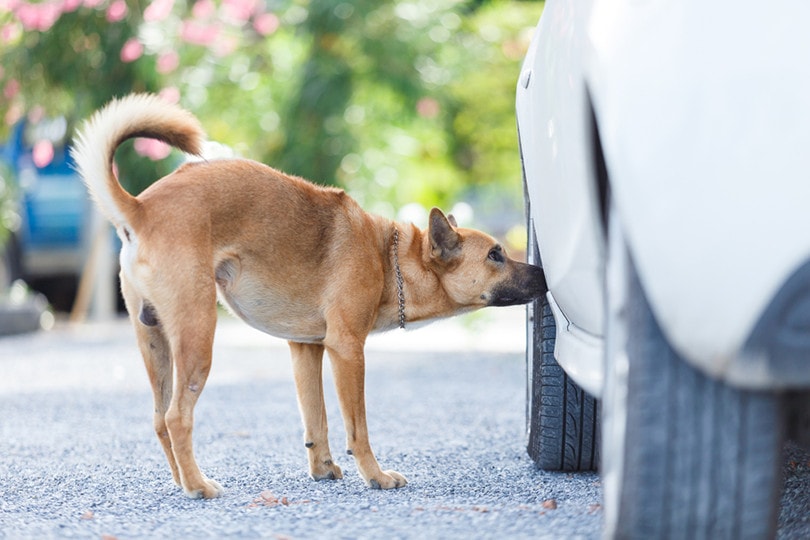
Gluten-sniffing dogs are service dogs that are trained to cue their owners when they smell gluten. Much like law-enforcement dogs that are trained to sniff out drugs or bomb materials, these dogs are trained to smell specific allergens—in this case, gluten.
A dog can smell 10,000 to 100,000 times better than we humans can, so they are a valuable asset in this regard. The human nose only has 6,000 olfactory (smell) receptors inside the nose. A dog has 300 million. This means they can detect odors in concentrations of parts per million. For example, a human might be able to smell 1 teaspoon of sugar in 1 cup of water. A dog can smell 1 teaspoon of sugar in two Olympic-sized swimming pools of water—a virtually undetectable concentration level!

How Are Gluten-Sniffing Dogs Trained?
Gluten-sniffing dogs are trained just like any other service dog. They are taught to “hunt” for a specific smell and rewarded for finding it. The process involves using positive reinforcement techniques to reinforce the dog’s natural instincts. Over time, the process of sniffing out the target scent becomes a lifelong game of hide and seek. Sniffing out gluten means a reward, so the dog is happy to find it.
How Accurate Are Gluten-Sniffing Dogs?
Smell-detection dogs cannot always be 100% accurate, but they are quite good. Dogs, like humans, make errors, get distracted, or get sick. They are required to be 100% accurate during their training period to be certified as a gluten-sniffing dog, though, and they are the best option for those with severe gluten reactions.
Advantages of a Gluten-Sniffing Dog
The biggest advantage of a gluten-sniffing dog is their ability to help their owners avoid coming in contact with gluten and getting sick. These dogs are highly accurate and can help enrich the lives of people suffering from celiac disease, who will have fewer flare-ups and “accidental” encounters with gluten, improving their quality of life.
It’s not uncommon to order gluten-free food items, only to have a reaction because the food hasn’t been properly stored to avoid cross-contamination. For people with severe reactions, having this contamination detected by a service dog is life-changing.

Disadvantages of a Gluten-Sniffing Dog
One of the hardest parts for owners of an allergen-detecting dog is the maintenance of the training in their service dog. For dogs to maintain their training, they must come in contact with the offending odor regularly. For those with allergies, this means they must be willing to handle the allergen to maintain their service dog.
The frequency of training depends on the dog, but dogs must maintain a high accuracy level, and it must be continued throughout the dog’s life.
There are also misconceptions about what these dogs can do. Allergen-detecting dogs source odors, not specific substances. They can’t alert to gluten if they can’t smell it. This means that physical barriers like wrappers and the age of the substance can prevent a dog from detecting it. If there was gluten present on a table from 6 months ago, for example, the odor would have disintegrated, and a dog would no longer be able to smell it. However, someone with a severe allergy might still react to it.

Frequently Asked Questions (FAQ)
How Much Does a Gluten-Sniffing Dog Cost?
Service dog training can be expensive, but the cost depends on the trainer and the program. Obtaining a service dog costs between $10,000 and $20,000, and most owners have to become certified to continue the dog’s training. Financing options are usually available for those who need a service dog but can’t afford one.
In many cases, healthcare spending accounts or benefits can be used to reimburse some of the costs of a service animal devoted to helping someone with a medical condition, including gluten-sniffing dogs. Costs of training and purchasing are also tax deductible. Many veterinary offices even offer discounts for the care of service dogs.
How Do You Obtain a Gluten-Sniffing Dog?
There are certain criteria that you must meet to qualify to obtain a detection dog. This includes medical testing and being at least 13 years of age or over to qualify as a handler if you are obtaining a dog from an allergen-detecting service dog program.
Many trainers offer training through O.D.O.R. Service Dogs Inc.¹ Dogs trained through this program must meet certain requirements and be evaluated by a team of trainers to ensure that they are up to the job.
What Dog Breeds Can Serve as Gluten-Sniffing Dogs?
There is no specific breed requirement for a dog to be trained as a gluten-sniffing dog—just that they are predisposed to smell, track, and alert their owner to smells. Allergen-detecting dogs are commonly hypoallergenic breeds like Poodles or Labradoodles. But gluten-sniffing dogs can come in all kinds of breeds, from Pitbulls to Retrievers and Beagles.

Is a Gluten-Sniffing Service Dog for You?
A gluten-sniffing dog can be an amazing asset if you have severe celiac symptoms and frequently travel or risk exposure to gluten and if you are willing to invest in the dog’s training. If you already have a dog, some trainers will work with you through the training program to help your dog become a service dog.
Allergen-detecting dogs can benefit people with many different conditions, including celiac disease and severe allergies, and families who want their children to gain independence despite their medical status.

Conclusion
Gluten-sniffing dogs are simply scent-detection service dogs that have been trained to sniff out the presence of gluten. Scent detection can be trained according to an individual’s needs to help avoid severe reactions for the dog’s handlers. While they are expensive, they can also be an invaluable addition to someone’s health, well-being, and quality of life.
With many training programs available, there are even options for people to train their own dogs as gluten-sniffing dogs.
Related Reads:
How Soon Do I Spay or Neuter a Cavalier King Charles Spaniel? Vet-Approved Facts
Gluten Intolerance in Dogs: Vet-Verified Signs, Causes & Care Guide
Featured Image Credit: Africa Studio, Shutterstock
Expert dog care, straight to your inbox
Vet-reviewed advice, training tips, and the best of Dogster. Free, and you can unsubscribe anytime.
By signing up, you agree to our Terms & Conditions and Privacy & Cookies Policy.
Chelsie is a freelance writer who is passionate about helping owners and pets live their best lives. She resides in rural Alberta, Canada with her husband and two sons, and is currently a pet parent to four horses, four cats, and a Border Collie .
Join the conversation
Ask a question, share your story, or send private feedback.