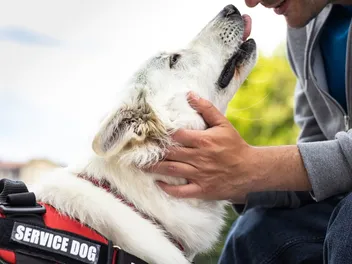
Allergy-Detection Service Dogs: What They Are & What They Do

Allergies can be a real nuisance. People have allergies that range from a minor inconvenience to making the person downright miserable with sneezing and stuffiness, and even life-threatening allergies, such as peanuts, gluten, or shellfish. Food allergies are by far the most dangerous of allergic reactions, and sometimes these reactions happen within a blink of an eye.
For sufferers of severe allergies, the world can be a daunting place. But what if an allergy-detection service dog to help make your world a little safer?
In this post, we'll explore what an allergy-detection service dog is and explain what they do. If you are one of many allergy sufferers, read on to see if an allergy-detection service dog is right for you.

How Does It Work?
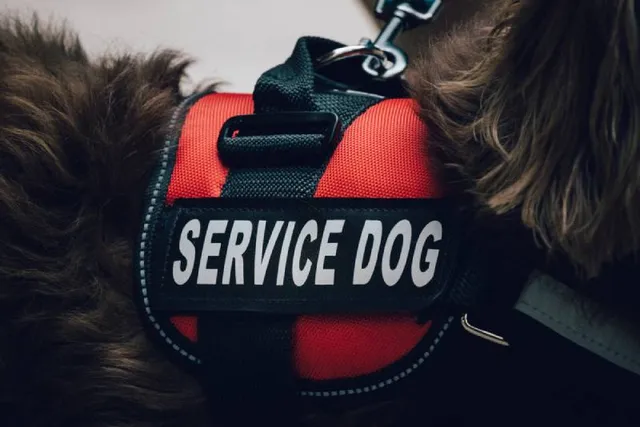
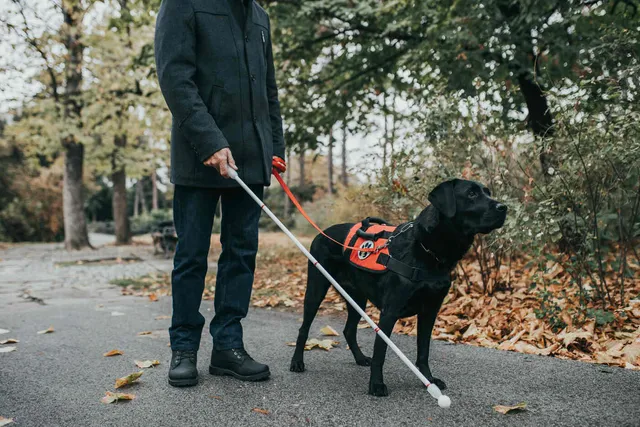
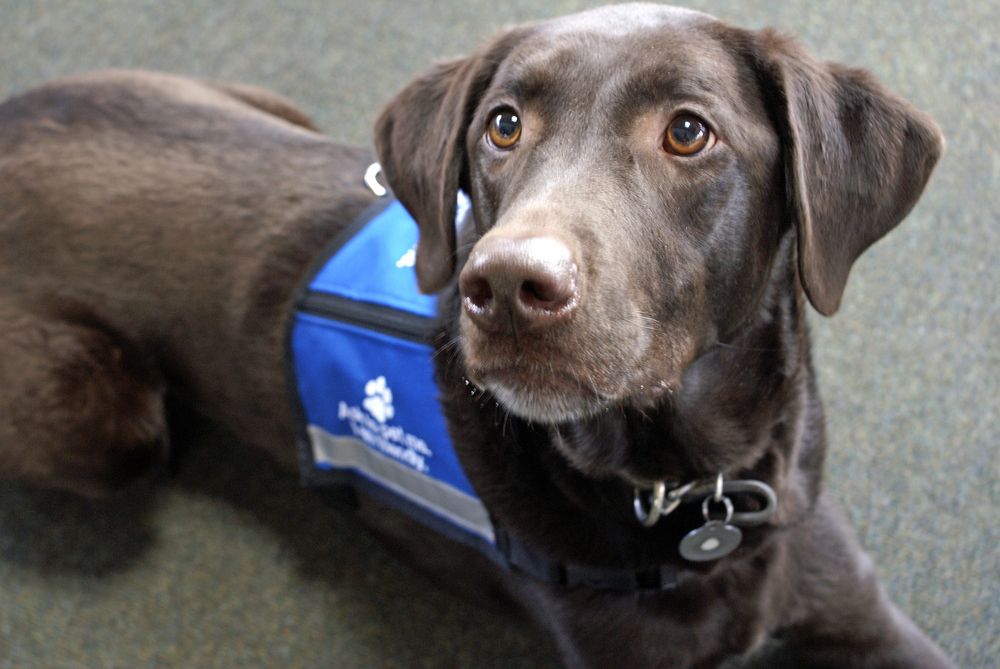
To better understand how having an allergy-detection service dog works, let us first explain what a service dog is. A service dog is any dog breed trained to perform a specific task or do work for a person with a specific disability. Service dogs are different from emotional support animals, as service dogs are allowed almost anywhere their human goes, even if the location does not allow dogs.
On the other hand, emotional support animals are not allowed in places and locations where dogs are not permitted.
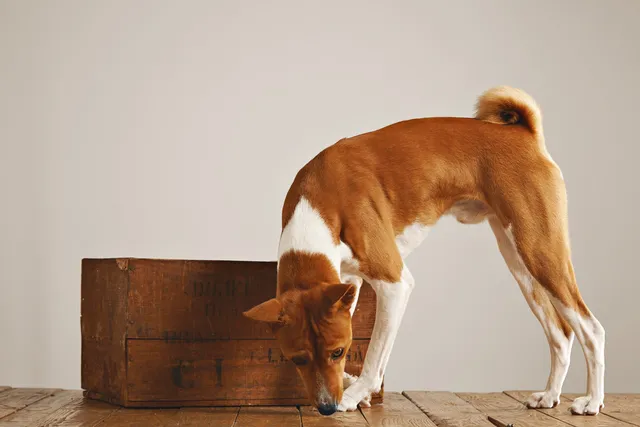
Regarding an allergy detection service dog, this type of dog will be trained to sniff out allergens in hopes of preventing a person from being exposed before a serious allergic reaction can occur. For example, people with peanut allergies may not be aware that peanuts are in a dish, but if that person has an allergy detection service dog, the dog can warn the person of the danger before consumption using whatever cues the dog was taught, such as a bark or pawing the person’s leg.
Peanut allergies are listed as the eighth most common food allergy, and allergic reactions can cause anaphylaxis, a serious condition in which a person can go into shock—blood pressure is lowered to dangerous levels, and breathing becomes difficult. Anaphylaxis can occur within seconds or minutes and can lead to a life-threatening event.

How Is an Allergy-Detection Service Dog Trained to Detect Allergens?
First, let us explain what an allergy-detection service dog does not do. These dogs are trained to smell an odor and examine an environment for a potential allergen; they are not trained to detect the substance. For example, a dog’s nose contains 300 million olfactory receptors in its nose compared to 6 million in humans, allowing a service detection dog to smell an odor a human cannot.
Unfortunately, the process is not perfect, and sometimes, a dog may not detect the smell of a substance due to the substance’s age, physical barriers, or environmental issues. To explain further, let’s look at this particular scenario: if a smear of peanut butter is on an object that has been there for months, the odor of the peanut butter is not very detectable at this point, and the dog will likely not smell the peanut butter, even though it can still cause problems for the person with the peanut allergy.
In short, having a service detection dog does not guarantee that the dog will be able to protect you from all dangerous allergens, but it's still a good defense to have in your corner.
Detection dogs have not shown any ability to detect the onset of an anaphylactic reaction (in the way that seizure detection dogs can detect a seizure before it happens) but they have certainly been known to prevent them from happening by alerting their human to the presence of allergens.
So, how is an allergy detection service dog trained to sniff out a particular allergen? In order for the dog to know what odor to sniff out, he must be exposed to the allergen itself with you present. This sounds risky, but there are safety measures you can take to keep you safe while training your dog, such as keeping the allergen in safe storage and learning safe handling methods that allow your dog to smell the odor but keep you from being exposed while your dog is in training. You can consult with a professional on how to train your dog safely.
Can I Train My Own Service Dog?
This question is important because some people are unaware they can train their own dog to be a service dog. According to the Americans with Disabilities Act (ADA), any dog can be a service dog, regardless of breed. No official documentation is required; you don’t have to display that your dog is a service dog by way of a collar, ID tag, or vest, and you’re not required to show documented proof.
An establishment can, however, ask you if your dog is required due to a disability and what work or task the dog is trained to perform. They cannot ask you to show proof or any form of identification. However, a person with a service dog must be able to handle the dog at all times, and the dog must be trained not to react to loud noises or any other distractions.
A service dog must also be trained to toilet on command, so as to not relieve themselves at inappropriate times or in public establishments. This can sometimes prove to be the hardest part of service dog training, so consulting with a professional is a good idea.
You must socialize your dog to remain focused on the task at hand regardless of unfamiliar people, sights, sounds, and other distractions. The Canine Good Citizen program is an excellent guideline to use when training your own dog. This program offers a printable test list that shows you the skills to work on with your dog to make him the best service dog. Remember that this program is not a necessity but rather an excellent guideline to use while training.
You can choose a professional service dog-training program, but these programs are expensive, and the costs range from $12,000–$25,000.


Frequently Asked Questions (FAQs)
What Is the Best Dog for Allergy Detection?
As stated, any breed can be a service dog, and they can range from a small breed to a large breed and everything in between. Of course, common sense must be applied, meaning a Pomeranian is not a suitable breed to pull a wheelchair!
You also should consider if you’re allergic to pet dander. While there are no true hypoallergenic dogs, some breeds shed less than others with little pet dander present, which is a common allergy trigger. Labradoodles and Poodles are excellent choices due to their size and intelligence, but any dog breed is suitable to serve as an allergy detection service dog.
How Long Does It Take to Train an Allergy-Detection Service Dog?
Certain factors play a role in how long it takes to train. Typically, it takes up to 1 year, but this time frame depends on the dog’s intelligence level, maturity level, and the type of training involved. With regards to scent training, the time frame depends on the development of the dog’s olfactory bulb, which is a mass of neural tissue in a dog’s brain that helps them process scents.
Conclusion
Having an allergy-detection service dog can be a true lifesaver for those who could suffer from anaphylaxis due to a food allergy. You can choose to go through a service dog training program, but this route is often very pricey. The good news is you can train your dog yourself for free and follow the guidelines provided by the American Kennel Club (AKC) mentioned in this article. The Good Canine Citizen program is an excellent starting point to get your dog trained to be the best allergy-detection service dog possible. Remember there are no dog breed restrictions, and consider any allergies you may have with dogs before deciding on a specific breed—if you are allergic to dogs, choose a low-shedding dog such as a Labradoodle or Poodle.
Sources
Featured Image Credit: Shine Caramia, Shutterstock
Expert dog care, straight to your inbox
News, insights, expert advice, and everything dog.

No spam — unsubscribe anytime.
By signing up, you agree to our Terms & Conditions and Privacy & Cookies Policy.
How useful was this post?
Click a star to rate. You can leave written feedback afterwards. (We read all feedback.)
Rachel Giordano is a writer and musician living in Pensacola, Florida, with her partner and their two dogs, Aero, a Border Collie/Sheltie mix and Sophie, a Boston Terrier. Rachel holds a Bachelor of Arts degree in communication and loves writing about animals of all types. When she’s not writing about pets, she loves to write suspense/thriller novels. A musician by night and writer by day, she enjoys educating the public about the needs and requirements of animals, big and small.