Scent Training for Dogs: Where & How to Start


In this article
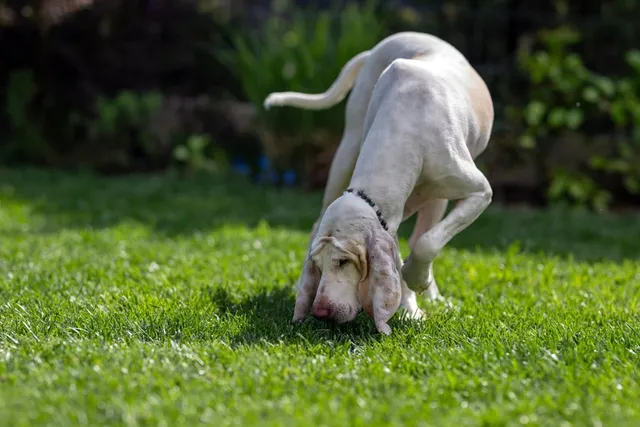
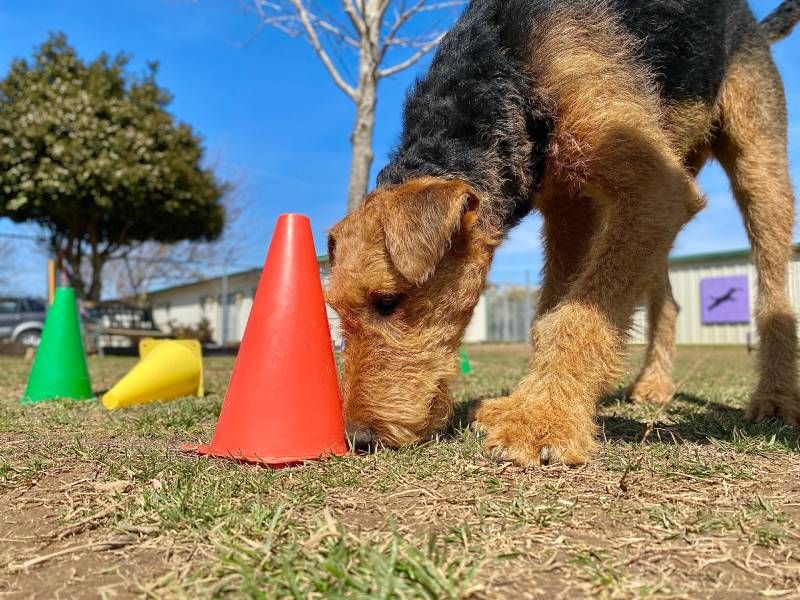
Scent training is exactly how it sounds: training your dog to detect and react to different scents. Since dogs are renowned for their superior sense of smell, scent training (also known as scent work and nose work) is a great way to engage your dog in mental and physical exercise.
You can enroll in classes with your dog to teach you both the basics, but with a few tools, it is quite easy to get started with scent training.

How Does It Work?
All dogs have instinctive sniffing abilities and can be trained to detect specific smells and alert their owner and/or handler once they have located them.
Training a dog to sniff out a scent can be done with a variety of different essential oils and teaching your dog to alert you to the specific scent.

Benefits of Scent Training
Scent training can be as casual or as serious as you want; either way, it will benefit your dog. You can use it casually at home or train your dog for competition.
Other than giving your dog a fantastic energy outlet, it also helps them focus, calms them, and literally makes them happier. It’s also perfect for senior dogs starting to slow down, as scent work doesn’t have to be arduous. It can engage them physically and mentally and give them confidence.

How to Start Scent Training Your Dog
Before you begin scent working, your dog should be housetrained and obey basic commands like “come” and “sit.” Scent training is a more advanced form of training, so it’s essential that the basic skills have been mastered.
Materials
Gather the things that you need to start training:
Essential oils are most commonly used to get a dog started on scent work, but speak to your vet so you can determine which ones are safe to use around your pet.
Alternatively scent training starter kits are available.
1. New Command
You’ll need to teach your dog a new command for scent work. You can make up a phrase or use something like, “find it,” so your dog knows that it’s time to find the scent.

2. The Scent
Set up the scent for your dog far from where you’ll be doing the training; this can be in a different room or outside. Be sure your dog is kept out of the area. The disposable gloves are useful here, so you don’t get the scent on your hands, which will confuse your dog.
Place a few drops of essential oil on a cotton ball, and then place it in a glass jar. You can take off the gloves at this point; just be sure to throw them in the trash right away, and cover the garbage so your dog won’t immediately detect the scent.
Then, use the tweezers to take the cotton ball out of the jar, and place it in the ventilated container (this can be another jar with holes in the lid).
3. Introduction
This next step requires your ventilated scent container and a few treats that your dog loves. Start by placing a treat in one hand and the container in the other, and reward your dog with the treat and plenty of praise when they investigate the scent.
You’ll want to repeat this several times and always switch the container and treat. If your dog doesn’t seem invested in this process, be sure to use treats that you know that your dog will adore. This might mean using something that your dog rarely has, such as small pieces of plain, boiled chicken.

4. Verbal Cue
This is where you’ll need to start using a verbal command, which you’ll say just before you show your dog the scent container. This can be something simple, like “find” or “search.” Continue rewarding your dog when they go for the container.
Following this, try placing the scent container on the floor and saying the verbal cue. Hopefully, your dog will go to the container once you’ve issued the command. Praise them if they do so successfully, but it’s likely that you’ll need plenty of repetition and patience.
5. Challenges
Your dog should be getting the hang of it at this point, so put the scent container in another room or in a box. When your dog successfully locates the container, start putting extra empty boxes around so your dog can identify the correct box by its scent.
Keep these training sessions short—no more than 10 to 15 minutes at a time. When your dog seems to lose interest, stop and try again later. The takeaway here is to keep the training sessions enjoyable.

Scent-Training Tips
Scent training should be a fun experience for your dog, so here are a few tips to ensure that it goes smoothly:
- Contain the scent: During the preparation of the container holding the scent, you must be careful that the essential oil that you are using isn't anywhere else but in the container. When you take off the gloves, turn them inside out, roll them into a newspaper, and throw them away in a trash can outside. Anything that touches the essential oil must be sealed. While preparing, do so in another room, such as a bathroom with the door closed.
- Give them water: Provide your dog with water throughout the training sessions.
- Make it fun: Use whatever you know will motivate your dog. High-value treats are commonly used, but if your dog is more toy-motivated, use their favorite toy instead. Don’t forget to reward them every time they find the scent.
- Avoid distractions: It’s essential to keep your dog focused during these training sessions. You might need to train them inside if they are likely to be distracted outside or vice versa. Keep external noises and distractions to a minimum.
- Let them find it on their own: Once you’ve given your dog the command to search for the scent, let them do it without giving them any further instructions or directions.
- Don’t give up: If your dog isn’t getting it right away, persevere! Some dogs will take to it immediately, and others need extra time. Just keep taking it in slow stages, and only move on to a more challenging stage when your dog seems ready.
- Go professional: When all else fails, you might want to bring in a professional or take your dog to scent-training classes.
Where Is It Used?
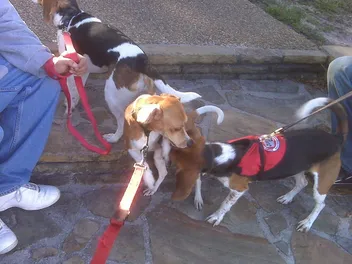
Other than using nose work as a way to keep your dog from becoming bored, there are many avenues where scent work comes in handy. For some dogs, scent training is necessary to do a job. Many dogs sniff out weapons, contraband, and narcotics in airports, in addition to bomb detection. They are also commonly used for search and rescue, which can include finding living people or working as cadaver dogs. Many work with the police, security, and the military.
Some service dogs can detect cancer and help diabetes patients by detecting troubling scents that the dog will then alert their handler to. There are even truffle-hunting dogs!
Frequently Asked Questions (FAQ)
Where Can My Dog Compete for Scent Work?
The AKC Scent Work sport, the National Association of Canine Scent Work, and the United States Canine Scent Sports all offer competitive scent work trials in the U.S. Most countries should have equivalent trials designed to test a dog’s nose work skills.
What Dog Breeds Have the Best Noses?
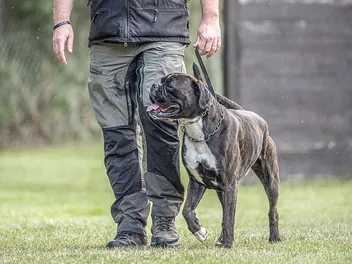
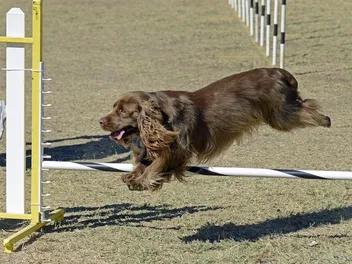
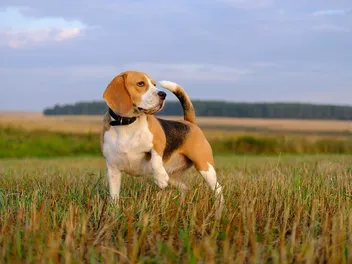
The best noses in scent work include Bloodhounds, German Shepherds, Labrador Retrievers, and Belgian Malinois. Beyond these specific breeds, most spaniels, pointers, and hounds have excellent noses for sniffing out scents.
It’s also safe to say that mixed breeds with parents that are a combination of any of these breeds will likely have excellent scent-detection skills.

What Are the Scents Commonly Used for Scent Training?
For most scent-training professionals and in most scent trials, birch, anise, and clove essential oils are commonly used. Additionally, a few organizations also use cypress and wintergreen oils. Remember that these oils are potent, so one or two drops on a cotton ball are all that is necessary, and they must not be consumed by the dog.
Conclusion
Scent training is an excellent way to give your dog confidence and utilize their natural ability to detect scents. It can also help form a stronger bond between you and your dog.
It will likely take time before your dog will get the hang of it, but the benefits are worth it, particularly for senior dogs or dogs that need their confidence built or need help reducing stress and anxiety. So, if you’re considering scent training your dog at home and are wondering if you should, the answer is a resounding yes!
Featured Image Credit: Ryan Brix, Shutterstock
Expert dog care, straight to your inbox
Vet-reviewed advice, training tips, and the best of Dogster. Free, and you can unsubscribe anytime.
By signing up, you agree to our Terms & Conditions and Privacy & Cookies Policy.
Kathryn was a librarian in a previous lifetime and is currently a writer about all things pets. When she was a kid, she hoped to work in a zoo or with wildlife in some way, thanks to her love for animals. Unfortunately, she's not strong in the sciences, so she fills her days with researching and writing about all kinds of animals and spends time playing with her adorable but terribly naughty tabby cat, Bella. Kathryn is hoping to add to her family in the near future – maybe another cat or two and a dog.
Join the conversation
Ask a question, share your story, or send private feedback.