15 Fascinating Facts About Service Dogs: History, Laws & More

Service dogs are more than just pets. These highly trained animals are working members of the community who provide invaluable assistance to those with physical, mental, and emotional disabilities. Service dogs are capable of performing a variety of tasks, from opening doors and picking up dropped items to providing invaluable emotional support during difficult times.
These loyal and hardworking animals improve the lives of their owners in countless ways. Though they require extensive training and care, service dogs bring joy, independence, and companionship to those who need them most.
For many people with disabilities, these furry friends are true life-changers. In this article, we'll take a look at some noteworthy facts about service dogs.

The 15 Fascinating Facts About Service Dogs
1. Service Dogs Have a Long History

One of the most interesting service dog facts is that they have a long and varied history. Originally, dogs were bred to assist people with physical tasks, such as hunting or herding. Over time, many of these same breeds have been trained to perform a wide variety of tasks to suit the needs of their human companions.
The intelligence that served working dog breeds so well, allows service dogs to provide an invaluable service to their human companions and bring joy and independence into their lives.
2. Since the Civil War, Dogs Have Helped Combat Veterans
In the Civil War, both Union and Confederate troops made use of dogs in a variety of ways. Some dogs served as mascots and inspirations for the troops, while others were more practical, serving as guard dogs or messenger dogs.
Dogs also served as a reminder of home1 for many soldiers. In the midst of all the violence and death, having a dog around could be a comfort. Dogs also had the unique ability to boost morale and bring a sense of camaraderie to the soldiers.
3. Over 100 Years Ago, the First Guide Dog School Was Established

Founded in 1916, the first official service dog school was established in Germany to teach dogs how to assist combat veterans and the visually impaired. Although the school closed after 10 years because its services couldn't keep up with the demand, this idea resulted in a series of new service dog training schools worldwide.
Canine Companions for Independence2 was founded in 1975. It provides training services to people with over 60 different disabilities and has been serving America for nearly 50 years. Therapy Dogs International3 opened its doors a year later. This volunteer organization was the first of its kind, training dogs to visit sick people in hospitals and lift their spirits.
It began with six dogs in the founder's home. The organization is still in operation to this day and trains dogs to bring joy to hospital residents.
4. President Bush Had a Service Dog
During the former president's dementia battle, a beautiful yellow lab, Sully4, was George H. W. Bush's service dog. Sully was trained to turn on lights, retrieve items, answer the phone, and call for help in an emergency.
When President Bush passed away and Sully's time serving him was over, mourners watched as Sully laid beside the casket at his funeral. As of June 2022, Sully is a Chief Petty Officer at Walter Reed National Military Medical Center, helping veterans.
5. Federal Recognition of Service Dogs Came in the 1990s

In 1990, service dogs were legally recognized in the United States as a service animal. The American Disabilities Act (ADA)5 introduced a whole new set of opportunities for people who had disabilities. In addition to assisting the handler in any building where their handler is permitted, service dogs registered with the ADA may also be able to assist the handler in housing that does not allow pets.
Besides these requirements, the ADA also states that a handler and the dog cannot be isolated, denied service, or treated differently than any other patron. As long as the ADA remains in place, people with disabilities can live independently with the help of their furry friends.
6. Many Different Tasks Can Be Performed by Service Dogs
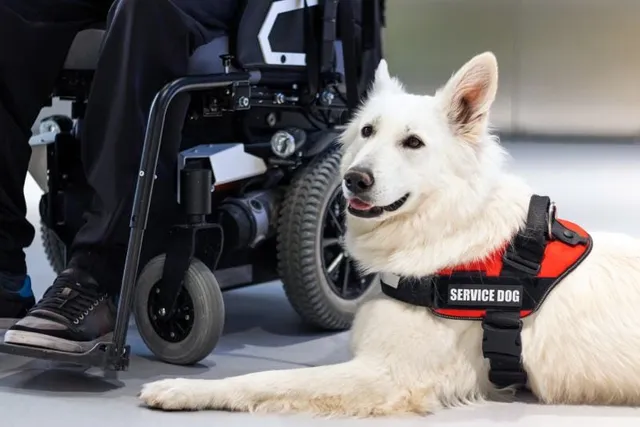
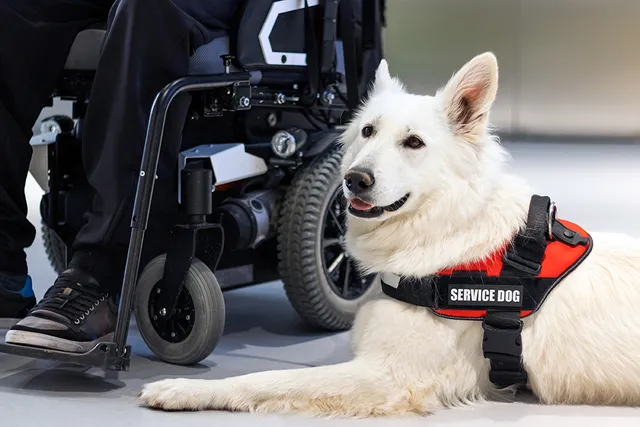
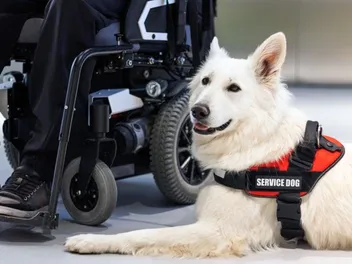
As a result of special training, service dogs can assist people with a variety of disabilities in their daily lives. It is essential that the type of training a service dog receives is tailored to the particular needs of its handler. As a result, the functions of a service dog can vary greatly. For example, some service dogs are trained to help people who use wheelchairs with everyday tasks such as opening doors and picking up items that have been dropped.
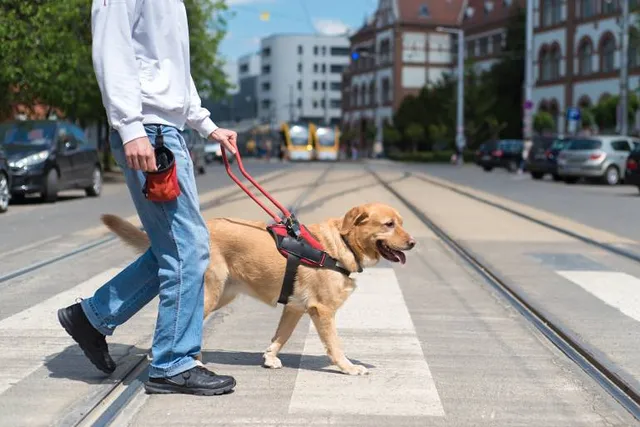
Other service dogs may be trained to assist people who are blind or have low vision by acting as a guide or providing tactile cues. Still, other service dogs may be trained to alert their handlers to the presence of certain sounds, smells, or other environmental stimuli.
No matter what their specific function may be, all service dogs undergo extensive training in order to perform their duties safely and effectively.
7. A Service Dog is a Working Animal According to the Law

There are many differences between service dogs and pets in terms of their functions, roles, and legal rights under federal law. Regardless of whether pets are prohibited, service dogs are allowed anywhere their handler goes.
The list includes government buildings, airplanes, public transportation, restaurants, grocery stores, commercial establishments, and many more.
8. Service Dogs Aren't Legally Required to Wear a Vest
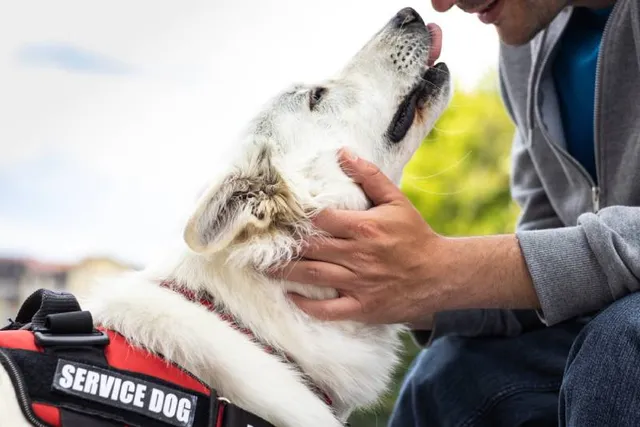
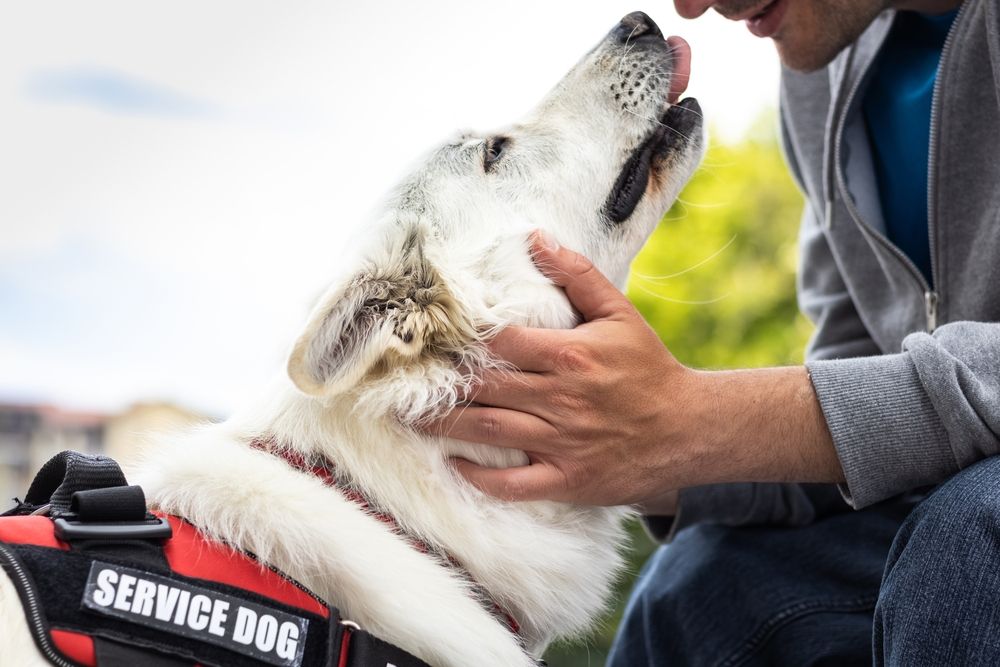
Though vests, backpacks, labeled harnesses, or other types of identifying clothing are not legally required for service dogs, many handlers prefer them. There are several reasons why someone might want their service dog to wear a uniform.
First, it can help the dog be taken more seriously as a working animal. Second, it can help strangers understand that the dog is not to be petted or interacted with. And finally, it can provide a sense of security for the owner, knowing that their dog is easily identifiable as a working animal.
9. There Are Many Breeds, Shapes, and Sizes of Service Dog

Service dogs come in all shapes and sizes to accommodate the needs of their owners. There are over 360 breeds of dogs, and any one of them could be a service dog—even Pit Bulls are permitted. The most popular service dog breeds are Labrador Retrievers, Golden Retrievers, German Shepherds, and Standard Poodles, but mixed breeds are becoming more common.
It may be hard to imagine a small breed dog such as a Chihuahua as a service dog. But service dogs are not just for people with physical disabilities; they can also be trained to assist people with mental health conditions or autism spectrum disorder.
No matter what their breed or size, all service dogs have one thing in common: they provide invaluable assistance to their owners.
10. On and Off Duty, Service Dogs May Behave Differently
When service dogs are "on duty," they are focused and attentive to their handler's needs. They may be less playful and more serious than when they're off duty. Service dogs in training learn to ignore distractions and stay focused on their work.
When service dogs are "off duty," they can behave more like regular pets. They may play more, jump around, and be less focused. It's important for service dog handlers to give their dogs plenty of time to rest and play so they can stay healthy and happy.
11. Service Dogs Ignore Strangers for a Reason

When people see a service dog, they often want to pet the dog or ask the owner questions. However, it is important to remember that service dogs are working and should not be distracted. Service dogs are trained to focus on their owners and their tasks.
They cannot be distracted by anything else, or they might not be able to do their job properly. It is important to respect the space of a service dog and not try to distract them from their work.
12. The Law Protects Service Dogs
Most states have laws that protect service dogs and their handlers from harassment and interference. These laws vary from state to state, but they typically make it a misdemeanor to attempt to hurt a service dog or interfere with its work.
Offenders may face large fines and jail time, as well as other penalties such as restitution to the dog's owner or mandatory training on interacting with service dogs.
13. It Takes Time to Prepare a Dog for Service Work

Dogs are man's best friend, but not every dog is cut out to be a working dog. In some cases, dogs have to wait months or even years before they are ready for service, and not every dog is suited for service. Working dogs are dedicated, hardworking, and intelligent animals that provide an invaluable service to their owners.
However, becoming a working dog is not easy. Dogs must undergo extensive training before they can be certified as working dogs, and even then, not every dog is up to the task. But for those that are, the rewards are great.
14. Service Dogs Are Expensive to Train and Purchase
Service dogs are not cheap. It costs anywhere from $10,000 to $50,000 to train and purchase a service dog, on average. The price tag covers the cost of food, housing, and care during training, as well as the dog’s initial obedience and public access training.
The high cost of service dogs may seem prohibitive, but for many people with disabilities, service dogs are essential. Service dogs can provide independence and mobility assistance, help with anxiety and depression, and even warn their owners of impending seizures. For people with disabilities who rely on service dogs, the benefits far outweigh the cost.
15. A Service Dog Can Be Funded by Financial Aid

Organizations that provide free service dogs for qualified individuals often have long waiting lists, sometimes years long. While the wait may be difficult, many people with financial needs find that the benefits of having a service dog are worth the wait.
Service dogs can provide companionship, help with daily tasks, and give people a true sense of independence.
Final Thoughts
In conclusion, service dogs are amazing animals that provide an invaluable service to those in need. They are highly trained and can provide assistance with a variety of tasks. Service dogs can help people with physical disabilities, mental health conditions, and even seizure disorders.
Anyone who is considering getting a service dog should learn as much as possible about these amazing animals. If you or someone you know could benefit from a service dog, there are many organizations that can help you get started.
See Also:
Featured Image Credit: 24K_Production, Shutterstock
Expert dog care, straight to your inbox
News, insights, expert advice, and everything dog.

No spam — unsubscribe anytime.
By signing up, you agree to our Terms & Conditions and Privacy & Cookies Policy.
How useful was this post?
Click a star to rate. You can leave written feedback afterwards. (We read all feedback.)
Nicole has loved animals of all sizes her whole life so it's no wonder she has dedicated her career to helping them through what she loves best: learning, writing, and sharing knowledge with others. She’s the proud mom of two dogs, a cat, and a human. With a degree in Education and 15+ years of writing experience, Nicole wants to help pet parents and pets around the planet to live happy, safe, and healthy lives.