Dog Communication & Body Language: 50+ Vet-Verified Signs to Understand


In this article
There’s not a pet owner among us who hasn’t wished their dog or cat could talk. We can communicate easily using complex verbal language, but dogs are limited to using their body language to express their wants and needs.
Once you understand what your dog is “saying” through nonverbal communication, you can better understand their behavior and mood.

The 5 Ways Dogs Communicate (52 Signs to Watch For)
1. Excitement vs Arousal

Excitement communication is often a response to something a dog likes, such as a person or toy. Dogs may be more or less excitable based on age, mental and physical stimulation, and their personality, but generally, they display behaviors like a wagging tail and relaxed but alert eyes. Dogs may also display arousal in response to something they fear, dislike, or find uncomfortable, such as another dog or person they don’t trust. Arousal is how responsive your dog is to the environment and how easily triggered by a stimulus they are. When this happens, the dog may display excitement signals like a tail wag and trembling or aggressive behaviors like barking or lunging.
2. Anxiety

Anxiety is common in many dogs, whether it’s all the time or only in certain situations. The ways dogs communicate anxiety are similar to communicating fear, such as panting, pacing, lip-licking, yawning, a slow tail wag, and avoiding eye contact. Some dogs may shed excessively or drool when anxious. Sometimes, anxious communication mimics signs of arousal, such as barking or lunging. Anxiety has its basis in fear when the outcome of a situation is uncertain. Arousal is based on excitement, causing a strong response that can be good or bad.
The signs of anxiety may include:
3. Fear

Fearful communication typically involves the whole body with a range of signals that intensify as the fear intensifies. Dogs often display subtle submission signals, such as lip-licking, yawning, and avoiding eye contact. They may also cower, tuck their tails, pull their ears back, tremble, or lean back to avoid the fearful stimulus. The level of aggression gives a useful visual as to how fearful behaviors can escalate to a bite. Conversely, some dogs “shut down” when fearful, like they’re frozen in place. They may refuse treats or food, avoid people approaching or touching them, or freeze when they’re cornered. If these signs are ignored and the fear intensifies, dogs may switch to defensive aggression to protect themselves.
The signs of fear may include:
4. Aggression

Aggression is a normal behavior in dogs and other animals in response to a perceived threat, be it a person, dog, or situation. Dogs use aggressive communication to warn others that they’ll defend themselves, their possessions (including their people), and their territory. Typically, aggressive dogs show more subtle warning signals, escalating into a bite. This may begin with a stiff posture, growling, snarling, or showing teeth. If the threat still advances, such as when you move toward your dog with a toy in their mouth, the behavior will become more threatening until you back off.
Signs of aggression may include:
Dogs that escalate from subtle to severe aggression signals quickly—or seem to jump right to snapping and biting—do so because their aggressive language has been ignored, misread, or punished. That is why you should never punish a growl. You’re not removing the aggression, just quieting the alarm system.
5. Happiness or Contentment

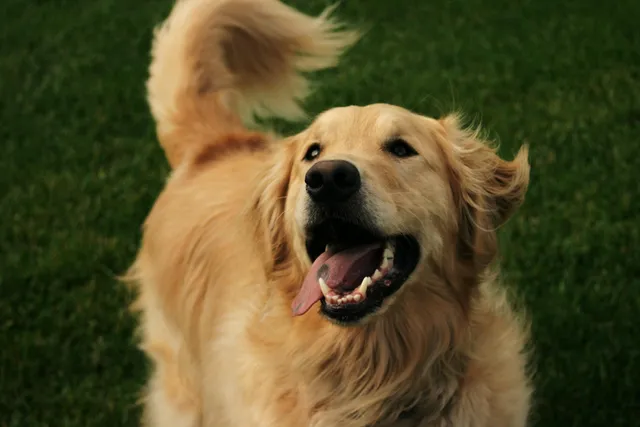
A relaxed dog is a content dog. They’re comfortable, secure, and feel happy. Dogs that are relaxed and happy will have relaxed mouths that are slightly open with neutral heads and ears, soft eyes, and a smooth, easy tail wag that moves back and forth or in a circular motion. Sometimes, happy dogs appear to have a “smile.”
The signs of a happy or relaxed dog may include:

Tips for Interpreting Dog Body Language
A happy, playful dog is easy enough to spot, but some behaviors are harder to read. For example, a dog wagging its tail isn’t always a sign that they want to play or are happy. Dogs may wag their tail before subtle aggression signals escalate to a fight, but the owners believed their dog was ready for playtime. In this example, the difference could be seen in the rest of the body language, such as a stiff posture or unwavering stare (aggression) versus a crouching position and a soft mouth and eyes (playful).
The key is to observe the dog’s body to catch all the subtle signs and consider the context to read the situation properly. The dog may display a mix of different signals, such as arousal and anxiety. The situation can also change quickly, just like our own emotional state. The dog may be excited to meet another dog and display playful signals, only to decide that the dog is now a threat and move into aggression or fear.
It’s important to pay attention to the dog and the subtle indicators of how they're feeling to avoid a negative situation before it starts. Similarly, it’s crucial not to humanize your dog. Human body language and dog body language are different. For example, we may see a smile on our dog’s face and assume they're happy when they're baring their teeth to warn someone away or using a submissive signal to de-escalate an uncomfortable situation.
When you project your own emotions or interpretation onto your dog’s nonverbal communication, you’re missing an opportunity to listen, form a deep connection, and understand what your dog needs from you.


Conclusion
Dog communication is nonverbal and vastly different from our own. Taking the time to observe your dog’s movements and actions can help you understand what they're trying to communicate and react appropriately to stress, fear, discomfort, or aggression before it becomes an issue. Eventually, you'll learn what your pup is trying to tell you. You might also want to check out:
Sources
Featured Image Credit: eva_blanco, Shutterstock
Expert dog care, straight to your inbox
News, insights, expert advice, and everything dog.

No spam — unsubscribe anytime.
By signing up, you agree to our Terms & Conditions and Privacy & Cookies Policy.
How useful was this post?
Click a star to rate. You can leave written feedback afterwards. (We read all feedback.)
Ollie is a zoologist turned freelance animal writer living in South Australia with his partner Alex and their mini zoo consisting of their eldest, a rescue dog named Pepper, many aquatic creatures, and their cat Steve. Ollie has a Master's degree in wildlife biology but became a freelance animal writer in 2020 and hasn't looked back. He loves sharing what he has learned with pet parents around the planet.