9 Sounds Dogs Make & What They Mean (Vet-Verified)


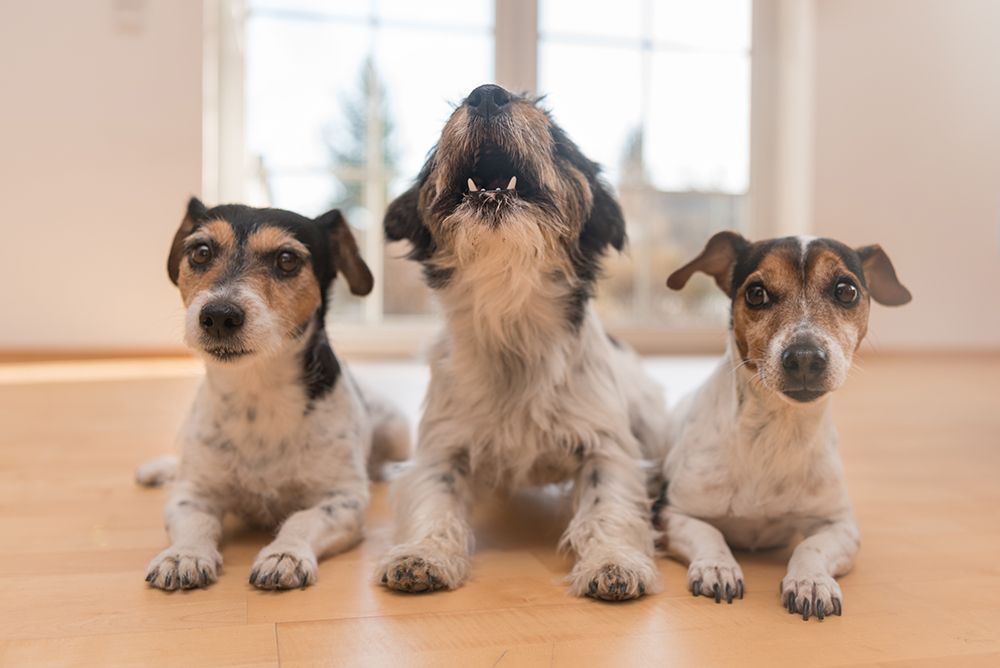
Dogs can't talk, but that doesn't mean they don't communicate with us—all we need to do is be willing to listen. If we tune in to what our dogs are trying to tell us with the diverse array of sounds they make, we start to understand our canine companions better on the whole and become more adept at identifying their emotions and needs.
If you're up for learning more about how your pup communicates with you and other dogs, keep reading below as we explore what sounds dogs make and their meanings.

The 9 Sounds Dogs Make & Their Meaning
1. Barking
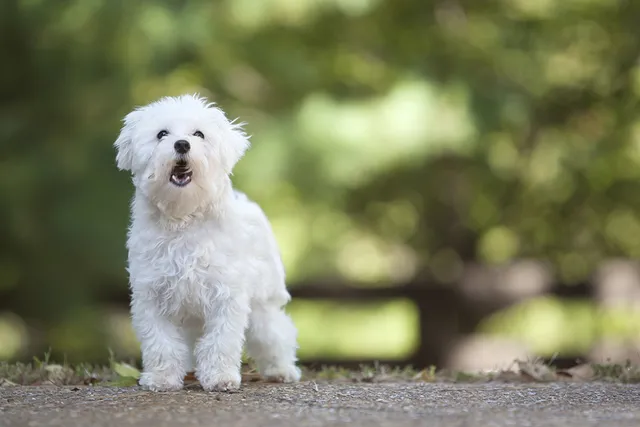
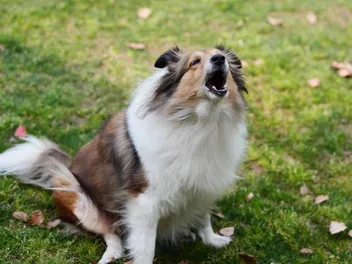
Dog barks aren't one-dimensional. There's a real assortment of barking "styles", ranging from high "yap yap yap" sounds to deep, low-pitched rumbles, and some dogs bark a lot while others are typically quiet. Some breeds—like Samoyeds and Shelties—have a reputation for being more vocal.
Most interestingly, dogs can express a huge variety of emotions through their barks, including happiness, alertness, fear, frustration, and anger. They also bark as a means of getting our attention if they need something, like food, exercise, or attention, or as a "back off" warning to people or other dogs they feel suspicious about.
Since dog barks are so diverse, here's a basic rundown of what different types of barks could mean and body language clues to look out for.
- A Single Bark
This kind of bark may signal irritation or surprise. In human speech, the equivalent would be something like "cut it out" or "huh"?
- Barks in Quick Succession
Barks with short or seemingly no pauses between them can signal aggression (other signs include a stiff posture, erect and forward-pointing or laid-back ears, hackles up, a hard stare, and bared teeth) or excitement, but some dogs bark continuously because they're anxious, scared, or stressed. This is common in dogs with separation anxiety
- Short Pauses Between a Few Barks
If your dog barks a few times and then pauses before continuing, they might be telling you that they want something or your attention. Dogs also give this kind of bark as an alert, perhaps if they hear something they think you should know about, like someone passing by outside or a car coming onto the street. They pause to reassess the situation before continuing.
- Low, Grumbling Bark
This is typically a warning, and it's the dog's way of telling someone or something to back away. A warning bark may be coupled with a hard stare, raised hackles, tension around the mouth, and bared teeth.
- High-Pitched Barks & Wiggly Body
High-pitched "yap"-style barks coupled with a wiggly, bouncy body and wagging tail indicate that your dog is feeling playful or happy to see you.
2. Howling
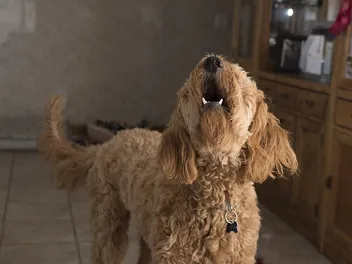
Any dog can howl, but some breeds—like the Siberian Husky, Bloodhound, and Dachshund—are known for their likeliness to howl more than other dogs. It's a form of communication with other dogs, for example, to signal their presence or mark territory.
Dogs also sometimes howl at their humans to draw attention: It's common for hunting breeds to howl to let their human partners know that they've found something. They may also howl if left home alone and they’re looking for someone to come get them.
3. Growling
Growling is sometimes a sign of anger or aggression or an attempt to warn someone or something to back off, but not always. Dogs may also growl when they're playing, and this kind of growl is often low, soft, and grumbly. The dog will also display loose, wiggly body language and may "play bow".
By contrast, a warning growl may be accompanied by snapping, snarling, a rigid posture, and a hard stare. A dog may also growl when they're in pain and don't want to be touched.
4. Whining & Whimpering
In the dog world, whining is sort of like crying. Dogs whine and whimper to express feelings of fear, pain, anxiety, and unhappiness, but some whine at their human companions as a means of getting something they want like food, play, a bathroom break, or attention. Whining can also be an expression of excitement, like when you arrive home or are getting your dog's dinner ready.
5. Singing
Singing has to be one of the funniest and most adorable sounds in a dog's repertoire. It hasn't been determined exactly why dogs sing or howl along to music and sometimes other noises like sirens, but experts have theorized that it's an instinct passed down by their wolf ancestors.
It may also be that one of the reasons wolves howl together in a sort of chorus is that it helps them bond as a pack. Therefore, if you're singing and your dog joins in, it may be their way of saying "I'm part of your pack". Dogs that sing may also be simply enjoying themselves.
6. Sighing
Dogs often sigh when they're enjoying a good snooze, and this is a sign of relaxation and contentment. However, it can also be a sign of boredom or stress. To identify if your dog may be feeling stressed or anxious, look for signs like yawning, excessive panting, lip licking, dilated pupils, pacing, ears pinned back, and the tail being tucked between the legs.
7. Purring
Though purring is a sound associated with cats, dogs can do it too if they're feeling contented enough! Some dogs make low, rumbly sounds when they're enjoying a good petting session or are getting excited about something.
8. Groaning
When a dog groans, it sounds similar to grunting or snoring. Dogs often do it to express that they're feeling comfortable and relaxed, for example, if they're snuggled up next to you on the couch.
That said, it's sometimes an expression of disappointment, perhaps because the dog didn't get something they wanted like a treat or playtime. Disappointed dogs tend to lie down on the floor in defeat while groaning and/or sighing.
9. Panting
Panting is how dogs regulate their body temperature and cool down, so it's common for dogs to pant after a vigorous play session or when they're too hot. However, panting can also be an indication of heatstroke, which can be incredibly dangerous if not addressed quickly. If a dog is panting heavily due to heatstroke, other signs may include appearing generally uncomfortable, laying down flat, restlessness, breathing difficulties, red gums, vomiting, increased heart rate, and collapse. If you suspect heatstroke, get your dog to a cool area, place cool (not cold—this can cause dogs to go into shock) towels over their body until their breathing calms down (but don't let the dog get to the point of shivering), and encourage them to drink a bit of cool water. Then, get them to a vet right away. Other causes of panting include certain medications (steroids like prednisone in particular), stress, excitement, and being in pain.
In Conclusion
It's essential to pay attention to the sounds your dog makes because while some signal excitement or contentment, others can be indicative of deeper issues like anxiety or medical conditions. Please contact a vet if you're concerned about any of the noises your dog makes or spot any sudden changes in their behavior or well-being.
Sources
https://www.akc.org/expert-advice/advice/canine-communication-deciphering-different-dog-sounds/
https://www.akc.org/expert-advice/lifestyle/learn-speak-dog-meaning-dogs-barks/
https://www.akc.org/expert-advice/lifestyle/dog-sounds-meaning/
https://www.akc.org/expert-advice/training/warning-signs-aggressive-dog-fight-bite-barking/
https://vcahospitals.com/know-your-pet/signs-your-dog-is-stressed-and-how-to-relieve-it
Featured Image Credit: thka, Shutterstock
Expert dog care, straight to your inbox
News, insights, expert advice, and everything dog.

No spam — unsubscribe anytime.
By signing up, you agree to our Terms & Conditions and Privacy & Cookies Policy.
How useful was this post?
Click a star to rate. You can leave written feedback afterwards. (We read all feedback.)
Kit Copson is a freelance writer and lifelong animal lover with a strong interest in animal welfare. She has parented many furry beings over the years and is currently a proud cat mom of two—one very chilled (unless hungry) Siamese and a skittish but adorable Domestic Shorthair—and dog mom of one—an adopted Bichon Poodle cross. When not writing about or spending time with pets, Kit can be found drawing in her sketchpad, reading, or more often than not, drinking tea.