Do I Have an Anti-Social Dog? 8 Vet-Verified Signs to Look For


In this article
Owning a dog is a fun way to make new canine friends and meet other dog owners. Not all dogs are happy to take part in their owner’s social calendar, though, and can demonstrate anti-social behavior. Unfortunately, not all anti-social behavior is harmless, and how your dog reacts to a situation, person, or another animal can make the difference between a fun day out or an uncomfortable meet-up.
Here are 8 common signs of anti-social behavior, along with advice for how to prevent your dog from feeling anxious about meeting new people.

The 8 Signs of Anti-Social Behavior in Dogs
1. Aggression

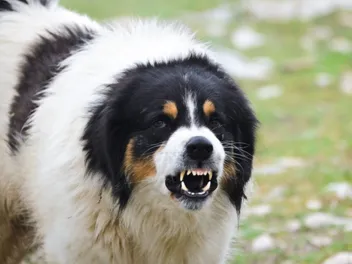
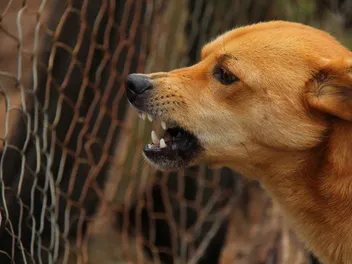
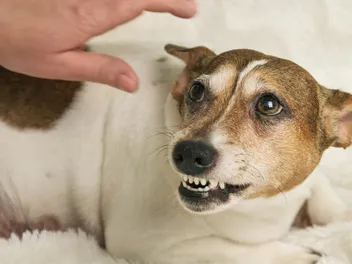
A common sign of an anti-social dog is aggression. Dogs that are scared or unsure how to handle a situation will often respond aggressively as a way to demonstrate their dominance or tell someone they see as a threat to back off.
Aggression is often shown through body language, such as raised hackles and bared teeth, or through actions like snapping, growling, or lunging at other dogs or people. Your dog will often show anxious or fearful behavior before they start snapping and snarling at everything, and it’s important to recognize these warnings too.
If your anti-social dog is aggressive, it doesn’t mean they’re a bad dog. Aggressive behavior is dangerous and can lead to serious injuries, but many dogs just need the right guidance and training to know how to properly interact with other dogs.
2. Anxious Body Language
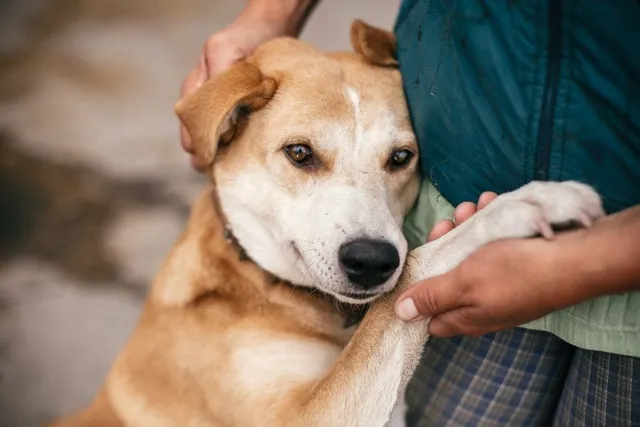
Not all anti-social dogs will respond with aggression. If they have a timid personality, they might respond more submissively or by demonstrating fearful behavior. Reading your dog’s body language can enable you to judge how your dog is reacting to a situation, such as if they’re feeling anxious. Dogs have a different way of holding themselves than we do, which can make their body language cues easy to miss. Once you know what to look for, though, you’ll be able to tell how your dog is feeling.
A calm, confident dog will face a situation with a relaxed posture, a wagging tail, and sometimes a play bow. Fearful or anxious behavior includes cowering to make themselves smaller or rolling over to expose their belly. Your dog might also avoid eye contact or tuck their tail between their legs.
3. Hiding

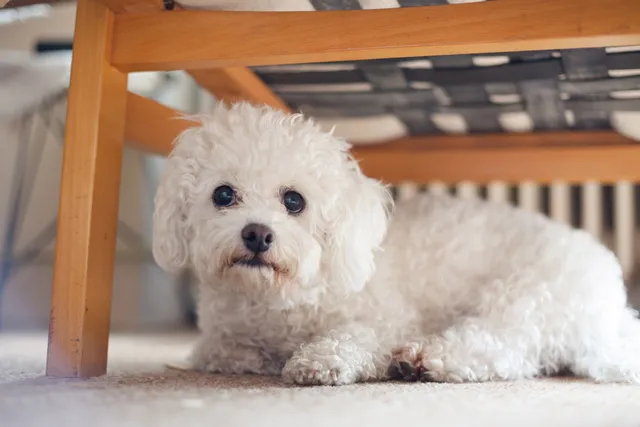
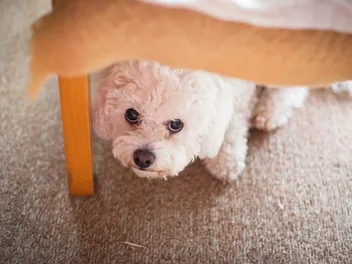
Fear and stress can prompt many strange behaviors in dogs, and if they have a timid personality, hiding is their way of feeling safe. For anti-social dogs, sitting in a quiet corner or crawling beneath the bed is how they keep themselves out of the way. Maybe they don’t like something about your new guest, or they’re not confident enough in themselves to react favorably to meeting a stranger.
If they exhibit anti-social behavior by hiding, they’ll choose a spot that they know won’t change. Beds and tables don’t move, unlike rugs and blankets, and your dog will likely choose to hide beneath them because they’re familiar and secure.
4. Avoiding People or Other Dogs
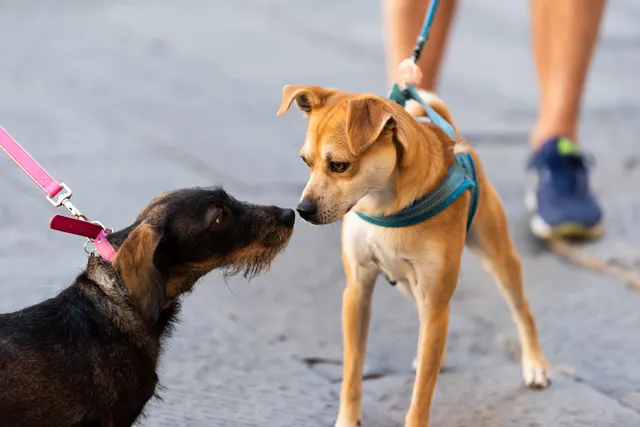
Given the choice, we’d all happily avoid situations that make us uncomfortable or scared. Anxious dogs will show this avoidance behavior too. If they’ve had a bad experience at the dog park or vet clinic or they heard a too-loud noise during their last walk, they’ll do their utmost to avoid putting themselves in that situation again.
While some dogs will simply avoid people and other dogs when you’re on a walk, others will refuse to go outside altogether. As long as they don’t have to interact with any strangers—human or canine—they’re quite happy to curl up on the couch instead.
Sometimes, a desire to not go outside can be a result of a health issue. Make sure your dog isn’t showing signs of pain or discomfort before assuming that they're anti-social.
5. Excessive Barking

Dogs will always bark for a reason, even if you have no idea what that reason is. They might be alerting you to a loud noise outside, they’re telling the cat off for getting in the way, or they’ve been left alone for too long. Other times, the reason for their excessive barking isn’t as clear and can be a result of how your dog perceives a situation rather than any obvious trigger.
Anxiety or fear can prompt your dog to bark as a way to warn you that something is amiss. They might see people or dogs walking past the yard as potential threats and want to warn you of the danger, whether it’s real or imagined.
6. Overexcitement
Excitement is mostly always seen as a positive thing. After all, an excited dog almost always has a big doggy grin and a wagging tail. Sometimes, though, that excitement translates to hyperactivity. If your dog is more excited about something than usual, it doesn’t always mean they’re happy about the situation.
Dogs that are overstimulated by a situation can get overexcited because they have no other way of handling or understanding their emotions. For some dogs, their anxiety about meeting strangers can build up until it translates to excessive barking, jumping up at you and your guests, or running around. If they don’t know how they’re supposed to behave, they’ll work themselves up into a hyperactive mess.
7. Not Respecting Space

Dogs are pack animals, and there is a natural hierarchy to their interactions with you and each other. If your dog is well socialized, they’ll be more comfortable and understanding of their place with you. They’ll follow your leadership and take cues from you on how to behave.
Anti-social dogs, however, often lack the knowledge and experience that they need to behave politely. They are more likely to demonstrate unwanted behavior like jumping up at guests or crowding you when you enter the door. For a guest who isn’t familiar with your dog, this behavior can be intimidating, especially if you have a large breed.
Teaching your dog good manners is easier when your dog is familiar with different social situations. They’ll know how to handle their excitement at seeing a guest and be able to control their exuberance, making the meeting more fun for everyone.
8. Pulling on the Leash
When you’re at home, your dog might not show signs of any anti-social behavior at all. They’re in a familiar place and don’t see anybody new to interact with, so they don't have anything to react to. On a walk, however, there are all sorts of smells, people, and animals to encounter that can make your usually placid dog act wild.
Pulling on the leash is a common and often frustrating behavior that many dog owners have to deal with. It can be a result of your dog feeling excited about walking with you, or they’ve caught the scent of something. Excessive pulling can also be caused by your dog’s reaction to a stranger or another dog.
A relaxed dog will walk with you, but if your dog is anti-social, they'll try to avoid interacting with people you meet or be overexcited about saying “hi” to someone new. This can lead to a great deal of pulling.

What Causes Anti-Social Behavior in Dogs?
Knowing that your dog is showing anti-social behavior is one thing, but knowing how to correct it is another. Not all dogs are anti-social for the same reasons, and although the most common cause is insufficient socialization, they can also be suffering from stress, health problems, or the memory of past experiences.
It’s your job to figure out which issue is at the root of your dog’s actions by paying attention to your dog’s behavior and when they show it. A professional trainer or a veterinarian might be able to help here. Once you know why your dog is anti-social, you can take steps to address the behavior.
How to Prevent Anti-Social Behavior
When you get a new puppy, it can be tempting to keep them safe indoors until they’re big enough to face the world. This can do more harm than good, though, and lead to anti-social behavior. Puppies are constantly learning about the world. Their mother and littermates will teach them the basics, but it's up to you to make sure they grow up to be as well-rounded as possible.
Your young puppy might be tiny, but they’re the perfect age to begin learning about the world around them. The more your puppy experiences, the better they’ll be able to deal with anything that life throws at them. This can be meeting new people, interacting with other dogs, or doing anything else.
By introducing your puppy to these situations beforehand, they’ll be more likely to associate them with good feelings rather than something to fear. Don’t throw them into the deep end—going too fast can be just as bad as doing nothing at all. But do take safe steps to introduce your puppy to the world as they grow. Take it slow, be consistent, and have plenty of treats on hand for the best results.
Final Thoughts
Most dogs are more than happy to spend time with family members and strangers alike. They might also be a little aloof toward people they don’t know. Anti-social behavior in dogs is often caused by uncertainty about a situation. It can cause your dog to act aggressively, be prone to hyperactivity, or result in an impromptu game of hide-and-seek.
Make sure your puppy is properly socialized from a young age, but keep in mind that an older dog might have bad experiences related to the situation that they're reacting to. You should also rule out medical issues or stressful situations as the cause before correcting your dog’s anti-social behavior.
Sources
Featured Image Credit: torstensimon, Pixabay
Expert dog care, straight to your inbox
Vet-reviewed advice, training tips, and the best of Dogster. Free, and you can unsubscribe anytime.
By signing up, you agree to our Terms & Conditions and Privacy & Cookies Policy.
Ollie is a zoologist turned freelance animal writer living in South Australia with his partner Alex and their mini zoo consisting of their eldest, a rescue dog named Pepper, many aquatic creatures, and their cat Steve. Ollie has a Master's degree in wildlife biology but became a freelance animal writer in 2020 and hasn't looked back. He loves sharing what he has learned with pet parents around the planet.
Join the conversation
Ask a question, share your story, or send private feedback.