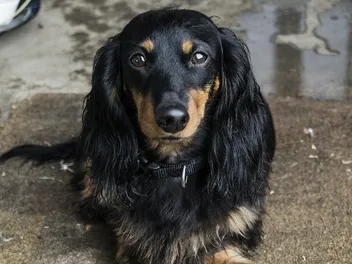
Do Dogs Have Eyebrows? Vet-Verified Canine Facts

In this article
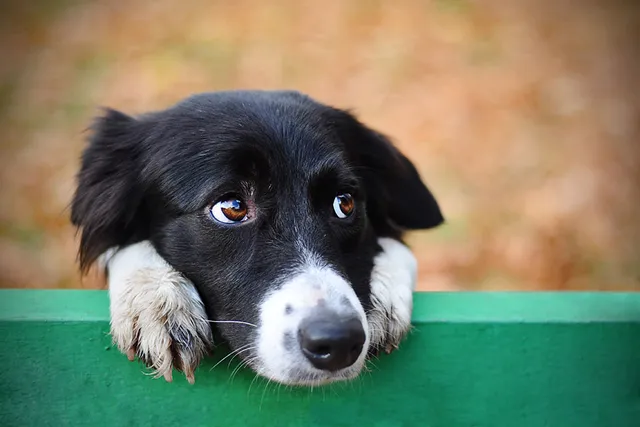
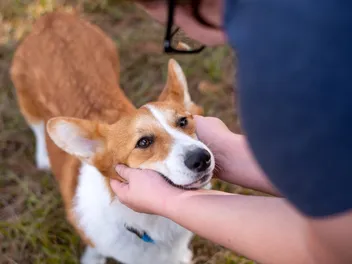
When you're looking at your pup, and they're gazing back, do you notice the innocent slanting of their eyebrows when they hear their name being called or when they get called for dinner?
Do dogs have eyebrows at all, and if they do, why? Yes, dogs DO have eyebrows…but not as we know them. Keep reading to learn more.

Do Dogs Have Eyebrows?

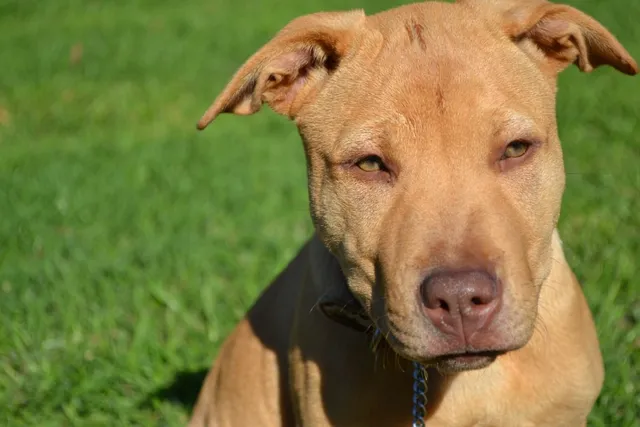
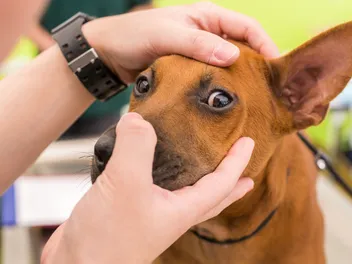
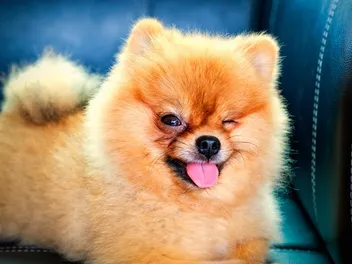
When we think of eyebrows, we think of bushy, hairy, expressive features that are predominantly human. But when you look at dogs that are excited, anxious, and full of expression, you can see their eyebrows moving up and down.
Dogs have eyebrows (or, at the very least, the muscles on the brow line that control the upper corners of the eye) to carry out a particular task.
Unlike wolves, dogs developed facial muscles at the corners of their inner eyebrow area to specifically communicate with humans as they domesticated them1.
The eyebrow usage in dogs is a direct action used to elicit a caring, nurturing response from their human caregivers. “Puppy dog” eyes are universally loved, which is totally by design; the dogs that could move their eyebrows more to show an expressive face and communicate more effectively got more care and attention from the humans they lived with.
This meant that there was a higher chance of these dogs breeding and surviving to pass on this particular trait to their puppies, and it got more and more evolved until dogs could move their eyebrow muscles into expressive faces to convey emotion.
Dogs use the levator anguli oculi medialis muscles on the brow ridge to make lots of expressions, such as fear, excitement, and quizzical, questioning expressions, complete with a head tilt.

Do Dog Eyebrows Vary by Breed?
While all dogs have the muscles needed to move their eyebrows, the musculature can vary according to breed because of the facial bone and skull structure.
Dogs such as Boxers and Pugs have pronounced, prominent brow lines that are very expressive. Their domed heads and muscled foreheads make their eyebrows stand out, and it's the same for dogs with long, tufty eyebrow fur, such as Scottish Terriers or Schnauzers.
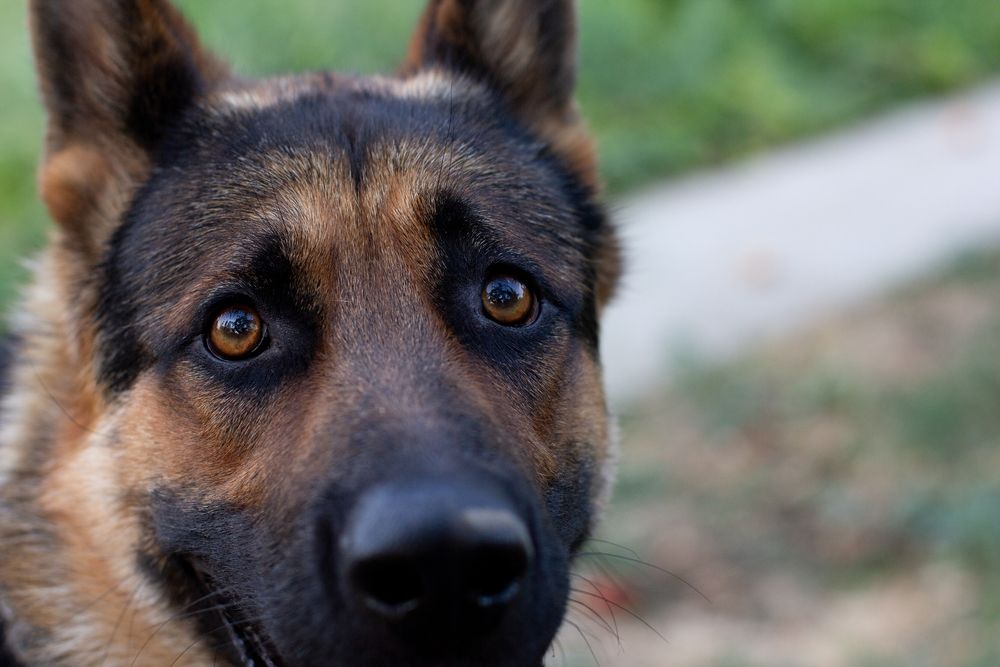
Some breeds have different colors on their brow ridges, such as Rottweilers, Dobermans, and German Shepherds. This is an interesting phenomenon, and the spots of color make all eyebrow communication much more effective, but when it comes to why dogs move their eyebrows, the answer is that we still don't really know, although the hypothesis is this was a selection based on human preferences.
Why Do Dogs Move Their Eyebrows?
There have been studies, books, and films on the subject of canine communication. Studies have shown that dogs are more facially expressive around humans, particularly when face to face with them, and this extends to their eyebrow area, too. It proves that dogs use these expressions for the purpose of communication with humans, which is absolutely amazing.
As mentioned before, dogs pull their eyebrow muscles up and open their eyes to elicit the puppy-dog look, garnering attention and care from humans because we are hardwired to think it’s cute, which dogs use purposefully and to great effect.

Do Dogs Have Eyebrow Whiskers?
Yes, dogs have eyebrow whiskers, but they aren't used for communication. The whiskers found on our dog's forehead are called supraorbital whiskers and are used to trap dandruff and protect your dog's eyes from debris, as well as help them to sense how close an object is to their face.
Did Dogs’ Eyebrows Evolve?
There is evidence to suggest that dogs’ eyebrows evolved via domestication by humans and evolution alongside humans. Selective breeding transformed the facial muscle anatomy of dogs. This is why the elvator anguli oculi medialis, the muscle that allows dogs to raise the inner eyebrow is uniformly present in dogs of different breeds but is absent in wolves.
In other words, wolves don't have the developed brow muscles needed to pull facial expressions such as puppy-dog eyes since they don’t have the need to convey information to humans.
Dogs will make and maintain eye contact with humans, but in dog-to-dog (and indeed wolf) communication, direct eye contact can be seen as threatening behavior.


Final Thoughts
Dogs have evolved alongside humans for centuries, so much so that they evolved to communicate easier and more directly with their human caretakers. One such way was the development of brow ridge muscles that allowed dogs to pull all sorts of eyebrow movements and facial expressions that evoked emotion in their humans, something that still occurs today. So yes, dogs have eyebrows and they know just how to use them to look adorable and get what they want!
Sources
Featured Image Credit: Irina Vasilevskaia, Shutterstock
Expert dog care, straight to your inbox
Vet-reviewed advice, training tips, and the best of Dogster. Free, and you can unsubscribe anytime.
By signing up, you agree to our Terms & Conditions and Privacy & Cookies Policy.
Beth is a mom to two kids: one with four legs, one with two. Beth has years of practical experience as a veterinary care assistant , working in both the consult and in operating room, expanding her knowledge to gain certification in her favorite subject: feline behavior and welfare! When she's not writing about her favorite topics (cats and creature comforts), she's looking after her daughter and her mischievous Nebelung, Kiba. When she gets a moment to herself, Beth loves to delve into fiction books. Horror is her favorite genre, with fantasy and rich history being her second go-to's.
Join the conversation
Ask a question, share your story, or send private feedback.