How Is Being Cute for a Dog an Evolutionary Advantage? Vet-Verified Behavior Explanation


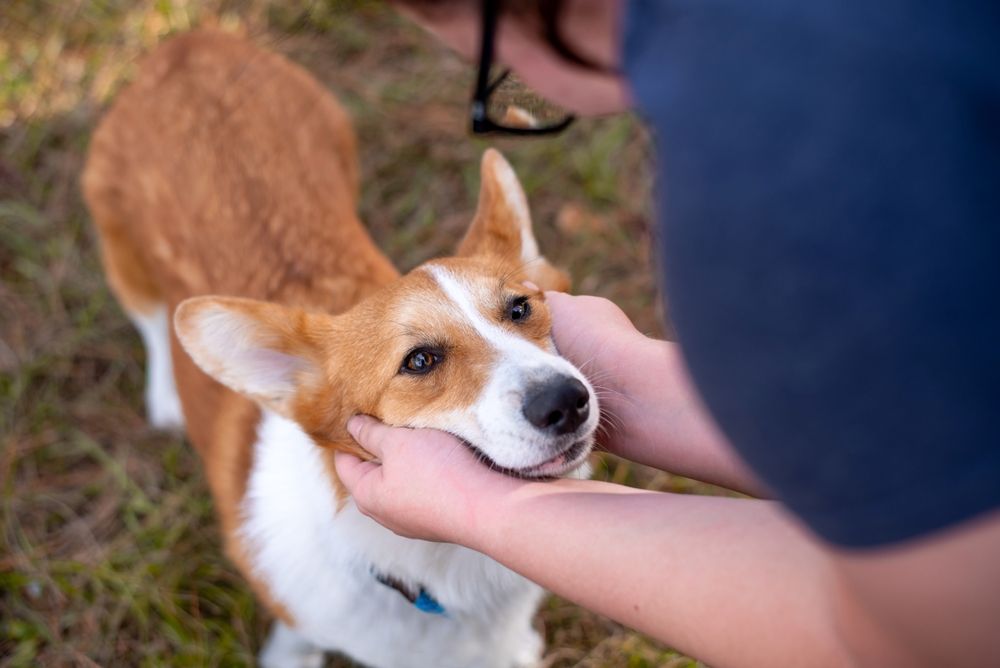
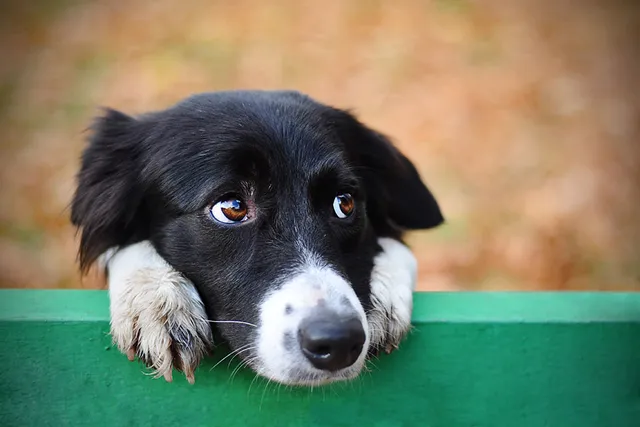
While beauty is in the eye of the beholder, most people agree that puppies are adorable. Something about their cuteness draws our attention, and you just can’t resist the urge to pet them and play with them.
Your puppy’s cuteness isn’t just a thing to be admired. It may very well be an evolutionary trait that helps them survive and grow up to become healthy adult dogs. Many babies of mammals have cute traits that help them survive. Here’s what we know about how dogs have evolved to become cute in our eyes.

The Beginning Relationship Between Dogs and Humans
Dogs have lived alongside humans for tens of thousands of years. Scientists believe that dogs experienced a genetic divergence from an ancient species of wolves between 30,000 and 40,000 years ago, just before the start of the Last Glacial Maximum.
It’s unclear as to how ancient wolves got close to humans, but it’s widely speculated that humans found and took in wolves that acted less aversive and aggressive towards them. These wolves may have been socialized and learned to live harmoniously within human populations. They may have been bred selectively to possess desirable traits, which eventually led to the development of the hundreds of purebred dogs we know today. It's possible that during selective breeding, humans either intentionally or unintentionally bred dogs that possessed traits considered to be cute to them.

Advantages of Being Cute
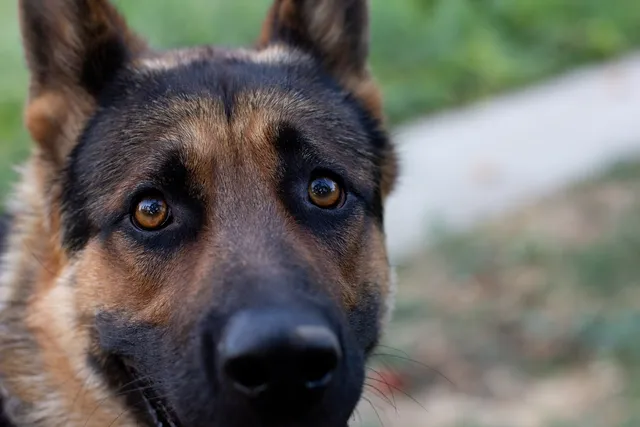
Cuteness can be an evolutionary advantage for several reasons. First, it can trigger people’s nurturing instincts and cause them to want to take care of a dog. Research has shown that humans generally feel affection toward animals that share similar features as children. Dogs have large eyes, recessed chins, and bulging craniums, which are facial features that human babies also have.
Looking at these features can cause people to feel affection for dogs. This affection helps establish and strengthen a bond between a dog and a human. As a result, humans are more likely to give attention and care to their dogs when they think their dog is cute.
Your Dog Knows They’re Being Cute
Dogs also know how to act cute. They’re quick to pick up on what grabs our attention and what they have to do to get their favorite treats. For example, if you give treats every time your dog gives you puppy eyes, your dog will learn fairly quickly that puppy eyes equal treats. They’ll probably look at you with puppy eyes pretty frequently, especially while you’re eating or snacking on food.
Another profound ability dogs have is the ability to communicate with humans. One study found that dogs can use facial expressions to communicate with their owners in social interactions, and this ability increased with training.1 In fact, dogs with highly developed facial expressions are thought to be more likely to receive care from humans than those who aren’t as expressive. So, dogs may know what cute facial expressions they need to make to get their owners' attention.

Physical Consequences of Domestication
Interestingly, a study involving foxes has shown that selecting for certain behavioral traits may have unintended morphological consequences. Of a population of foxes, breeding pairs were selected based on their tamability, with less than 10% of the population being chosen to breed.
Within four generations, pups became more dog-like and they started wagging their tails. In six generations, they began licking, whining, and actively sought contact with humans.
You would think since only behavior was selected for during this experiment, that the subsequent generations were changed in behavior only, but this was not the case. Floppy ears, curly tails, coat color changes, and skeletal changes mimicking those of domesticated dogs started to appear.
So these “cute factors” appear not only to be something we intentionally select for, but a universal, natural consequence of domestication.
Conclusion
Cuteness may make a dog seem vulnerable, but it’s actually a highly effective evolutionary advantage. Being cute can cause humans to act more nurturing towards dogs and want to take care of them. Dogs can also quickly learn how to act cute and communicate their needs and wants with their owners. So, there’s much to admire about your dog’s cuteness. Not only does it make them look adorable, but it also increases their chances of survival and getting their needs met.
See also:
Featured Image Credit: Tanya Consaul Photography, Shutterstock
Expert dog care, straight to your inbox
News, insights, expert advice, and everything dog.

No spam — unsubscribe anytime.
By signing up, you agree to our Terms & Conditions and Privacy & Cookies Policy.
How useful was this post?
Click a star to rate. You can leave written feedback afterwards. (We read all feedback.)
Jessica is a freelance writer who spends bigger part of her day researching and writing while her furry companion Cavapoo, Nora, snoozes beside her. She loves dogs, pets and animals because there’s so much to learn from them, and they do so much for us. As a dog mom, she understands the strong connection that pet parents have with their pets. So, she loves sharing helpful information that pet owners can use to better understand their beloved pets. When she isn't writing, you may find her walking dogs, tending to her plants, or drinking her nth cup of coffee.